culture
Five Sichuan Seasoning Styles: Mala to Dan Dan Noodles
A guide to Sichuan mala, dry-frying, fish-fragrant seasoning, strange-flavor sauce, and the chili-oil dressing in dan dan noodles.
Share this
Pass it around
Send this page to a friend, copy the link, or save it to a Pinterest board.

Save for later
Pin this page
Save the image with a link back to this recipe, review, or article.
Five Sichuan Seasoning Styles: Mala to Dan Dan Noodles
Proper Szechuan heat has a distinct signature: it makes your lips tingle and buzz, and it works differently from a straightforward chili burn. The technique layers the numbing quality of Szechuan peppercorns with the deep, smoky burn of dried chilies, creating dishes with more going on than heat alone.
Here are five styles of Szechuan spicing, showing up in noodle shops and restaurants alike. Each represents a different approach to combining heat with other flavors, developed over generations of Szechuan cooking.
Mala: Numbing Heat Layered with Chili Burn
Mala—literally "numbing spicy"—combines two distinct sensations rather than one. Dried red chilies deliver a sharp, direct heat, while Szechuan peppercorns add a tingling numbness that spreads across the tongue and lips.
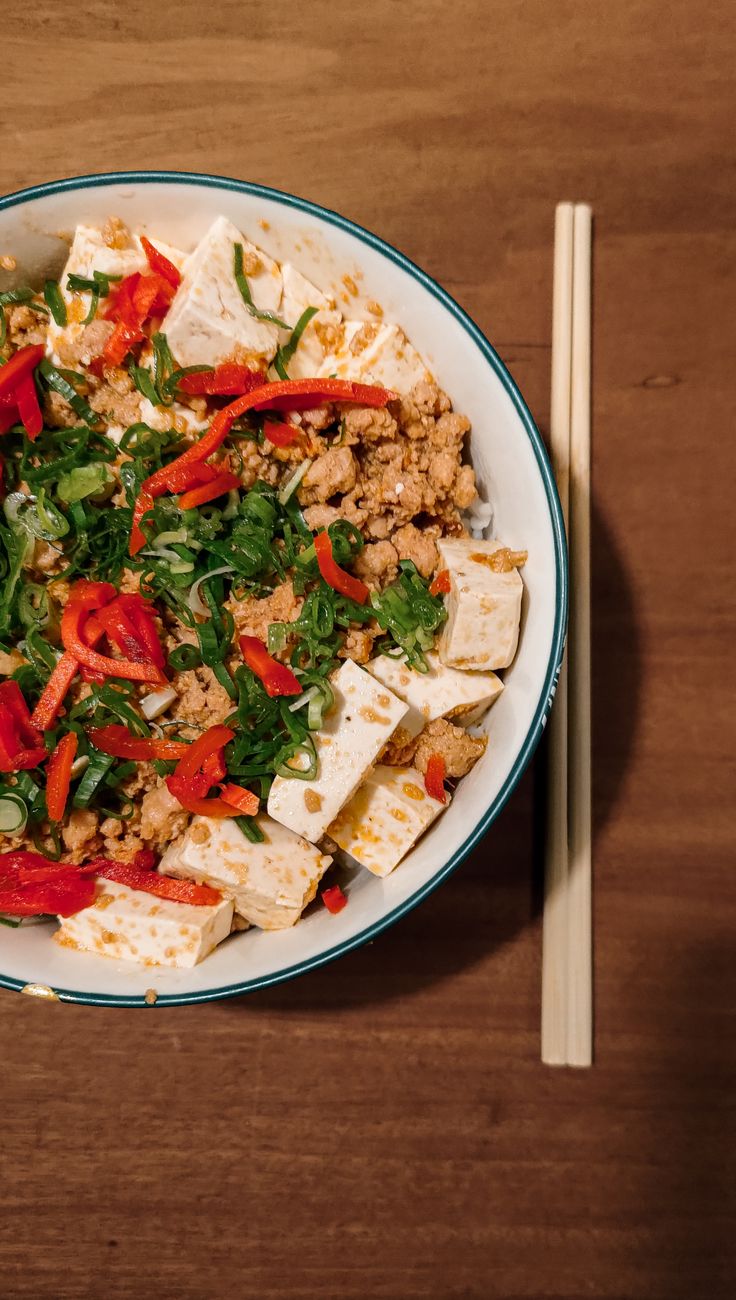
Mapo tofu is a familiar example: silky tofu cubes in a brick-red sauce that carries both heat and the peppercorns' numbing effect. Mala also shows up in hot pot broths, stir-fried vegetables, and noodle soups.
The numbing sensation is part of what sets mala apart from single-note heat. It changes how the next bite registers on the tongue, so the dish doesn't feel one-dimensional even as the spice level rises.
Dry-Frying: Concentrated Heat Without Sauce
Szechuan's dry-frying technique concentrates heat and aromatics by cooking ingredients over extended time with very little liquid, rather than finishing them in sauce.
Dry-fried green beans are one example. The beans are charred and blistered in oil until their edges turn dark and slightly crisp, then tossed with minced pork, preserved vegetables, and a mixture of dried chilies and Szechuan peppercorns. The result is beans with a dense, savory intensity, and heat that builds as you eat.
Dry-fried cauliflower follows the same method but adds cumin seeds, giving it an aromatic note alongside the chili heat. Without sauce, each piece is coated directly with spices, producing a more concentrated flavor than sauced versions of similar dishes.
Fish-Fragrant Heat: The Sweet-Sour-Spicy Trinity
Despite the name, "fish-fragrant" (yuxiang) style doesn't involve any fish whatsoever. It's named after a traditional combination of seasonings used for cooking fish in Szechuan: garlic, ginger, scallions, chili bean paste, sugar, and black vinegar.
Fish-fragrant eggplant is a common example of this approach: tender chunks of eggplant in a glossy reddish sauce that balances heat with tangy-sweet notes. The chili bean paste provides the base heat, while sugar mellows it and vinegar adds brightness.
Fish-fragrant pork takes the same principles and adds wood ear mushrooms and bamboo shoots for textural interest. The spice level here tends to be more moderate than straight mala preparations, making these dishes a good starting point for anyone still building tolerance to Szechuan heat.
Strange Flavor: When Everything Goes Into the Mix
Guaiwei, or "strange flavor," combines sweet, sour, spicy, numbing, salty, and savory elements in a single sauce—a wider range than most single dishes attempt.
Strange flavor chicken demonstrates this complexity. Cold poached chicken gets dressed with a sauce that includes:
- Szechuan peppercorns for numbing heat
- Chili oil for burning spice
- Chinese black vinegar for sourness
- Sugar for sweetness
- Sesame paste for richness
- Soy sauce for saltiness
The combination works because each element balances rather than competes with the others, so the heat doesn't sit on top of the dish but runs through it. Strange flavor cold noodles use the same sauce and are well suited to warm weather since they're served cold.
Dan Dan Noodles: Street Food Built Around Chili Oil
Dan dan noodles are a Szechuan street food staple built from simple ingredients: thin wheat noodles topped with preserved vegetables, minced pork, scallions, and a sauce built around chili oil and Szechuan peppercorns.
Much of the dish depends on the chili oil, which needs time to develop. The best versions layer different types of dried chilies—some purely for heat, others for color, still others for their particular aroma. This oil gets combined with dark soy sauce, light soy sauce, Chinese black vinegar, and just a touch of sugar to create a coating that clings to noodles without drowning them.
The dish balances temperatures and textures: the noodles offer some relief from the heat, the minced pork adds richness, and the preserved vegetables contribute bursts of salty intensity.
Why These Styles Work So Well
These preparations work by layering heat with other strong flavors rather than relying on heat alone, avoiding the monotony that comes from straight chili burn on its own.
The numbing quality of Szechuan peppercorns plays a role here too. It changes how the heat is perceived alongside other flavors, so the garlic, ginger, fermented bean paste, and other aromatics remain noticeable even as spice levels increase.
For anyone wanting to try these flavors at home, fish-fragrant preparations make a good starting point since they offer complexity with more manageable heat. Once you've built some tolerance and found ingredients like chili bean paste and whole Szechuan peppercorns, mala dishes and dan dan noodles become easier to attempt.
These preparations succeed by layering heat with other strong flavors instead of relying on heat alone. Szechuan cooking has used peppercorns and dried chilies together for generations, treating spice as one part of a larger balance of aromatics and seasonings rather than the main event.
Cook with this idea
Recipes to try next.
Put these ingredients and techniques to use in your next meal.
chinese · hot
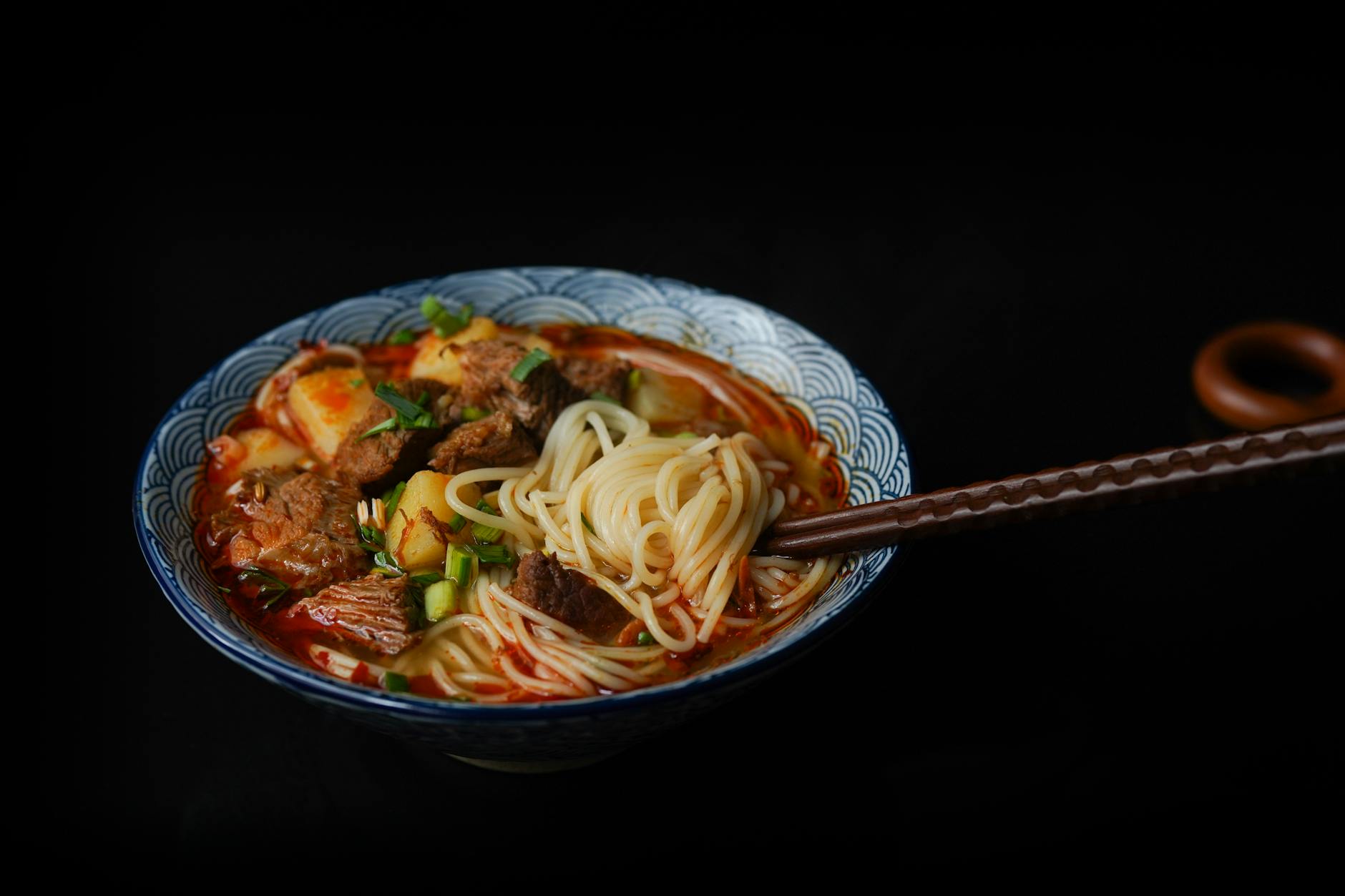
May 18, 2026Sichuan Hot Pot Beef Stew with Mala Oil
A soul-warming Chinese stew that brings the electric heat and numbing spice of Sichuan hot pot to your home kitchen, with tender beef braised in a complex sauce built on Sichuan peppercorns, dried chilies, and fermented bean paste. 140 min · 0 saves.
chinese · medium
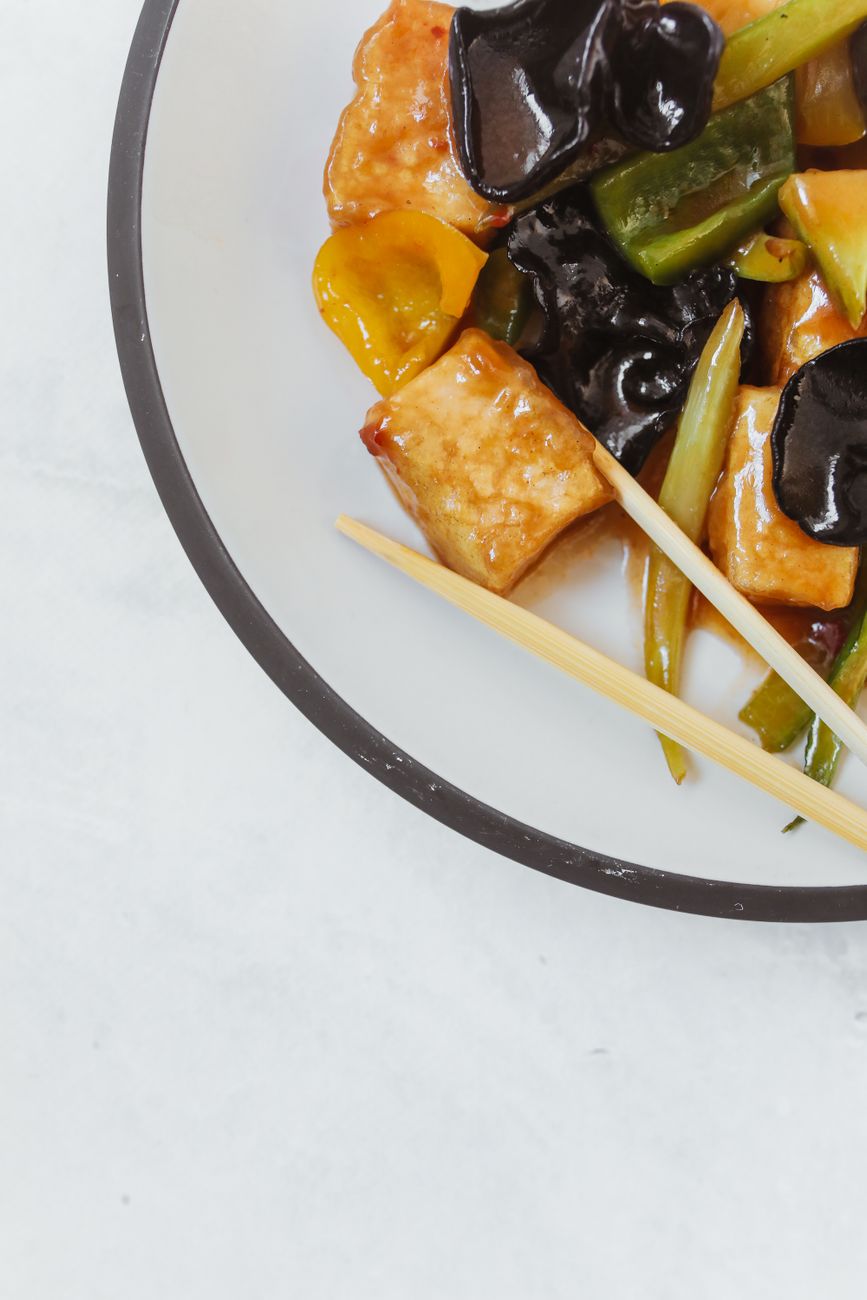
May 28, 2026Sichuan Mapo Tofu with Mushrooms
Silky tofu and meaty mushrooms braised in a numbing, aromatic sauce built on doubanjiang and Sichuan peppercorns 27 min · 0 saves.
chinese · medium
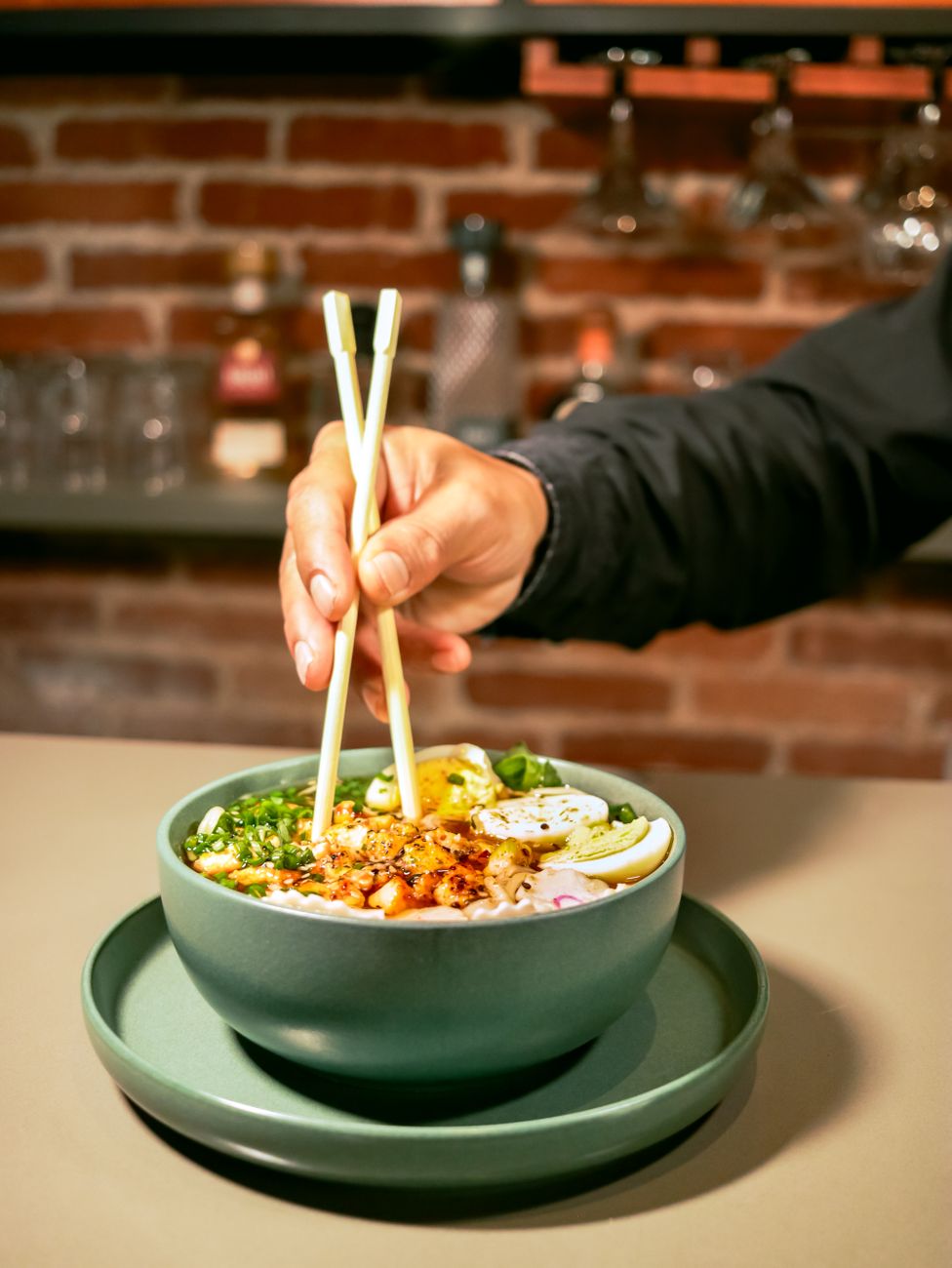
May 14, 2026Dan Dan Noodles with Sichuan Peppercorns
Silky wheat noodles bathed in a rich sesame and chili oil sauce, crowned with savory ground pork and tangy pickled mustard greens—this is the kind of Sichuan comfort food that keeps you coming back for more. 35 min · 0 saves.
Bottle picks
Related hot sauce reviews.
Explore sauces with related ingredients, flavors, and heat levels.
Yellowbird Habanero Hot Sauce Review
A bright, carrot-forward bottle with enough heat to stay lively and enough sweetness to stay versatile.
Best for tacos
Best for: Tacos and rice bowls
Skip if: Skip if you want a classic vinegar-forward table sauce with almost no sweetness.
Read review
Queen Majesty Scotch Bonnet and Ginger Review
A bright, elegant sauce that leans on fruit, ginger, and Scotch bonnet lift instead of brute force.
Best for seafood
Best for: Seafood and fish tacos
Skip if: Skip if you want a thick, smoky wing sauce more than a bright finishing bottle.
Read review
Fly By Jing Sichuan Gold Review
A citrusy, tingly sauce with real peppercorn presence and enough versatility to move beyond dumplings.
Best for dumplings
Best for: Eggs and breakfast tacos
Skip if: Skip if you want a thick, smoky wing sauce more than a bright finishing bottle.
Read review
Go deeper
Background guides that build on this.
Keep reading
More on this subject.
If this post helped, these are the next pieces most likely to keep the thread going.

culture
Apr 15, 2026A Guide to Sichuan, Hunan, and Regional Chinese Spicy Dishes
From Sichuan peppercorns to Hunan chilies, explore regional Chinese dishes and the seasonings that give each its character.
culture
May 23, 2026The New Chinese Spice Wave: How Mala and Beyond Are Reshaping Heat Culture
From Sichuan's tongue-numbing mala to Hunan's clean-burning dry pots, Chinese regional spice traditions offer lessons that will transform how you think about cooking with heat. Here's what your kitchen needs to know.
culture
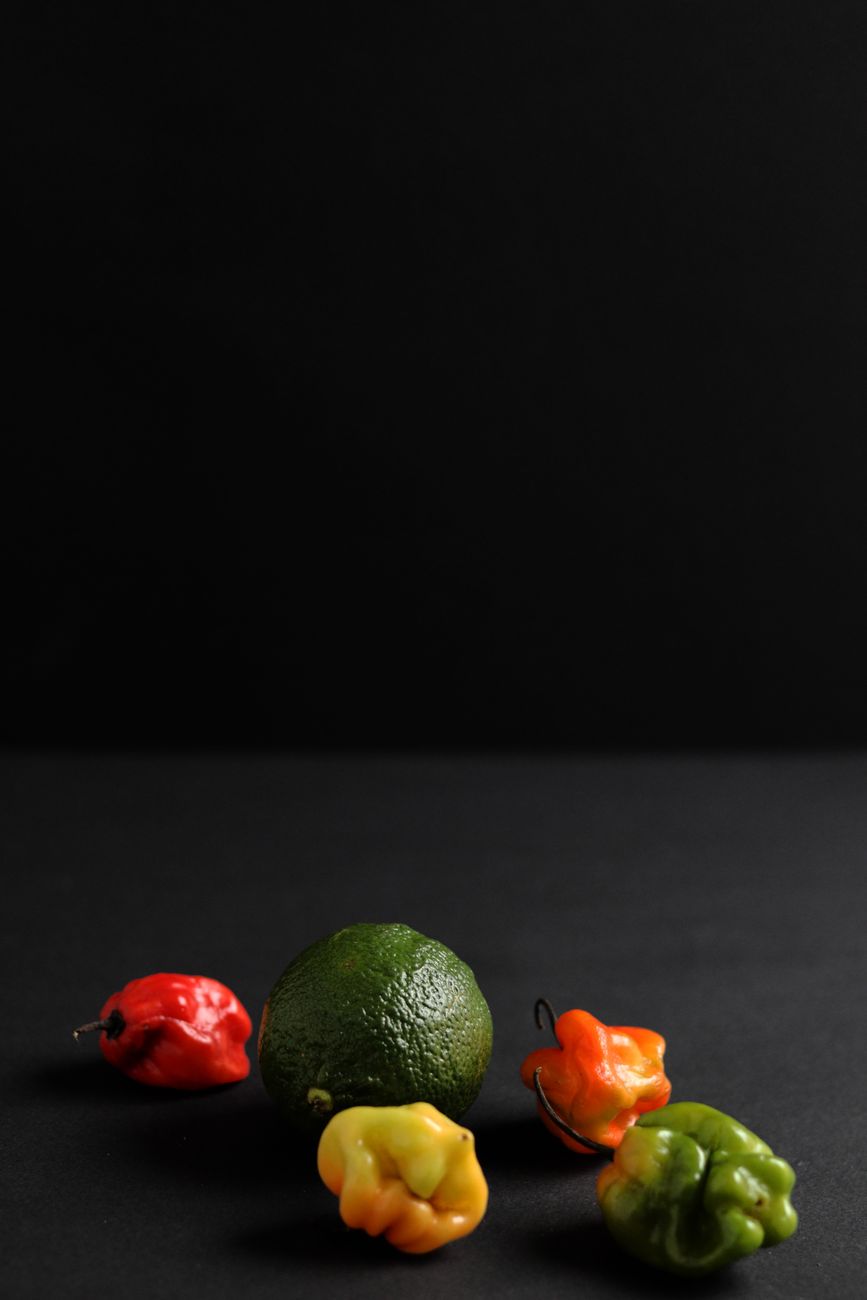
Oct 18, 2026Spicy Jamaican Dishes That Define Heat and Flavor Right Now
Jamaican cooking builds heat intentionally, not as theater. Scotch bonnets anchor the tradition—fruity, complex peppers that shape everything from jerk seasoning to table sauces. Learn how to choose them, use them, and understand why this approach to spice has stayed central to the cuisine.
Comments
Reader discussion is shared across recipes, reviews, and editorial pieces.
Comments are read-only while member sign-in is paused.