
culture
Harissa, Urfa Biber, and Levantine Spice Blends
Get to know North African harissa, Turkish dried peppers, and Levantine chili condiments, with clear distinctions between traditions.
Share this
Pass it around
Send this page to a friend, copy the link, or save it to a Pinterest board.

Save for later
Pin this page
Save the image with a link back to this recipe, review, or article.
Harissa, Urfa Biber, and Levantine Spice Blends
Middle Eastern spicy food works differently than the chile-forward cuisines that usually get attention. Instead of chasing pure burn, these traditions build heat through spice blends, fermented pastes, and chile varieties that add complexity alongside the fire. Three styles in particular are showing up more often in American home kitchens: North African harissa, Turkish urfa biber and Aleppo pepper, and Levantine spice blends from Lebanon and Syria.
These are not dishes built around pain tolerance. They're built for everyday cooking, where heat is one part of a larger flavor picture.
Ingredients and Preparation
Harissa has moved from specialty condiment to meal foundation for many home cooks. Jarred versions are convenient, but toasting whole dried chiles yourself brings out brighter heat and more floral notes than most commercial pastes deliver.
Guajillo and ancho chiles work well alongside traditional North African varieties, and the flavor difference shows up in the finished dish. Fresh harissa brings a vibrant, almost fruity heat that carries into the ingredients it's cooked or mixed with, rather than sitting only on the surface.
Roasting carrots with harissa gives you caramelized edges while the warmth builds gradually, without overwhelming the vegetable's natural sweetness. Chicken thighs marinated in fresh harissa come out bronzed and juicy, with heat running through the meat rather than just coating it. Simple applications work too: harissa stirred into Greek yogurt for a dip, or whisked with good olive oil for bread, hold their own as more than an afterthought.
Harissa also works as a bridge in fusion cooking. It adds savoriness to grain bowls, brings roasted winter vegetables to life, and adds depth to braised dishes without overpowering other ingredients. For households with different heat preferences, harissa is easy to adjust — a small amount for milder palates, more for those who want it hotter.
Turkish Chile Culture: Urfa Biber and Aleppo's Smoky Cousins
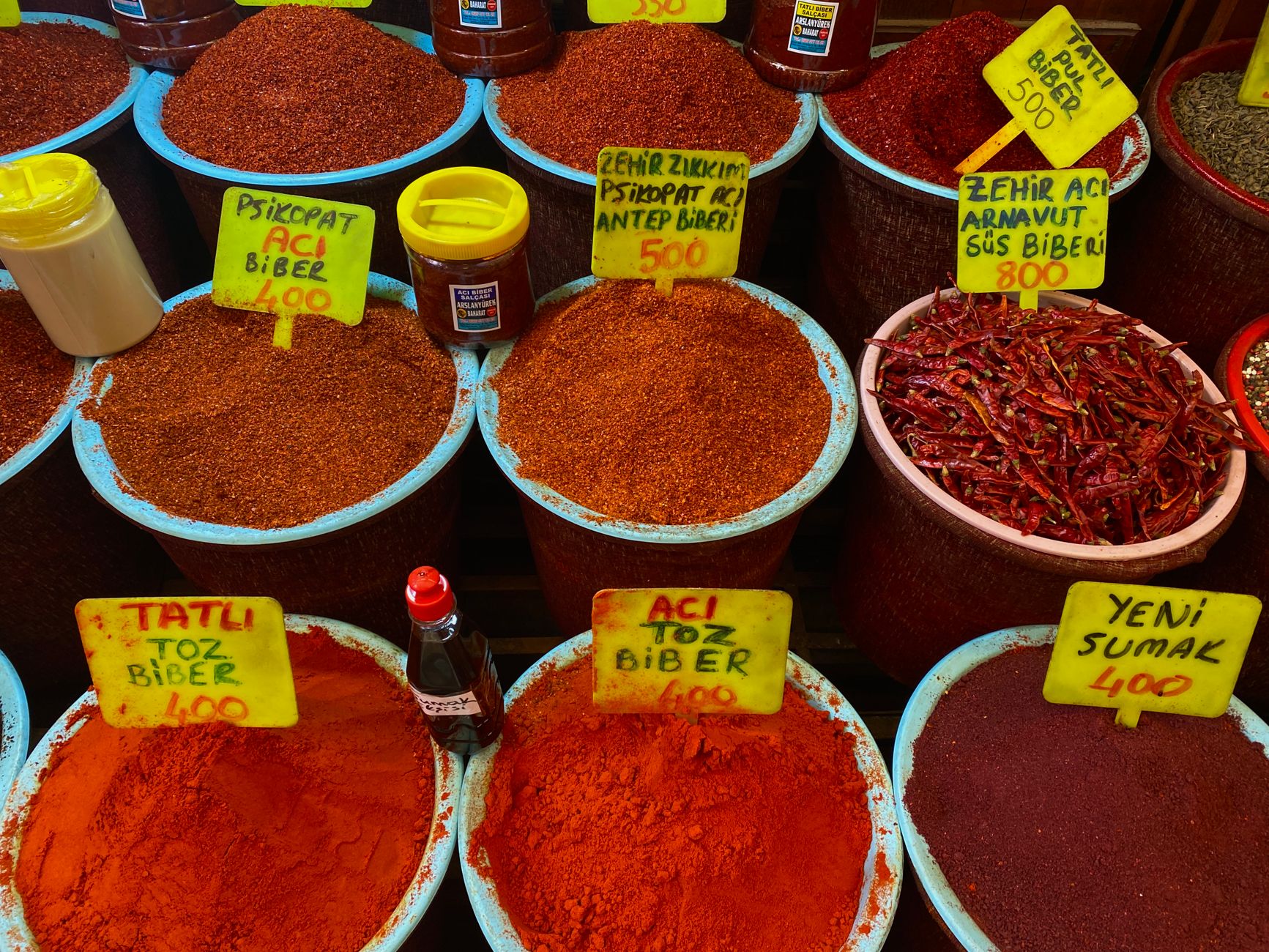
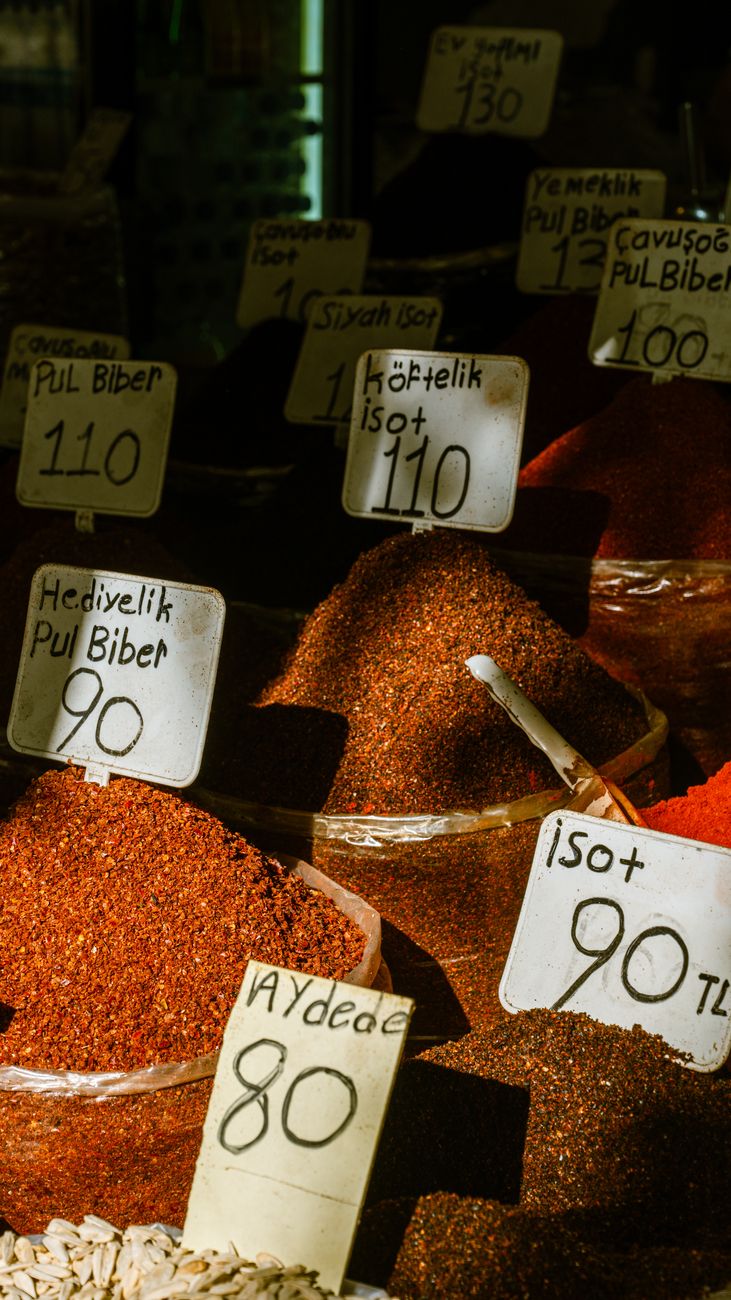
Turkish chile varieties are worth more attention from American home cooks. Urfa biber, with its dark burgundy flakes and smoky-sweet character, is a versatile pantry chile that's still uncommon in most kitchens. Unlike standard crushed red pepper, which delivers heat immediately, urfa biber builds more slowly and leaves a warming sensation that lingers after the bite.
This chile works well in braises and stews, where its heat has time to develop over a longer cook. Turkish-style lamb and vegetable dishes rely on this gradual warmth, usually paired with tomatoes, onions, and herbs that complement rather than compete with the chile.
Aleppo pepper offers similar versatility with a brighter, more acidic character. Both work well when you want heat that supports other flavors rather than overwhelming them:
- Sprinkled over just-grilled vegetables while they're still sizzling
- Whisked into yogurt-based marinades with fresh herbs
- Stirred into rice pilaf during the last few minutes
- Mixed with good olive oil and crushed garlic for drizzling
These chiles are also useful when you want to add heat to a dish that's already cooked. Their flaky texture and built-in flavor work well as a finishing touch, unlike some chile powders that can taste raw when added at the very end.
Turkish cooking often layers these chiles with warming spices like cumin and coriander, building dishes with more than one layer of heat and aromatics.
Lebanese and Syrian Heat: Sophisticated Spice Blend Territory
Levantine spicy cooking takes a more layered approach to heat. Rather than showcasing a single chile variety, Lebanese and Syrian dishes build warmth through spice blends that combine chiles with aromatics like allspice, cinnamon, and cardamom.
Shatta, Lebanon's version of hot sauce, reflects this approach. Instead of the vinegar-forward heat common in many hot sauces, shatta balances fresh chiles with garlic, lemon juice, and salt, landing closer to a spicy, herbaceous paste that adds fire and brightness at the same time.
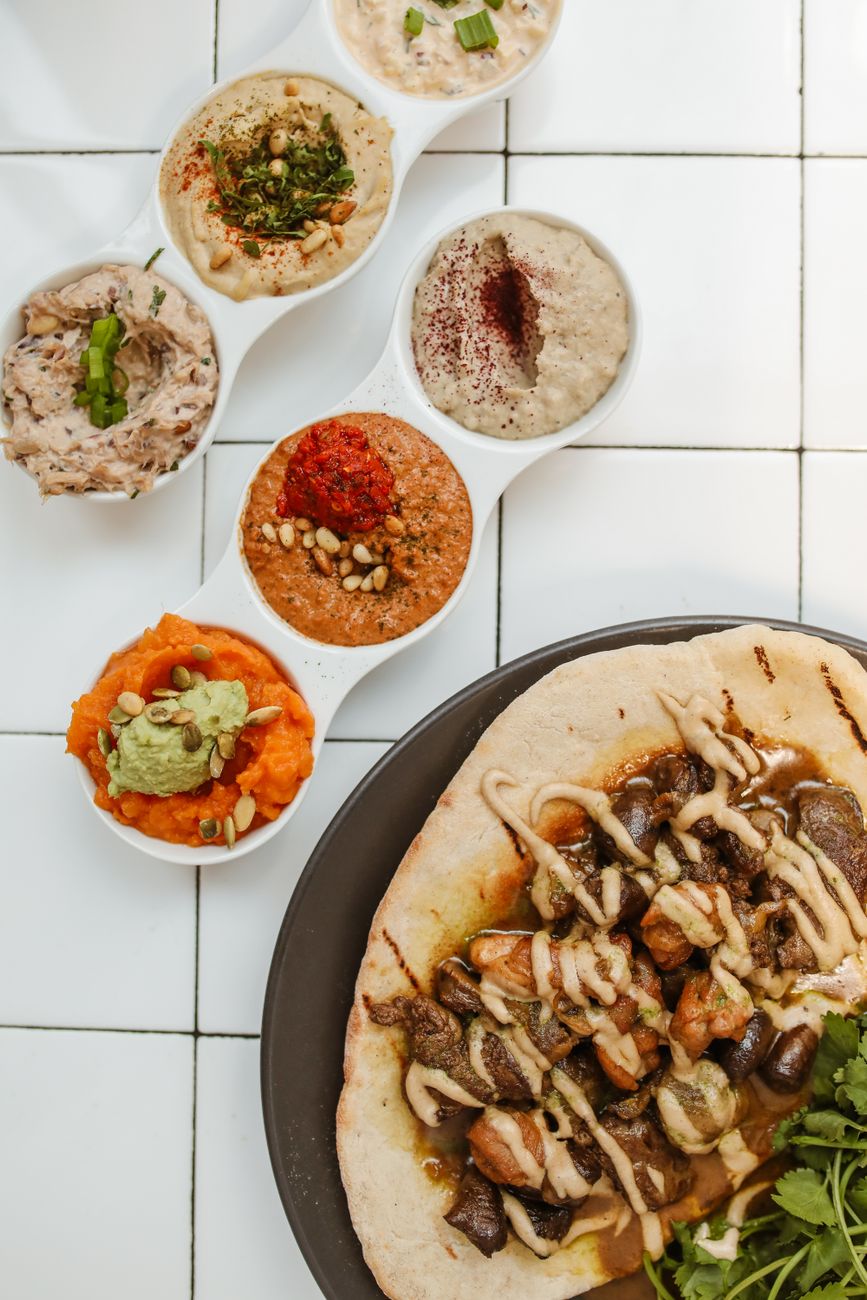
Muhammara, the walnut and red pepper spread, shows the same balance in a different form. Its heat comes from Aleppo pepper and sometimes cayenne, but it's tempered by toasted walnuts, breadcrumbs, and the sweet-tart pull of pomegranate molasses. The result works for a dinner party or a weeknight side.
Levantine meat preparations follow the same logic. Lamb or beef is often seasoned with spice blends that combine chiles with seven-spice (baharat), building layers of flavor without letting the heat dominate the protein.
These techniques are useful for cooks looking to vary a basic protein-and-vegetable routine. A chicken breast seasoned with Lebanese seven-spice and finished with shatta becomes a more interesting dinner with little extra effort. Roasted eggplant topped with muhammara makes a substantial vegetarian main rather than a side dish.
Making It Work in Your Kitchen
What connects these Middle Eastern spicy styles is that heat plays a supporting role rather than the main event. They're built for regular use, not occasional heat challenges, which makes them practical for everyday cooking.
Buying quality dried chiles and whole spices makes a noticeable difference in the finished dish. Middle Eastern markets tend to have the best selection, and online retailers now make these ingredients easier to find outside of specialty neighborhoods.
Fresh spice blends and chile pastes take a little more effort than reaching for a jar, but that effort shows up in the flavor of simple weeknight cooking.
None of this requires special equipment or advanced technique. These cuisines reward attention to balance and seasoning, which is useful practice for cooking in general. Pick one style that appeals to you, get comfortable with it, and move on to the others when you're ready.
Peppers featured in this post
Cook with this idea
Recipes to try next.
Put these ingredients and techniques to use in your next meal.
middle_eastern · hot
Oct 12, 2026Harissa-Spiced Noodles with Crispy Chickpeas
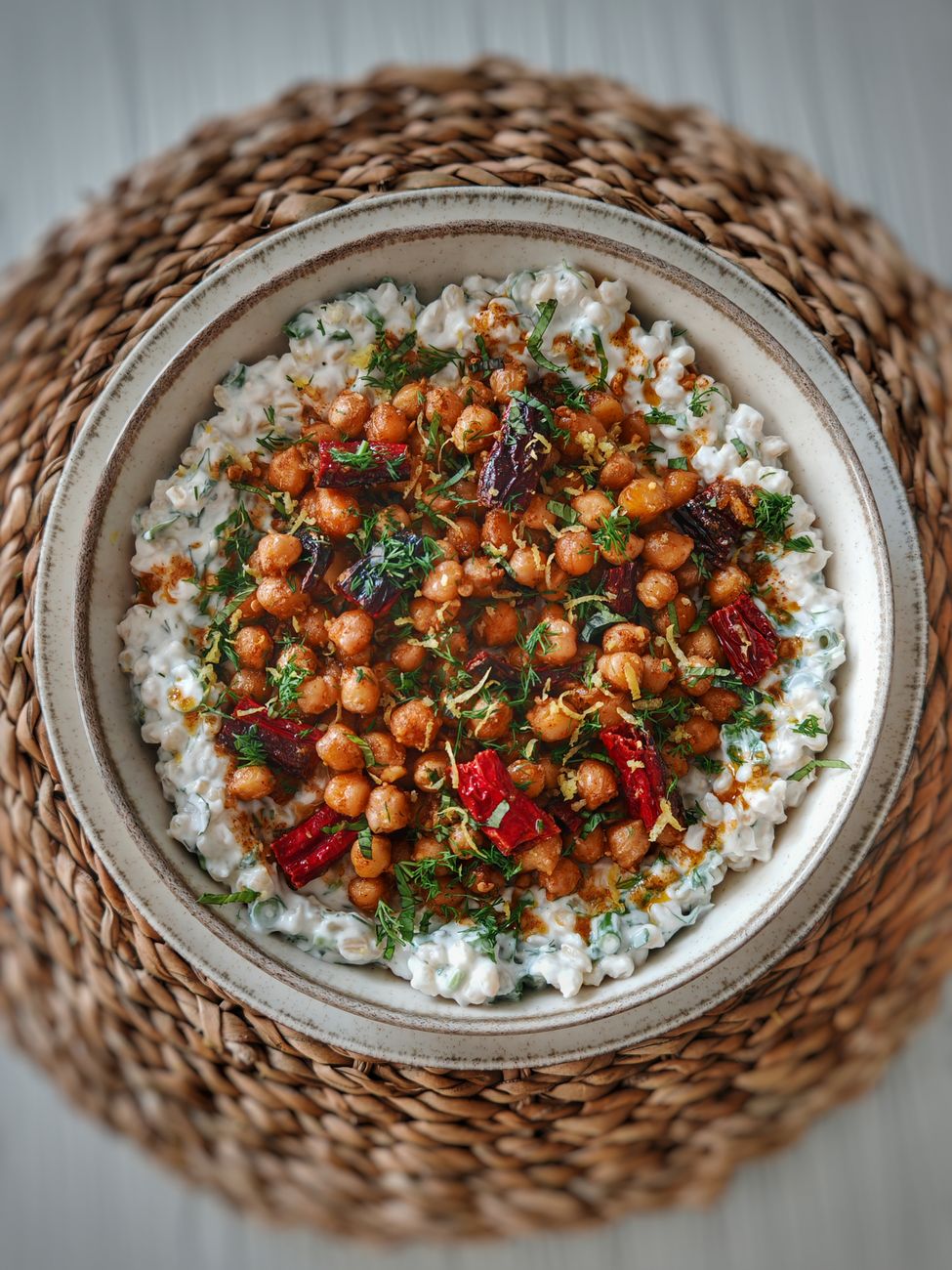
Hand-pulled or store-bought noodles tossed with harissa-butter sauce, roasted chickpeas, and charred tomatoes. The heat builds gradually through the spiced fat rather than hitting all at once. 40 min · 0 saves.
middle_eastern · inferno
Jun 15, 2026Scorpion Harissa Wings with Pomegranate Glaze
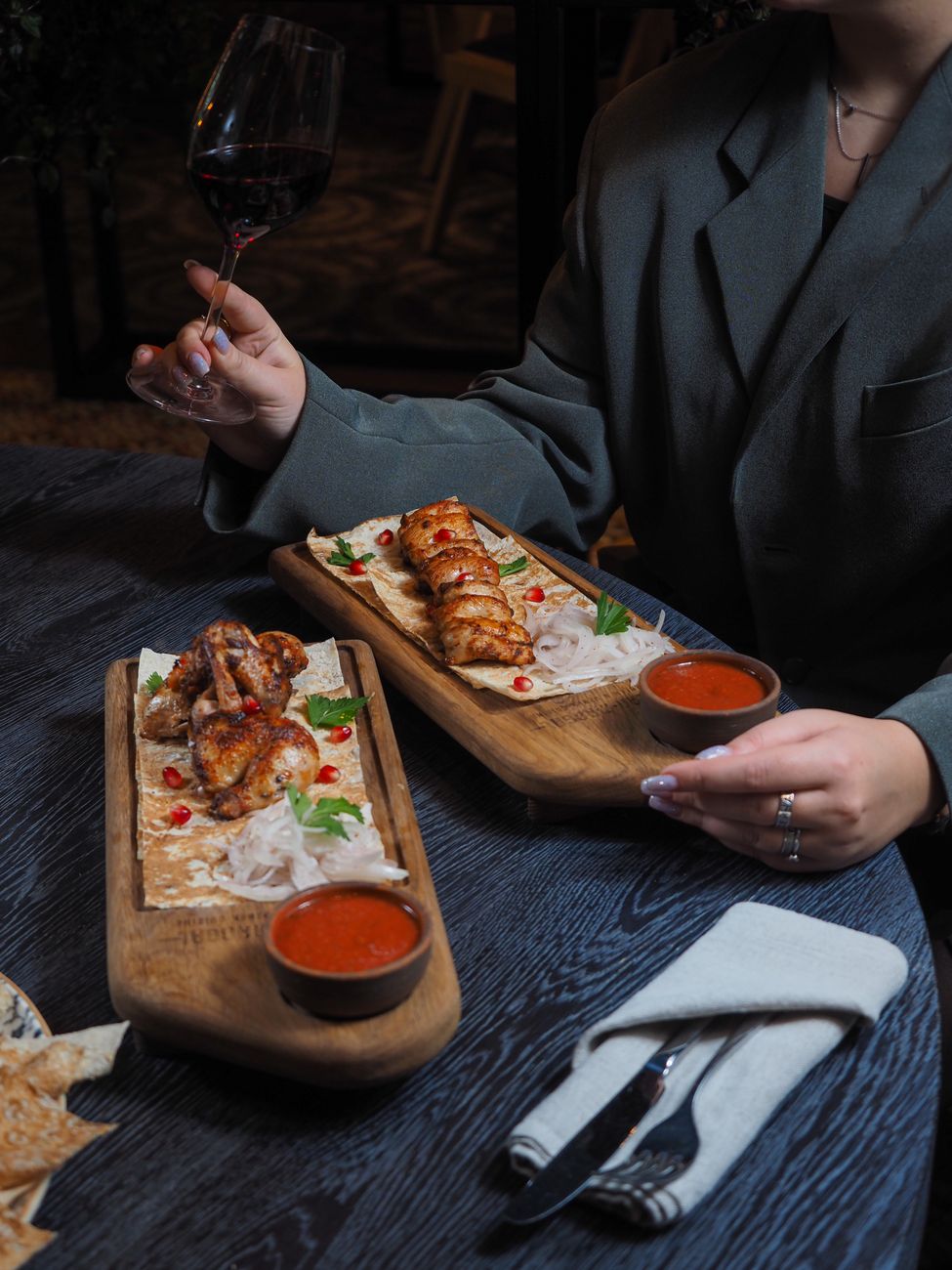
Middle Eastern-spiced chicken wings with an extreme heat harissa marinade featuring Trinidad Scorpion peppers and a tangy pomegranate molasses glaze. 70 min · 0 saves.
middle_eastern · inferno
Jun 6, 2026Scorpion Pepper Fesenjan (Persian Pomegranate Walnut Stew)
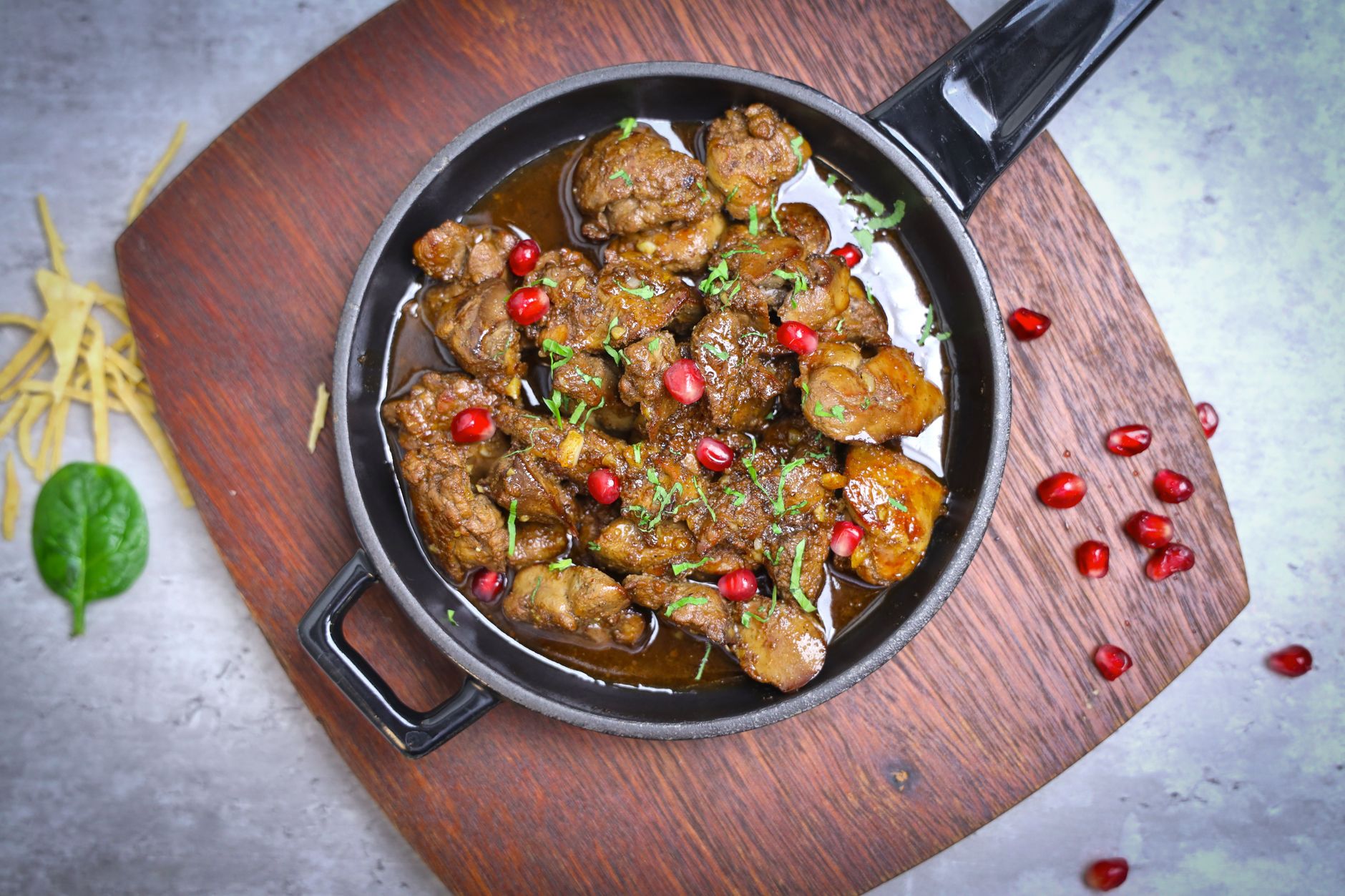
A treasured Persian fesenjan recipe that pushes the boundaries with Trinidad Scorpion peppers. This rich, glossy stew weaves together ground walnuts and tart pomegranate molasses with chicken that falls apart at the touch of a fork—all while delivering heat that will test even the most dedicated spice lovers. 115 min · 0 saves.
Bottle picks
Related hot sauce reviews.
Explore sauces with related ingredients, flavors, and heat levels.
Fly By Jing Sichuan Gold Review
A citrusy, tingly sauce with real peppercorn presence and enough versatility to move beyond dumplings.
Best for dumplings
Best for: Eggs and breakfast tacos
Skip if: Skip if you want a thick, smoky wing sauce more than a bright finishing bottle.
Read review
Mike's Hot Honey Review
Sweet heat done right: sticky, quick, and versatile enough to become a finishing move instead of a novelty.
Best for gifting
Best for: Pizza and fried chicken
Skip if: Skip if you want a classic vinegar-forward table sauce with almost no sweetness.
Read review
Heatonist Los Calientes Rojo Review
Heatonist Los Calientes Rojo: flavor notes, heat level, and suggested food pairings.
Best for tacos
Best for: Tacos and rice bowls
Skip if: Skip if you are chasing a novelty-level heat hit or a super-special-occasion bottle.
Read review
Go deeper
Background guides that build on this.
Keep reading
More on this subject.
If this post helped, these are the next pieces most likely to keep the thread going.

culture
Jun 15, 2026Four Middle Eastern Heat Styles That Should Be on Your Radar Right Now
From harissa's patient burn to zhug's bright herb-fire, these Middle Eastern heat styles teach us that the best spicy food builds complexity alongside warmth—and they'll change how your family thinks about heat.
culture
May 19, 2026Beyond Harissa: Middle Eastern Spice Heat That's Capturing Home Kitchens
From Turkish pul biber to Palestinian zhug, discover the complex spicy flavors of Middle Eastern cooking that go far beyond the harissa most home cooks know—these are the heat sources that will change how you think about spice.
culture
May 17, 2026Beyond Harissa: The Middle Eastern Spice Pastes Heating Up American Kitchens
From Syrian muhammara to Turkish acuka, discover the complex spice pastes that are transforming how home cooks approach Middle Eastern heat and flavor.
Comments
Reader discussion is shared across recipes, reviews, and editorial pieces.
Comments are read-only while member sign-in is paused.