
culture
Beyond Harissa: Middle Eastern Spice Heat That's Capturing Home Kitchens
From Turkish pul biber to Palestinian zhug, discover the complex spicy flavors of Middle Eastern cooking that go far beyond the harissa most home cooks know—these are the heat sources that will change how you think about spice.
Share this
Pass it around
Send this page to a friend, copy the link, or save it to a Pinterest board.

Save for later
Pin this page
Save the image with a link back to this recipe, review, or article.
Beyond Harissa: Middle Eastern Spice Heat That's Capturing Home Kitchens
Harissa deserves its spot in your fridge, but if that's where your Middle Eastern spice journey ends, you're missing some of the most compelling heat in the world. I'm talking about the smoky sophistication of Turkish pul biber, the bright herbaceous fire of Yemeni zhug, the elegant restraint of Persian spicing—these aren't just condiments gathering dust in specialty shops anymore. They're the kinds of flavors that make dinner guests lean forward and ask what you did differently.
What draws me to Middle Eastern approaches to heat isn't just the complexity, though that's certainly there. It's how these traditions treat spice as a supporting player in a larger story. The heat isn't there to punish you or prove anything—it's there to make you want another forkful, then another.
The Smoky Sophistication of Turkish Heat
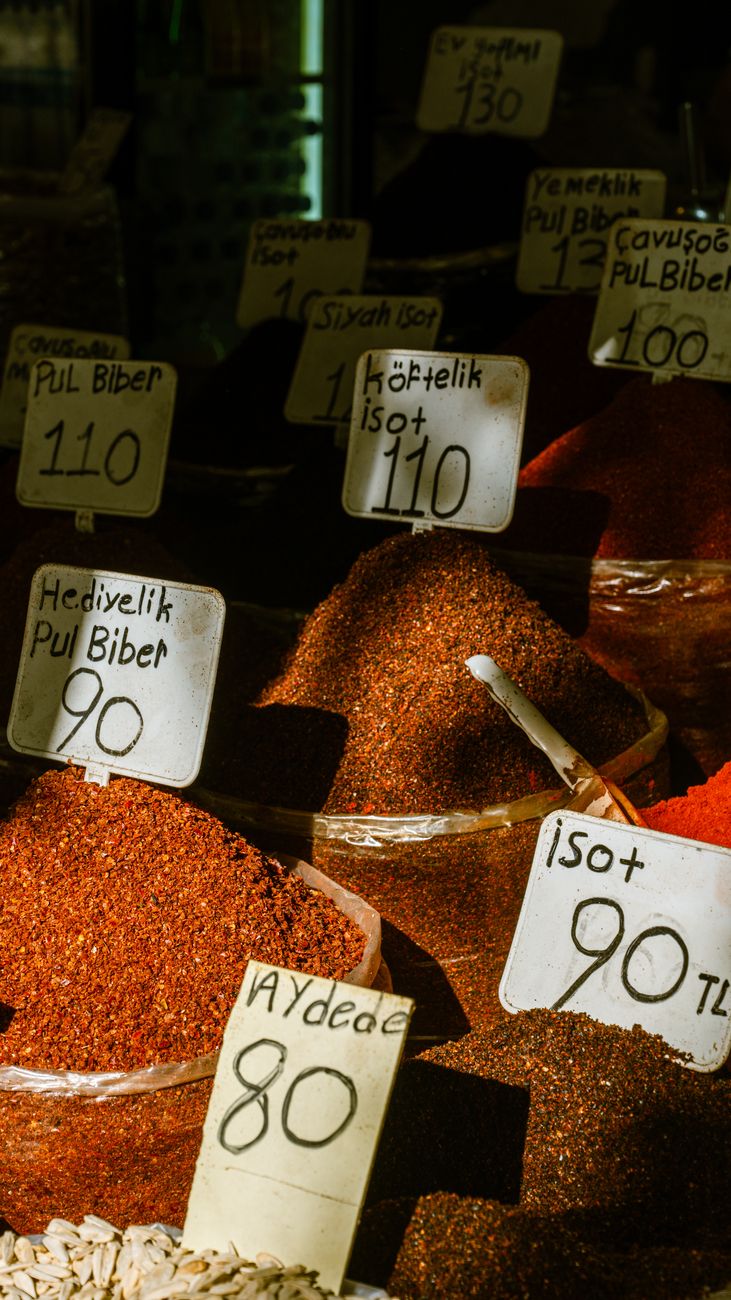
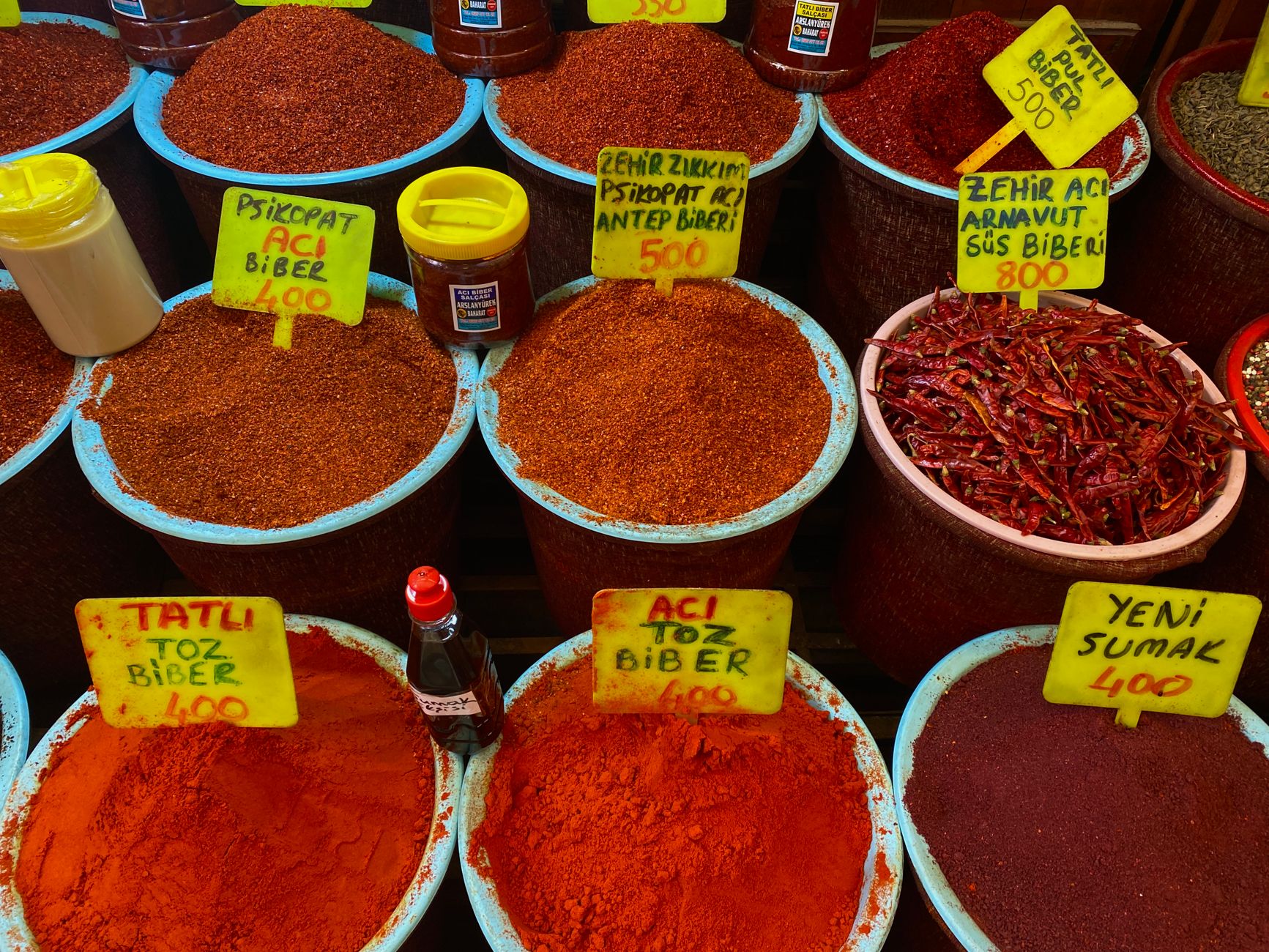
Turkish cooks understand something fundamental about spice that we often miss: the best heat builds slowly and leaves you wanting more. Take pul biber, those beautiful rust-colored flakes you'll find on every Turkish table. Yes, they bring warmth, but they also carry this gorgeous smokiness that standard crushed red pepper just can't touch. The heat unfolds gradually, giving you time to taste the sweet, earthy complexity underneath.
Biber salçası takes this concept even further. This thick, jammy pepper paste concentrates all that flavor into something that transforms whatever it touches. Unlike tomato paste, which can turn sharp and acidic with long cooking, biber salçası just gets richer and more mellow. I've started keeping a jar in my fridge specifically for those weeknight moments when I want to turn simple roasted vegetables or a quick bean stew into something memorable.
Here's where Turkish heat really shines:
- Meat marinades for grilling (it creates this incredible crust)
- Roasted vegetable preparations that need depth without heaviness
- Bean and lentil stews where you want layers of flavor
- Egg dishes where complexity matters more than fire power
The genius of Turkish spicing is its patience. It doesn't announce itself immediately—it reveals itself bite by bite, keeping you engaged with your food in a way that simple heat never could.
Levantine Green Fire: Zhug and Its Cousins
If Turkish heat is about patience, zhug is about immediacy—but the bright, wake-up-your-palate kind, not the burn-your-face-off variety. This Yemeni sauce combines fresh chilies with handfuls of cilantro and parsley, then rounds everything out with warming spices like cardamom and cumin. The result tastes alive in your mouth.
Every region puts its own spin on this basic concept. Palestinian versions tend to be garlicky and lemony—almost like a spicy herb oil that happens to pack heat. Syrian variations might include mint or dial up the chili concentration. What they all share is that essential freshness that makes you understand why people get obsessed with making their own condiments.
Here's the thing about zhug: it has to be fresh to be great. After a few days in the fridge, those beautiful herbs start to muddy and the sauce loses its spark. But when it's just made? It transforms everything. Grilled chicken becomes something you'd order at a restaurant. Simple roasted carrots turn into the kind of side dish people ask for the recipe. Even basic scrambled eggs become worth getting excited about.
The beauty is in how adaptable it is to your heat tolerance. Start with mild green chilies if you're cautious, or embrace serranos and jalapeños if you want more fire. The herbs will carry whatever level of spice you choose, and the flavor will still be gorgeous.
Persian Heat: Subtle and Sophisticated
Persian cooking approaches spice with the kind of restraint that only comes from centuries of refinement. Heat is never the point—it's always in service of something larger. Take torshi, those jewel-toned pickles that appear alongside Persian meals. The gentle heat from pickled peppers doesn't dominate; it cuts through rich stews and buttery rice, resetting your palate for the next bite.
Advieh, the Persian spice blends, might include dried chili, but always in careful proportion to warming spices like cinnamon, cardamom, and rose petals. The heat here whispers rather than shouts. It's the kind of spicing that makes you pause mid-bite, trying to untangle all the layers.
Even in fesenjan, that magnificent pomegranate walnut stew, any heat serves the sweet-tart complexity rather than competing with it. The spice doesn't announce itself—it just adds another note to an already intricate melody.
This Persian approach taught me something important: sometimes the most craveable spicy food is where the heat serves as background music rather than the main act.
Iraqi and Gulf Spice: Bold and Unapologetic
Move toward the Gulf, and Middle Eastern heat sheds its restraint. Iraqi baharat blends pack generous amounts of black pepper and chili, creating spice mixtures that hit you immediately and make you glad they did. These are blends that work beautifully with lamb and beef—proteins that can handle aggressive seasoning and come out better for it.
Bahraini and Kuwaiti fish curries embrace serious heat levels, layering different types of chilies to create complexity that somehow enhances rather than masks delicate seafood. The secret is understanding that different peppers bring different qualities—dried ones for depth, fresh ones for brightness, black pepper for a completely different kind of burn.
What I love about Gulf-style heat is its honesty. When these dishes want to be spicy, they commit completely. The heat serves clear purposes: cutting through rich ingredients, balancing sweet elements like dates and honey, creating the kind of satisfying burn that makes you reach for more rice and immediately plan your next bite.
Making Middle Eastern Heat Work in Your Kitchen
The key to bringing these flavors home isn't about achieving perfect authenticity—it's about understanding how heat functions within these larger flavor systems. Middle Eastern spicing works because it rarely exists in isolation. The heat plays alongside herbs, aromatics, acids, and often sweetness, creating combinations that are far more interesting than simple fire.
Start building your pantry slowly: good pul biber for when you want smoky complexity, fresh herbs for making zhug-style sauces, quality dried chilies for your own spice blends. Don't stress about getting everything exactly right at first. Focus on understanding how different types of heat interact with the other flavors on your plate.
Most importantly, remember that these spice traditions developed around tables full of people sharing food. They're not challenge dishes designed to prove how much heat you can handle. They're meant to make people want to linger over dinner, to keep eating and talking and reaching for just one more taste.
That's what makes them so compelling: the heat draws you in, but the complexity keeps you there, bite after bite, discovering something new each time.
Peppers featured in this post
Cook with this idea
Recipes to try next.
Put these ingredients and techniques to use in your next meal.
middle_eastern · hot
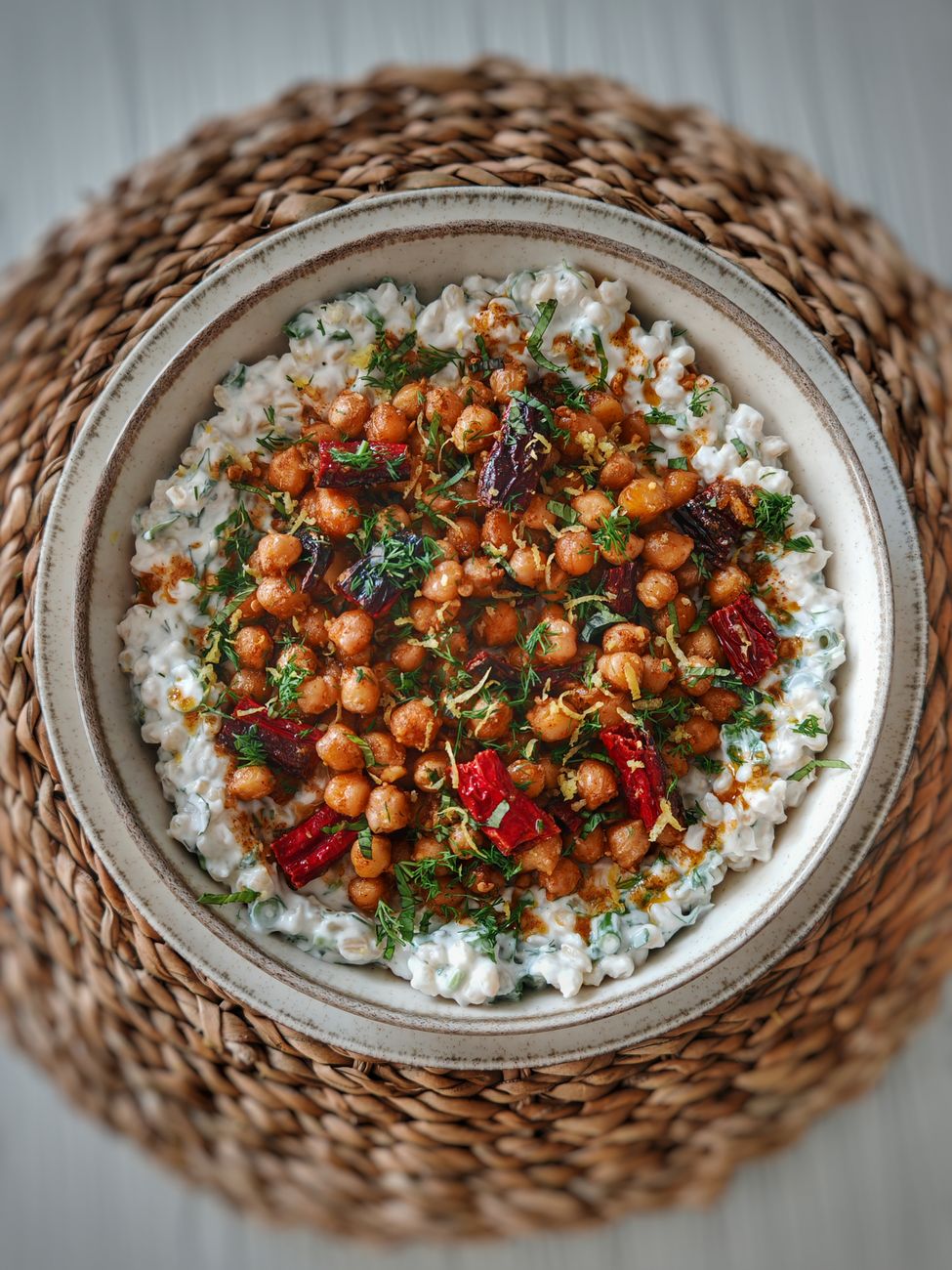
Oct 12, 2026Harissa-Spiced Noodles with Crispy Chickpeas
Hand-pulled or store-bought noodles tossed with harissa-butter sauce, roasted chickpeas, and charred tomatoes. The heat builds gradually through the spiced fat rather than hitting all at once. 40 min · 0 saves.
middle_eastern · inferno
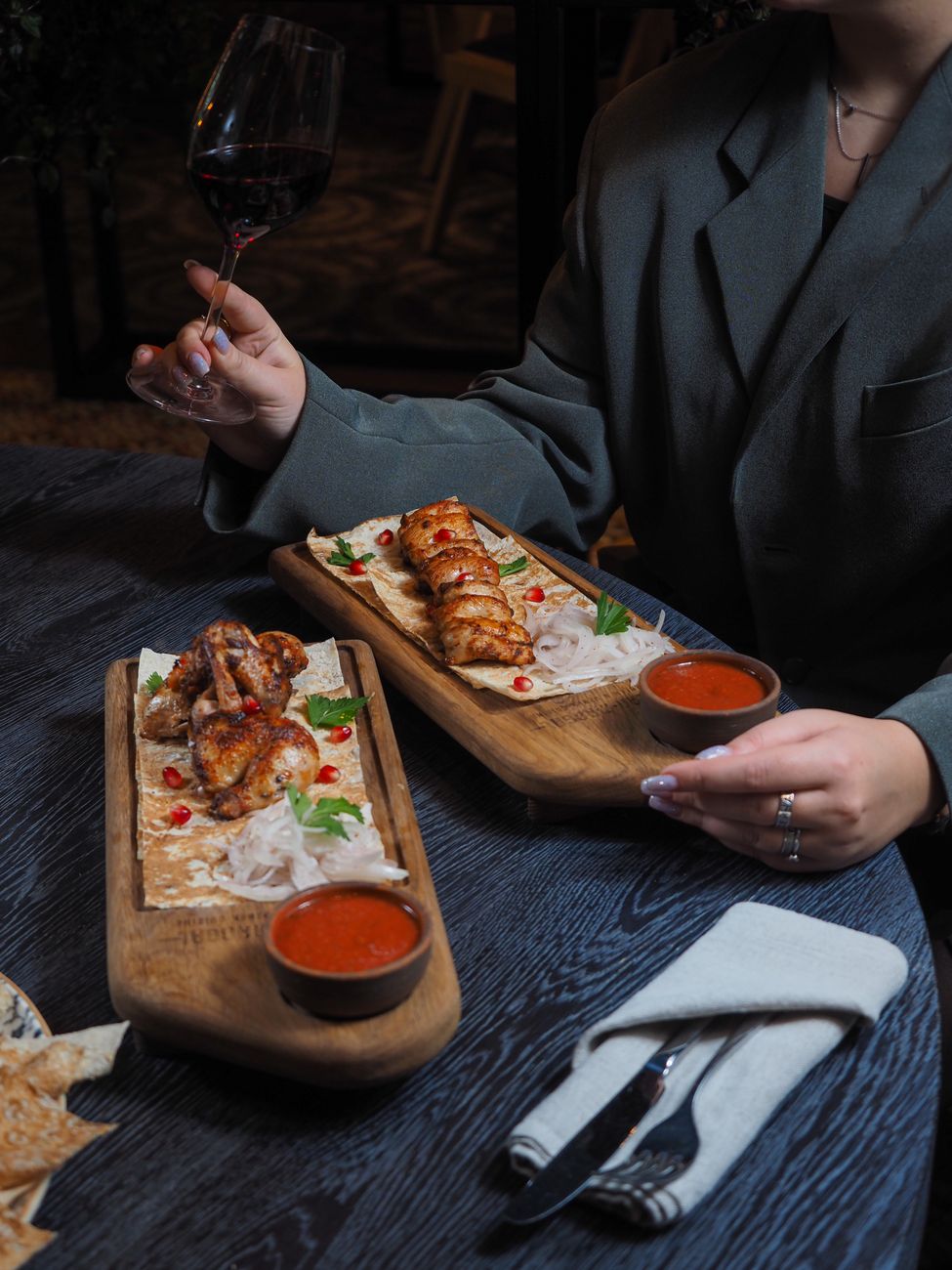
Jun 15, 2026Scorpion Harissa Wings with Pomegranate Glaze
Middle Eastern-spiced chicken wings with an extreme heat harissa marinade featuring Trinidad Scorpion peppers and a tangy pomegranate molasses glaze. 70 min · 0 saves.
middle_eastern · inferno
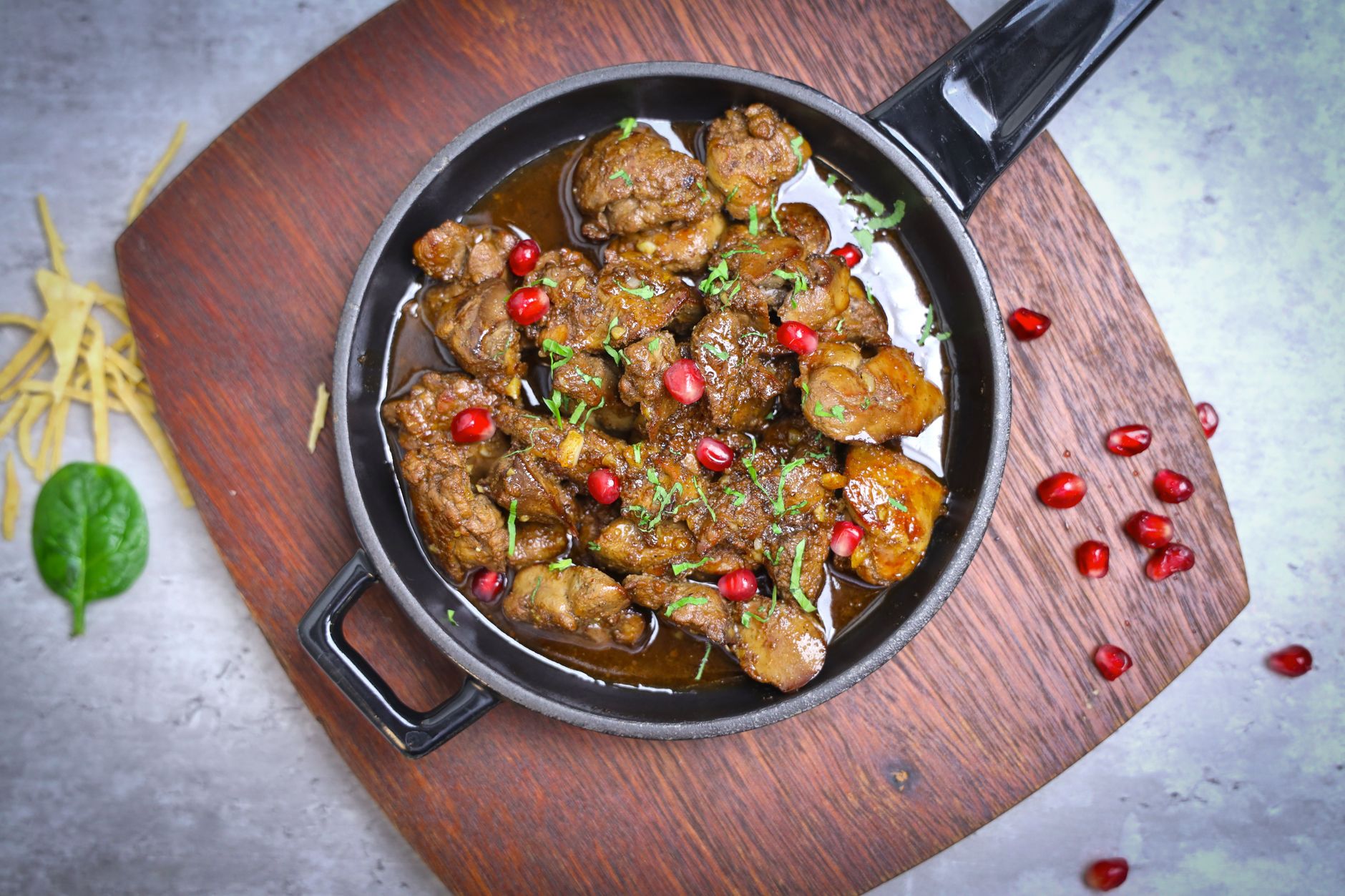
Jun 6, 2026Scorpion Pepper Fesenjan (Persian Pomegranate Walnut Stew)
A treasured Persian fesenjan recipe that pushes the boundaries with Trinidad Scorpion peppers. This rich, glossy stew weaves together ground walnuts and tart pomegranate molasses with chicken that falls apart at the touch of a fork—all while delivering heat that will test even the most dedicated spice lovers. 115 min · 0 saves.
Bottle picks
Related hot sauce reviews.
Explore sauces with related ingredients, flavors, and heat levels.
Fly By Jing Sichuan Gold Review
A citrusy, tingly sauce with real peppercorn presence and enough versatility to move beyond dumplings.
Best for dumplings
Best for: Eggs and breakfast tacos
Skip if: Skip if you want a thick, smoky wing sauce more than a bright finishing bottle.
Read review
Mike's Hot Honey Review
Sweet heat done right: sticky, quick, and versatile enough to become a finishing move instead of a novelty.
Best for gifting
Best for: Pizza and fried chicken
Skip if: Skip if you want a classic vinegar-forward table sauce with almost no sweetness.
Read review
Heatonist Los Calientes Rojo Review
Heatonist Los Calientes Rojo: flavor notes, heat level, and suggested food pairings.
Best for tacos
Best for: Tacos and rice bowls
Skip if: Skip if you are chasing a novelty-level heat hit or a super-special-occasion bottle.
Read review
Go deeper
Background guides that build on this.
Keep reading
More on this subject.
If this post helped, these are the next pieces most likely to keep the thread going.

culture
Jun 15, 2026Four Middle Eastern Heat Styles That Should Be on Your Radar Right Now
From harissa's patient burn to zhug's bright herb-fire, these Middle Eastern heat styles teach us that the best spicy food builds complexity alongside warmth—and they'll change how your family thinks about heat.
culture
May 28, 2026Harissa, Urfa Biber, and Levantine Spice Blends
Get to know North African harissa, Turkish dried peppers, and Levantine chili condiments, with clear distinctions between traditions.
culture
May 17, 2026Beyond Harissa: The Middle Eastern Spice Pastes Heating Up American Kitchens
From Syrian muhammara to Turkish acuka, discover the complex spice pastes that are transforming how home cooks approach Middle Eastern heat and flavor.
Comments
Reader discussion is shared across recipes, reviews, and editorial pieces.
Comments are read-only while member sign-in is paused.