
culture
Beyond Harissa: The Middle Eastern Spice Pastes Heating Up American Kitchens
From Syrian muhammara to Turkish acuka, discover the complex spice pastes that are transforming how home cooks approach Middle Eastern heat and flavor.
Share this
Pass it around
Send this page to a friend, copy the link, or save it to a Pinterest board.

Save for later
Pin this page
Save the image with a link back to this recipe, review, or article.
Beyond Harissa: The Middle Eastern Spice Pastes Heating Up American Kitchens
Harissa has earned its place in our hearts and refrigerators, and rightfully so. This North African chili paste brings the kind of smoky, complex heat that makes everything from weekend scrambled eggs to weeknight roasted vegetables sing a little louder. But here's the thing—harissa is just the beginning.
Across the Middle East, cooks have been building flavor with spice pastes that do something most American hot sauces simply can't: they transform a dish rather than just adding fire to it. These aren't novelty condiments you buy once and forget about. They're the kind of everyday cooking tools that, once you understand them, become as essential as good olive oil or flaky salt.
I've been watching three particular pastes quietly claim space in American kitchens, and for good reason. Each brings something completely different to your cooking, and each deserves a spot in your regular rotation.
Muhammara: Your New Secret Weapon
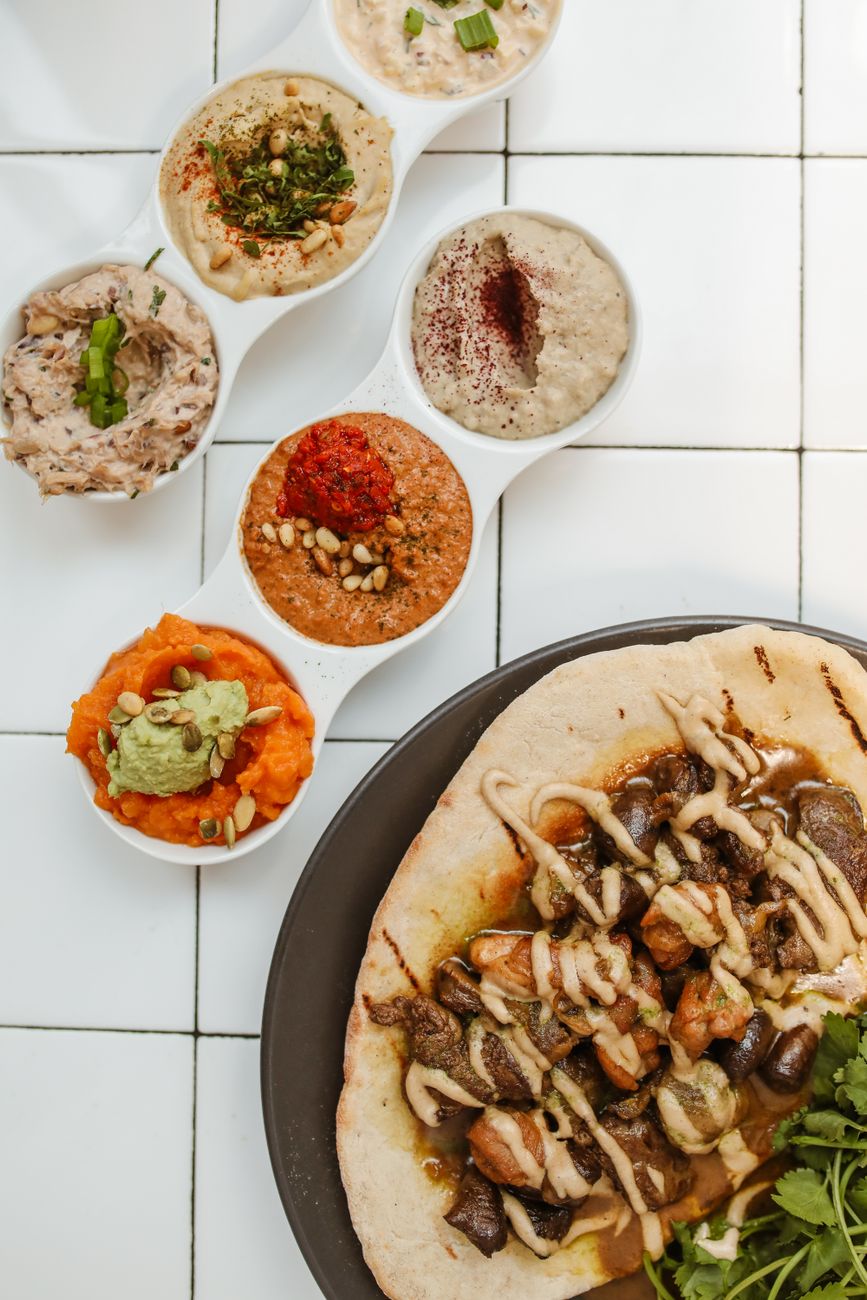
Syrian muhammara might just be the most useful condiment you're not using yet. At its heart, it's roasted red peppers, walnuts, and breadcrumbs bound together with the gentle heat of Aleppo pepper. But that simple description doesn't capture what makes it so special—the way it coats your palate and lingers, creating layers of flavor that unfold as you eat.
The walnut content is what sets muhammara apart from every other pepper-based condiment out there. Those nuts give it richness and staying power, making it work almost like a spicy compound butter when you dollop it onto grilled lamb or stir it through warm pasta. The texture sits somewhere between hummus and pesto—thick enough to spread on bread, loose enough to thin into a proper sauce.
Most versions you'll find in stores lean pleasantly mild, though if you're making it at home, you can easily push the heat level wherever you want it. The pomegranate molasses that shows up in many recipes adds just enough tartness to keep all that walnut richness in check, creating something that works as well with raw vegetables as it does spooned over roasted chicken thighs.
Acuka: Turkey's Answer to Everything
Turkish acuka takes a completely different approach, building its foundation on tomatoes and Turkish red pepper paste rather than fresh peppers. The result is something deeper and more concentrated—jammy, almost caramelized, with the kind of developed pepper flavor that only comes from cooking the paste down until it darkens and intensifies.
What I love about acuka is how it holds up to heat. While muhammara can mellow out during cooking, acuka maintains its character and spice level even when you're braising it with lamb or stirring it into a bubbling pot of beans. The walnuts are there, but they play a supporting role, adding texture without taking over.
The consistency is key here—good acuka should hold its shape on a spoon but spread easily when you want it to. This makes it incredibly versatile:
• Spread it on flatbread before adding cheese or herbs • Stir it into stews during the last few minutes of cooking • Mix it with olive oil as a finishing sauce for grilled fish • Use it as your base for shakshuka-style egg dishes
It's the kind of paste that makes you realize how many dishes could benefit from that deep, complex pepper flavor.
Zhug: The Bright, Bold Disruptor
Yemeni zhug brings completely different energy to your kitchen. While muhammara and acuka build their heat around cooked or dried peppers, zhug is all about fresh green chilies—usually serranos or jalapeños—blended with enough fresh cilantro and parsley to make it look more like pesto than hot sauce.
This is aggressive, wake-up-your-palate heat, the kind that cuts through rich foods and makes you pay attention. Garlic, cardamom, and cumin add complexity without dulling that essential brightness, creating something that functions as much like an herb sauce as a spicy condiment.
Zhug excels at cutting through fatty, rich dishes—think grilled lamb, fried halloumi, or creamy labneh—in ways that the nuttier, mellower pastes simply can't. The trade-off is shelf life; all those fresh herbs mean zhug loses its potency after a week or two in the fridge, unlike its longer-lasting cousins.
Actually Cooking With These Pastes
Here's where most people get it wrong: these aren't table condiments. They're not meant to be squirted onto finished plates like sriracha or Tabasco. They're cooking ingredients that work best when incorporated during the actual preparation of food.
Muhammara transforms when stirred into hot pasta or warm grain salads, allowing those walnut oils to distribute throughout the dish. It also makes an excellent marinade base for chicken or lamb when thinned with olive oil and lemon juice—let the meat sit with it for a few hours and watch what happens on the grill.
Acuka's jammy consistency makes it perfect for braises and slow-cooked dishes. Add a generous spoonful to white bean stews or vegetable tagines during the last 15 minutes of cooking. The paste breaks down just enough to distribute its heat and depth throughout the dish without losing its character.
Zhug works best fresh, spooned onto finished dishes where its brightness can really shine. It transforms simple grilled vegetables, cuts through rich dips and spreads, and provides the kind of fresh heat that makes leftover grain bowls actually exciting to eat.
Finding the Good Stuff
Most Middle Eastern markets carry at least one or two of these pastes, usually in small containers in the refrigerated section. Quality varies dramatically, and you can usually tell the good versions just by looking at them.
For muhammara, you want to see actual pieces of walnuts and breadcrumbs, not a perfectly smooth puree. If it looks too uniform or oily, it's probably been over-processed or stretched with too much oil.
Good acuka should be thick enough to hold its shape but spreadable—think good tomato paste rather than ketchup. The color should be deep and rich, not bright red.
Fresh zhug should look chunky and herb-heavy, more like rough pesto than smooth sauce. You should be able to identify individual pieces of cilantro and parsley.
These three pastes represent something important about Middle Eastern cooking—the idea that heat and flavor should work together, each making the other more interesting. They're not about showing off or testing your spice tolerance. They're about building the kind of complex, layered flavors that make everyday cooking feel a little more special.
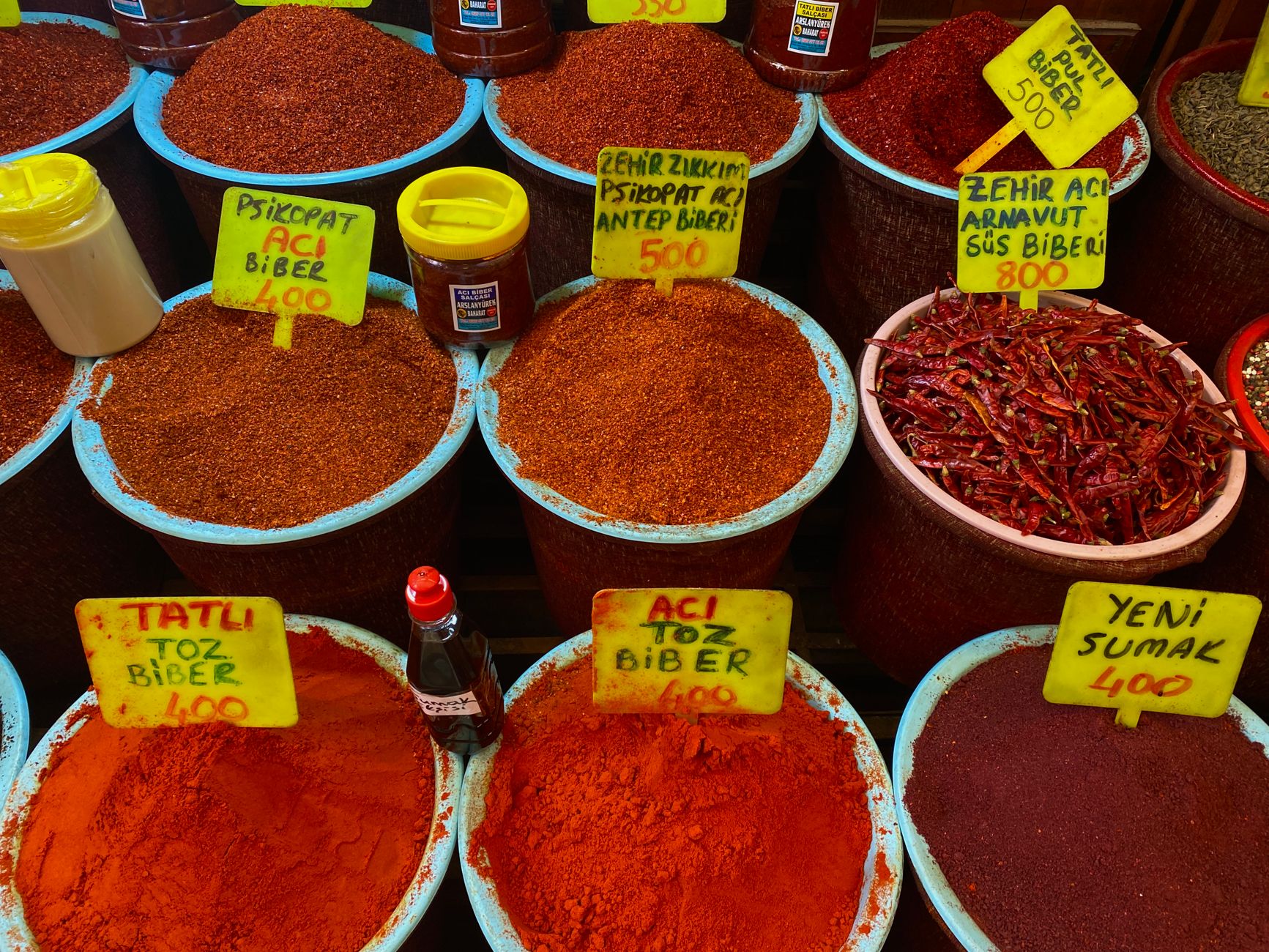
Peppers featured in this post
Cook with this idea
Recipes to try next.
Put these ingredients and techniques to use in your next meal.
middle_eastern · hot
Oct 12, 2026Harissa-Spiced Noodles with Crispy Chickpeas
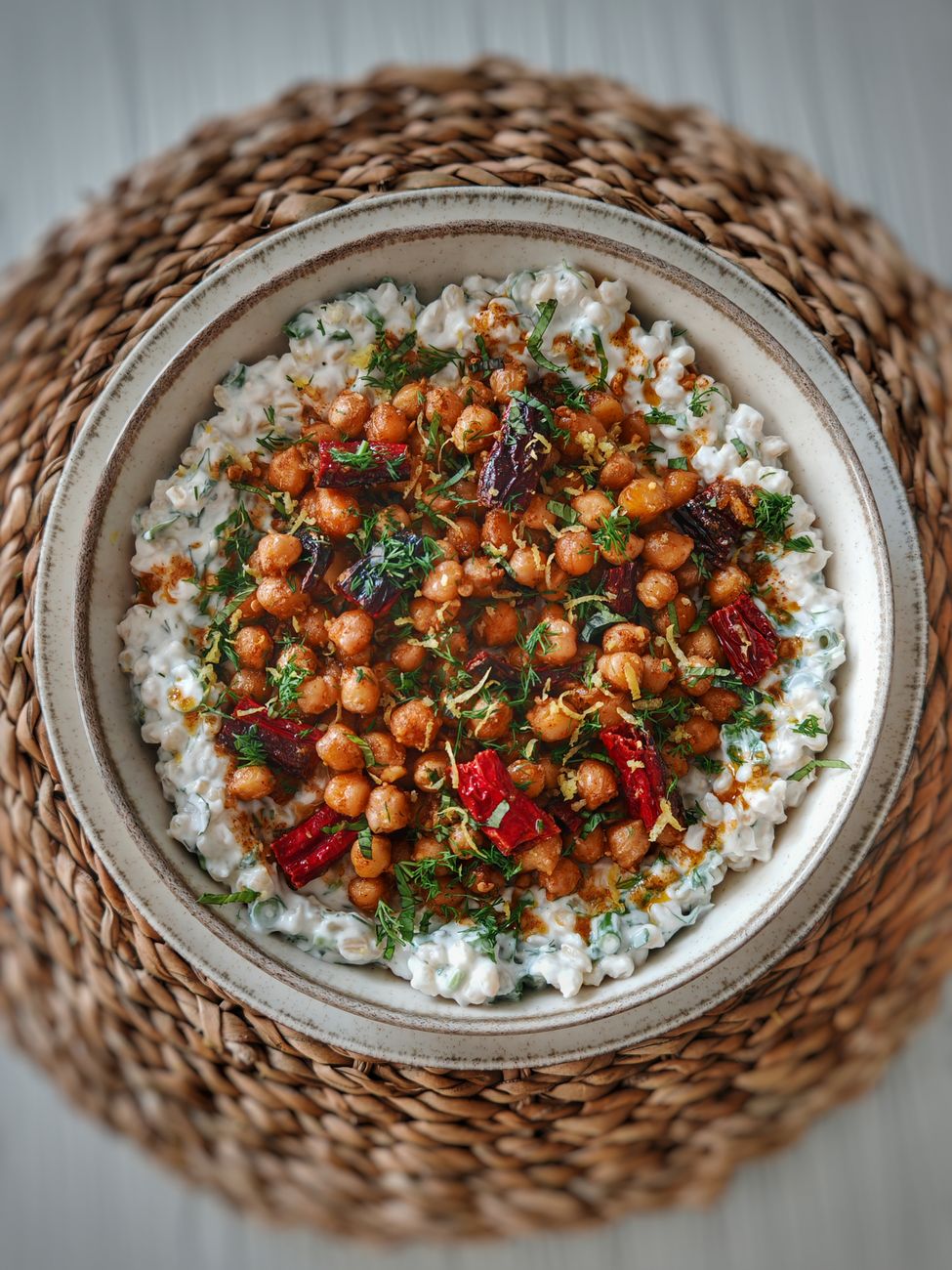
Hand-pulled or store-bought noodles tossed with harissa-butter sauce, roasted chickpeas, and charred tomatoes. The heat builds gradually through the spiced fat rather than hitting all at once. 40 min · 0 saves.
middle_eastern · inferno
Jun 15, 2026Scorpion Harissa Wings with Pomegranate Glaze
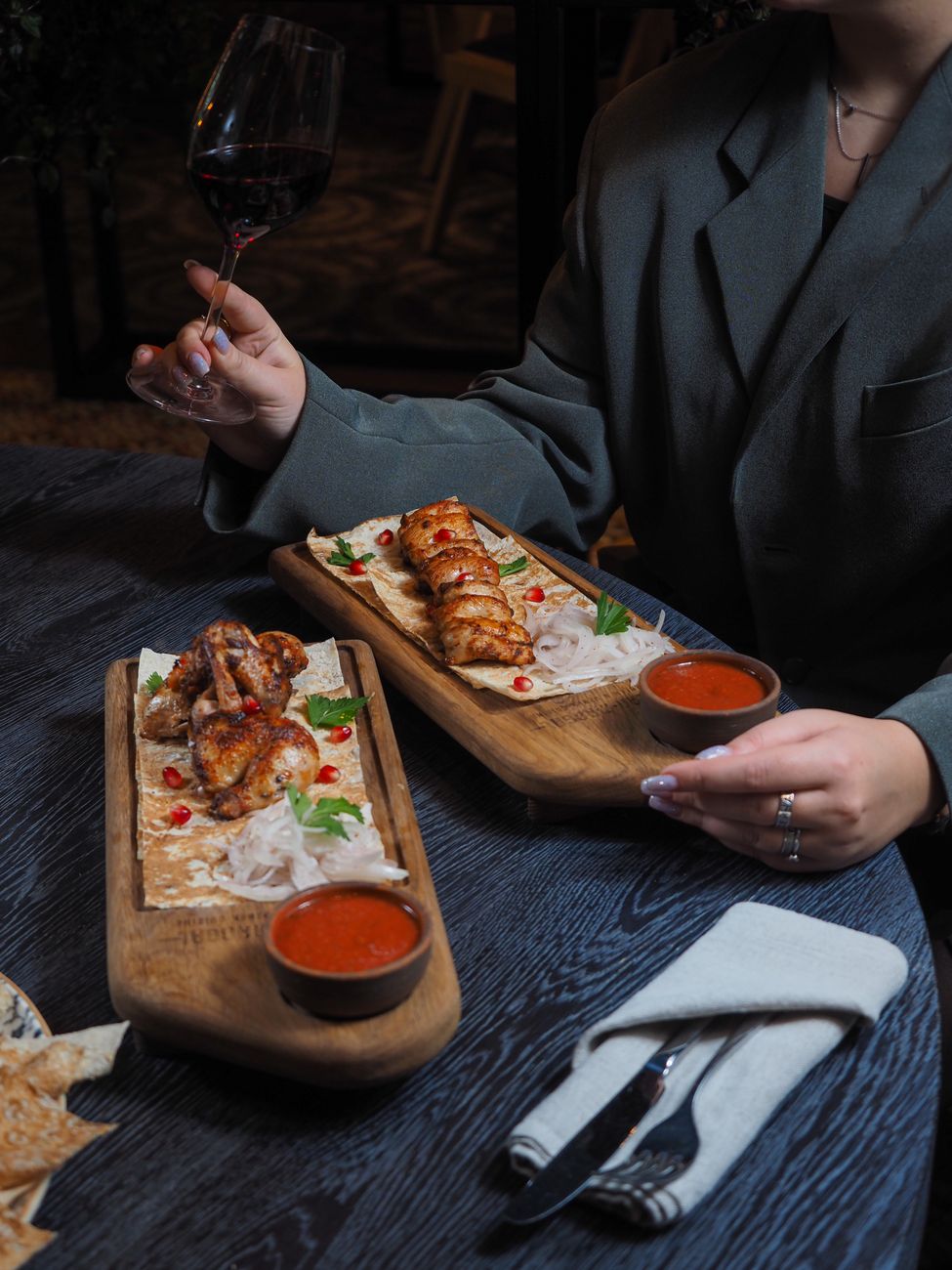
Middle Eastern-spiced chicken wings with an extreme heat harissa marinade featuring Trinidad Scorpion peppers and a tangy pomegranate molasses glaze. 70 min · 0 saves.
middle_eastern · inferno
Jun 6, 2026Scorpion Pepper Fesenjan (Persian Pomegranate Walnut Stew)
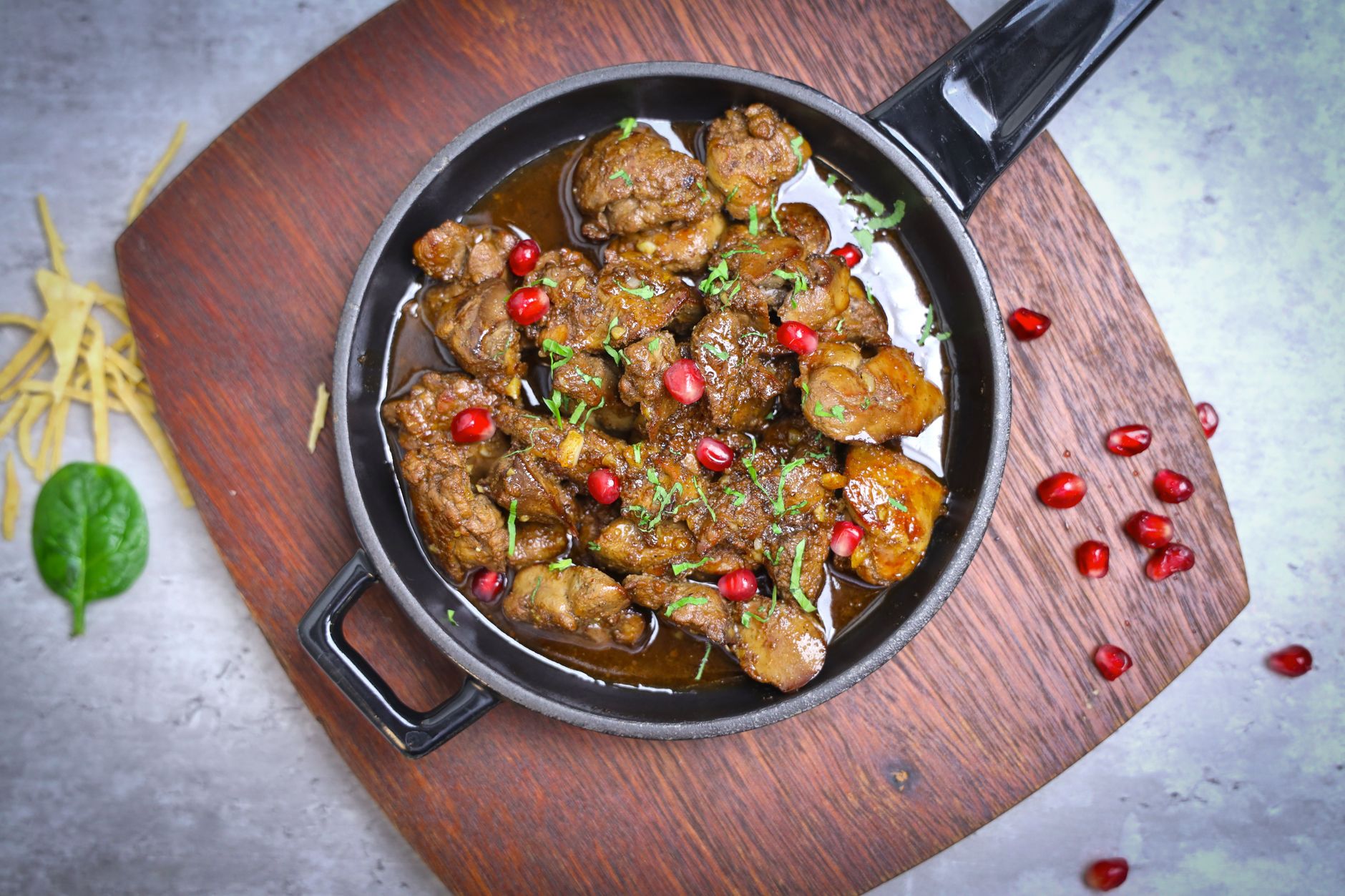
A treasured Persian fesenjan recipe that pushes the boundaries with Trinidad Scorpion peppers. This rich, glossy stew weaves together ground walnuts and tart pomegranate molasses with chicken that falls apart at the touch of a fork—all while delivering heat that will test even the most dedicated spice lovers. 115 min · 0 saves.
Bottle picks
Related hot sauce reviews.
Explore sauces with related ingredients, flavors, and heat levels.
Fly By Jing Sichuan Gold Review
A citrusy, tingly sauce with real peppercorn presence and enough versatility to move beyond dumplings.
Best for dumplings
Best for: Eggs and breakfast tacos
Skip if: Skip if you want a thick, smoky wing sauce more than a bright finishing bottle.
Read review
Mike's Hot Honey Review
Sweet heat done right: sticky, quick, and versatile enough to become a finishing move instead of a novelty.
Best for gifting
Best for: Pizza and fried chicken
Skip if: Skip if you want a classic vinegar-forward table sauce with almost no sweetness.
Read review
Heatonist Los Calientes Rojo Review
Heatonist Los Calientes Rojo: flavor notes, heat level, and suggested food pairings.
Best for tacos
Best for: Tacos and rice bowls
Skip if: Skip if you are chasing a novelty-level heat hit or a super-special-occasion bottle.
Read review
Go deeper
Background guides that build on this.
Keep reading
More on this subject.
If this post helped, these are the next pieces most likely to keep the thread going.

culture
Jun 15, 2026Four Middle Eastern Heat Styles That Should Be on Your Radar Right Now
From harissa's patient burn to zhug's bright herb-fire, these Middle Eastern heat styles teach us that the best spicy food builds complexity alongside warmth—and they'll change how your family thinks about heat.
culture
May 28, 2026Harissa, Urfa Biber, and Levantine Spice Blends
Get to know North African harissa, Turkish dried peppers, and Levantine chili condiments, with clear distinctions between traditions.
culture
May 19, 2026Beyond Harissa: Middle Eastern Spice Heat That's Capturing Home Kitchens
From Turkish pul biber to Palestinian zhug, discover the complex spicy flavors of Middle Eastern cooking that go far beyond the harissa most home cooks know—these are the heat sources that will change how you think about spice.
Comments
Reader discussion is shared across recipes, reviews, and editorial pieces.
Comments are read-only while member sign-in is paused.