
culture
Spicy Italian Cooking Right Now: What's Driving the Heat
Calabrian chilis and peperoncini are reshaping how Italian cooks approach heat. Learn which peppers matter, how they're used across Southern Italy, and how to choose between whole, powdered, fresh, and oil-packed forms.

Share this
Pass it around
Send this page to a friend, copy the link, or save it to a Pinterest board.

Save for later
Pin this page
Save the image with a link back to this recipe, review, or article.
Spicy Italian cooking has a clearer voice now. For decades, the assumption lingered that Italian food was mild—a persistent misreading of Northern European preferences over Southern Italian tradition. Calabrian chilis, peperoncini, and the regional techniques built around them were always there. What's changed is that they're easier to find outside Italy, easier to name, and easier to cook with intentionally.
Calabrian Chilis: Fruitiness Built Into Heat
Calabrian chilis are small, wrinkled peppers from Calabria, Italy's southernmost region. The peppers themselves are moderately hot, but their reputation rests on something more useful: they taste like something. Unlike generic red pepper flakes, Calabrian chilis carry fruitiness, a subtle sweetness, and enough depth that they work as a finishing ingredient rather than just a heat bomb.
Their thin walls mean they dry and preserve easily, which is why you'll find them in multiple forms: whole dried peppers, ground into powder, or softened into 'nduja—a spreadable chili paste that reads more like a condiment than a raw ingredient. The paste version is what many cooks now keep on hand: a spoonful stirred into white beans, crumbled over soft cheese, folded into pasta at the last moment, or spread on bread with good olive oil.
When buying Calabrian products, the origin matters. Some jars contain genuine peppers grown and processed in Calabria; others use the name while sourcing peppers elsewhere. A label that lists both the origin and an Italian producer you can trace is a useful signal. This isn't snobbery—it's the difference between a distinctive ingredient and a commodity with a name.
Peperoncini: The Cooking Pepper
Fresh or pickled peperoncini are small, pointed red or green chilis that appear constantly in Southern Italian cooking. Unlike Calabrian chilis, which often finish a dish, peperoncini function as a working ingredient. You slice them into pasta sauces, simmer them with beans, add them whole to braises. The heat level shifts noticeably between individual peppers and varieties, so tasting as you go matters more than any fixed measurement.
Green peperoncini tend to be sharper and thinner-skinned; red ones are sweeter and slightly meatier. When you add them early in cooking, the heat mellows and mingles with other flavors. Add them at the end, and the sharpness stays distinct. This timing flexibility is what makes them so useful in everyday cooking.
Many cooks prefer buying fresh peperoncini when they're in season—at farmers markets or specialty grocers—since you control the heat level directly and the flavor is brighter. Pickled versions offer year-round convenience and work well in dishes where the brine adds acidity alongside the heat.
Heat as a Layering Decision
What's shifting in how spicy Italian dishes are built is a move away from heat as an afterthought toward heat as an integrated ingredient. This shows up in pasta all'amatriciana made with guanciale and whole peperoncini that soften into the tomato sauce rather than sitting as garnish. It appears in beans cooked until creamy with crushed red pepper added early, so the heat becomes part of the flavor rather than landing on top. Even in cacio e pepe, some cooks now fold a pinch of Calabrian chili powder into the cheese and pepper mixture.
The technique that supports this is simple: add heat early if you want it to meld with other flavors; add it late if you want sharpness. Most cooks working with these peppers taste constantly, which means they can stop before the dish tips into one-note territory.
Regional preference shapes this too. Calabrian cooking leans harder into chili heat than Tuscan or Northern Italian cooking does, so a pasta from Calabria naturally carries more pepper than one from Rome. This isn't hierarchy—it's knowing what to expect and what's driving the recipe.
Buying and Storing: Which Form for What
Whole dried peppers give you the most control. You can remove seeds to lower the heat, add whole peppers to a dish and fish them out later, or crush them as needed. They keep for months in a cool, dry place.
Powdered Calabrian chili dissolves into sauces and is easier to portion than whole peppers. The drawback: flavor fades faster once the jar is opened.
Oil-packed chili paste ('nduja or similar) is the most direct option if you want finished flavor and heat in one ingredient. Store opened jars in the refrigerator and use within a few weeks; the oil protects the chili but doesn't preserve it indefinitely.
Fresh peperoncini from a farmers market offer the brightest flavor and the most control over heat. Refrigerate them in a paper bag and use within a week.
Pickled peperoncini keep longer and are stable at room temperature before opening. Once opened, refrigerate and use within a month.
When buying imported products, specificity on the label helps. "Hot peppers in oil" tells you almost nothing. A label that names the pepper type, specifies the region, and identifies the processor gives you a real way to track what you're choosing.
Why This Conversation Matters Now
Spicy Italian cooking isn't new—it's been central to Southern Italian tables for centuries. What's changed is access and intentionality. Calabrian chilis and peperoncini are easier to find outside Italy than they were a decade ago, and more home cooks are reaching for them as a deliberate choice rather than treating heat as an accident. This clarity—understanding which peppers carry which flavors, how timing shapes their use, where they come from—makes it easier to cook with them on purpose, not just to turn up the temperature.
Peppers featured in this post
Cook with this idea
Recipes to try next.
Put these ingredients and techniques to use in your next meal.
italian · hot
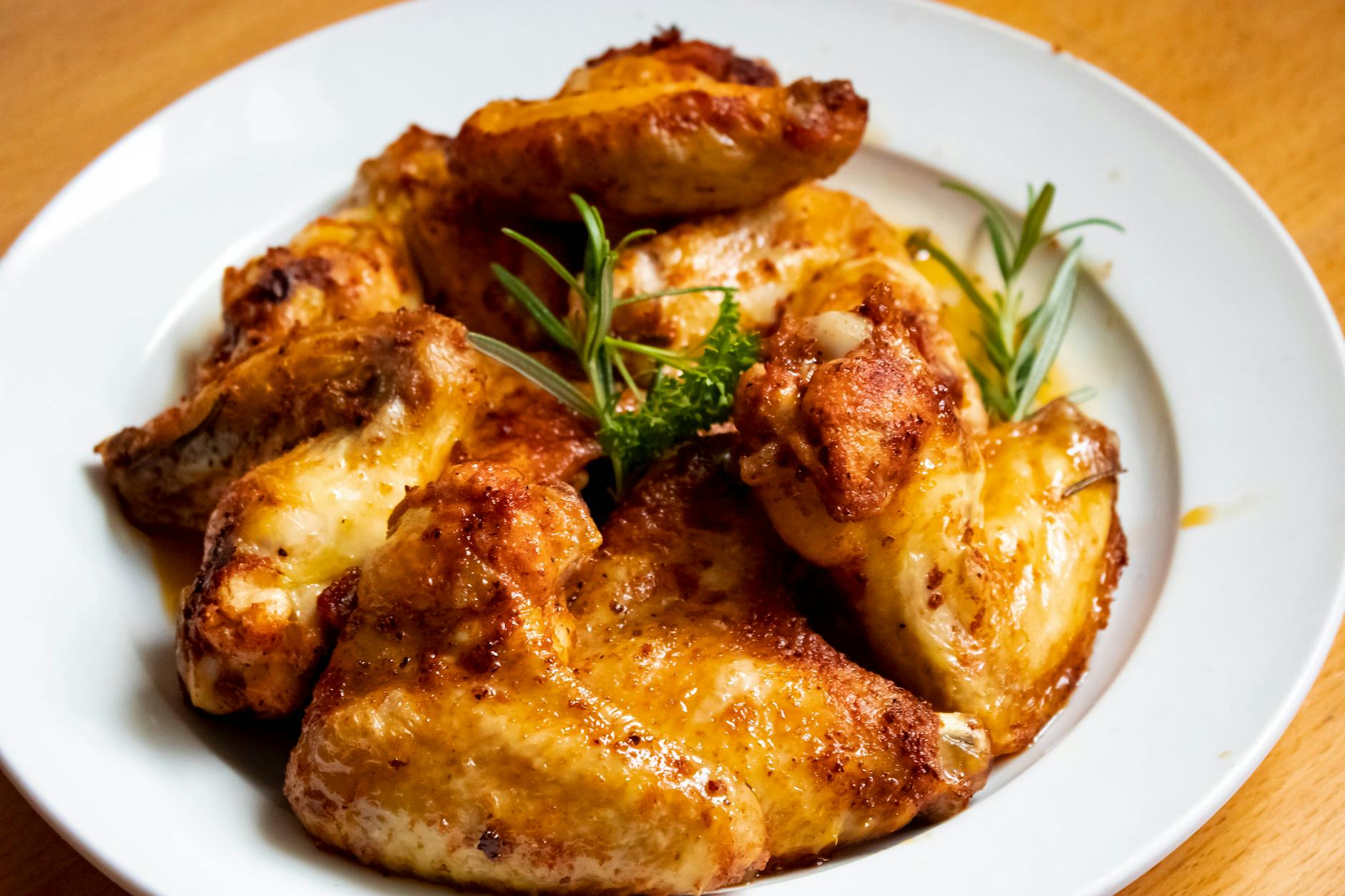
May 15, 2026Calabrian Chile Wings with Spicy Honey Glaze
Chicken wings tossed in a fiery Calabrian chile paste and finished with hot honey for the kind of heat that builds beautifully with each bite. 60 min · 0 saves.
italian · hot
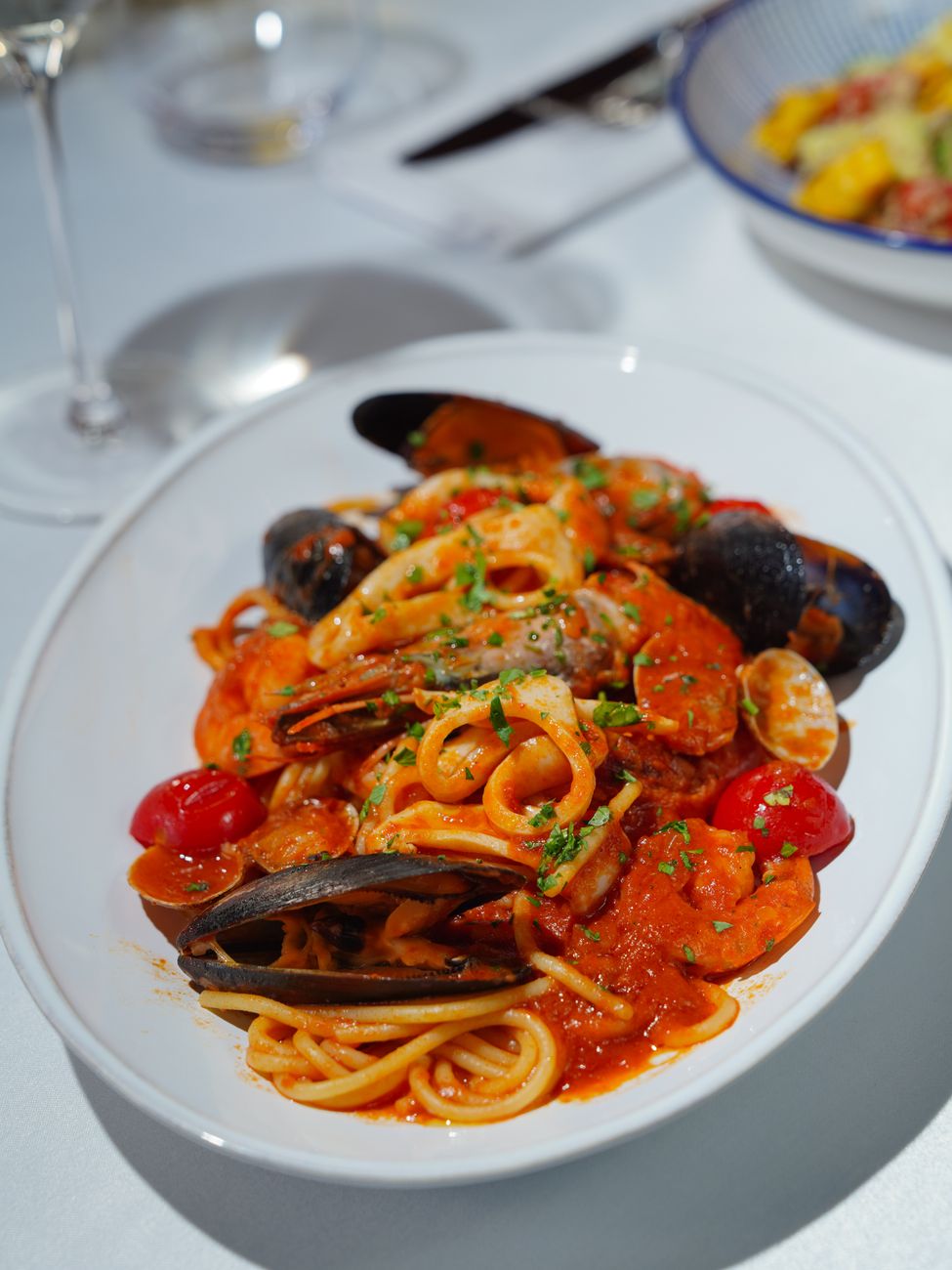
Apr 24, 2026Linguine all'Arrabbiata Diavola with Mussels
This fiery southern Italian pasta takes the beloved arrabbiata and turns up the heat with habaneros and sweet, briny mussels—a dish that brings bold flavors and genuine warmth to your table. 45 min · 0 saves.
italian · inferno
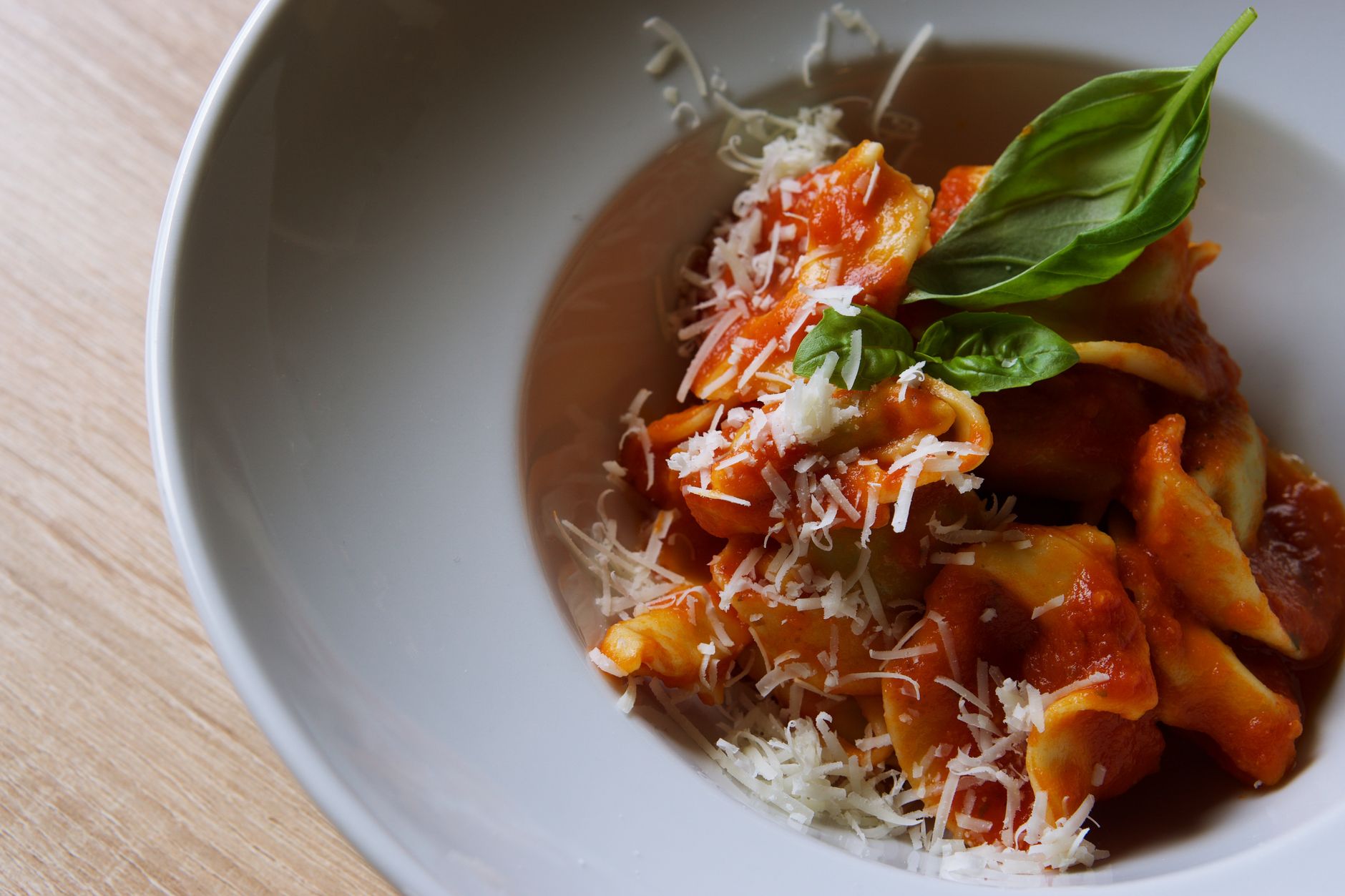
Jun 14, 2026Pasta all'Arrabbiata Infernale with Carolina Reaper
A blistering take on Rome's classic angry pasta, using Carolina Reaper chilis to transform this beloved dish into something truly fearsome while keeping the clean, bright tomato flavors that make arrabbiata so irresistible. 40 min · 0 saves.
Bottle picks
Related hot sauce reviews.
Explore sauces with related ingredients, flavors, and heat levels.
Yellowbird Habanero Hot Sauce Review
A bright, carrot-forward bottle with enough heat to stay lively and enough sweetness to stay versatile.
Best for tacos
Best for: Tacos and rice bowls
Skip if: Skip if you want a classic vinegar-forward table sauce with almost no sweetness.
Read review
Hot Ones Lineup Collection Review
A curated shelf-builder for tasting nights, gifts, and anyone who wants to compare heat styles side by side.
Best for gifting
Best for: Sauce subscription
Skip if: Skip if you need one exact everyday bottle instead of a discovery-style gift.
Read review
Fly By Jing Sichuan Gold Review
A citrusy, tingly sauce with real peppercorn presence and enough versatility to move beyond dumplings.
Best for dumplings
Best for: Eggs and breakfast tacos
Skip if: Skip if you want a thick, smoky wing sauce more than a bright finishing bottle.
Read review
Go deeper
Background guides that build on this.
Keep reading
More on this subject.
If this post helped, these are the next pieces most likely to keep the thread going.
culture
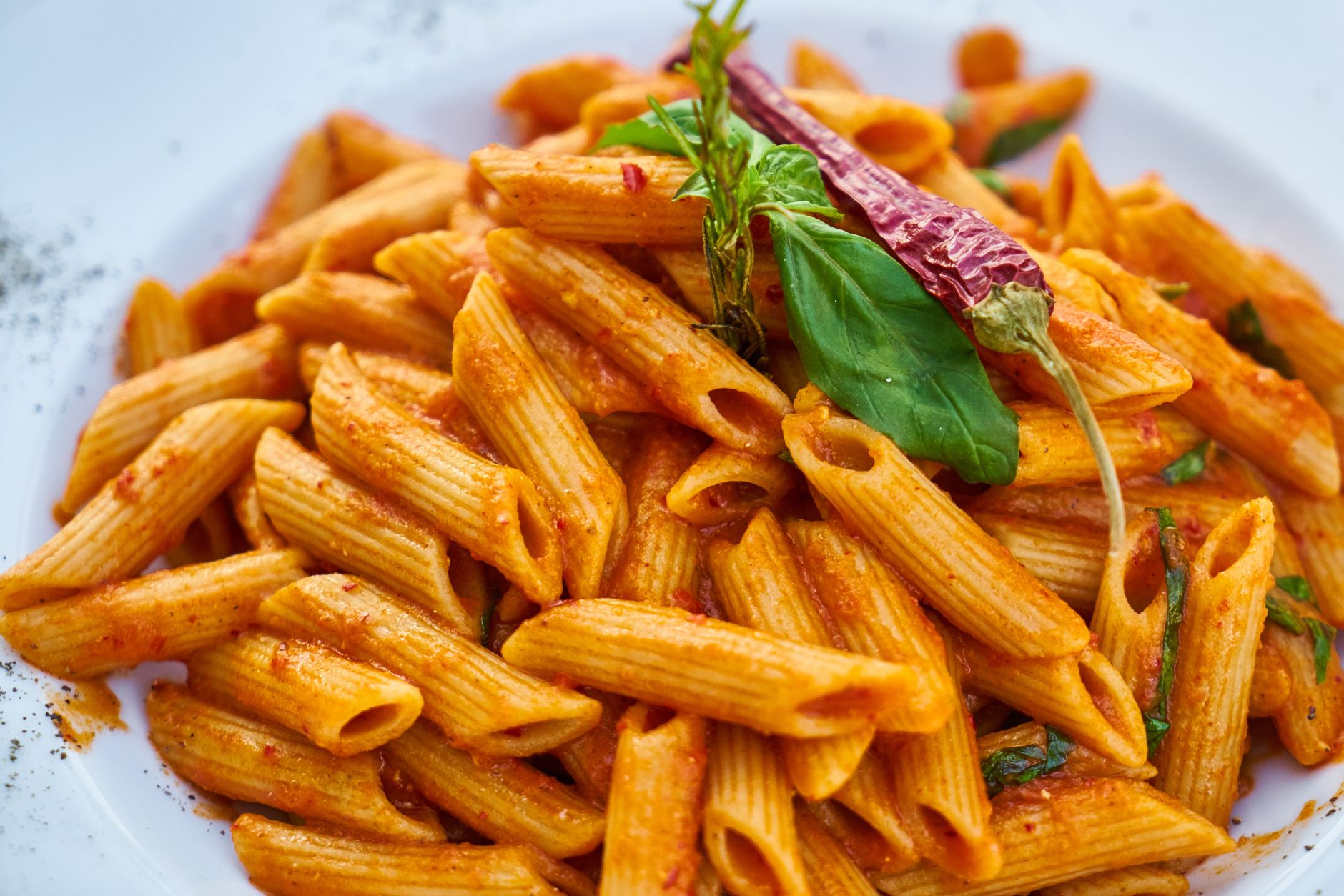
Jun 3, 2026Italy's Spiciest Regional Dishes Are Having a Moment—And We're Here for It
The best spicy Italian dishes understand something most American cooking misses: heat should enhance flavor, not overpower it. From Calabrian 'nduja that melts into silky pasta sauces to properly fiery Roman arrabbiata, these regional classics are finally getting their due in our kitchens.

culture
Oct 6, 2026What Makes Malaysian Spicy Food So Craveable Right Now
Malaysian spicy cooking balances heat with coconut, tamarind, and layered spices. Laksa, sambal, and rendang solve the problem of making chili taste good—not just hot. Learn the techniques that make these dishes work and how to cook them at home.

culture
Jun 14, 2026The Fiery Side of Vietnamese Comfort: Spicy Dishes That Define a New Generation
There's a whole world of Vietnamese cooking that goes way beyond pho—dishes that'll warm you from the inside out. From the imperial heat of bún bò Huế to the communal fire of spicy hot pot, these are the comfort foods that Vietnamese families have been passing down for generations.
Comments
Reader discussion is shared across recipes, reviews, and editorial pieces.
Comments are read-only while member sign-in is paused.