
culture
What Makes Malaysian Spicy Food So Craveable Right Now
Malaysian spicy cooking balances heat with coconut, tamarind, and layered spices. Laksa, sambal, and rendang solve the problem of making chili taste good—not just hot. Learn the techniques that make these dishes work and how to cook them at home.

Share this
Pass it around
Send this page to a friend, copy the link, or save it to a Pinterest board.

Save for later
Pin this page
Save the image with a link back to this recipe, review, or article.
Malaysian spicy food has moved into home kitchens because it answers a real question: how do you make heat taste good? A bowl of laksa isn't hot for heat's sake. The chili paste, coconut milk, and tamarind create a broth you want another spoonful of even as your mouth burns. That balance is the point.
Malaysian cooking uses chilies the way other cuisines use salt—as a base seasoning, not an afterthought. Understanding a few core techniques explains why these dishes work and how to build them at home.
Laksa: Heat Held by Coconut and Acid
Laksa appears in two distinct styles. Assam laksa, from Penang, uses fish stock, tamarind, and dried chilies to build a broth that's tart, spicy, and lean. Coconut laksa, more common elsewhere in Malaysia, relies on coconut milk to carry chili heat while adding richness that makes the spice feel less sharp.
Technique matters. A proper laksa paste starts with fresh chilies—usually a mix of red chilies and bird's-eye chilies for varying intensity—ground with shallots, garlic, galangal, and sometimes shrimp paste. This paste is fried in oil before the stock or coconut milk goes in. Frying the paste first lets the chili compounds soften and distribute evenly through the broth, rather than staying sharp and one-dimensional.
The finished laksa carries noodles (usually rice vermicelli or egg noodles) and protein like fish cakes, shrimp, or chicken. Toppings—bean sprouts, cucumber, hard-boiled eggs, fried shallots—add texture and mild flavors that give your palate a rest. A squeeze of lime at the end brightens everything and cuts through the richness. Laksa tastes noticeably better with citrus than without it.
Assam laksa's tartness comes from tamarind paste, which adds sour notes that actually sharpen the chili heat and make it taste more defined. If you prefer gentler spice, coconut laksa's fat content mutes the chili bite and makes the dish feel more forgiving.
Sambal: Pepper as Condiment and Cooking Base
Sambal is any chili-based paste, but the versions worth seeking out contain no filler. A good sambal might be just chilies, garlic, shallots, salt, and lime juice—or add dried shrimp, fish sauce, or roasted peanuts depending on regional style. What matters is that sambal tastes intentional and balanced, not like someone threw chilies in a blender.
Malaysian cooks use sambal two ways: spooned onto rice and alongside grilled fish as a condiment, and cooked into dishes like sambal prawns or sambal eggs. When sambal is cooked into a dish, the heat mellows slightly because the fat in the oil carries the flavor more evenly than raw chili would. The sharpness softens into warmth.
Sambal oelek is the most common version in Western markets—a straightforward blend of red chilies, salt, and garlic. Sambal belacan, which includes shrimp paste fermented with salt, is funkier and more intense. Sambal matah, made with raw ingredients, stays bright and sharp because it's never cooked. Each style serves a purpose. If you're buying sambal, the ingredient list should be short and readable. Anything with added sugar or mysterious thickeners is being stretched.
Rendang: Slow Cooking Concentrates Heat and Spice
Rendang is a technique as much as a dish. Meat (usually beef, chicken, or duck) is simmered in coconut milk seasoned with a chili and spice paste until the liquid reduces almost completely and the meat absorbs all the flavor. The process takes 45 minutes to over an hour, depending on the cut and how concentrated you want the sauce.
What happens during cooking is crucial: as the coconut milk reduces, the chilies and spices become more concentrated. The oil in the coconut milk carries chili compounds throughout the meat. By the end, the meat is coated in a thick, almost jammy paste that clings to every piece.
Rendang's heat is complex because it comes from multiple sources. Fresh red chilies provide immediate heat. Dried chilies add depth. Spices like cumin, coriander, and turmeric layer in warmth and earthiness that make the chili feel less isolated. The long cooking time lets these flavors marry, so the finished dish tastes integrated rather than spicy-plus-other-flavors.
The meat matters. Tougher cuts benefit from the long cooking time and any acid in the tamarind or lime sometimes included. Chicken rendang cooks faster and requires attention to avoid drying out. Some cooks add a little sugar (a teaspoon in a large batch) to balance the heat and salt, though this is optional and depends on your taste.
Buying and Making Spice Pastes
Fresh chili pastes taste sharper and more alive than shelf-stable versions, but they require either homemade work or access to a market that sells them fresh. If you're making laksa or rendang at home, grinding your own paste from whole chilies, garlic, shallots, and aromatics takes 10 minutes with a food processor and delivers noticeably better results than paste that's been sitting in a jar.
If you're buying prepared pastes, look for brands that list chili, garlic, and salt as the main ingredients—not oil, thickeners, or added flavors. Malaysian and Southeast Asian grocers often stock multiple sambal brands; trying a few will show you the range. Sambal that tastes sharp and focused is usually better than sambal that tastes muddy or one-note.
Fresh chilies for grinding should be firm; wrinkled skin is fine and indicates ripeness. Red chilies are generally milder than green ones. Bird's-eye chilies, small and intensely hot, are worth using if you can find them because their flavor is distinctive—not just heat but a slightly fruity, clean bite.
Adjusting Heat to Your Table
Malaysian spicy food isn't inherently intolerable. Most dishes build heat gradually, and the presence of coconut milk, noodles, or rice gives your palate something to rest on between bites.
If a recipe feels too hot, reduce the chilies, not the technique. Use fewer whole chilies in the paste, or swap some of the fresh chilies with milder pepper varieties. Adding more coconut milk to laksa or rendang stretches the spice and makes it feel less concentrated. A squeeze of lime or a bit of sugar can also soften the perception of heat without erasing it.
If you want more heat, add extra fresh chilies to the paste or serve sambal on the side so you control the intensity of each spoonful.
Cook with this idea
Recipes to try next.
Put these ingredients and techniques to use in your next meal.
other · hot
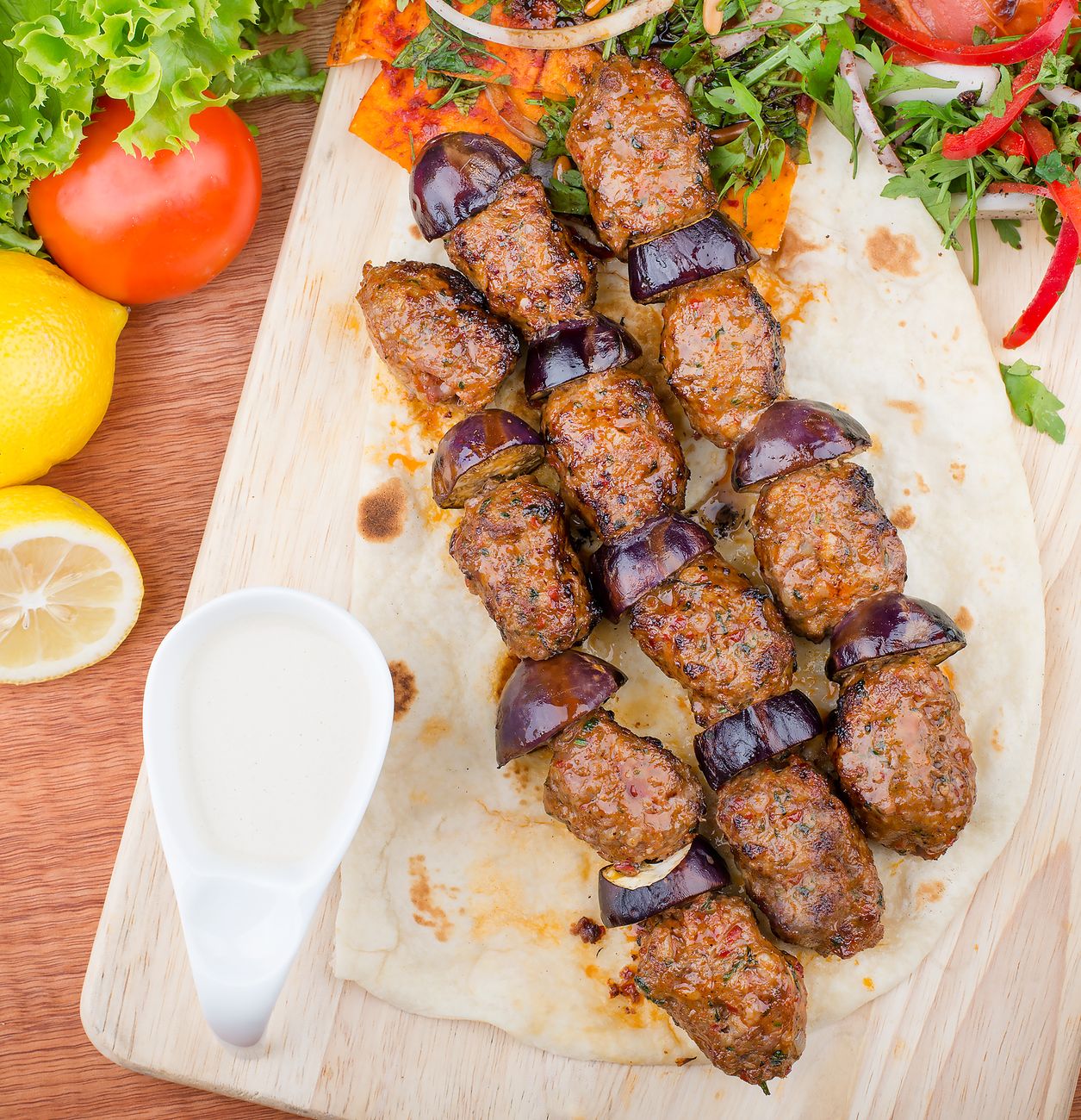
Sep 7, 2026Adana Kebab with Charred Chilli and Sumac
Ground lamb pressed onto flat metal skewers and grilled hard over flame until blackened and crackling on the outside, tender and juicy within. This Turkish street classic gets its serious kick from fresh red chilli ground into the meat and dried Aleppo chilli that brings warmth and fruity depth. The grill is non-negotiable—charcoal or gas flame gives you the char and smoke that makes this dish sing. 32 min · 0 saves.

other · hot
Jun 8, 2026Moqueca de Camarão with Malagueta Fire
Brazilian coconut shrimp stew spiked with fresh malagueta and habanero peppers for serious heat 35 min · 0 saves.

other · hot
May 16, 2026Nigerian Scotch Bonnet Noodle Stir-Fry with Palm Oil
A beautiful collision of flavors where Nigerian heat meets Chinese noodles—scotch bonnet peppers aren't here for decoration, they're bringing genuine fire that builds with each satisfying bite. 35 min · 0 saves.
Bottle picks
Related hot sauce reviews.
Explore sauces with related ingredients, flavors, and heat levels.
Yellowbird Habanero Hot Sauce Review
A bright, carrot-forward bottle with enough heat to stay lively and enough sweetness to stay versatile.
Best for tacos
Best for: Tacos and rice bowls
Skip if: Skip if you want a classic vinegar-forward table sauce with almost no sweetness.
Read review
Queen Majesty Scotch Bonnet and Ginger Review
A bright, elegant sauce that leans on fruit, ginger, and Scotch bonnet lift instead of brute force.
Best for seafood
Best for: Seafood and fish tacos
Skip if: Skip if you want a thick, smoky wing sauce more than a bright finishing bottle.
Read review
Fly By Jing Sichuan Gold Review
A citrusy, tingly sauce with real peppercorn presence and enough versatility to move beyond dumplings.
Best for dumplings
Best for: Eggs and breakfast tacos
Skip if: Skip if you want a thick, smoky wing sauce more than a bright finishing bottle.
Read review
Go deeper
Background guides that build on this.
Keep reading
More on this subject.
If this post helped, these are the next pieces most likely to keep the thread going.
culture
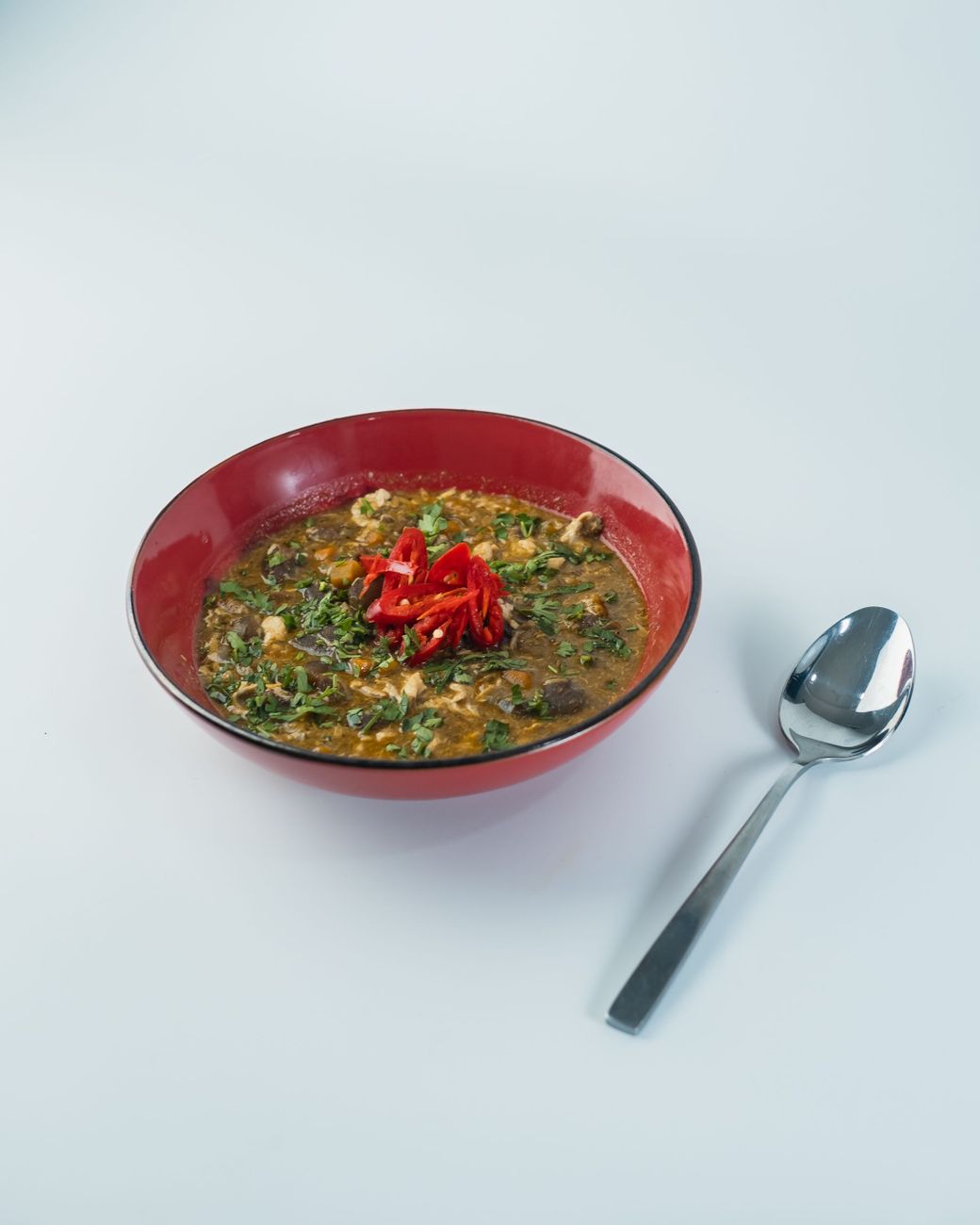
Jun 10, 2026The Heat Revolution: Why Nigerian Spicy Food Is Having Its Moment
From warming pepper soups to scotch bonnet-loaded jollof, Nigerian cooks have mastered the art of building heat that actually enhances flavor—and the rest of us are finally catching on.

culture
Jun 4, 2026Beyond Kebab: Turkish Dishes That Pack Serious Heat
Turkish cuisine's real spice story lives in the regional dishes that most people never encounter—smoky Urfa preparations, chile-built Antep specialties, and the precision heat of true Adana kebab. These aren't the mild kebabs you know, but centuries-old techniques for building serious, sophisticated fire.
culture
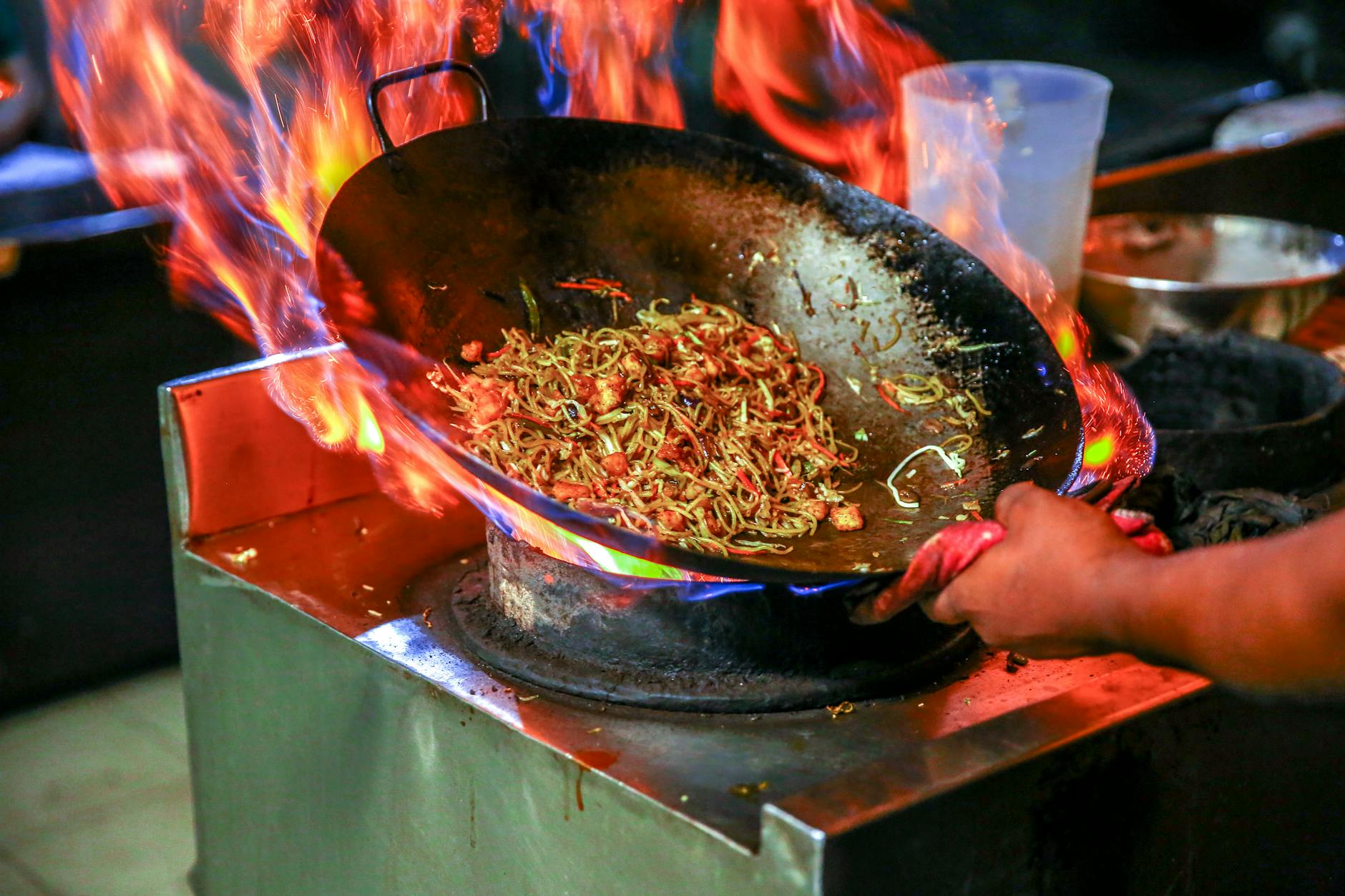
May 15, 2026Malaysian Heat: The Five Spicy Styles Taking Over Tables Right Now
From sambal-slicked noodles to coconut-cooled curries, these Malaysian spicy dishes represent the complex, layered heat that's captivating cooks and diners worldwide.
Comments
Reader discussion is shared across recipes, reviews, and editorial pieces.
Comments are read-only while member sign-in is paused.