
culture
Malaysian Heat: The Five Spicy Styles Taking Over Tables Right Now
From sambal-slicked noodles to coconut-cooled curries, these Malaysian spicy dishes represent the complex, layered heat that's captivating cooks and diners worldwide.
Share this
Pass it around
Send this page to a friend, copy the link, or save it to a Pinterest board.

Save for later
Pin this page
Save the image with a link back to this recipe, review, or article.
Malaysian cooks understand something about heat that the rest of us are just catching on to: real spice isn't about punishment—it's about pleasure. While other cuisines might throw a handful of cayenne at a dish and call it spicy, Malaysian cooking builds heat like a good conversation builds intimacy, one careful layer at a time.
I've been watching five particular Malaysian spicy styles gain serious momentum in kitchens far from Kuala Lumpur, and honestly, it's about time. These dishes don't just bring the fire—they show us how thoughtful spicing creates heat that makes you lean in for another bite, not reach for a glass of milk.
Sambal-Forward Stir-Fries: When the Paste Runs the Show
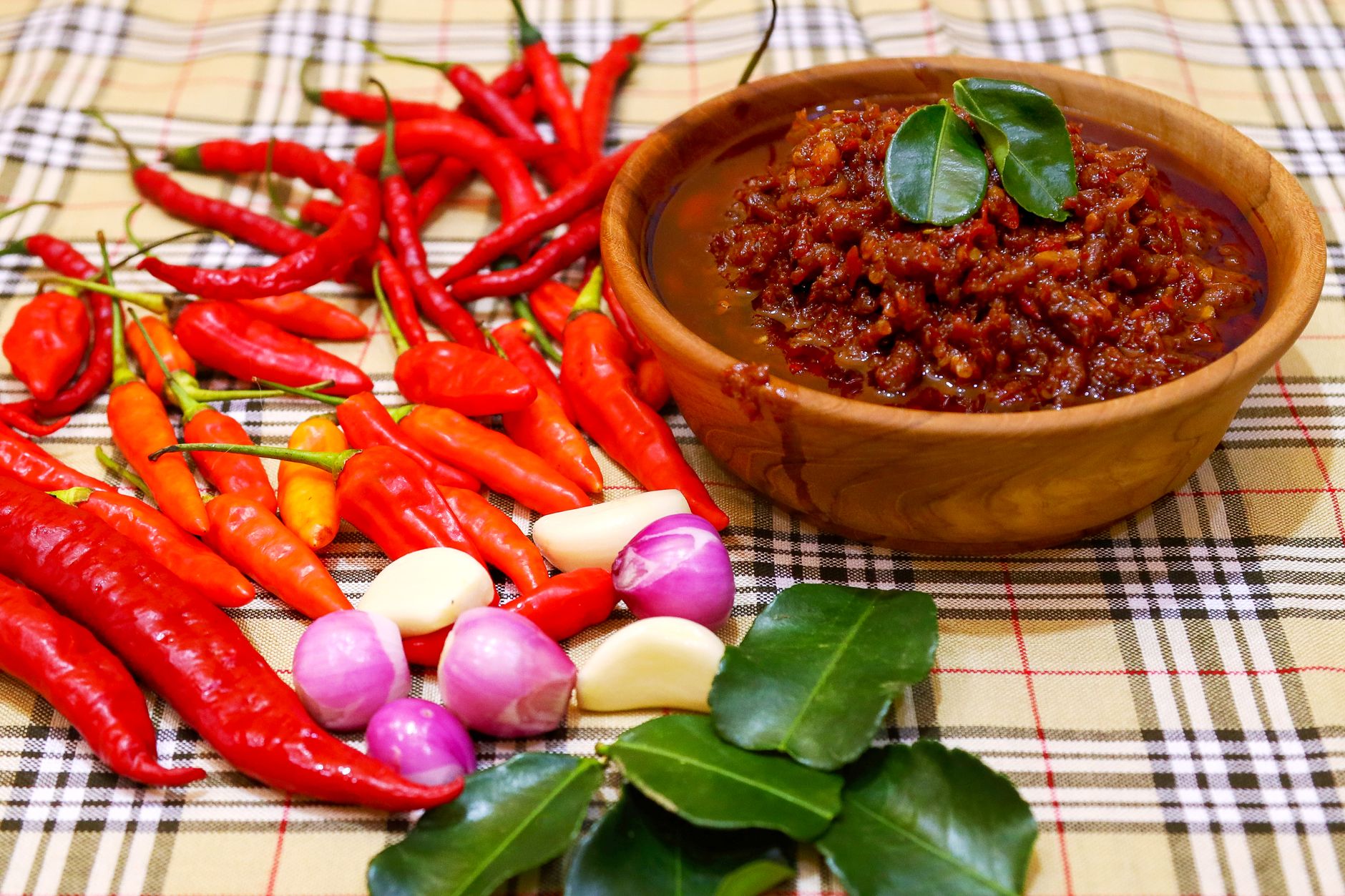
Let me be clear about sambal: the sweet, ketchup-adjacent stuff you find in most Western grocery stores barely deserves the name. Real sambal hits you with a sharp, almost vinegary heat that wakes up everything it touches. It's aggressive in the best possible way.
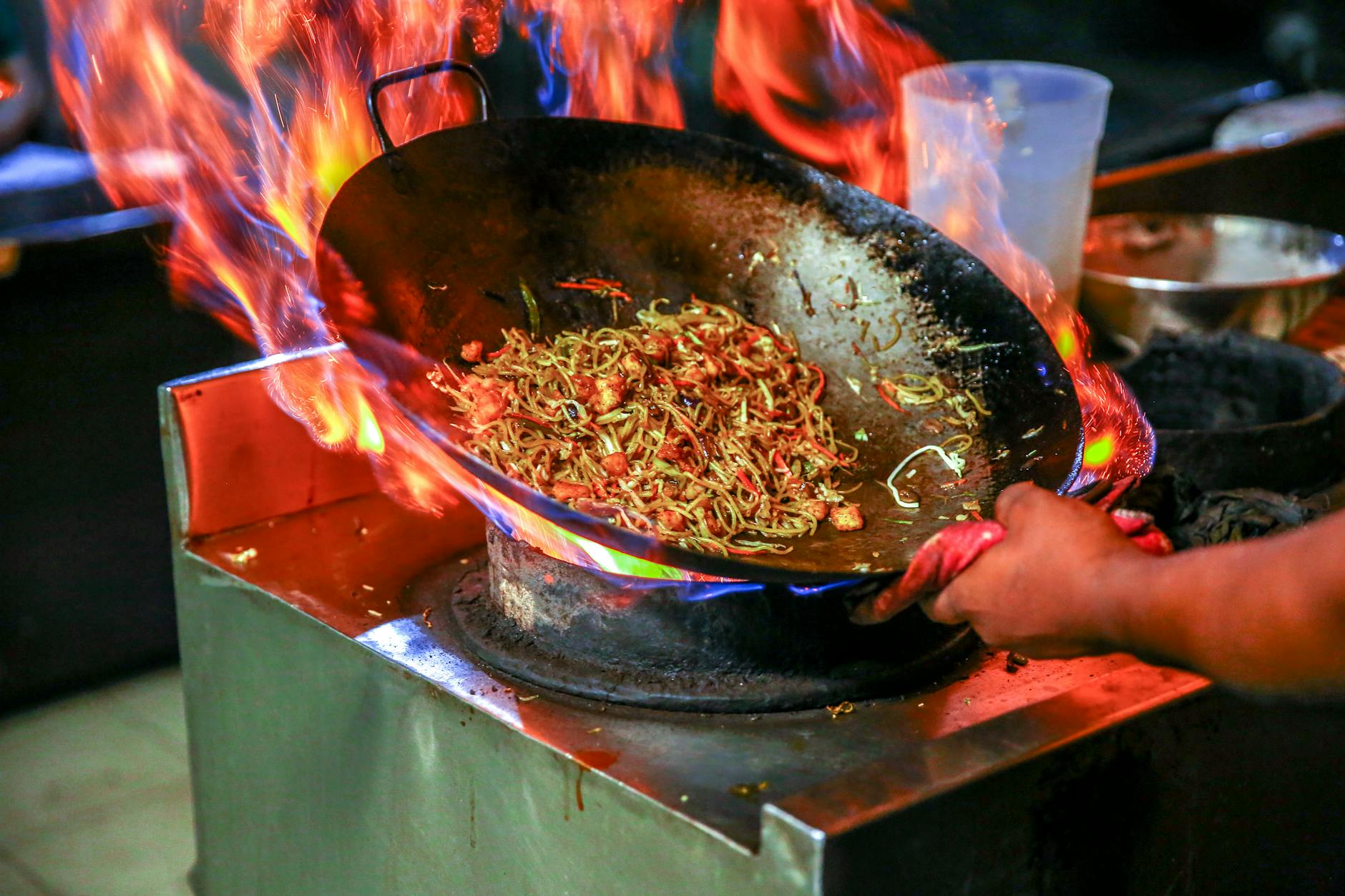
Char kway teow gets this completely right. Those wide, slippery rice noodles become the perfect vehicle for sambal's intensity, while Chinese sausage and crisp bean sprouts keep things interesting texturally. The magic happens in those crucial seconds when the sambal hits the hot wok—it transforms from thick paste to glossy sauce, blooming into something that coats every strand of noodle.
Sambal kangkung pushes this idea even further. Water spinach wilts fast and drinks up that sambal while still maintaining enough bite to give you something to chew on. It's simple cooking that depends entirely on good timing and fearless seasoning.
A word of caution for home cooks: store-bought sambal varies wildly in heat level. Start conservative—you can always add more, but there's no undoing an overly spicy stir-fry.
Coconut Curry Complexity: The Sophisticated Heat
This is where Malaysian cooking really shows off. Using coconut milk as both cooling agent and heat distributor creates something more nuanced than your typical spicy dish. The fat carries aromatics and heat differently than water-based broths, wrapping your palate in warmth rather than just burning it.
Rendang is the masterclass here. Hours of slow cooking concentrate the coconut milk while intensifying every spice in that complex paste. By the time you're done, the meat is coated in what's essentially edible velvet that delivers heat in waves—immediate, building, then lingering. It's the kind of dish that converts people who think they don't like spicy food.
Curry laksa takes a completely different approach, keeping that coconut milk liquid to create a broth that somehow manages to cool and warm you simultaneously. The heat comes from everywhere:
- Dried chilies ground into the base paste
- Fresh chilies stirred in during cooking
- A dollop of sambal oelek at the finish
- White pepper for that distinctive tingle
Every spoonful changes as you eat it—sharp heat upfront, building warmth in the middle, that white pepper tingle at the end. It's complex without being fussy.
Dry-Wok Preparations: Heat Without Mercy
These dishes require confidence. No liquid means no forgiveness—every flavor gets concentrated, every spice gets amplified. When Malaysian cooks go dry-wok, they're not messing around.
Mee goreng mamak proves this point beautifully. Those yellow noodles get just enough sauce to coat them, while chunks of potato and tofu add substance. The heat comes from both the screaming-hot wok and the chilies in that minimal sauce, but with no liquid to dilute anything, every bite carries maximum impact.
Dry curry preparations follow the same fearless logic. Chicken or beef gets smothered in spice paste and cooked until all the liquid disappears, leaving behind meat with an almost blackened exterior that's intensely flavored and slightly charred. These dishes announce themselves from across the room.
Soup-Based Heat: Comfort Food with Attitude
Malaysian spicy soups occupy this wonderful space where they're substantial enough to be dinner but spicy enough to clear your sinuses. The liquid doesn't dilute the heat—it distributes it more evenly, creating a different kind of spicy experience.
Tom yam gets the full Malaysian treatment here, often enriched with evaporated milk until it's cloudy and usually cranked up spicier than you'd find it elsewhere. The sourness from tamarind and lime doesn't compete with the chili heat—it supports it, creating this bright, aggressive broth that's oddly comforting.
Assam laksa flips the script entirely. Fish-based broth, serious heat from chilies, but that dominating tamarind sourness makes each spoonful both refreshing and warming. It's the kind of contradiction that only works when someone really knows what they're doing.
These soups succeed because they never let heat stand alone. It's always paired with sour, salty, or deeply savory elements that create something more complete than just "spicy soup."
Chili-Oil Applications: Heat as Both Star and Supporting Actor
Malaysian chili oil isn't the neutral, one-note stuff you might be used to. It's loaded with shallots, garlic, sometimes dried shrimp—an intensely flavored condiment that brings both heat and serious umami depth.
Wanton mee shows off this technique perfectly. Noodles get tossed with dark soy sauce and lard, then finished with that complex chili oil. Each strand carries both the rich, slightly sweet base and that sharp, aromatic heat from the oil.
As a cooking medium, chili oil shows up in dishes like sambal udang, where prawns get stir-fried in oil that's been supercharged with chilies and aromatics. The oil becomes the sauce, carrying both heat and all those concentrated flavors.
Bringing It to Your Kitchen
What makes these Malaysian approaches work is that they treat heat as part of a larger conversation, never the only thing worth talking about. When you're cooking this way at home, think in layers, not just volume.
Start with good spice pastes—make your own if you can, or find a brand that doesn't cut corners on ingredients. Remember that different chilies bring different personalities to the party, and that aromatics like lemongrass, galangal, and kaffir lime leaves provide the foundation that makes heat feel integrated rather than just added on.
Add heat gradually and taste as you adjust the seasoning.
Peppers featured in this post
Cook with this idea
Recipes to try next.
Put these ingredients and techniques to use in your next meal.

other · hot
Oct 8, 2026Sambal Udang Petai
Stir-fried prawns with stink beans and fiery sambal, built on shallots, garlic and bird's eye chillis. A weeknight dinner that delivers serious heat without lengthy prep. 18 min · 0 saves.
other · hot
Sep 7, 2026Adana Kebab with Charred Chilli and Sumac
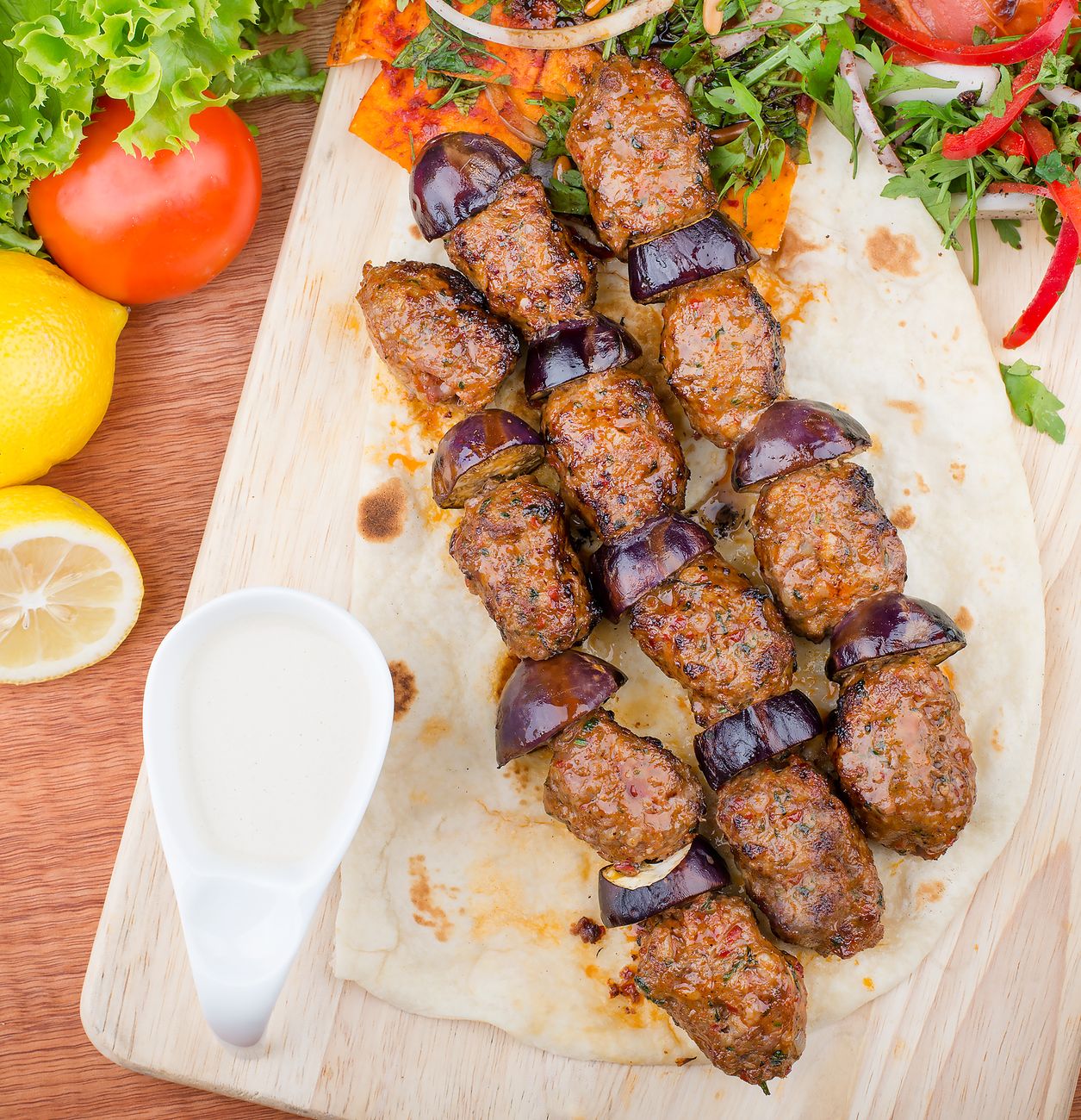
Ground lamb pressed onto flat metal skewers and grilled hard over flame until blackened and crackling on the outside, tender and juicy within. This Turkish street classic gets its serious kick from fresh red chilli ground into the meat and dried Aleppo chilli that brings warmth and fruity depth. The grill is non-negotiable—charcoal or gas flame gives you the char and smoke that makes this dish sing. 32 min · 0 saves.

other · hot
Jun 8, 2026Moqueca de Camarão with Malagueta Fire
Brazilian coconut shrimp stew spiked with fresh malagueta and habanero peppers for serious heat 35 min · 0 saves.
Bottle picks
Related hot sauce reviews.
Explore sauces with related ingredients, flavors, and heat levels.
Yellowbird Habanero Hot Sauce Review
A bright, carrot-forward bottle with enough heat to stay lively and enough sweetness to stay versatile.
Best for tacos
Best for: Tacos and rice bowls
Skip if: Skip if you want a classic vinegar-forward table sauce with almost no sweetness.
Read review
Fuego Box Monthly Subscription Review
A reliable discovery box for people who want more than supermarket sauces without going full novelty heat gimmick.
Best for gifting
Best for: Sauce subscription
Skip if: Skip if you need one exact everyday bottle instead of a discovery-style gift.
Read review
Fly By Jing Sichuan Gold Review
A citrusy, tingly sauce with real peppercorn presence and enough versatility to move beyond dumplings.
Best for dumplings
Best for: Eggs and breakfast tacos
Skip if: Skip if you want a thick, smoky wing sauce more than a bright finishing bottle.
Read review
Go deeper
Background guides that build on this.
Keep reading
More on this subject.
If this post helped, these are the next pieces most likely to keep the thread going.
culture
Oct 12, 2026What Malaysian Spicy Dishes Are Drawing Cooks Right Now
Malaysian heat builds in layers—through chile pastes, aromatics, and the way coconut milk carries spice. These dishes work because you can taste as you go, adjusting heat without losing the flavor underneath.

culture
Oct 6, 2026What Makes Malaysian Spicy Food So Craveable Right Now
Malaysian spicy cooking balances heat with coconut, tamarind, and layered spices. Laksa, sambal, and rendang solve the problem of making chili taste good—not just hot. Learn the techniques that make these dishes work and how to cook them at home.
culture
Jun 10, 2026The Heat Revolution: Why Nigerian Spicy Food Is Having Its Moment
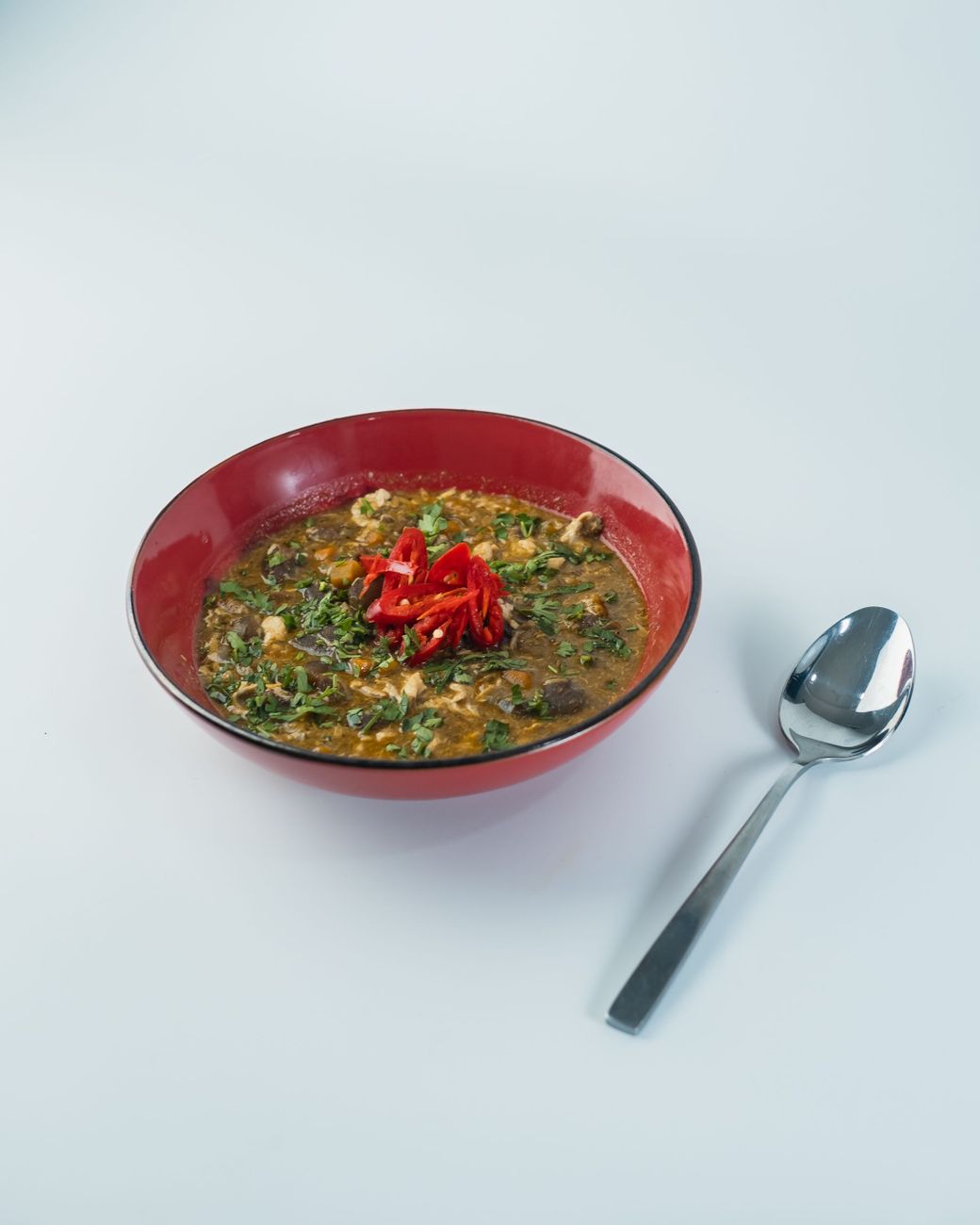
From warming pepper soups to scotch bonnet-loaded jollof, Nigerian cooks have mastered the art of building heat that actually enhances flavor—and the rest of us are finally catching on.
Comments
Reader discussion is shared across recipes, reviews, and editorial pieces.
Comments are read-only while member sign-in is paused.