
culture
Beyond Bicol Express: The Spicy Filipino Dishes Everyone's Talking About
The spicy Filipino dishes that deserve a place at your table—from sizzling plates that concentrate heat through clever technique to fermented funk that builds complexity you can't get anywhere else.
Share this
Pass it around
Send this page to a friend, copy the link, or save it to a Pinterest board.

Save for later
Pin this page
Save the image with a link back to this recipe, review, or article.
Beyond Bicol Express: The Spicy Filipino Dishes Everyone's Talking About
Filipino cuisine is finally getting its due, but most people still think the conversation ends with adobo and lumpia. That's a shame, because they're missing out on some of the most thrilling spicy food on the planet—dishes that layer heat with fermented depth, concentrate fire through smart technique, and make you understand why Filipino families reach for these when they want something that really wakes up the palate.
The heat in Filipino cooking isn't just about adding more chilies (though there are plenty of those). It's about building intensity through bagoong, charring vegetables until they're sweet and smoky, and using techniques that make every element more concentrated and craveable. These are the dishes gaining momentum right now, and honestly, it's about time.
The Sizzling Plate Revolution: Dry-Style Heat
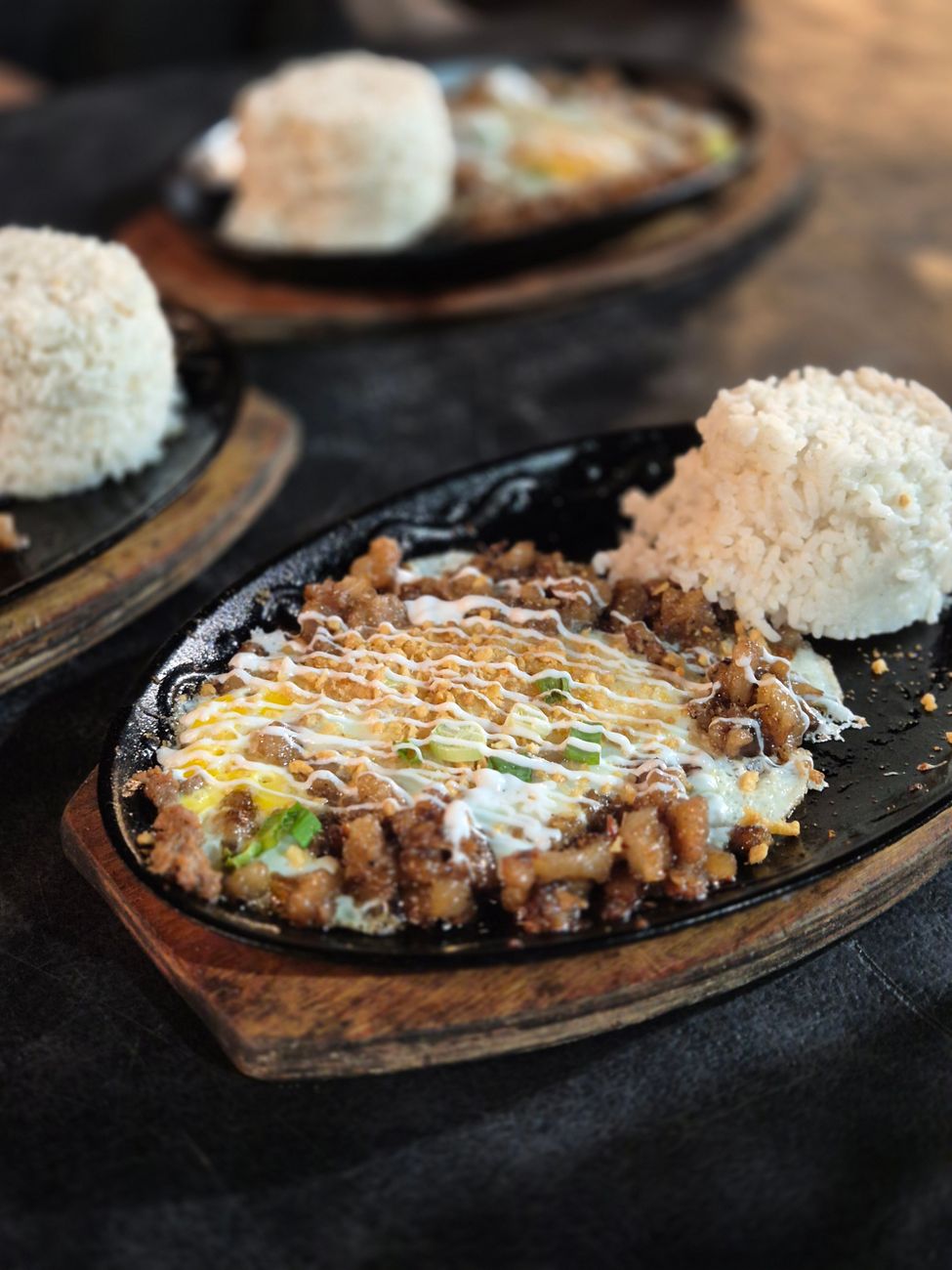
Sisig opened the door for a lot of people, but the real magic happens when you venture into the dry-style preparations that turn up everything to eleven. Take sisig na tuyo—made with dried fish instead of the usual pork. The fish gets these incredible crispy edges, almost like savory fish jerky, while bird's eye chilies and onions char right alongside it on that screaming-hot plate.
What makes these sizzling dishes so addictive is how they concentrate every flavor through evaporation and browning. Unlike saucy dishes where the heat can get lost, here everything just gets more intense as the moisture disappears. Those chilies turn sweet-hot and almost caramelized—it's impossible to eat just one bite.
Pulutan culture—the whole tradition of spicy bar snacks—has given us some of the most brilliant variations. Spicy tokwa't baboy takes crispy fried tofu and pork belly, then tosses everything with a sauce made from soy, vinegar, and siling labuyo that's been bloomed in hot oil until fragrant. When it hits that sizzling plate, the sauce reduces and clings to every surface like spicy lacquer.
The technique here matters more than you'd think. Proteins get seared first to build that crust, then aromatics and chilies hit the hot surface for just long enough to release their oils without burning. That final dramatic sizzle when everything meets the cast iron? That's creating layers of roasted, fried, and fresh heat all in one perfect, chaotic bite.
Fermented Funk Meets Fire
This is where Filipino cooking really shows off. The marriage between fermentation and fire creates complexity that most cuisines can only dream about. Bagoong, patis, and other preserved ingredients don't just add salt—they add this oceanic, umami-rich depth that makes chili heat feel more rounded and satisfying.
Everyone talks about kare-kare for its peanut sauce, but the real star is that little bowl of bagoong alamang on the side—especially when it's been spiked with minced chilies. The fermented shrimp brings this incredible oceanic funk, while the chilies cut through all that rich, nutty sauce with bright heat. Mix them together and you get something that hits every taste bud you've got.
Binagoongang dishes take this marriage even further. Binagoongang baboy layers pork belly with bagoong and chilies, then lets time work its magic. That long, slow cook mellows the paste's intensity while the pork fat carries chili heat into every corner. What you end up with is deeply savory heat that builds gradually instead of slapping you in the face.
The regional differences here are fascinating. Ilocano bagnet with their local bagoong creates completely different heat than the same dish made with Mindanao-style fermented paste. Northern versions lean toward cleaner, more direct chili heat, while southern preparations often weave in sweeter elements that play beautifully against all that funk.
Vegetable-Forward Heat That Actually Satisfies
Filipino vegetable dishes don't apologize for being bold. Pinakbet might be your gateway drug, but dishes like dinengdeng and bulanglang show how vegetables can carry serious heat without feeling like you're being virtuous.
Dinengdeng builds its heat in layers that just make sense: bagoong provides the salty, fermented base, fresh chilies add brightness, and bitter vegetables like ampalaya soak up all those flavors while contributing their own intense personality. The secret is using vegetables that can hold their own—bitter melon, eggplant, okra—things with enough character to stand up to aggressive seasoning.
Ginataang gulay takes a smarter approach, using coconut milk to carry chili heat while smoothing out its rough edges. But don't confuse smooth with mild. Those bird's eye chilies release their oils right into the coconut fat, creating heat that coats your mouth rather than just burning it. Add some bagoong and you get this perfect storm: creamy, salty, spicy, and rich all at once.
The technique that makes these dishes sing involves building heat thoughtfully: bloom whole chilies in oil first to wake up their oils, add aromatics like ginger and garlic, layer in your fermented pastes, add vegetables based on how long they need to cook, then finish with fresh chilies for that bright pop. This creates heat that feels integrated into the dish, not just sprinkled on top.
The Regional Heat Map
Bicol region earned its reputation for fire, but other regions bring their own compelling approaches to heat. Ilocano cuisine tends toward cleaner, more direct chili heat that doesn't hide behind other flavors. Their pinapaitan—a gutsy soup made with goat or beef innards—gets its fire from whole chilies that simmer just long enough to infuse the broth without overwhelming those mineral, organ-meat flavors.
Cebuano lechon paksiw takes yesterday's roasted pig and gives it new life, braising it in a sauce heavy with vinegar, liver sauce, and chilies. The acidity brightens everything while the chilies provide steady heat that plays perfectly with the rich pork instead of fighting it.
Down in Mindanao, you can taste the influence of nearby Malaysia and Indonesia in dishes like Filipino-style beef rendang, where coconut milk, lemongrass, and local chilies create something that feels familiar yet distinctly Filipino. That long, slow cooking time concentrates the spice into something almost jammy—pure comfort food with serious heat.
What connects all these regional approaches is patience. Filipino heat builds through time and technique, not just by dumping in more peppers. Once you understand that principle, you unlock an entire world of cooking that's both fiery and genuinely nuanced.
These dishes ask for your attention, but they reward it with flavors that satisfy on every level. They represent Filipino cooking at its most confident—complex, unapologetic, and absolutely worth making room for at your table.
Cook with this idea
Recipes to try next.
Put these ingredients and techniques to use in your next meal.

other · hot
Oct 8, 2026Sambal Udang Petai
Stir-fried prawns with stink beans and fiery sambal, built on shallots, garlic and bird's eye chillis. A weeknight dinner that delivers serious heat without lengthy prep. 18 min · 0 saves.
other · hot
Sep 7, 2026Adana Kebab with Charred Chilli and Sumac
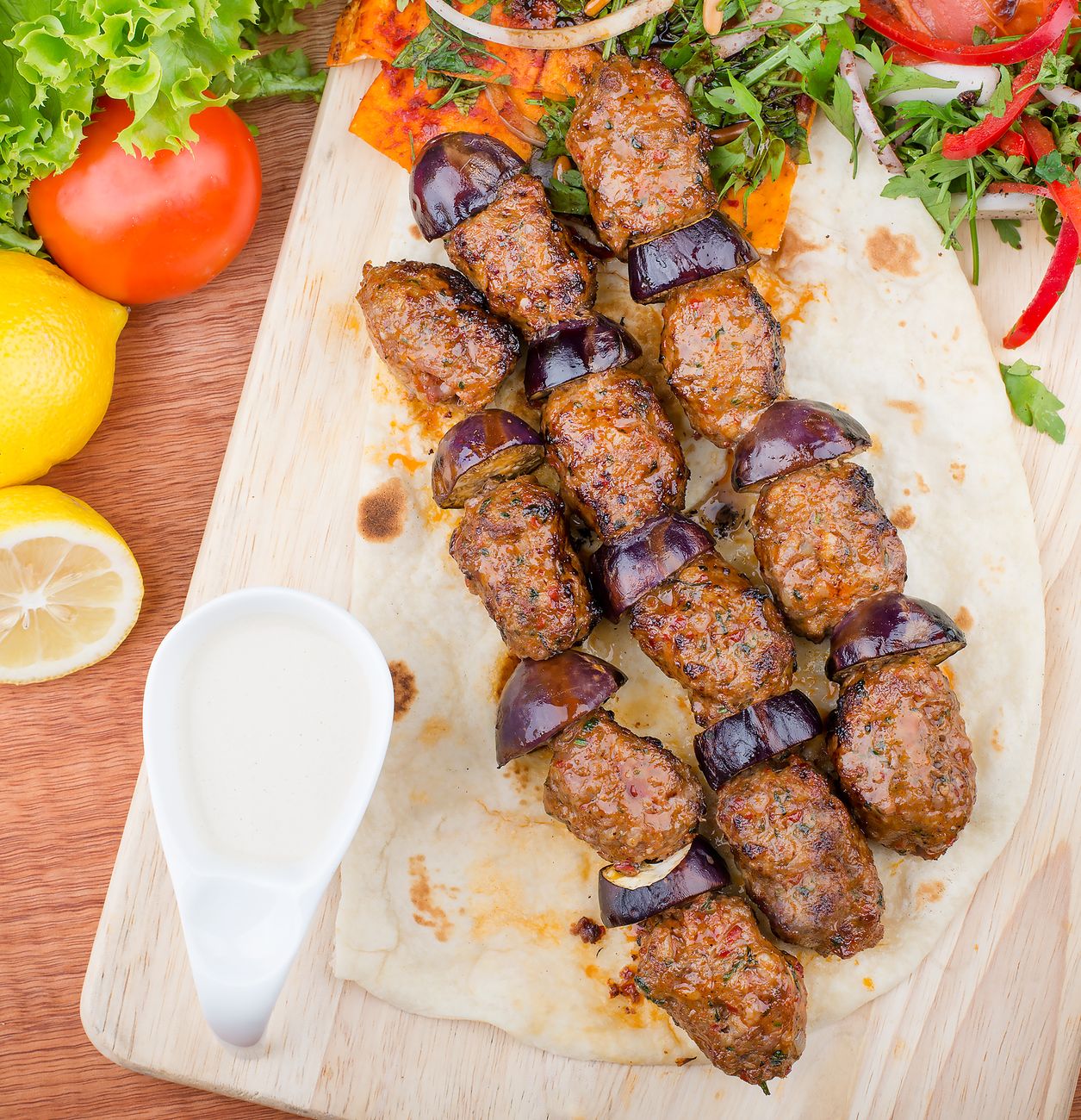
Ground lamb pressed onto flat metal skewers and grilled hard over flame until blackened and crackling on the outside, tender and juicy within. This Turkish street classic gets its serious kick from fresh red chilli ground into the meat and dried Aleppo chilli that brings warmth and fruity depth. The grill is non-negotiable—charcoal or gas flame gives you the char and smoke that makes this dish sing. 32 min · 0 saves.

other · hot
Jun 8, 2026Moqueca de Camarão with Malagueta Fire
Brazilian coconut shrimp stew spiked with fresh malagueta and habanero peppers for serious heat 35 min · 0 saves.
Bottle picks
Related hot sauce reviews.
Explore sauces with related ingredients, flavors, and heat levels.
Yellowbird Habanero Hot Sauce Review
A bright, carrot-forward bottle with enough heat to stay lively and enough sweetness to stay versatile.
Best for tacos
Best for: Tacos and rice bowls
Skip if: Skip if you want a classic vinegar-forward table sauce with almost no sweetness.
Read review
Queen Majesty Scotch Bonnet and Ginger Review
A bright, elegant sauce that leans on fruit, ginger, and Scotch bonnet lift instead of brute force.
Best for seafood
Best for: Seafood and fish tacos
Skip if: Skip if you want a thick, smoky wing sauce more than a bright finishing bottle.
Read review
Fly By Jing Sichuan Gold Review
A citrusy, tingly sauce with real peppercorn presence and enough versatility to move beyond dumplings.
Best for dumplings
Best for: Eggs and breakfast tacos
Skip if: Skip if you want a thick, smoky wing sauce more than a bright finishing bottle.
Read review
Go deeper
Background guides that build on this.
Keep reading
More on this subject.
If this post helped, these are the next pieces most likely to keep the thread going.
culture
Oct 12, 2026What Malaysian Spicy Dishes Are Drawing Cooks Right Now
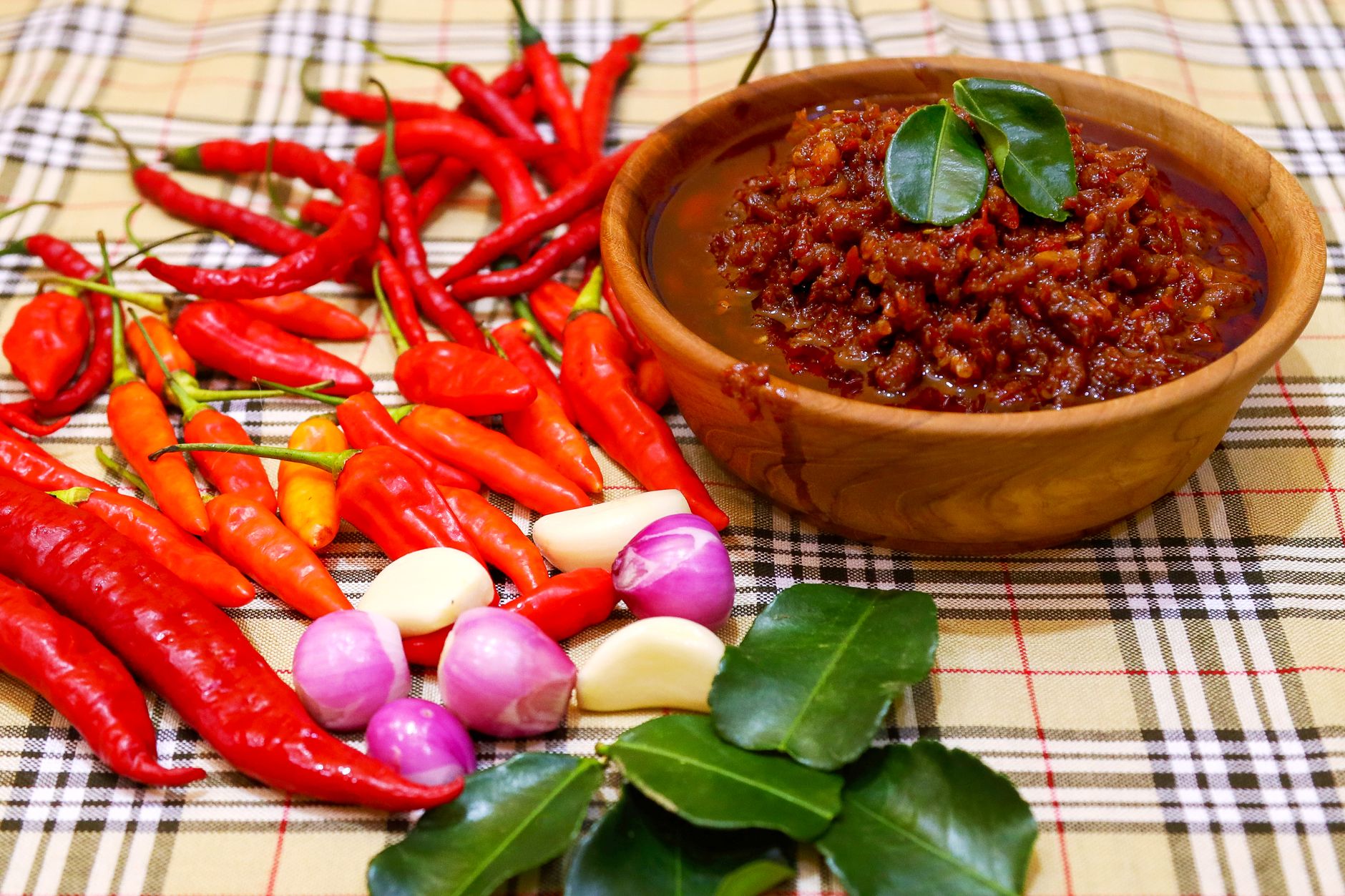
Malaysian heat builds in layers—through chile pastes, aromatics, and the way coconut milk carries spice. These dishes work because you can taste as you go, adjusting heat without losing the flavor underneath.

culture
Oct 6, 2026What Makes Malaysian Spicy Food So Craveable Right Now
Malaysian spicy cooking balances heat with coconut, tamarind, and layered spices. Laksa, sambal, and rendang solve the problem of making chili taste good—not just hot. Learn the techniques that make these dishes work and how to cook them at home.
culture
Jun 10, 2026The Heat Revolution: Why Nigerian Spicy Food Is Having Its Moment
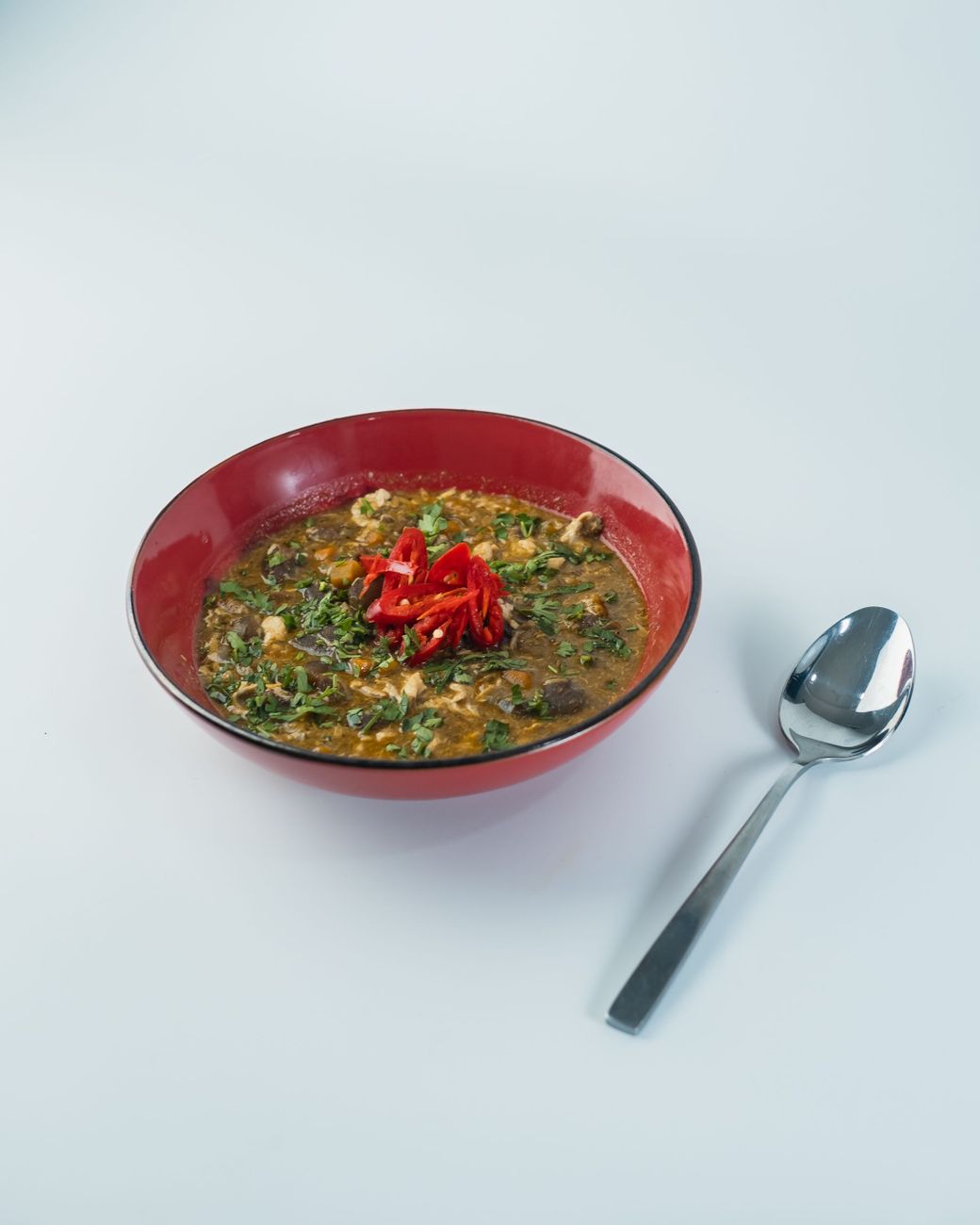
From warming pepper soups to scotch bonnet-loaded jollof, Nigerian cooks have mastered the art of building heat that actually enhances flavor—and the rest of us are finally catching on.
Comments
Reader discussion is shared across recipes, reviews, and editorial pieces.
Comments are read-only while member sign-in is paused.