
FlamingFoodies recipe
Spicy Chicken Karaage with Togarashi Mayo
Crispy Japanese fried chicken with a gentle heat that builds as you eat—shichimi togarashi seasons both the light coating and the creamy mayo dip, letting everyone find their perfect spice level.
These double-fried chicken thighs emerge from the oil with an impossibly crispy, lightly spiced shell that gives way to tender, well-seasoned meat—served with a silky togarashi mayo that lets everyone dial up their own heat.
Ingredients
Chicken and Marinade
- 2 lbsboneless chicken thighs, cut into 2-inch pieces
- 3 tablespoonssoy sauce
- 2 tablespoonssake
- 1 tablespoonfresh ginger, grated
- 2 clovesgarlic, minced
Spiced Coating
- 1 cuppotato starch
- 1/4 cupall-purpose flour
- 2 teaspoonsshichimi togarashi
- 1 teaspoonkosher salt
Togarashi Mayo
- 1/2 cupJapanese mayonnaise
- 1 teaspoonshichimi togarashi
- 1 teaspoonrice vinegar
- 1/2 teaspoonsoy sauce
For Frying and Serving
- 4 cupsneutral oil, for deep frying
- 1 wholelemon, cut into wedges
- 2 scallionsgreen onions, thinly sliced
Method
1. Get the Chicken Ready In a mixing bowl, toss your chicken pieces with soy sauce, sake, grated ginger, and minced garlic. Give everything a good mix so each piece gets coated, then let it sit for 20 minutes. This brief marinate does more than just season—it helps tenderize the meat and builds a flavor foundation that'll shine through the crispy coating.
Watch for: Chicken should look slightly darker and smell aromatic
Tip: Before you coat the chicken, give the pieces a gentle pat with paper towels. A little moisture is fine, but pools of marinade will make your coating soggy.
2. Mix Your Coating and Mayo In a shallow bowl, whisk together the potato starch, flour, shichimi togarashi, and salt until everything's evenly distributed. In a smaller bowl, stir together the mayo, togarashi, rice vinegar, and soy sauce until smooth. The mayo actually gets better as it sits, so don't worry about making it ahead.
Watch for: Coating should be evenly spiced with no lumps
Tip: Give the mayo a taste and adjust the heat to your liking—a little more togarashi never hurt anyone who likes things spicy.
3. First Round of Frying Heat your oil to 320°F in a heavy pot. Working in batches so you don't crowd the pot, dredge each piece of chicken in the spiced coating, shake off the excess, and slip it into the oil. Fry for exactly 3 minutes. The pieces will look pretty pale and won't seem "done," but that's exactly what you want. Fish them out and let them drain on a wire rack.
Watch for: Oil should bubble enthusiastically around the chicken, but the pieces stay light colored
4. The Magic Second Fry Now bump that oil temperature up to 350°F. Once it's hot, return all the chicken to the oil at once—this is where the magic happens. Fry for 2-3 minutes until the pieces turn a beautiful deep golden brown and start making those aggressive crackling sounds that mean serious crispiness is happening. Drain quickly and serve while they're still crackling.
Watch for: Chicken turns golden brown and makes aggressive crackling sounds
Equipment
- Deep heavy pot or deep fryer
- Instant-read thermometer
- Wire cooling rack
- Fine-mesh strainer for oil cleanup
Make ahead
- The chicken can marinate for up to 4 hours if you want to prep ahead. The togarashi mayo actually improves over time, so feel free to make it up to 3 days early—the flavors just keep getting better.
Storage
- Leftover karaage will keep in the fridge for a couple days, though it won't have that same crispy magic. Store the mayo separately so it doesn't get soggy.
Reheat
- If you need to reheat karaage, your oven is your friend—400°F for 5-7 minutes will bring back some of that crispness. Skip the microwave unless you enjoy sad, soggy chicken.
Top tips
- Japanese mayo like Kewpie has a richer, almost custardy texture that's perfect here, but your regular mayo will work just fine
- Potato starch is the secret to karaage's uniquely light, crispy coating—it fries up differently than flour alone
- The double-fry isn't just showing off—it's the difference between good fried chicken and great karaage
Substitutions
- Cornstarch can pinch-hit for potato starch, though the texture won't be quite as light
- Chicken breast works too, just watch your timing since it cooks faster than thighs
- Regular chili flakes can replace the shichimi togarashi in a pinch, but you'll miss out on all those complex flavors
Serve with
- Pile it over steamed rice with some quick pickled cucumbers for a complete meal
- Pack into bento boxes with shredded cabbage—it travels beautifully
- Set out a platter as appetizers with cold beer or sake for the perfect start to dinner
Find another recipe
Open archive →Spicy Chicken Karaage with Togarashi Mayo

Crispy Japanese fried chicken with a gentle heat that builds as you eat—shichimi togarashi seasons both the light coating and the creamy mayo dip, letting everyone find their perfect spice level.
Prep
25 min
Cook
15 min
Active
40 min
Total
40 min
Yield
4 servings
Share this
Pass it around
Send this page to a friend, copy the link, or save it to a Pinterest board.
Save for later
Pin this page
Save the image with a link back to this recipe, review, or article.
Recipe notes
Before you cook
The best karaage has that perfect contrast: shatteringly crisp outside, impossibly juicy within. This version adds warmth that sneaks up on you, thanks to shichimi togarashi woven into both the coating and the mayo. It's the kind of heat that invites another bite rather than demanding a glass of milk. The double-fry technique might seem fussy, but it's what transforms good fried chicken into something extraordinary—and once you see how it works, you'll want to use it everywhere.
Total time
40 min
Prep: 25 min. Cook: 15 min.
Yield
4 servings
The ingredient quantities below are for this yield.
Method
How to cook it
Use the step navigator to move around, or stay in cook mode and work top to bottom.
- 1
Step 1 of 4
Get the Chicken Ready
In a mixing bowl, toss your chicken pieces with soy sauce, sake, grated ginger, and minced garlic. Give everything a good mix so each piece gets coated, then let it sit for 20 minutes. This brief marinate does more than just season—it helps tenderize the meat and builds a flavor foundation that'll shine through the crispy coating.
- 2
Step 2 of 4
Mix Your Coating and Mayo
In a shallow bowl, whisk together the potato starch, flour, shichimi togarashi, and salt until everything's evenly distributed. In a smaller bowl, stir together the mayo, togarashi, rice vinegar, and soy sauce until smooth. The mayo actually gets better as it sits, so don't worry about making it ahead.
- 3
Step 3 of 4
First Round of Frying
Heat your oil to 320°F in a heavy pot. Working in batches so you don't crowd the pot, dredge each piece of chicken in the spiced coating, shake off the excess, and slip it into the oil. Fry for exactly 3 minutes. The pieces will look pretty pale and won't seem "done," but that's exactly what you want. Fish them out and let them drain on a wire rack.
- 4
Step 4 of 4
The Magic Second Fry
Now bump that oil temperature up to 350°F. Once it's hot, return all the chicken to the oil at once—this is where the magic happens. Fry for 2-3 minutes until the pieces turn a beautiful deep golden brown and start making those aggressive crackling sounds that mean serious crispiness is happening. Drain quickly and serve while they're still crackling.
Troubleshooting
Tips that matter
- Japanese mayo like Kewpie has a richer, almost custardy texture that's perfect here, but your regular mayo will work just fine
- Potato starch is the secret to karaage's uniquely light, crispy coating—it fries up differently than flour alone
- The double-fry isn't just showing off—it's the difference between good fried chicken and great karaage
Substitutions and variations
Storage and leftovers
Plan ahead and reheat well
Make ahead
The chicken can marinate for up to 4 hours if you want to prep ahead. The togarashi mayo actually improves over time, so feel free to make it up to 3 days early—the flavors just keep getting better.
Storage
Leftover karaage will keep in the fridge for a couple days, though it won't have that same crispy magic. Store the mayo separately so it doesn't get soggy.
Reheat
If you need to reheat karaage, your oven is your friend—400°F for 5-7 minutes will bring back some of that crispness. Skip the microwave unless you enjoy sad, soggy chicken.
At the table
Serving suggestions
- Pile it over steamed rice with some quick pickled cucumbers for a complete meal
- Pack into bento boxes with shredded cabbage—it travels beautifully
- Set out a platter as appetizers with cold beer or sake for the perfect start to dinner
FAQ
Common questions
Can I dial down the heat for sensitive palates?
Absolutely—cut the shichimi togarashi in the coating down to 1 teaspoon and go light in the mayo too. You'll still get all that wonderful flavor complexity with just a gentle warmth.
Why go through the trouble of frying twice?
The first fry cooks the chicken gently and thoroughly. The second high-heat blast creates that signature karaage crispiness without overcooking the meat. It's the difference between good and unforgettable.
What makes shichimi togarashi different from regular chili powder?
Shichimi togarashi is a Japanese seven-spice blend with red pepper, sesame seeds, orange peel, and other aromatics. It brings heat plus layers of flavor that regular chili powder just can't match.
Heat profile
Medium heat
The recipe is classified as medium. Use less chile if you prefer milder food.
Skill level
Intermediate
Check the method for steps that need to be prepared at the same time.
Total time
40 min
Prep: 25 min. Cook: 15 min.
Yield
4 servings
The ingredient quantities below are for this yield.
Cook this with
Three useful buys before you start
A sauce, a pantry ingredient, and a kitchen tool to consider for this dish.
Sauce
Los Calientes Rojo
Heatonist · Best for tacos
It brings enough heat to cut through the richer bites without flattening the rest of the dish.
Get the sauce used herePantry
Kewpie Mayonnaise
Creamy upgrade
Spicy mayo, sandwiches, and bowl sauces. The easy way to make spicy mayo, egg sandwiches, yakisoba drizzles, and quick sauces taste richer and more intentional.
Grab the pantry stapleGear
Compact Rice Cooker
Meal-prep anchor
Bowls, fried rice, and weekly meal prep. A simple countertop win for rice bowls, congee, spicy fried rice, and the carb base that makes leftovers useful.
Use this toolPair this with
The right bottle for this recipe
These sauce picks are matched to the dish itself, not dropped in at random. Use them to finish, sharpen, or push the heat where it helps.
Los Calientes Rojo
It brings enough heat to cut through the richer bites without flattening the rest of the dish.
Heatonist Los Calientes Rojo: flavor notes, heat level, and suggested food pairings.
Yellowbird Habanero
It brings enough heat to cut through the richer bites without flattening the rest of the dish.
A bright, carrot-forward bottle with enough heat to stay lively and enough sweetness to stay versatile.
Shop the pantry
Pantry staples for this recipe
Creamy upgrade
$6-$12Kewpie Mayonnaise
Spicy mayo, sandwiches, and bowl sauces. The easy way to make spicy mayo, egg sandwiches, yakisoba drizzles, and quick sauces taste richer and more intentional.
Check price on AmazonClean chile hit
$7-$12Huy Fong Sambal Oelek
Fried rice, noodles, and spicy sauces. Straight chili paste for fried rice, noodle sauces, mayo mixes, and dishes that want heat without sweetness.
Check price on AmazonRoast-anything helper
$8-$15Harissa Paste
Roasts, braises, and yogurt sauces. The smoky-chili shortcut for roast carrots, meatballs, chicken thighs, and yogurt sauces that need a little menace.
Check price on AmazonRecommended equipment
Cooking tools
Meal-prep anchor
$30-$60Compact Rice Cooker
Bowls, fried rice, and weekly meal prep. A simple countertop win for rice bowls, congee, spicy fried rice, and the carb base that makes leftovers useful.
Check price on AmazonFast heat
$35-$70Carbon Steel Wok
High-heat noodles and fried rice. Built for smoky stir-fries, chili oil noodles, and any dinner that needs real burner contact.
Check price on AmazonCook next
More recipes with similar heat
These are the next recipes most likely to fit the same mood, pantry, or heat level once this one is in your rotation.

japanese · medium
Jun 7, 2026Spicy Karaage Chicken Rice Bowl with Togarashi Mayo
Crispy Japanese fried chicken glazed with sweet-spicy sauce over seasoned rice, topped with crunchy vegetables and creamy togarashi mayo. 40 min · 0 saves.
japanese · medium
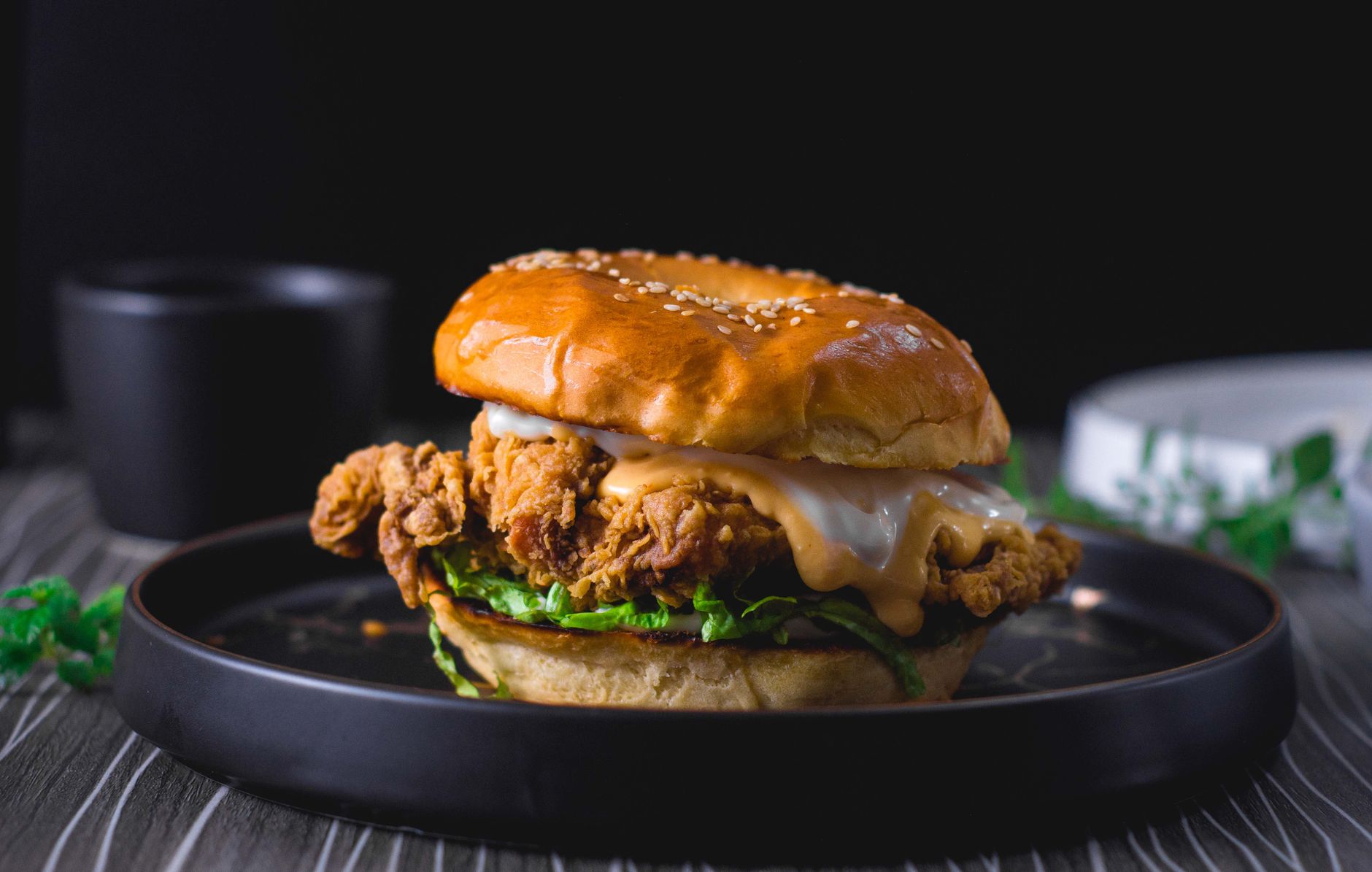
Apr 30, 2026Shichimi Togarashi Katsu Burger with Spicy Mayo
Crispy chicken katsu meets American comfort food in this Japanese-inspired burger, with shichimi togarashi adding aromatic heat and homemade spicy mayo bringing everything together. 40 min · 0 saves.
japanese · hot
Sep 8, 2026Spicy Miso Karaage Burger with Habanero Mayo
A Japanese-inspired fried chicken burger with crispy karaage coating, habanero mayo with serious heat, pickled daikon and carrot, and fresh shiso on a toasted bun. Ready in under an hour. 50 min · 0 saves.
FlamingFoodies picks
Pantry, gear, and bottle picks that fit this meal
Smoky shortcut
Chipotle Peppers in Adobo
The pantry move for smoky mayo, burger sauce, taco braises, and chili that tastes like you actually thought ahead. Best for burger sauce, chili, and taco fillings.
View on AmazonNumbing heat
Fly By Jing Sichuan Gold
A more citrusy, peppercorn-leaning sauce when you want flavor movement instead of pure capsaicin. Best for dumplings, noodles, and fried eggs.
View on AmazonFrom the blog
More about this dish
Read more about the ingredients and cuisine.

science
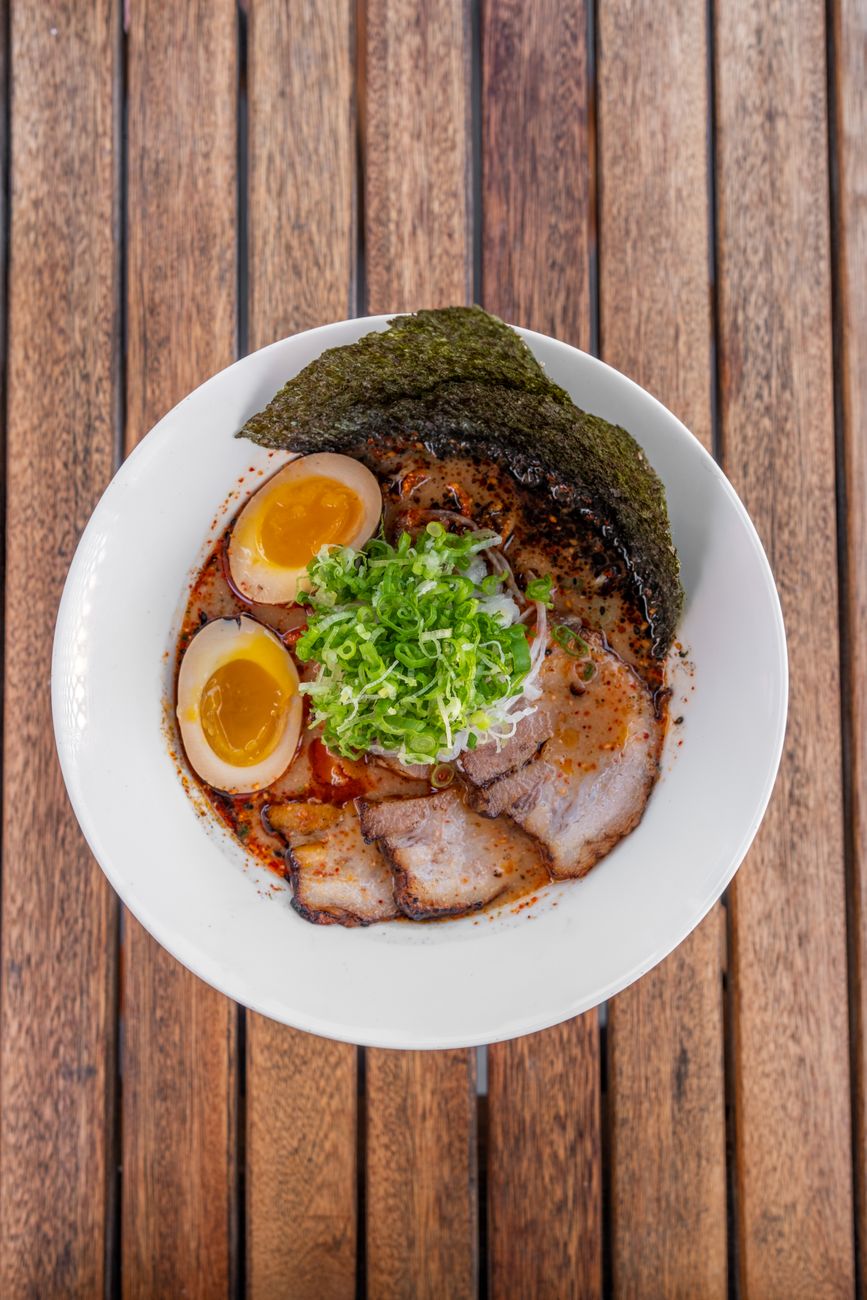
May 31, 2026Miso, Sesame, and Fermented Chili Pastes in Japanese-Inspired Dishes
Miso, sesame, dashi, and fermented chili pastes provide a savory base for Japanese-inspired noodle bowls and other spicy dishes.
culture
May 21, 2026Japan's Heat Wave: Five Spicy Dishes That Have Us Completely Hooked
Japanese spicy dishes are having their moment—and it's about time. From tantanmen's creamy sesame fire to curry udon so intense it should come with a warning, these five dishes represent something deeper than a trend.
Background guides
Read the guide behind the technique
Learn more about the cooking techniques used here.
Community notes
Reader discussion is shared across recipes, reviews, and editorial pieces.
Comments are read-only while member sign-in is paused.