
culture
Japan's Heat Wave: Five Spicy Dishes That Have Us Completely Hooked
Japanese spicy dishes are having their moment—and it's about time. From tantanmen's creamy sesame fire to curry udon so intense it should come with a warning, these five dishes represent something deeper than a trend.
Share this
Pass it around
Send this page to a friend, copy the link, or save it to a Pinterest board.

Save for later
Pin this page
Save the image with a link back to this recipe, review, or article.
Japan's Heat Wave: Five Spicy Dishes That Have Us Completely Hooked
Something's happening in Japanese kitchens, and honestly, we're here for all of it. The spicy dishes that used to hide in regional corners or specialty shops have pushed their way to the front of the line, and they're not apologizing for the heat they're bringing.
Walk through any decent Japanese food hall these days and you'll spot the shift immediately—tantanmen counters drawing longer lines than the tonkotsu spots, mapo tofu holding its own next to pristine sashimi, curry udon so volcanic the server actually warns you before setting it down. This isn't some fusion experiment or Instagram stunt. These are honest Japanese dishes that happen to pack serious heat, arriving exactly when we need food that grabs us by the collar and demands attention.
Tantanmen: The Gateway Drug
Let's give tantanmen the credit it deserves for kicking down the door. This Japanese take on Sichuan dan dan noodles swaps the original's numbing assault for something that wraps around you like a warm, slightly dangerous hug. The broth builds its heat on a foundation of sesame paste, creating this luxurious burn that coats rather than attacks.
Here's where Japanese cooks got clever: they lean hard on red miso's deep saltiness to balance all that sesame richness, while doubanjiang provides the real fire. The ground pork gets cooked directly into this paste until it practically melts, leaving these little bombs of concentrated spice scattered throughout your bowl.
The genius of tantanmen is in the slow burn. Those first few spoonfuls taste rich and warming—almost innocent. Halfway through, you're reaching for water. By the bottom of the bowl, you're already planning tomorrow's return visit. That sesame creates this lingering warmth that settles into your chest and refuses to leave, unlike the sharp fade you get from straight chili heat.
A shop may offer a heat scale of 1 to 5 or even 10. Level 3 is not a standardized measure: ask the restaurant about its scale before ordering.
Mapo Tofu: Comfort Food With Attitude
Japanese mapo tofu might be one of the smartest adaptations we've seen. While the Sichuan original relies heavily on those tongue-numbing peppercorns, Japanese versions focus their energy on chili oils and fermented bean pastes that deliver sustained heat without the fireworks.
The tofu becomes your best friend here—silky enough to provide relief between bites, but porous enough to soak up every drop of that aggressive sauce. Japanese cooks typically reach for softer tofu than their Chinese counterparts, creating this fascinating tension between gentle texture and bold seasoning that somehow makes perfect sense.
What changes everything is the dashi integration. That foundational umami depth transforms how the heat hits your palate—instead of pure fire, you get these rolling waves of savory richness punctuated by chili bursts. It tastes both familiar and thrilling, like comfort food that keeps you on your toes.
Japanese versions tend to incorporate sake instead of traditional Chinese cooking wine, slightly sweeter miso varieties that round out the edges, and cleaner chili oils that provide heat without grittiness. Fresh scallions and garlic stay bright against all that richness, keeping each bite interesting.
Kara-age: When Fried Chicken Gets Serious
Spicy kara-age proves that excellent technique can handle serious heat without breaking a sweat. That traditional light, crispy coating becomes a delivery system for fire that hits immediately but never bullies the chicken's natural flavor.
The best operations use a two-stage approach that's borderline brilliant. First, the chicken marinates in soy sauce, sake, ginger, and increasingly, gochujang or other fermented chili pastes—building heat from the inside out. Then comes the coating stage, where potato starch and flour get hit with chili powder, cayenne, and sometimes more exotic heat sources.
What makes this work is restraint. The heat amplifies the chicken rather than drowning it. You still get that perfect kara-age texture—impossibly light and crunchy outside, juicy within—but now it comes with a slow burn that makes each piece more compelling than the last.
The temperature contrast creates magic too. Hot, crispy chicken with building heat is the kind of perfect storm that explains those long lines outside the good spots.
Curry Udon: The Sleeper That Woke Us All Up
Curry udon spent years getting dismissed as a simple mashup, which frankly, was our loss. The versions appearing now prove just how wrong that assessment was.
Japanese curry udon builds heat through layering rather than brute force. The curry base provides warmth and depth, while additional chili elements—often rayu or fresh chilies—add sharper heat that cuts through the rich, thick broth. Those substantial udon noodles absorb this complex heat mixture without getting overwhelmed, creating something deeply satisfying and almost hypnotic.
The textural interplay here is pure genius. Thick, chewy noodles. Rich, clinging curry broth. Sharp heat that builds with each slurp. Optional soft-boiled eggs or tempura vegetables providing cooling breaks. Everything works together in this rhythmic dance that keeps you coming back for more.
Even the mild versions at spicy curry udon shops carry more fire than traditional Japanese curry. Something about the noodle format invites more aggressive seasoning—maybe the broth dilutes some intensity, or maybe the slurping action spreads heat more evenly across your palate.
Why We're Hooked
These dishes share something crucial that explains why they've captured our attention so completely. None rely on pure capsaicin shock tactics—they build complex heat that enhances rather than dominates. They offer customizable spice levels, making them approachable for different tolerances. Most importantly, they taste distinctly Japanese while satisfying our hunger for food that creates genuine excitement.
This isn't just a trend blowing through—it's Japanese cuisine finally embracing heat as a legitimate flavor component rather than a novelty. New ramen shops experiment with increasingly sophisticated chili oil blends. Izakayas expand their spicy small plate offerings. Even convenience stores stock spicier versions of traditional items.
What we're witnessing is spicy food that respects both tradition and our desire for something that makes us sit up and pay attention. The results have us completely hooked, and honestly, we wouldn't have it any other way.
Peppers featured in this post
Cook with this idea
Recipes to try next.
Put these ingredients and techniques to use in your next meal.

japanese · medium
Jun 7, 2026Spicy Karaage Chicken Rice Bowl with Togarashi Mayo
Crispy Japanese fried chicken glazed with sweet-spicy sauce over seasoned rice, topped with crunchy vegetables and creamy togarashi mayo. 40 min · 0 saves.
japanese · medium
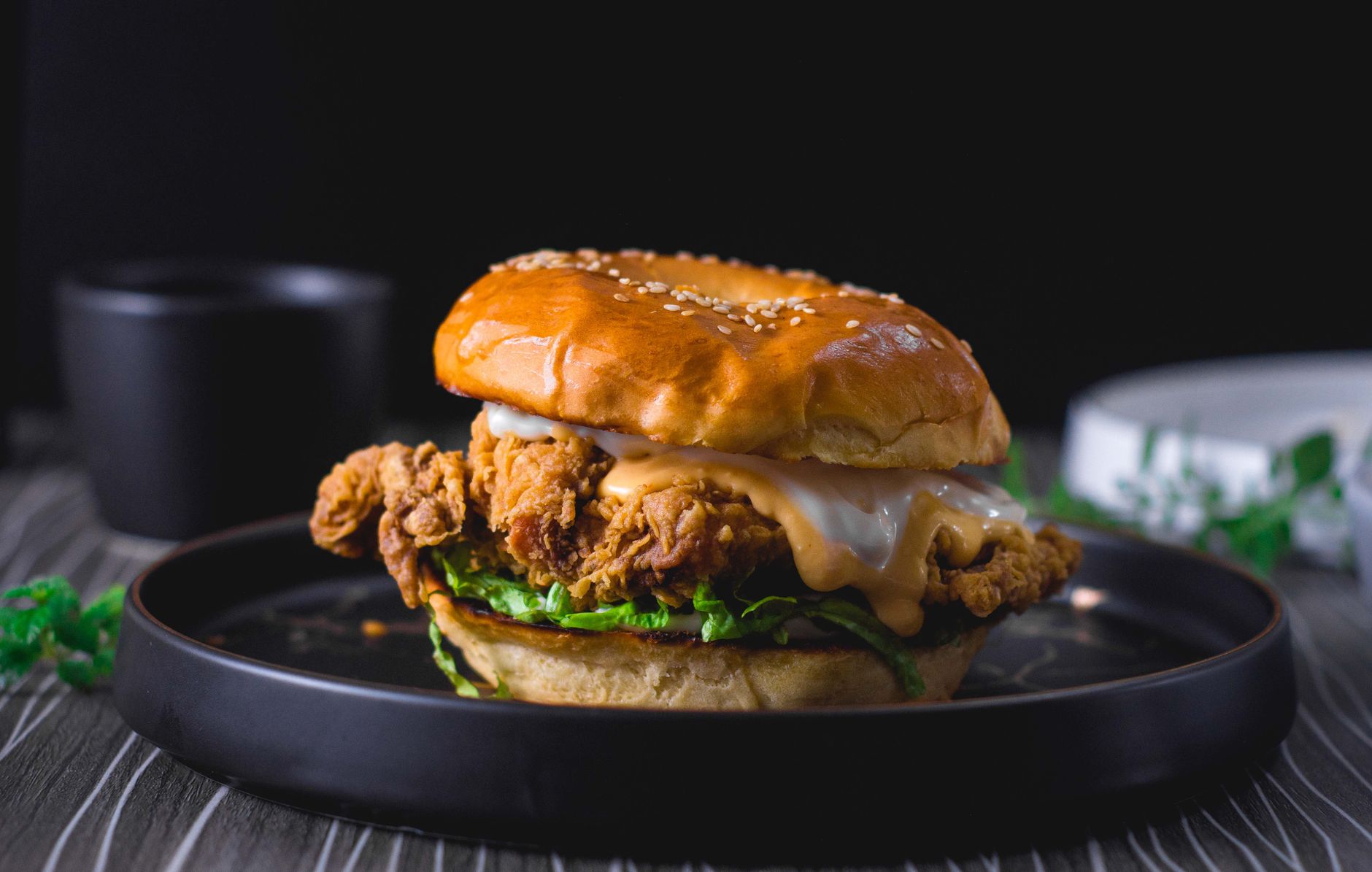
Apr 30, 2026Shichimi Togarashi Katsu Burger with Spicy Mayo
Crispy chicken katsu meets American comfort food in this Japanese-inspired burger, with shichimi togarashi adding aromatic heat and homemade spicy mayo bringing everything together. 40 min · 0 saves.

japanese · medium
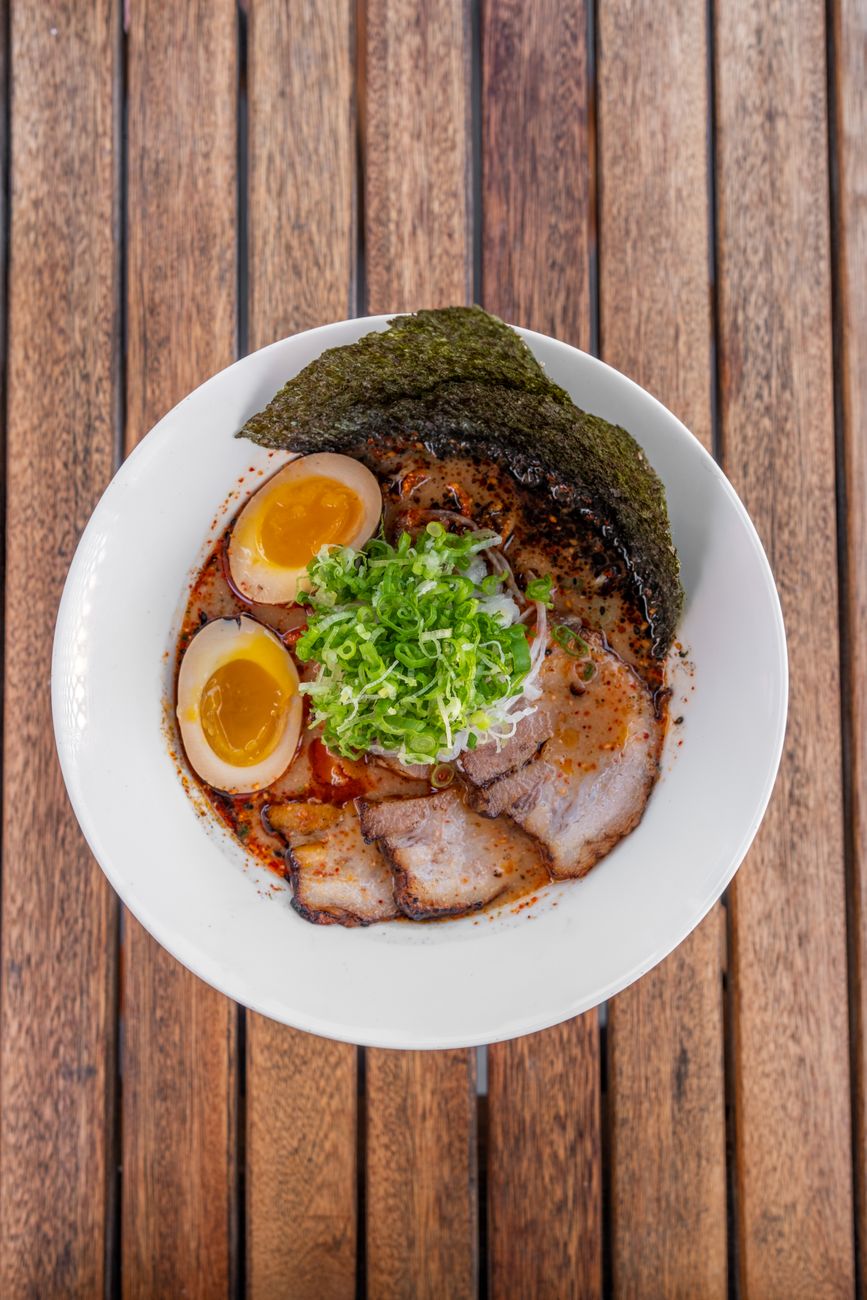
Apr 14, 2026Spicy Miso Ramen with Togarashi Oil
Rich, warming ramen with fermented chili-miso broth and aromatic togarashi oil that builds gentle heat with each spoonful. 70 min · 0 saves.
Bottle picks
Related hot sauce reviews.
Explore sauces with related ingredients, flavors, and heat levels.
Fly By Jing Sichuan Gold Review
A citrusy, tingly sauce with real peppercorn presence and enough versatility to move beyond dumplings.
Best for dumplings
Best for: Eggs and breakfast tacos
Skip if: Skip if you want a thick, smoky wing sauce more than a bright finishing bottle.
Read review
Mike's Hot Honey Review
Sweet heat done right: sticky, quick, and versatile enough to become a finishing move instead of a novelty.
Best for gifting
Best for: Pizza and fried chicken
Skip if: Skip if you want a classic vinegar-forward table sauce with almost no sweetness.
Read review
Heatonist Los Calientes Rojo Review
Heatonist Los Calientes Rojo: flavor notes, heat level, and suggested food pairings.
Best for tacos
Best for: Tacos and rice bowls
Skip if: Skip if you are chasing a novelty-level heat hit or a super-special-occasion bottle.
Read review
Go deeper
Background guides that build on this.
Keep reading
More on this subject.
If this post helped, these are the next pieces most likely to keep the thread going.

culture
Jun 15, 2026Four Middle Eastern Heat Styles That Should Be on Your Radar Right Now
From harissa's patient burn to zhug's bright herb-fire, these Middle Eastern heat styles teach us that the best spicy food builds complexity alongside warmth—and they'll change how your family thinks about heat.
culture
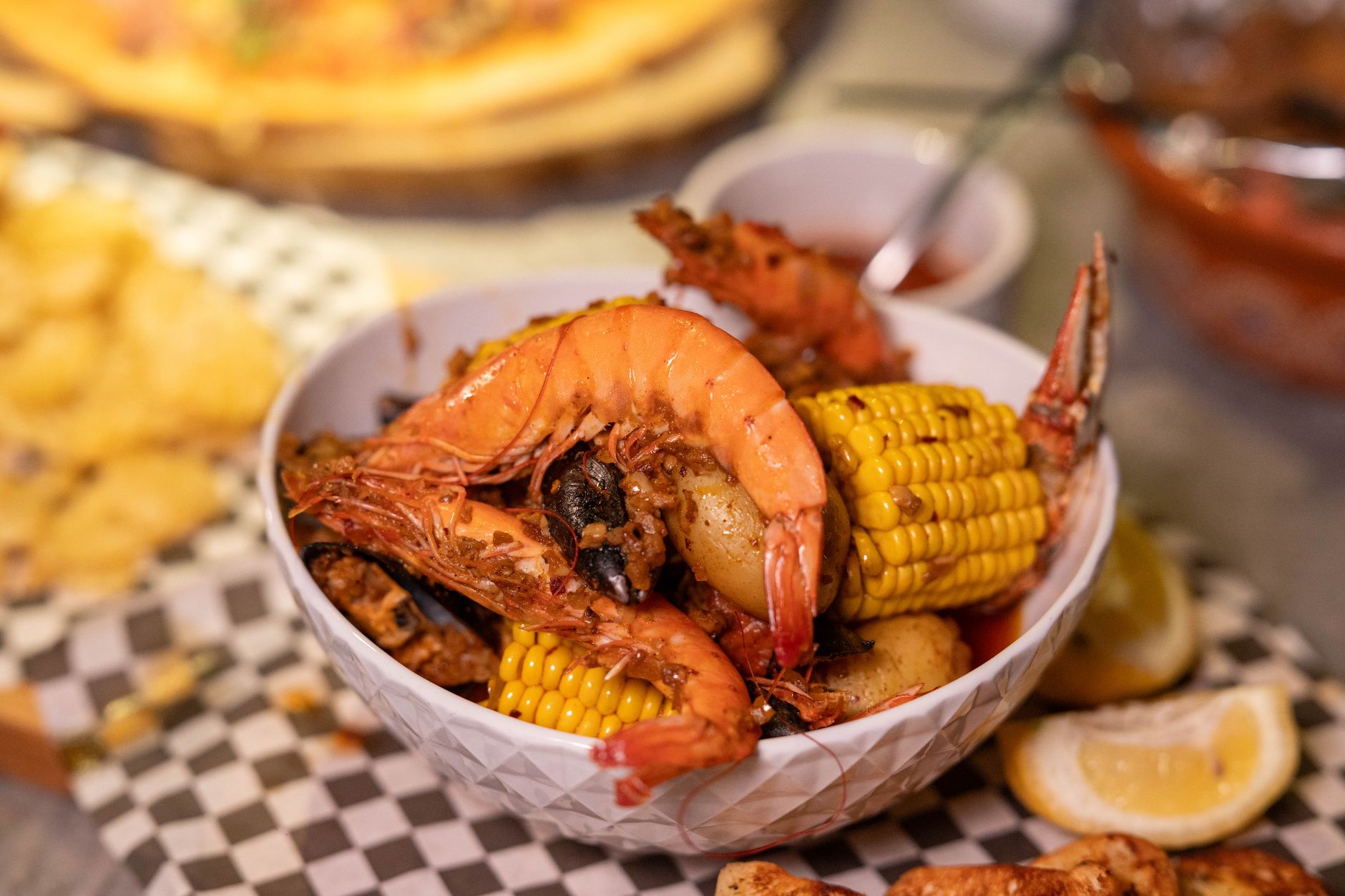
Jun 13, 2026Boudin, Crawfish Boils, and Cajun-Inspired Dishes
Boudin, crawfish boils, and Cajun-inspired dishes offer different textures and seasoning choices, from rice sausage to spiced seafood.
culture
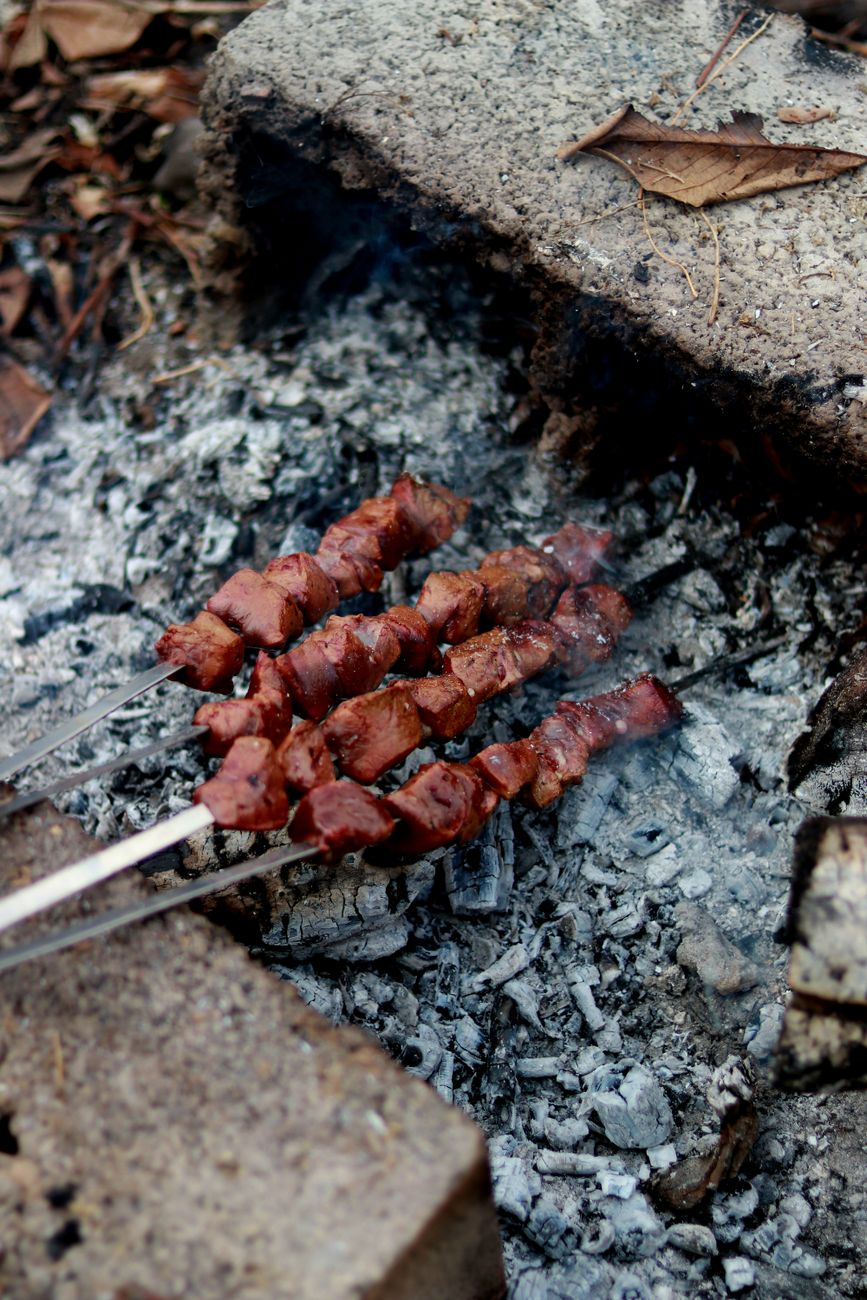
Jun 12, 2026Why Peruvian Spice Is Having Its Moment: Three Dishes That Show How Heat Works in Lima
From ají amarillo's golden fire to rocoto's sneaky burn, Peruvian kitchens understand heat like nowhere else. Here's why anticuchos, causa limeña, and ají de gallina should be on your table—and how their brilliant balance of spice and soul is winning over everyone from timid eaters to serious chile heads.
Comments
Reader discussion is shared across recipes, reviews, and editorial pieces.
Comments are read-only while member sign-in is paused.