
FlamingFoodies recipe
Spiced Lamb & Yogurt Rice Bowl with Carolina Reaper Chilli Oil
A Greek-inspired rice bowl built on charred lamb, cool yogurt, and finished with a carefully made Carolina Reaper chilli oil that delivers real heat without drowning out the flavors underneath. This is for people who want to actually taste their food—the burn is the point, but so is the meal.
Fluffy rice crowned with charred lamb and its braising liquid, a cool yogurt dollop, crispy cucumber, bright herbs, and a single golden drizzle of Carolina Reaper chilli oil that sits on top like a promise.
Ingredients
For the Lamb
- 1.5 lbslamb shoulder, cut into ¾-inch cubes, or lamb leg; avoid pre-ground
- 2 tbspolive oil, for searing
- 1.5 tspkosher salt
- ½ tspblack pepper
- 1 tspdried oregano
- 2 clovesgarlic, minced
For the Rice
- 2 cupswhite rice, short-grain or medium-grain
- 4 cupschicken or vegetable stock
- 1 pinchkosher salt
For the Yogurt & Toppings
- 1 cupfull-fat Greek yogurt
- 1 tbspfresh lemon juice
- ¼ tspkosher salt
- 2 mediumcucumbers, diced
- ¼ cupfresh mint, torn
- ¼ cupfresh dill, chopped
- ½ cupcrumbled feta cheese
Carolina Reaper Chilli Oil
- 2 wholeCarolina Reaper chillies, stems removed and seeded, wear gloves; do not touch face
- ½ cupneutral oil (grapeseed or vegetable)
- 3 clovesgarlic, crushed
- ¼ tspkosher salt
- 1 pinchdried oregano
Method
1. Make the Carolina Reaper oil Wearing gloves, seed the Carolina Reaper chillies completely—the seeds hold most of the heat and can make the oil unpredictably sharp—then mince them into a fine paste. Warm the neutral oil gently in a small saucepan, add the chilli paste along with the crushed garlic, salt, and oregano, and let it bubble softly for 3–4 minutes, stirring constantly. What you want is that intense, peppery aroma—not a burnt, acrid smell. Once it cools to room temperature, pour it through cheesecloth into a jar and let it sit. It keeps getting better for a day or two.
Watch for: The oil will smell sharp and slightly floral when it's right; the garlic will just start to color but never brown
Tip: This is your heat anchor. Making it carefully means you control the burn, not the other way around.
2. Sear and braise the lamb Pat your lamb cubes dry and season them well with salt, pepper, and oregano. Get your skillet hot with 2 tbsp olive oil over medium-high heat until it's shimmering, then sear the lamb in two batches, about 4–5 minutes per batch. You're after a dark, caramelized crust on all sides—resist the urge to stir it around; let it sit and char. Once both batches are done, deglaze the pan with 1 cup of stock, scraping up every brown bit, add the minced garlic, return the lamb to the pan with the remaining 3 cups of stock, and simmer gently covered for 20–25 minutes. The meat is done when it pulls apart easily under a fork.
Watch for: Listen for the sizzle when the meat hits the oil; the braising liquid should reduce to about half its original volume
Tip: Don't skip the crust. It's where the deep, complex flavor comes from.
3. Cook rice and prep everything else Rinse the rice under cold water until the water runs clear, then cook it using the 2:1 stock-to-rice ratio with a pinch of salt. While that goes, whisk Greek yogurt with lemon juice and salt in a small bowl—keep it smooth and pourable. Dice the cucumbers and toss them lightly with salt to soften them a bit and release some water. Tear the mint by hand (it's more delicate that way), chop the dill, and crumble the feta. Have everything ready and at room temperature or chilled before the lamb comes off the heat.
Watch for: The rice should be tender and fluffy, not mushy or crunchy; the yogurt should be smooth and easy to dollop
4. Assemble the bowls Divide the cooked rice evenly among four bowls and create a small well or gentle mound in the center of each. Spoon the braised lamb and all of its cooking liquid over the rice—you want both tender meat and the flavorful braising sauce. Add a generous dollop of the lemon yogurt to one side of each bowl, then scatter the drained cucumber, torn mint, fresh dill, and crumbled feta across the top. The bowl should look composed but natural: layers visible, colors distinct, everything fresh-looking. Only now does the chilli oil go on, drizzled over the top starting with ½ tsp per bowl.
Watch for: The chilli oil should sit visibly on top of the yogurt or herbs, not disappear into the rice; you should see that golden color clearly
Tip: Serve the oil on the side or drizzle it yourself so each person controls their own heat level.
Equipment
- Large heavy-bottomed skillet or Dutch oven
- Small saucepan
- Cheesecloth or fine-mesh strainer
- Cutting board and sharp knife
- Disposable gloves
- Paper towels
Make ahead
- The chilli oil is actually better 1–2 days ahead; it improves as it sits and the flavors get more integrated. The braised lamb can be made completely 1 day ahead, cooled, and reheated gently over medium-low heat. Cook the rice several hours in advance and keep it at room temperature, or reheat it gently when you need it. Assemble the bowls to order so the yogurt stays cold, the rice stays separate, and everything tastes as fresh as possible.
Storage
- Keep the chilli oil in a sealed jar at room temperature for up to a week. Store braised lamb in an airtight container in the fridge for up to 4 days. Rice keeps for 3 days refrigerated. Add the yogurt, fresh herbs, and feta fresh at serving time so they stay bright and cold.
Reheat
- Gently reheat the braised lamb in a saucepan over medium-low heat with a splash of water or stock, stirring occasionally—don't let it boil or it'll toughen up. Reheat rice in the microwave with a splash of water in a covered bowl, or warm it gently in a skillet. Warm your braising stock separately if you want a brothier bowl.
Top tips
- Make the chilli oil 1–2 days ahead if you can. It gets more integrated and intense as it sits, and you'll have much better control over the heat.
- Seed those Carolina Reaper chillies completely. The seeds are heat bombs; removing them keeps the burn intense but refined instead of just brutal.
- The yogurt isn't just a topping—it's essential. It's your cooling counterweight that makes the reaper heat survivable and the whole bowl actually enjoyable to eat.
Substitutions
- Beef chuck instead of lamb: It'll need about 30 minutes of braising instead of 20–25, but works really well.
- Brown rice: Use a 2.5:1 stock-to-rice ratio and give it more time. The nuttiness pairs nicely with the lamb.
- Labneh instead of Greek yogurt: It's thicker and tangier, so thin it with a little water or lemon juice before dolloping.
Serve with
- Set out warm pita bread on the side for soaking up the braising liquid and yogurt.
- Serve a simple fresh tomato and red onion salad alongside, dressed just with lemon and olive oil.
- Pair with a crisp white wine like Assyrtiko or a light beer—both cut through the heat cleanly.
Find another recipe
Open archive →Spiced Lamb & Yogurt Rice Bowl with Carolina Reaper Chilli Oil

A Greek-inspired rice bowl built on charred lamb, cool yogurt, and finished with a carefully made Carolina Reaper chilli oil that delivers real heat without drowning out the flavors underneath. This is for people who want to actually taste their food—the burn is the point, but so is the meal.
Prep
25 min
Cook
35 min
Active
30 min
Total
1 hr
Yield
4 servings
Share this
Pass it around
Send this page to a friend, copy the link, or save it to a Pinterest board.
Save for later
Pin this page
Save the image with a link back to this recipe, review, or article.
Peppers in this recipe
Why this recipe works
Before you cook
Greek cooking has never needed extreme heat—oregano, lemon, garlic, and good olive oil do all the heavy lifting. But there's real precedent for letting people add their own fire: a bowl of harissa sitting alongside mezze, ready for whoever wants it. This bowl takes that idea and pushes it as far as it can go with Carolina Reaper, but here's the thing: the yogurt, feta, and charred lamb keep everything grounded and delicious. The chilli oil is made fresh, strained for clarity, and drizzled at the table so you control exactly how much heat lands on your bowl. You're not trying to prove anything. You're cooking a real meal that happens to burn.
The goal here is not just heat. It is contrast, pacing, and texture: enough richness to feel satisfying, enough brightness to keep the plate moving, and enough chile character that the spice actually tastes like something.
Best use
Fast table win
Give yourself a little space to cook and this lands in the sweet spot between special and repeatable.
When to make it
Great for repeat meals
Cook once, eat well now, and still have enough left for another sharp meal.
Method
How to cook it
Use the step navigator to move around, or stay in cook mode and work top to bottom.
- 1
Step 1 of 4
Make the Carolina Reaper oil
Wearing gloves, seed the Carolina Reaper chillies completely—the seeds hold most of the heat and can make the oil unpredictably sharp—then mince them into a fine paste. Warm the neutral oil gently in a small saucepan, add the chilli paste along with the crushed garlic, salt, and oregano, and let it bubble softly for 3–4 minutes, stirring constantly. What you want is that intense, peppery aroma—not a burnt, acrid smell. Once it cools to room temperature, pour it through cheesecloth into a jar and let it sit. It keeps getting better for a day or two.
- 2
Step 2 of 4
Sear and braise the lamb
Pat your lamb cubes dry and season them well with salt, pepper, and oregano. Get your skillet hot with 2 tbsp olive oil over medium-high heat until it's shimmering, then sear the lamb in two batches, about 4–5 minutes per batch. You're after a dark, caramelized crust on all sides—resist the urge to stir it around; let it sit and char. Once both batches are done, deglaze the pan with 1 cup of stock, scraping up every brown bit, add the minced garlic, return the lamb to the pan with the remaining 3 cups of stock, and simmer gently covered for 20–25 minutes. The meat is done when it pulls apart easily under a fork.
- 3
Step 3 of 4
Cook rice and prep everything else
Rinse the rice under cold water until the water runs clear, then cook it using the 2:1 stock-to-rice ratio with a pinch of salt. While that goes, whisk Greek yogurt with lemon juice and salt in a small bowl—keep it smooth and pourable. Dice the cucumbers and toss them lightly with salt to soften them a bit and release some water. Tear the mint by hand (it's more delicate that way), chop the dill, and crumble the feta. Have everything ready and at room temperature or chilled before the lamb comes off the heat.
- 4
Step 4 of 4
Assemble the bowls
Divide the cooked rice evenly among four bowls and create a small well or gentle mound in the center of each. Spoon the braised lamb and all of its cooking liquid over the rice—you want both tender meat and the flavorful braising sauce. Add a generous dollop of the lemon yogurt to one side of each bowl, then scatter the drained cucumber, torn mint, fresh dill, and crumbled feta across the top. The bowl should look composed but natural: layers visible, colors distinct, everything fresh-looking. Only now does the chilli oil go on, drizzled over the top starting with ½ tsp per bowl.
Troubleshooting
Tips that matter
- Make the chilli oil 1–2 days ahead if you can. It gets more integrated and intense as it sits, and you'll have much better control over the heat.
- Seed those Carolina Reaper chillies completely. The seeds are heat bombs; removing them keeps the burn intense but refined instead of just brutal.
- The yogurt isn't just a topping—it's essential. It's your cooling counterweight that makes the reaper heat survivable and the whole bowl actually enjoyable to eat.
- Don't skimp on charring the lamb. The dark crust creates real contrast with the tender inside and anchors the entire bowl.
- Always drizzle the chilli oil at the table or let each person do it themselves. Heat tolerance varies wildly, and respect for that variation makes everyone happier.
Substitutions and variations
Remix without losing the point
Storage and leftovers
Plan ahead and reheat well
Make ahead
The chilli oil is actually better 1–2 days ahead; it improves as it sits and the flavors get more integrated. The braised lamb can be made completely 1 day ahead, cooled, and reheated gently over medium-low heat. Cook the rice several hours in advance and keep it at room temperature, or reheat it gently when you need it. Assemble the bowls to order so the yogurt stays cold, the rice stays separate, and everything tastes as fresh as possible.
Storage
Keep the chilli oil in a sealed jar at room temperature for up to a week. Store braised lamb in an airtight container in the fridge for up to 4 days. Rice keeps for 3 days refrigerated. Add the yogurt, fresh herbs, and feta fresh at serving time so they stay bright and cold.
Reheat
Gently reheat the braised lamb in a saucepan over medium-low heat with a splash of water or stock, stirring occasionally—don't let it boil or it'll toughen up. Reheat rice in the microwave with a splash of water in a covered bowl, or warm it gently in a skillet. Warm your braising stock separately if you want a brothier bowl.
Serve it like you mean it
Finish, pair, and plate
- Set out warm pita bread on the side for soaking up the braising liquid and yogurt.
- Serve a simple fresh tomato and red onion salad alongside, dressed just with lemon and olive oil.
- Pair with a crisp white wine like Assyrtiko or a light beer—both cut through the heat cleanly.
- Have extra lemon wedges at the table for brightness.
- Leave the chilli oil on the table so people can adjust their own heat to preference.
FAQ
The repeat questions
How hot is this actually?
Carolina Reaper maxes out around 1.5–2.2 million Scoville Heat Units. A single drizzle of ½ tsp of the oil will create serious, sustained burn for most people. If extreme heat is new to you, start with a tiny amount the size of a drop, wait 30 seconds, and see how you feel. The heat builds over 1–2 minutes, so don't immediately go back for more.
Can I make this without the chilli oil?
Absolutely. Follow the recipe but skip the chilli oil entirely. You'll have a delicious, traditional Greek-style lamb and rice bowl that stands on its own.
What if I touch my face after handling Carolina Reapers?
Capsaicin doesn't wash off with just water. Use milk, yogurt, or oil (not more chilli oil) to calm the burn, then wash your hands thoroughly with soap and water. Honestly, just wear disposable gloves when you're seeding and mincing the chillies—it's worth it.
How do I make the chilli oil less intense?
Remove more seeds from the reapers, or swap them for ghost peppers or habaneros. You can also increase the oil to ¾ cup to dilute the heat. Start conservative—it's easy to add more heat, impossible to remove it.
Why strain the chilli oil?
Straining removes the solids, which makes the oil more controllable and prevents random chilli pieces from causing sudden heat spikes. It also clarifies the oil so it looks beautiful pooling on top of the yogurt.
Can I use fresh or frozen reapers?
Yes to both. Use the same quantity (2 whole chillies), seeded. Thaw frozen ones first, then seed and mince them the same way.
How do I know when the lamb is actually done?
The meat should shred easily under a fork with barely any pressure. The braising liquid should have reduced to about half its original volume. If there's still resistance, give it another 5 minutes.
Can I use lamb leg?
Yes. Lamb leg is leaner and cooks a bit faster (18–20 minutes vs. 20–25). Shoulder has more fat and deeper flavor, so if you use leg, consider adding 1 tsp of tomato paste to the braising liquid for more depth.
Is this authentically Greek?
It uses Greek ingredients and technique—braised lamb, white rice, yogurt, herbs, feta—but pairs them with an extreme heat that Greek cuisine doesn't traditionally use. It's Greek-inspired, not traditional.
Heat profile
Challenge-level spice
The heat is the event here, so keep your garnishes and sides ready to balance it.
Skill level
Intermediate
A little sequencing matters, but nothing here should feel restaurant-only.
Cooking mode
Planned but practical
Give yourself a little space to cook and this lands in the sweet spot between special and repeatable.
Best moment
Great for repeat meals
Cook once, eat well now, and still have enough left for another sharp meal.
Cook this with
Three useful buys before you start
A sauce, a pantry ingredient, and a kitchen tool to consider for this dish.
Sauce
Torchbearer Garlic Reaper
Torchbearer · Best for wings
It brings enough heat to cut through the richer bites without flattening the rest of the dish.
Get the sauce used herePantry
Harissa Paste
Roast-anything helper
Roasts, braises, and yogurt sauces. The smoky-chili shortcut for roast carrots, meatballs, chicken thighs, and yogurt sauces that need a little menace.
Grab the pantry stapleGear
Stainless Steel Grill Basket
Summer helper
Seafood, fajitas, and charred vegetables. A cleaner route for shrimp, peppers, onions, and small vegetables that would otherwise disappear into the grates.
Use this toolPair this with
The right bottle for this recipe
These sauce picks are matched to the dish itself, not dropped in at random. Use them to finish, sharpen, or push the heat where it helps.
Torchbearer Garlic Reaper
It brings enough heat to cut through the richer bites without flattening the rest of the dish.
An extremely hot garlic-forward sauce that somehow keeps real flavor structure under all that reaper pressure.
Yellowbird Habanero
Use this when you want a brighter finishing hit next to the deeper flavors already built into spiced lamb & yogurt rice bowl with carolina reaper chilli oil.
A bright, carrot-forward bottle with enough heat to stay lively and enough sweetness to stay versatile.
Shop the pantry
Pantry staples for this recipe
Roast-anything helper
$8-$15Harissa Paste
Roasts, braises, and yogurt sauces. The smoky-chili shortcut for roast carrots, meatballs, chicken thighs, and yogurt sauces that need a little menace.
Check price on AmazonChar-ready marinade
$8-$14Nando's Medium Peri-Peri Sauce
Chicken, skewers, and grilled vegetables. The bottle to grab when chicken needs acid, garlic, and real heat before it hits the grill or broiler.
Check price on AmazonSmoky shortcut
$4-$10Chipotle Peppers in Adobo
Burger sauce, chili, and taco fillings. The pantry move for smoky mayo, burger sauce, taco braises, and chili that tastes like you actually thought ahead.
Check price on AmazonGear that pays off
Tools that make this easier to repeat
Summer helper
$18-$30Stainless Steel Grill Basket
Seafood, fajitas, and charred vegetables. A cleaner route for shrimp, peppers, onions, and small vegetables that would otherwise disappear into the grates.
Check price on AmazonKitchen staple
$25-$4512-Inch Cast Iron Skillet
Weeknight proteins and pan sauces. The sear-and-char pan for smash burgers, fajitas, cornbread, and anything that likes hard edges.
Check price on AmazonCook next
More recipes with similar heat
These are the next recipes most likely to fit the same mood, pantry, or heat level once this one is in your rotation.
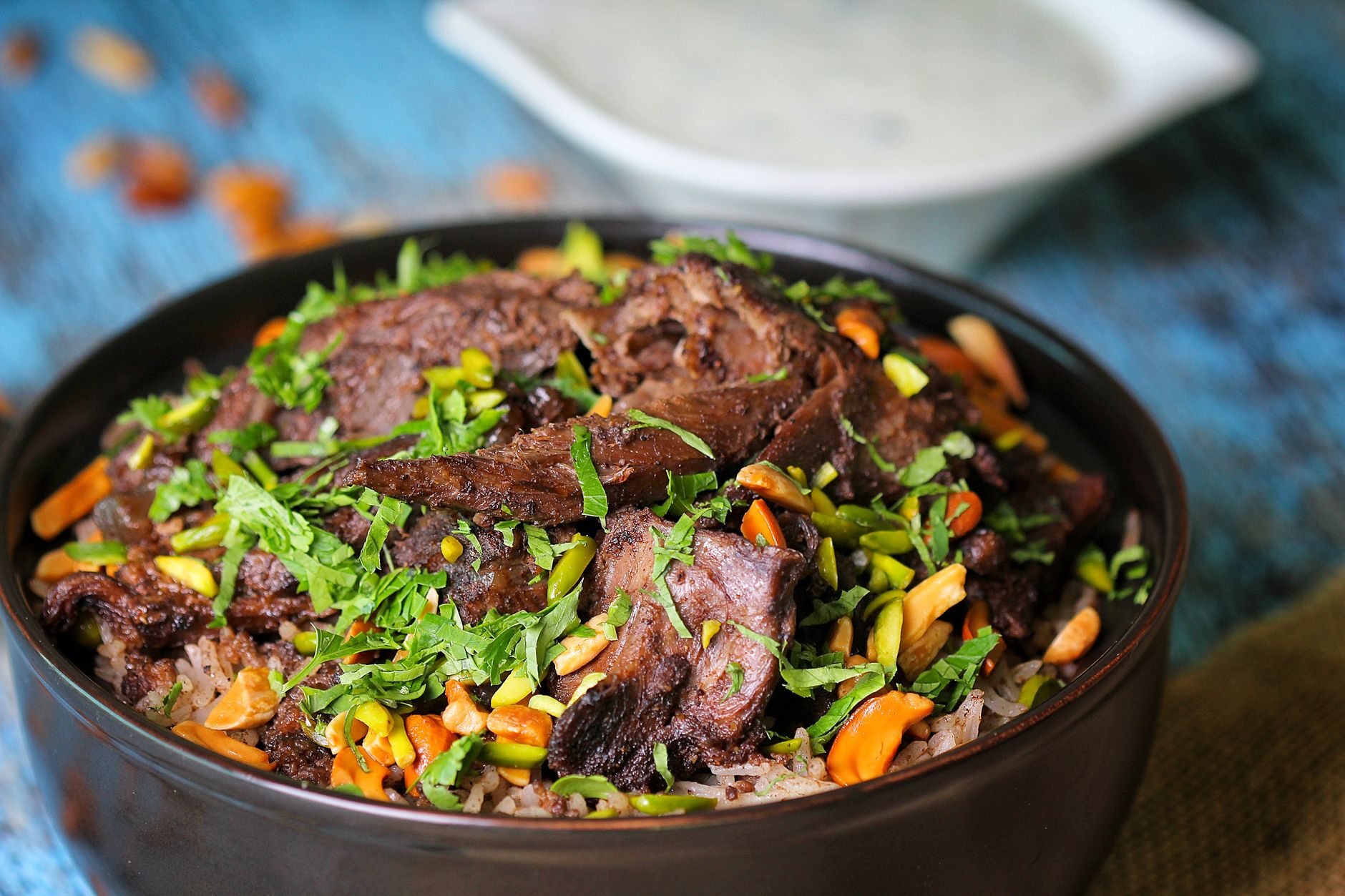
moroccan · reaper
Apr 22, 2026Moroccan Reaper Harissa Lamb and Apricot Rice Bowl
Tender lamb shoulder braised in Carolina Reaper harissa with dried apricots and warming spices, served over saffron rice with cooling yogurt and fresh herbs. 180 min · 0 saves.

other · mild
Apr 29, 2026Greek Spiced Lamb and Rice Bowl with Warm Pepper Yogurt
Tender ground lamb seasoned with oregano and mild Florina peppers over lemony rice, topped with a gently spiced yogurt sauce that brings warmth without overwhelming heat. 50 min · 0 saves.

other · inferno
May 5, 2026Grilled Lamb Souvlaki with Scorpion Pepper Tzatziki
Traditional Greek souvlaki gets a fiery twist with tender marinated lamb and tzatziki spiked with Trinidad Moruga Scorpion peppers—for those who like their Mediterranean with serious bite. 60 min · 0 saves.
FlamingFoodies picks
Pantry, gear, and bottle picks that fit this meal
Cookout all-rounder
Secret Aardvark Habanero Sauce
One of the easiest all-purpose bottles for tacos, burgers, breakfast potatoes, and fast dinners that need a save. Best for burgers, breakfast potatoes, and taco nights.
View on AmazonFlavor builder
Chung Jung One Gochujang Paste
Fermented chili paste for noodles, wings, marinades, and that sweet-savory Korean backbone. Best for layered heat with umami.
View on AmazonFrom the blog
More about this dish
Read more about the ingredients and cuisine.

science
Jun 14, 2026Filipino Cooking with Chili, Vinegar, and Coconut Milk
Explore the use of chili, vinegar, coconut milk, and fermented ingredients in Filipino dishes such as Bicol express and laing.
culture
Jun 10, 2026The Heat Revolution: Why Nigerian Spicy Food Is Having Its Moment
From warming pepper soups to scotch bonnet-loaded jollof, Nigerian cooks have mastered the art of building heat that actually enhances flavor—and the rest of us are finally catching on.
Background guides
Read the guide behind the technique
Learn more about the cooking techniques used here.
Community notes
Reader discussion is shared across recipes, reviews, and editorial pieces.
Comments are read-only while member sign-in is paused.