
FlamingFoodies recipe
Spaghetti all'Arrabbiata with Gentle Heat
A Roman-style pasta where tomatoes, garlic, and just a whisper of red pepper flakes come together in perfect harmony—warming your soul without setting your mouth on fire.
This approachable take on the Roman classic proves that authentic doesn't have to mean aggressive. With San Marzano tomatoes, quality olive oil, and a measured hand with the red pepper flakes, you'll get all the character of traditional arrabbiata with a warmth that welcomes everyone to the table.
Ingredients
For the recipe
- 1 lbspaghetti
- 1/3 cupextra-virgin olive oil
- 4 clovesgarlic, thinly sliced
- 1/2 teaspoonred pepper flakes
- 28 ozwhole San Marzano tomatoes, crushed by hand
- 1 teaspoonkosher salt
- 1/4 cupfresh parsley, chopped
- 1/2 cupPecorino Romano, grated, plus more for serving
Method
1. Bloom the aromatics Warm the olive oil in your skillet over medium heat, then add the sliced garlic and red pepper flakes. Stir them around frequently—you want them to release their flavors slowly and evenly. This gentle approach coaxes out the pepper's warmth without any harsh bite.
Watch for: Garlic should be golden and fragrant, not brown
Tip: Keep the heat at medium to avoid bitter, burnt garlic
2. Build the tomato base Add those beautiful hand-crushed San Marzanos and the salt to your aromatic oil. They'll splutter and bubble at first, then settle into a gentle, happy simmer. Stir occasionally and let the sauce work its magic, concentrating and deepening in flavor.
Watch for: Sauce should coat a spoon lightly and have lost its raw tomato taste
3. Cook the pasta Drop your spaghetti into the bubbling salted water and cook it until it's just shy of al dente—about 1 minute less than the package suggests. Before you drain, save a full cup of that precious, starchy pasta water. You'll need it to bring everything together.
Watch for: Pasta should have slight resistance when bitten
Tip: Slightly undercook the pasta since it finishes cooking in the sauce
4. Marry pasta and sauce This is where the magic happens. Add the drained spaghetti straight into the simmering sauce with 1/4 cup of pasta water. Toss everything together vigorously with tongs, adding more pasta water as needed. The starch works with the oil and tomatoes to create a silky coating that hugs every strand.
Watch for: Sauce should coat the pasta without pooling in the bottom of the pan
Tip: The vigorous tossing creates an emulsion between oil, starch, and tomatoes
Equipment
- large pasta pot
- large skillet or sauté pan
- tongs
- colander
Make ahead
- The sauce keeps beautifully in the fridge for up to 2 days. Just warm it gently before tossing with fresh pasta.
Storage
- Leftover pasta will keep in the refrigerator for 3 days. The sauce gets absorbed into the noodles, but it's still delicious eaten cold or reheated.
Reheat
- Add a splash of water or olive oil when reheating to bring the sauce back to life. Microwave in 30-second bursts, stirring between each one.
Top tips
- Crushing tomatoes by hand gives you better texture and lets you remove any tough bits
- That starchy pasta water is liquid gold—it's what makes the sauce cling perfectly to each strand
- Pecorino Romano brings more personality than Parmesan to this Roman classic
Substitutions
- Good-quality regular canned whole tomatoes work fine if San Marzanos aren't in the budget
- Fresh basil instead of parsley gives a completely different but equally lovely herbal note
- Parmigiano-Reggiano can stand in for Pecorino Romano, though it's a bit less traditional
Serve with
- Set out some crusty Italian bread for soaking up every last drop of sauce
- A simple arugula salad with lemon and olive oil makes a perfect, peppery contrast
- End the meal with fresh fruit or a small scoop of good gelato
Find another recipe
Open archive →Spaghetti all'Arrabbiata with Gentle Heat

A Roman-style pasta where tomatoes, garlic, and just a whisper of red pepper flakes come together in perfect harmony—warming your soul without setting your mouth on fire.
Prep
10 min
Cook
25 min
Active
15 min
Total
35 min
Yield
4 servings
Share this
Pass it around
Send this page to a friend, copy the link, or save it to a Pinterest board.
Save for later
Pin this page
Save the image with a link back to this recipe, review, or article.
Peppers in this recipe
Recipe notes
Before you cook
Arrabbiata relies on red pepper flakes for warmth rather than aggression. This version uses San Marzano tomatoes and good olive oil with a measured amount of peperoncino—enough to complement the bright tomato sauce without overwhelming it. Bloom the pepper flakes slowly in oil before adding tomatoes and fresh herbs. The result is a dish that works across heat tolerances.
Total time
35 min
Prep: 10 min. Cook: 25 min.
Yield
4 servings
The ingredient quantities below are for this yield.
Method
How to cook it
Use the step navigator to move around, or stay in cook mode and work top to bottom.
- 1
Step 1 of 4
Bloom the aromatics
Warm the olive oil in your skillet over medium heat, then add the sliced garlic and red pepper flakes. Stir them around frequently—you want them to release their flavors slowly and evenly. This gentle approach coaxes out the pepper's warmth without any harsh bite.
- 2
Step 2 of 4
Build the tomato base
Add those beautiful hand-crushed San Marzanos and the salt to your aromatic oil. They'll splutter and bubble at first, then settle into a gentle, happy simmer. Stir occasionally and let the sauce work its magic, concentrating and deepening in flavor.
- 3
Step 3 of 4
Cook the pasta
Drop your spaghetti into the bubbling salted water and cook it until it's just shy of al dente—about 1 minute less than the package suggests. Before you drain, save a full cup of that precious, starchy pasta water. You'll need it to bring everything together.
- 4
Step 4 of 4
Marry pasta and sauce
This is where the magic happens. Add the drained spaghetti straight into the simmering sauce with 1/4 cup of pasta water. Toss everything together vigorously with tongs, adding more pasta water as needed. The starch works with the oil and tomatoes to create a silky coating that hugs every strand.
Troubleshooting
Tips that matter
- Crushing tomatoes by hand gives you better texture and lets you remove any tough bits
- That starchy pasta water is liquid gold—it's what makes the sauce cling perfectly to each strand
- Pecorino Romano brings more personality than Parmesan to this Roman classic
Substitutions and variations
Storage and leftovers
Plan ahead and reheat well
Make ahead
The sauce keeps beautifully in the fridge for up to 2 days. Just warm it gently before tossing with fresh pasta.
Storage
Leftover pasta will keep in the refrigerator for 3 days. The sauce gets absorbed into the noodles, but it's still delicious eaten cold or reheated.
Reheat
Add a splash of water or olive oil when reheating to bring the sauce back to life. Microwave in 30-second bursts, stirring between each one.
At the table
Serving suggestions
- Set out some crusty Italian bread for soaking up every last drop of sauce
- A simple arugula salad with lemon and olive oil makes a perfect, peppery contrast
- End the meal with fresh fruit or a small scoop of good gelato
FAQ
Common questions
Can I make this completely mild?
Absolutely—just leave out the red pepper flakes entirely. You'll have a beautiful pomodoro sauce that's every bit as satisfying and authentic.
Why crush tomatoes by hand instead of using pre-crushed?
Hand-crushing lets you control the texture and catch any tough stem pieces. The irregular chunks also hold their shape better during cooking than machine-processed tomatoes.
What if I don't have San Marzano tomatoes?
Any high-quality whole canned tomatoes will do the job. Look for brands with simple ingredient lists—just tomatoes, juice, and maybe salt.
Heat profile
Mild heat
The recipe is classified as mild. Adjust the chile quantity to your preference.
Skill level
Beginner
Read the ingredient list and method before you start.
Total time
35 min
Prep: 10 min. Cook: 25 min.
Yield
4 servings
The ingredient quantities below are for this yield.
Cook this with
Three useful buys before you start
A sauce, a pantry ingredient, and a kitchen tool to consider for this dish.
Sauce
Los Calientes Rojo
Heatonist · Best for tacos
It brings enough heat to cut through the richer bites without flattening the rest of the dish.
Get the sauce used herePantry
Calabrian Chili Paste
Pantry heat
Pasta, sandwiches, and finishing sauces. Fruity Italian chili paste that wakes up vodka sauce, roast chicken, and garlicky pasta nights.
Grab the pantry stapleGear
Half Sheet Pan Set
Weeknight workhorse
Wings, sheet-pan dinners, and broiler finishes. The tray set that makes roasted wings, vegetables, salmon, and sheet-pan dinners feel like a plan instead of a scramble.
Use this toolPair this with
The right bottle for this recipe
These sauce picks are matched to the dish itself, not dropped in at random. Use them to finish, sharpen, or push the heat where it helps.
Los Calientes Rojo
It brings enough heat to cut through the richer bites without flattening the rest of the dish.
Heatonist Los Calientes Rojo: flavor notes, heat level, and suggested food pairings.
Yellowbird Habanero
It brings enough heat to cut through the richer bites without flattening the rest of the dish.
A bright, carrot-forward bottle with enough heat to stay lively and enough sweetness to stay versatile.
Shop the pantry
Pantry staples for this recipe
Pantry heat
$10-$18Calabrian Chili Paste
Pasta, sandwiches, and finishing sauces. Fruity Italian chili paste that wakes up vodka sauce, roast chicken, and garlicky pasta nights.
Check price on AmazonSweet heat
$10-$16Mike's Hot Honey
Finishing sweet-spicy dishes. The fast-track drizzle for pizza, fried chicken, salmon, Brussels sprouts, and hot sandwiches.
Check price on AmazonChar-ready marinade
$8-$14Nando's Medium Peri-Peri Sauce
Chicken, skewers, and grilled vegetables. The bottle to grab when chicken needs acid, garlic, and real heat before it hits the grill or broiler.
Check price on AmazonRecommended equipment
Cooking tools
Weeknight workhorse
$22-$40Half Sheet Pan Set
Wings, sheet-pan dinners, and broiler finishes. The tray set that makes roasted wings, vegetables, salmon, and sheet-pan dinners feel like a plan instead of a scramble.
Check price on AmazonSauce smoother
$25-$45Immersion Blender
Soups, sauces, and marinades. A fast cleanup tool for creamy soups, peri-peri marinades, blender salsas, and smoother hot sauce batches.
Check price on AmazonCook next
More recipes with similar heat
These are the next recipes most likely to fit the same mood, pantry, or heat level once this one is in your rotation.
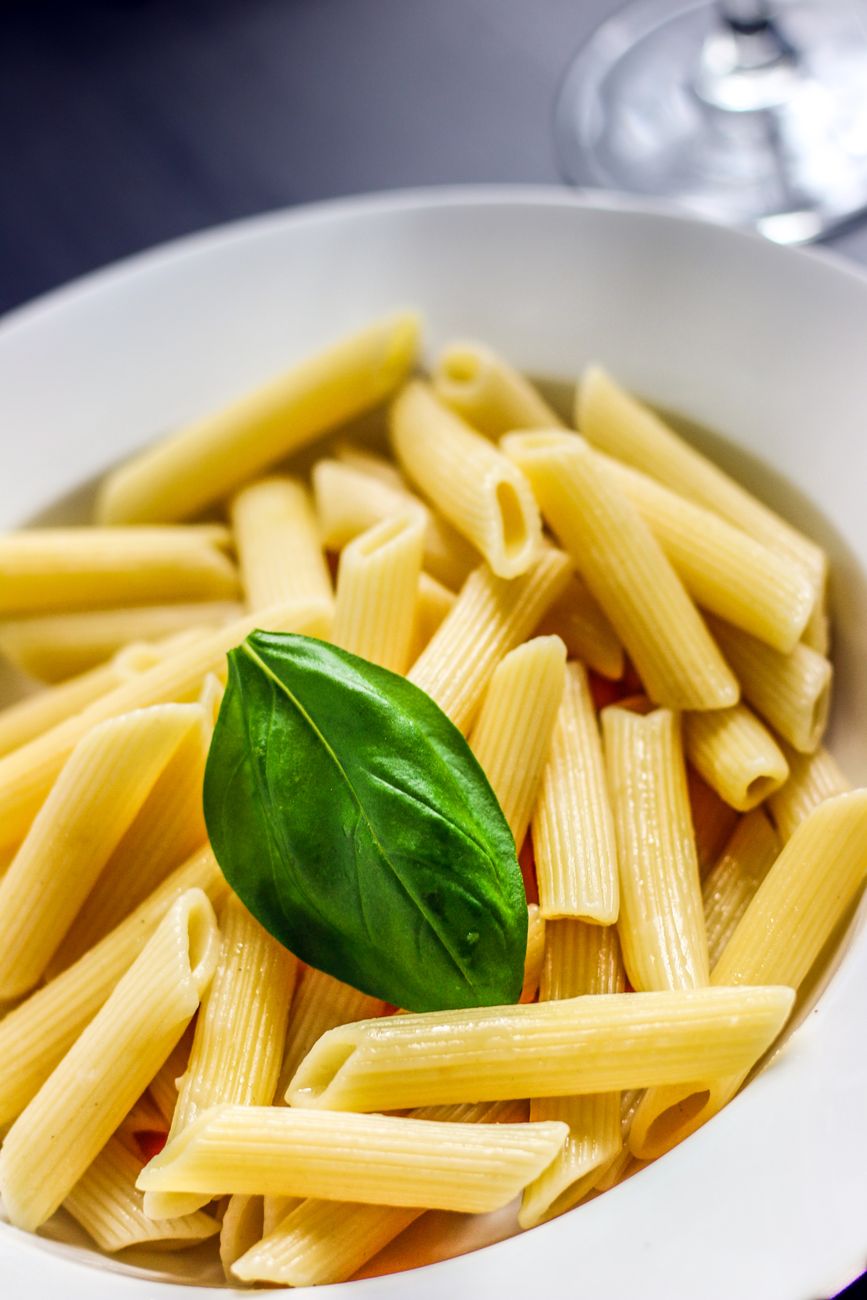
italian · mild
Apr 15, 2026Pasta all'Arrabbiata with Gentle Heat
A classic Roman pasta that brings just enough heat to warm you up without clearing the table—perfect tomatoes, garlic, and red pepper flakes in beautiful harmony. 35 min · 0 saves.

italian · mild
Apr 11, 2026Penne all'Arrabbiata with Gentle Heat
A classic Roman pasta with tomatoes, garlic, and just enough red pepper flakes to warm your throat without overwhelming the table. 35 min · 0 saves.

italian · mild
Apr 11, 2026Spaghetti all'Arrabbiata with Calabrian Chilies
A Roman pasta classic made with Calabrian chilies for gentle heat that builds without overwhelming. Garlic, tomatoes, and olive oil create the simple foundation. 30 min · 0 saves.
FlamingFoodies picks
Pantry, gear, and bottle picks that fit this meal
Everyday bottle
Yellowbird Habanero Hot Sauce
Bright carrot-habanero heat with enough body to work on eggs, tacos, and roasted vegetables. Best for breakfasts, tacos, and meal prep bowls.
View on AmazonNumbing heat
Fly By Jing Sichuan Gold
A more citrusy, peppercorn-leaning sauce when you want flavor movement instead of pure capsaicin. Best for dumplings, noodles, and fried eggs.
View on AmazonFrom the blog
More about this dish
Read more about the ingredients and cuisine.

science
Oct 6, 2026Why Spicy Italian Cooking is Becoming Harder to Ignore
Southern Italian cooks have always used peperoncini as a core seasoning, not a novelty. Here's how heat works in regional Italian cooking, why it's becoming more visible, and how to use dried peppers to sharpen flavor rather than overwhelm it.

science
Jun 7, 2026Nduja and Calabrian Chile Oil: Texture and Cooking Uses
Learn about the texture and culinary uses of nduja and Calabrian chile oil, from spreading on bread to seasoning pasta.
Background guides
Read the guide behind the technique
Learn more about the cooking techniques used here.
Community notes
Reader discussion is shared across recipes, reviews, and editorial pieces.
Comments are read-only while member sign-in is paused.