
science
Why Spicy Brazilian Cooking Is Having a Moment—And What You Should Actually Cook
Brazilian heat culture goes way beyond malagueta peppers—and it's finally getting the attention it deserves. We're breaking down the regional spicy dishes actually worth cooking right now, from Bahian dendê-fired seafood to São Paulo's fermented pimenta biquinho renaissance, plus why this approach to building heat (layered, craveable, never punishing) is exactly what home cooks are hungry for.
Share this
Pass it around
Send this page to a friend, copy the link, or save it to a Pinterest board.

Save for later
Pin this page
Save the image with a link back to this recipe, review, or article.
Why Spicy Brazilian Cooking Is Having a Moment—And What You Should Actually Cook
Brazilian food has a heat problem—and I mean that as a compliment. For years, the country's spicy traditions stayed mostly behind closed doors: family kitchens in Bahia, street stalls in Rio, home cooks in the northeast who learned their heat tolerance before they learned to read. But something has shifted. Cooks outside Brazil are finally paying attention to how Brazil actually builds heat, not just whether a dish includes hot peppers.
This isn't about macho eating or challenge-level spice. Brazilian spicy cooking is almost always about balance. Heat arrives alongside coconut milk, citrus, fermented cashew, dendê oil, or a slow braise. It's heat with purpose. And that approach—genuinely craveable, layered, not punishing—is exactly what home cooks and restaurants are seeking right now.
Let's talk about what's actually worth making and why these dishes matter.
Bahian Seafood and the Dendê Factor
If you've had proper moqueca—the Bahian fish stew that's creamy, earthy, and alive with heat—you understand why this style is resurfacing. The sauce isn't just fish stock and peppers. It's built on dendê oil (palm oil), coconut milk, garlic, onion, cilantro, and malagueta peppers, simmered long enough that every element integrates. The heat doesn't spike; it lingers in the background of something much richer.
The science here actually matters to how it tastes. Dendê oil has a lower smoke point than refined oils, so it breaks down differently during cooking. Combined with the fat in coconut milk and the natural gelatin from fish bones, the capsaicin from malagueta peppers disperses evenly through the sauce instead of concentrating in sharp points. You're not getting a pepper hit; you're getting a warm, rolling heat that makes you want another spoonful.
What's driving the craving right now:
- Regional specificity: Bahian moqueca tastes different from Rio's versions, which differ from São Paulo takes. Home cooks are learning these distinctions instead of treating "moqueca" as one universal thing.
- Ingredient revival: Better access to dendê oil and quality malagueta peppers (fresh and frozen) has made authentic versions genuinely possible in home kitchens outside Brazil.
- The coconut-heat pairing: Home cooks are realizing that coconut milk doesn't soften spice—it distributes it differently, making dishes more craveable over time.
If you're going to make moqueca at home, use firm white fish (halibut, cod, or snapper all work beautifully), fresh malagueta peppers (seeds and all for more heat, or remove them if you want gentler burn), and good dendê oil. Let the stew simmer for at least 20 minutes before the fish goes in. That time isn't wasted; it's building foundation.
The Pimenta Biquinho Renaissance
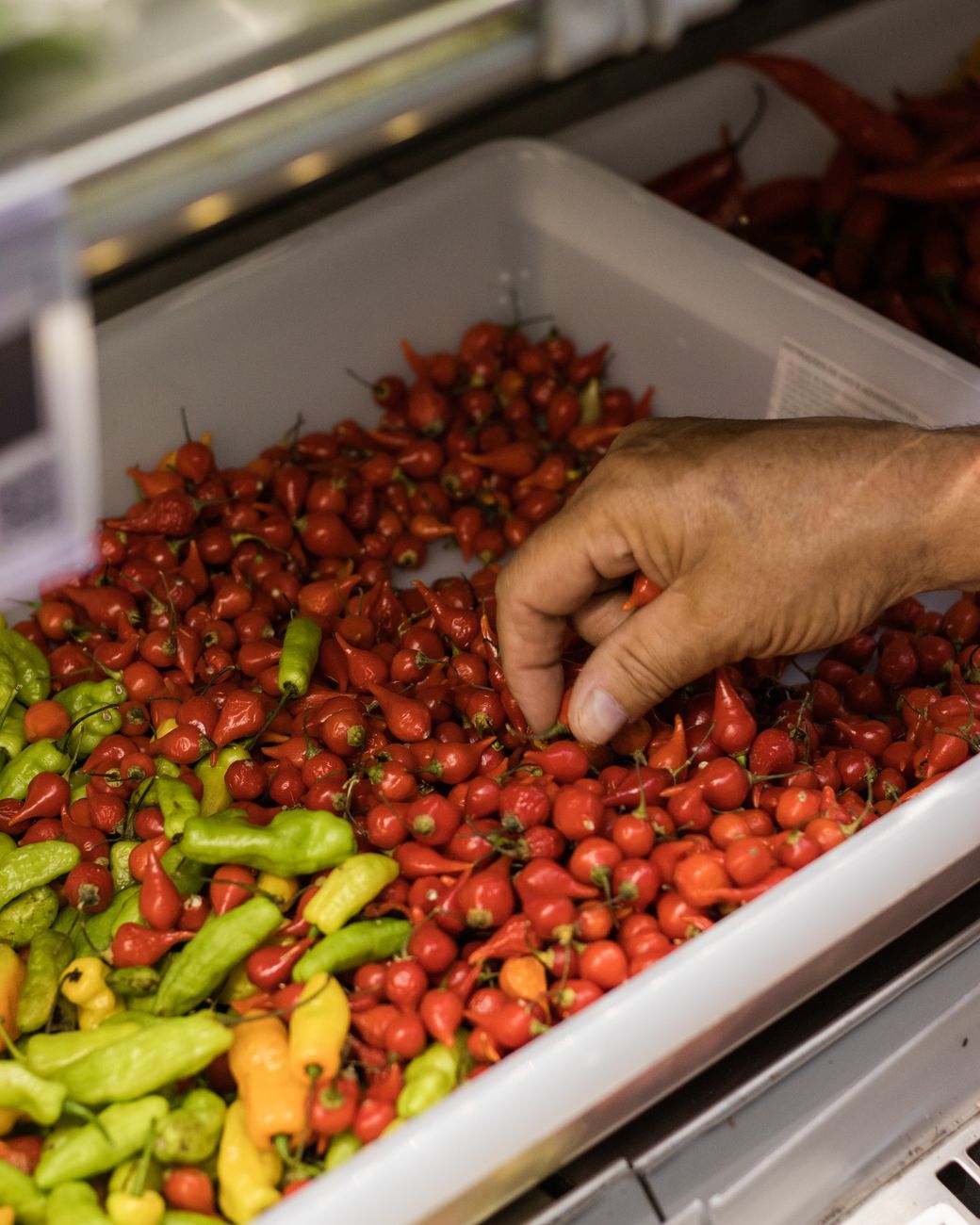
If malagueta peppers are Brazil's workhorse heat, pimenta biquinho are the country's secret weapon for people who want real flavor without face-melting intensity. These small, pointed peppers ("biquinho" means "little beak") are meaty, fruity, and considerably milder than malagueta—closer to a jalapeño in heat level, but with entirely different flavor notes. They're slightly sweet, almost apple-like.
For years, pimenta biquinho stayed regional. Now they're showing up in São Paulo's best new restaurants, in hot sauce experiments, and in home kitchens worldwide because cooks have realized something important: not every spicy dish needs to be aggressive.
The current wave centers on fermented pimenta biquinho preparations. Unlike fresh pepper applications, fermentation mellows the heat slightly while developing complex, almost umami-forward flavors. A jar of fermented pimenta biquinho—submerged in brine with garlic, herbs, and sometimes a touch of mustard seed—becomes something you can spoon onto nearly anything: grilled chicken, rice and beans, soft cheese, eggs, cured meats.
This matters because it represents a real shift in how Brazilian cooks (and cooks learning from Brazilian traditions) think about heat:
Why fermentation is reshaping the conversation:
- Heat becomes textured, not one-note
- Peppers develop savory depth alongside their natural sweetness
- The fermentation creates probiotics and makes the preparation shelf-stable without heavy processing
- Home fermentation is genuinely simple—just peppers, salt, time, and a clean jar
You can ferment pimenta biquinho at home using a 5% salt brine (about 50 grams of salt per liter of water). Pack whole peppers into a jar, pour brine to cover, weight them down so they stay submerged, and leave at room temperature for 3-6 weeks depending on how developed you want the flavors. Taste after three weeks; you'll probably want to let it go longer.
The Rise of Caldo Verde-Style Heat
This one's more subtle but increasingly worth understanding. Caldo verde—the Portuguese-Brazilian kale and potato soup—has started taking on real heat in contemporary preparations, particularly in Rio and São Paulo. The traditional version is mild: kale, potatoes, onions, sometimes sausage, finished with olive oil. Modern versions layer in malagueta peppers (either fresh sliced, or as a spicy oil) or include pimenta biquinho.
What's interesting isn't that someone added peppers to an old soup. It's that cooks realized caldo verde's mild, creamy potato base is an ideal canvas for heat to build on without overwhelming. The capsaicin has somewhere to go; it doesn't dominate.
This approach is influencing how home cooks everywhere think about building spicy soups and braises. Instead of sautéing peppers at the start (which can concentrate harshness), contemporary Brazilian-influenced cooking adds heat at the end or builds it into an oil that gets drizzled over individual bowls. This gives diners some control over their own heat level while keeping flavors bright.
If you're making a simple braise, soup, or stew and want to add Brazilian-style heat without guessing at quantities, consider making a quick pimenta oil: blend fresh malagueta or pimenta biquinho with neutral oil, garlic, and salt. Store in the fridge and add by the spoonful to finished dishes. You're building heat as a layer, not baking it in.
What's Changed and Why It Matters
Brazilian spicy cooking is becoming more visible because it solves a real problem in contemporary food culture. We've gotten better at accessing genuinely hot peppers, which led to a decade of heat-for-heat's-sake cooking. But that got old. People want heat that does something—that adds texture, develops over time, works alongside other flavors instead of obliterating them.
Brazilian traditions have always known this. Malagueta and pimenta biquinho peppers are rarely used alone. They're combined with coconut, citrus, fermentation, slow cooking, oil dispersal, and fat. The heat is integrated, not imposed.
That philosophy—treating spice as a fundamental ingredient deserving the same attention as salt or acid—is what's driving the current interest. It's not a trend that will disappear when the next hot pepper becomes fashionable. It's a genuinely different way of thinking about what spicy food can be.
Start with a proper moqueca or a jar of fermented pimenta biquinho. Pay attention to how the heat moves through the dish, how it changes across bites, what it's doing alongside the other flavors. That's where the craving comes from.
Peppers featured in this post
Cook with this idea
Recipes to try next.
Put these ingredients and techniques to use in your next meal.
other · medium
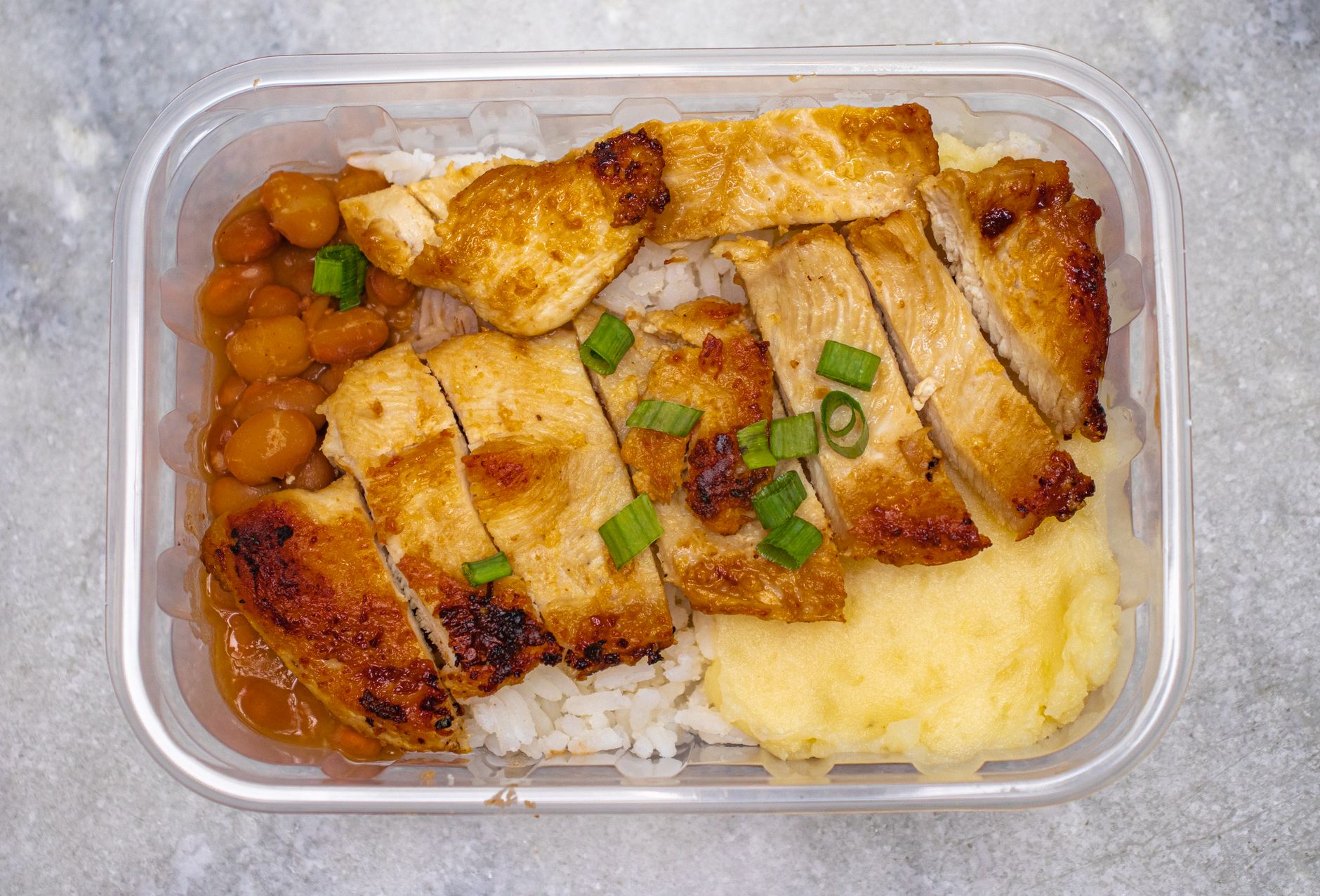
Jun 6, 2026Spicy Brazilian Chicken and Rice Bowl with Malagueta Pepper Sauce
Juicy chicken thighs braised in a vibrant sofrito with the fruity heat of malagueta peppers, nestled over coconut rice alongside buttery black beans and bright cilantro. 65 min · 0 saves.
other · medium
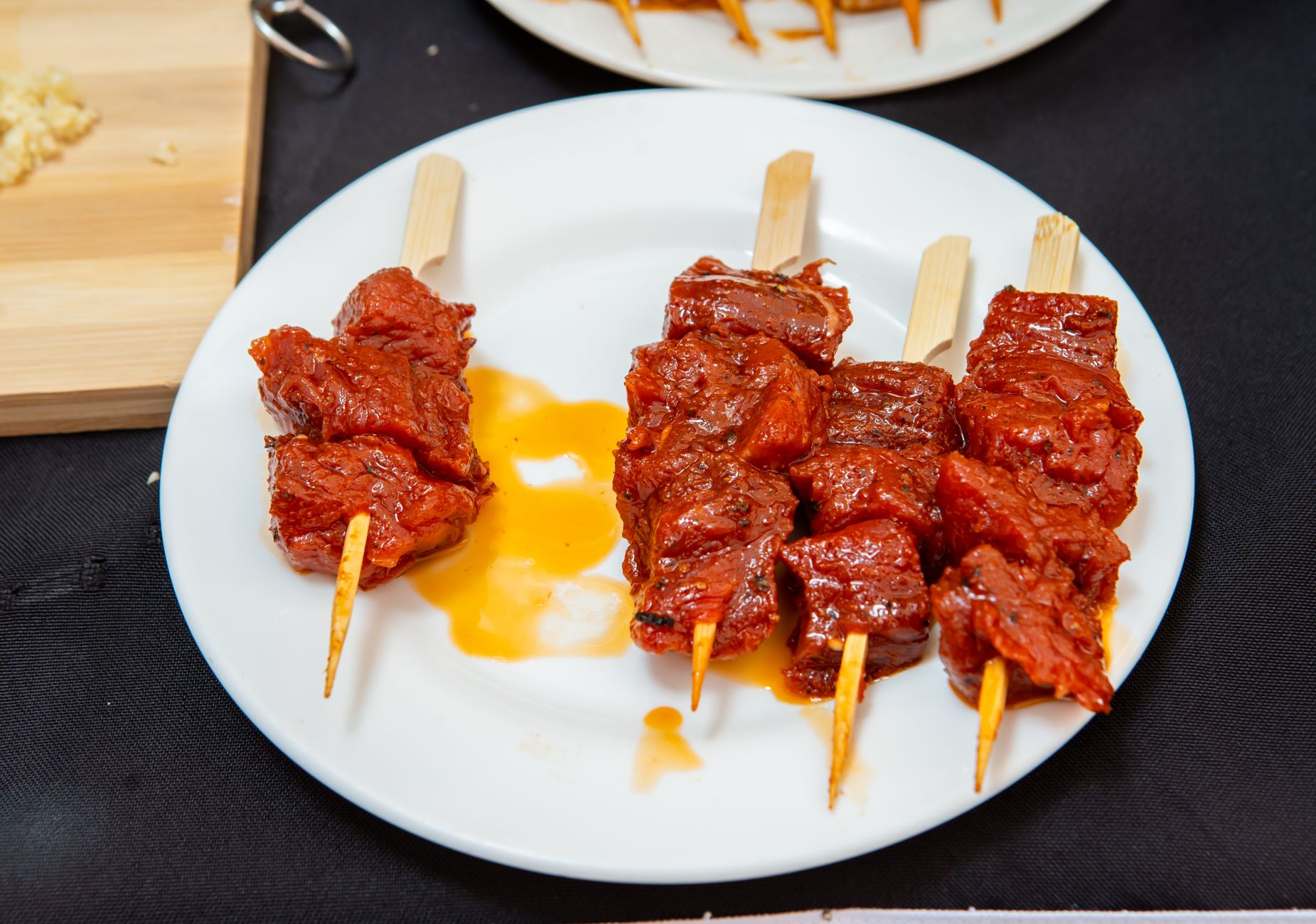
Jun 3, 2026Grilled Suya-Style Beef with Charred Pepper Sauce
Grilled beef strips seasoned with suya spice blend and served with a smoky charred pepper sauce. 45 min · 0 saves.

other · medium
Jun 1, 2026Turkish Red Lentil Stew with Urfa Biber and Mint
A soul-warming Turkish lentil stew brightened with smoky urfa biber chili flakes, fresh herbs, and a cooling yogurt swirl that turns weeknight dinner into something special. 50 min · 0 saves.
Bottle picks
Related hot sauce reviews.
Explore sauces with related ingredients, flavors, and heat levels.
Fly By Jing Sichuan Gold Review
A citrusy, tingly sauce with real peppercorn presence and enough versatility to move beyond dumplings.
Best for dumplings
Best for: Eggs and breakfast tacos
Skip if: Skip if you want a thick, smoky wing sauce more than a bright finishing bottle.
Read review
Mike's Hot Honey Review
Sweet heat done right: sticky, quick, and versatile enough to become a finishing move instead of a novelty.
Best for gifting
Best for: Pizza and fried chicken
Skip if: Skip if you want a classic vinegar-forward table sauce with almost no sweetness.
Read review
Heatonist Los Calientes Rojo Review
A balanced, smoky-red sauce that hits the sweet spot between everyday usability and enough bite to stay interesting.
Best for tacos
Best for: Tacos and rice bowls
Skip if: Skip if you want a classic vinegar-forward table sauce with almost no sweetness.
Read review
Go deeper
Background guides that build on this.
Keep reading
More on this subject.
If this post helped, these are the next pieces most likely to keep the thread going.
science
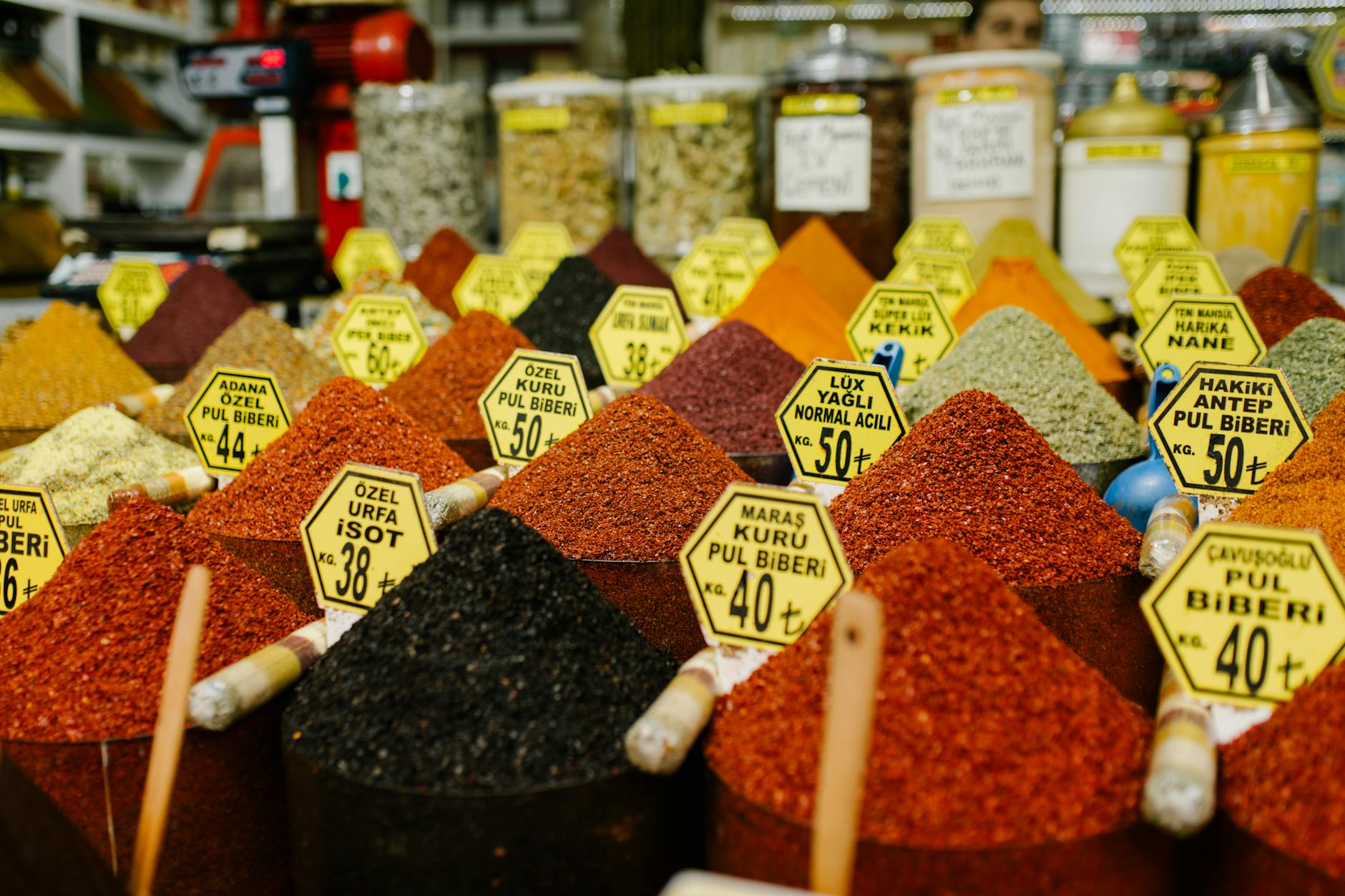
Jun 12, 2026Urfa Biber: How Turkish Dried Peppers Are Prepared and Used
A guide to Urfa biber and Turkish dried-pepper preparation, with ideas for seasoning dishes without relying on a single measure of heat.
science
Jun 1, 2026Greek Spiced Dishes: Gemista, Horiatiki, and Table Seasonings
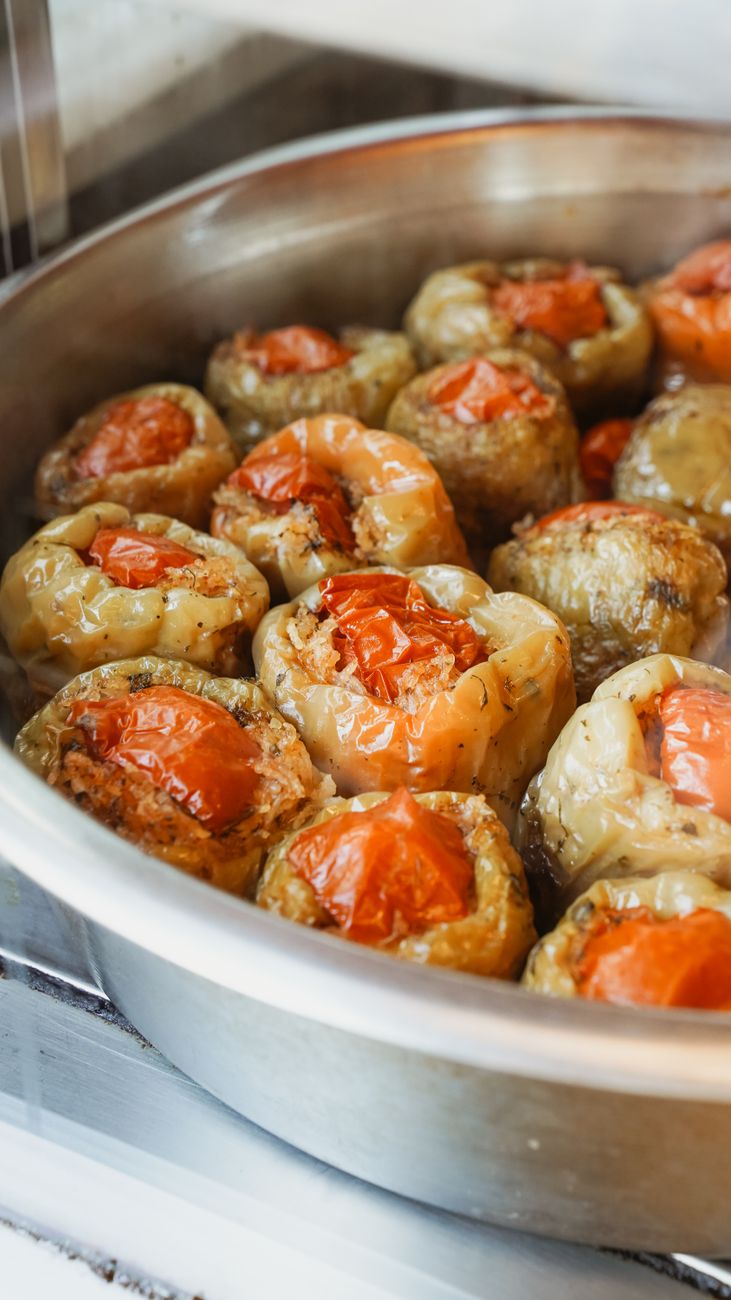
Gemista, horiatiki, and pepper-seasoned Greek dishes offer different ways to combine vegetables, cheese, herbs, and acidity.
science
May 27, 2026Turkish Pepper Seasonings for Adana Kebab, Menemen, and Muhammara
Urfa biber and other pepper seasonings bring different flavors to Adana kebab, menemen, and muhammara. Explore the ingredients and uses.
Comments
Reader discussion is shared across recipes, reviews, and editorial pieces.
Comments are read-only while member sign-in is paused.