
FlamingFoodies recipe
Moqueca de Pirarucu com Pimenta Carolina Reaper
A Brazilian fish stew spiked with Carolina Reaper heat, built on coconut broth, tomato, and bell pepper. The fish braises low and slow, absorbing heat and aromatics while staying tender.
Whole fish fillets in a creamy, spiced coconut broth thickened by its own juices and a soffritto of peppers and onion. The reaper heat mellows as it cooks into the stew but stays present in every spoonful.
Ingredients
For the stew
- 2 tablespoonsdendê oil or neutral oil, dendê (palm oil) is traditional; neutral oil works if dendê is hard to find
- 1 large onionyellow onion, diced
- 4 clovesgarlic, minced
- 1 wholeCarolina Reaper pepper, seeds and membranes removed, finely minced, about 1 teaspoon minced; this is spicy; wear gloves and avoid touching your face
- 1 large red bell pepper, or 2 smallerred bell pepper, diced
- 1 can (14 oz)diced tomatoes, or 1 lb fresh tomatoes, diced
- 1 can (13.5 oz)coconut milk, full-fat; do not use lite
- 1 cupfish stock or chicken stock
- 2 teaspoonskosher salt, adjust to taste
- ½ teaspoonblack pepper
- 2 tablespoonsfresh cilantro, chopped, optional but recommended
For the fish
- 1.5 poundsfirm white fish fillets, cod, grouper, snapper, or moqueca-style pirarucu if available; 6 oz per fillet works best
- 1 limelime, cut in half, for squeezing over fish before cooking
For serving
- 1 limelime, cut into wedges
- to taste pinchfresh cilantro or parsley, for garnish
Method
1. Build the soffritto with reaper heat Heat dendê oil in a large pot or deep skillet over medium heat. Add diced onion and cook for 4–5 minutes until softened and translucent. Stir in minced garlic and the minced Carolina Reaper, then add diced red bell pepper. Cook for another 3–4 minutes, stirring often, until the bell pepper begins to soften. The kitchen will smell intensely spicy; this is the reaper infusing the oil.
Watch for: Onion should be soft but not browned; reaper will perfume the oil.
2. Add tomato and coconut broth Pour in diced tomatoes (with liquid if canned) and stir to combine. Add coconut milk and fish stock. Season with salt and black pepper. Bring to a simmer over medium-high heat, stirring occasionally. Once simmering, lower the heat to maintain a gentle simmer and cook uncovered for 10 minutes so the tomato can soften and the broth can begin to emulsify.
Watch for: Broth should bubble slowly at the edges; coconut milk will lighten the tomato color.
3. Prepare and nestle the fish Pat fish fillets dry with paper towels. Squeeze the lime half over each fillet to season lightly. Carefully place fillets into the simmering broth, nestling them so they are mostly submerged but can be seen through the liquid. Do not stir; the fish will cook gently in the hot broth without breaking apart.
Watch for: Space fillets so heat circulates around each one; do not stack them.
4. Braise the fish until cooked through Lower the heat to medium-low. Simmer uncovered for 12–15 minutes, watching for the fish to turn opaque and flake gently when nudged with a fork. The fish is done when the flesh is no longer translucent and separates easily from any bones. Stir in fresh cilantro if using, and taste the broth. Add more salt or a squeeze of lime juice if needed.
Watch for: Fish flesh should be opaque and firm but still moist. Overcooked fish will fall apart into the broth.
Equipment
- large pot or deep skillet (4–5 quart capacity)
- cutting board and knife
- wooden spoon or silicone spatula
- paper towels
- measuring spoons and cups
- fork for testing doneness
Make ahead
- Prepare the soffritto and broth through Step 2 up to 1 day ahead. Cool, cover, and refrigerate. Reheat gently over medium heat before adding fish. This allows the reaper and other aromatics to meld overnight, creating deeper heat.
Storage
- Store cooled stew in an airtight container in the refrigerator for up to 2 days. The reaper heat will intensify slightly as the stew sits. Do not freeze; fish texture degrades significantly.
Reheat
- Reheat on the stovetop over low to medium heat, stirring gently, until steaming. Do not boil, or the fish will overcook and become mushy. If you've stored the stew without fish, you can reheat the broth fully, then add fresh or leftover cooked fish in the last minute to warm through.
Top tips
- Wear gloves when handling the Carolina Reaper and avoid touching your face. Wash your hands and utensils thoroughly before leaving the kitchen.
- The longer the stew simmers after adding the reaper, the more the heat mellows and integrates with the other flavors.
- Dendê oil is available at Latin and Brazilian markets and online. Its rich, slightly funky flavor is traditional to moqueca, but neutral oil will work fine.
Substitutions
- No dendê oil: use 2 tablespoons of neutral oil (vegetable, coconut, or olive) instead. The stew will lack the distinctive dendê color and richness but will taste equally spicy and aromatic.
- No Carolina Reaper available: use 1–2 teaspoons of reaper flakes or powder if you can source it, or substitute 1–2 Scotch bonnet peppers (seeds removed, minced), which will give similar heat with slightly different fruity notes.
- No fish stock: chicken stock, vegetable stock, or water all work. Fish stock adds umami, but the stew will be flavorful regardless.
Serve with
- Serve in wide, shallow bowls with white rice alongside so diners can balance the rice and stew.
- Offer lime wedges and fresh cilantro or parsley at the table so each diner can adjust acid and freshness.
- Pair with chilled beer, coconut water, or a light white wine to cool the reaper heat.
Find another recipe
Open archive →Moqueca de Pirarucu com Pimenta Carolina Reaper

A Brazilian fish stew spiked with Carolina Reaper heat, built on coconut broth, tomato, and bell pepper. The fish braises low and slow, absorbing heat and aromatics while staying tender.
Prep
25 min
Cook
35 min
Active
40 min
Total
1 hr
Yield
4 servings
Share this
Pass it around
Send this page to a friend, copy the link, or save it to a Pinterest board.
Save for later
Pin this page
Save the image with a link back to this recipe, review, or article.
Peppers in this recipe
Recipe notes
Before you cook
Moqueca is a coastal Brazilian stew where fish steams in a fragrant broth of tomato, coconut milk, and peppers. This version uses Carolina Reaper for layered heat that builds on the palate rather than arriving all at once. The slow braise keeps fish moist and lets the reaper's fruity notes blend with coconut and lime.
Total time
1 hr
Prep: 25 min. Cook: 35 min.
Yield
4 servings
The ingredient quantities below are for this yield.
Method
How to cook it
Use the step navigator to move around, or stay in cook mode and work top to bottom.
- 1
Step 1 of 4
Build the soffritto with reaper heat
Heat dendê oil in a large pot or deep skillet over medium heat. Add diced onion and cook for 4–5 minutes until softened and translucent. Stir in minced garlic and the minced Carolina Reaper, then add diced red bell pepper. Cook for another 3–4 minutes, stirring often, until the bell pepper begins to soften. The kitchen will smell intensely spicy; this is the reaper infusing the oil.
- 2
Step 2 of 4
Add tomato and coconut broth
Pour in diced tomatoes (with liquid if canned) and stir to combine. Add coconut milk and fish stock. Season with salt and black pepper. Bring to a simmer over medium-high heat, stirring occasionally. Once simmering, lower the heat to maintain a gentle simmer and cook uncovered for 10 minutes so the tomato can soften and the broth can begin to emulsify.
- 3
Step 3 of 4
Prepare and nestle the fish
Pat fish fillets dry with paper towels. Squeeze the lime half over each fillet to season lightly. Carefully place fillets into the simmering broth, nestling them so they are mostly submerged but can be seen through the liquid. Do not stir; the fish will cook gently in the hot broth without breaking apart.
- 4
Step 4 of 4
Braise the fish until cooked through
Lower the heat to medium-low. Simmer uncovered for 12–15 minutes, watching for the fish to turn opaque and flake gently when nudged with a fork. The fish is done when the flesh is no longer translucent and separates easily from any bones. Stir in fresh cilantro if using, and taste the broth. Add more salt or a squeeze of lime juice if needed.
Troubleshooting
Tips that matter
- Wear gloves when handling the Carolina Reaper and avoid touching your face. Wash your hands and utensils thoroughly before leaving the kitchen.
- The longer the stew simmers after adding the reaper, the more the heat mellows and integrates with the other flavors.
- Dendê oil is available at Latin and Brazilian markets and online. Its rich, slightly funky flavor is traditional to moqueca, but neutral oil will work fine.
Substitutions and variations
Storage and leftovers
Plan ahead and reheat well
Make ahead
Prepare the soffritto and broth through Step 2 up to 1 day ahead. Cool, cover, and refrigerate. Reheat gently over medium heat before adding fish. This allows the reaper and other aromatics to meld overnight, creating deeper heat.
Storage
Store cooled stew in an airtight container in the refrigerator for up to 2 days. The reaper heat will intensify slightly as the stew sits. Do not freeze; fish texture degrades significantly.
Reheat
Reheat on the stovetop over low to medium heat, stirring gently, until steaming. Do not boil, or the fish will overcook and become mushy. If you've stored the stew without fish, you can reheat the broth fully, then add fresh or leftover cooked fish in the last minute to warm through.
At the table
Serving suggestions
- Serve in wide, shallow bowls with white rice alongside so diners can balance the rice and stew.
- Offer lime wedges and fresh cilantro or parsley at the table so each diner can adjust acid and freshness.
- Pair with chilled beer, coconut water, or a light white wine to cool the reaper heat.
- Add fried cassava root (aipim frito) or toasted cassava flour (farofa) as a crunchy side.
FAQ
Common questions
Is this dish supposed to be this spicy?
Yes. Moqueca is a braise, so the Carolina Reaper cooks down and its heat integrates rather than burning. The stew should feel hot but not unbearable—the heat should build and linger on the palate. If it is too hot, increase the coconut milk or rice on the side, or use less reaper next time. To reduce heat, use half the reaper or swap for a milder pepper like habanero.
Can I make this without the reaper?
Yes, but it will no longer be a reaper-level moqueca. Use 1 diced fresh red chili (like a Thai red chili or Calabrian chili), or omit hot peppers entirely and rely on the red bell pepper for sweetness and body. The stew will be mild and coconutty.
Why does the fish sometimes fall apart in the broth?
Overcooked fish flakes because proteins contract and lose moisture in prolonged heat. Check doneness at 12 minutes by gently nudging a fillet with a fork; if it flakes easily and is opaque, it is done. If your fish is very thin (under ½ inch), reduce cooking time to 8–10 minutes. Thicker fillets may need the full 15 minutes.
Can I use canned coconut cream instead of coconut milk?
Coconut cream is thicker and richer; using it straight will make the stew too dense. You can substitute 1 can (13.5 oz) of coconut cream thinned with ½ cup extra stock or water. The stew will be slightly richer and less brothy.
Heat profile
Extremely hot
The recipe is classified as reaper-level heat. Measure hot sauces and chiles carefully.
Skill level
Intermediate
Check the method for steps that need to be prepared at the same time.
Total time
1 hr
Prep: 25 min. Cook: 35 min.
Yield
4 servings
The ingredient quantities below are for this yield.
Cook this with
Three useful buys before you start
A sauce, a pantry ingredient, and a kitchen tool to consider for this dish.
Sauce
Torchbearer Garlic Reaper
Torchbearer · Best for wings
It brings enough heat to cut through the richer bites without flattening the rest of the dish.
Get the sauce used herePantry
Chipotle Peppers in Adobo
Smoky shortcut
Burger sauce, chili, and taco fillings. The pantry move for smoky mayo, burger sauce, taco braises, and chili that tastes like you actually thought ahead.
Grab the pantry stapleGear
Stainless Steel Grill Basket
Summer helper
Seafood, fajitas, and charred vegetables. A cleaner route for shrimp, peppers, onions, and small vegetables that would otherwise disappear into the grates.
Use this toolPair this with
The right bottle for this recipe
These sauce picks are matched to the dish itself, not dropped in at random. Use them to finish, sharpen, or push the heat where it helps.
Torchbearer Garlic Reaper
It brings enough heat to cut through the richer bites without flattening the rest of the dish.
An extremely hot garlic-forward sauce that somehow keeps real flavor structure under all that reaper pressure.
Los Calientes Rojo
Use this when you want a brighter finishing hit next to the deeper flavors already built into moqueca de pirarucu com pimenta carolina reaper.
Heatonist Los Calientes Rojo: flavor notes, heat level, and suggested food pairings.
Shop the pantry
Pantry staples for this recipe
Smoky shortcut
$4-$10Chipotle Peppers in Adobo
Burger sauce, chili, and taco fillings. The pantry move for smoky mayo, burger sauce, taco braises, and chili that tastes like you actually thought ahead.
Check price on AmazonChar-ready marinade
$8-$14Nando's Medium Peri-Peri Sauce
Chicken, skewers, and grilled vegetables. The bottle to grab when chicken needs acid, garlic, and real heat before it hits the grill or broiler.
Check price on AmazonRoast-anything helper
$8-$15Harissa Paste
Roasts, braises, and yogurt sauces. The smoky-chili shortcut for roast carrots, meatballs, chicken thighs, and yogurt sauces that need a little menace.
Check price on AmazonRecommended equipment
Cooking tools
Summer helper
$18-$30Stainless Steel Grill Basket
Seafood, fajitas, and charred vegetables. A cleaner route for shrimp, peppers, onions, and small vegetables that would otherwise disappear into the grates.
Check price on AmazonDIY hot sauce
$20-$35Fermentation Jar Kit
Homemade sauce projects. A clean starter kit for building fermented hot sauces and pepper mash at home.
Check price on AmazonCook next
More recipes with similar heat
These are the next recipes most likely to fit the same mood, pantry, or heat level once this one is in your rotation.

other · reaper
May 6, 2026Reaper-Laced Moqueca de Palmito
Traditional Brazilian seafood stew gets a vegetarian twist with tender hearts of palm and the fearsome heat of Carolina Reaper peppers 45 min · 0 saves.

other · hot
Jun 8, 2026Moqueca de Camarão with Malagueta Fire
Brazilian coconut shrimp stew spiked with fresh malagueta and habanero peppers for serious heat 35 min · 0 saves.
other · medium
Oct 9, 2026Moqueca de Camarão com Pimenta
A Brazilian seafood stew where shrimp braise gently in coconut milk with red peppers, garlic, coriander, and fresh malagueta chillies. The heat builds slowly from the whole peppers simmered in the sauce, so you taste the shrimp's sweetness and the garlic's depth before any burn catches up. 40 min · 0 saves.
FlamingFoodies picks
Pantry, gear, and bottle picks that fit this meal
Cookout all-rounder
Secret Aardvark Habanero Sauce
One of the easiest all-purpose bottles for tacos, burgers, breakfast potatoes, and fast dinners that need a save. Best for burgers, breakfast potatoes, and taco nights.
View on AmazonKitchen staple
12-Inch Cast Iron Skillet
The sear-and-char pan for smash burgers, fajitas, cornbread, and anything that likes hard edges. Best for weeknight proteins and pan sauces.
View on AmazonFrom the blog
More about this dish
Read more about the ingredients and cuisine.
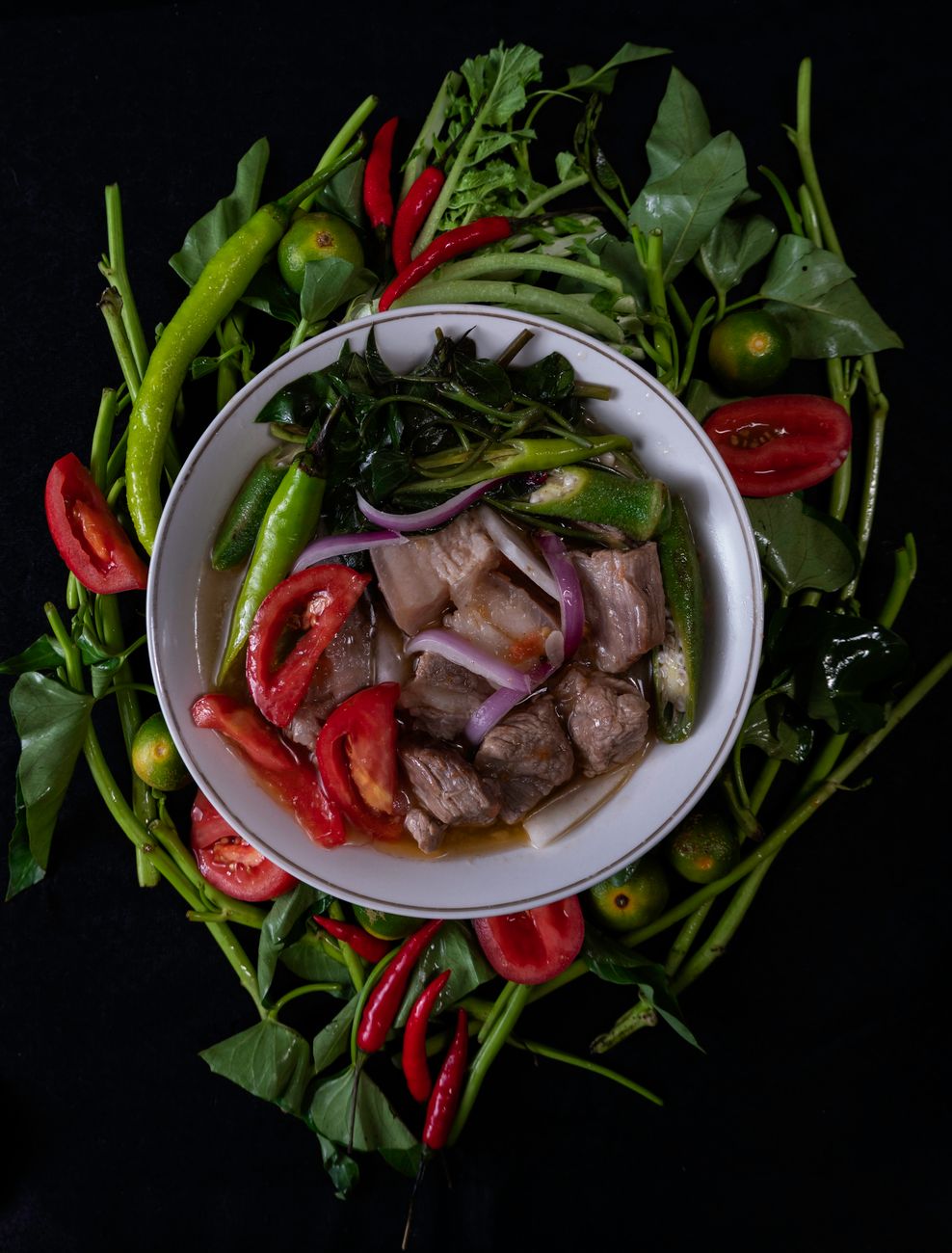
culture
Oct 21, 2026What Makes Filipino Spicy Dishes So Craveable Right Now
Filipino spicy cooking balances heat from siling labuyo—bird's eye chilis—with vinegar, fish sauce, and coconut. The result is dishes meant to be eaten steadily, where heat supports flavor rather than dominating it.
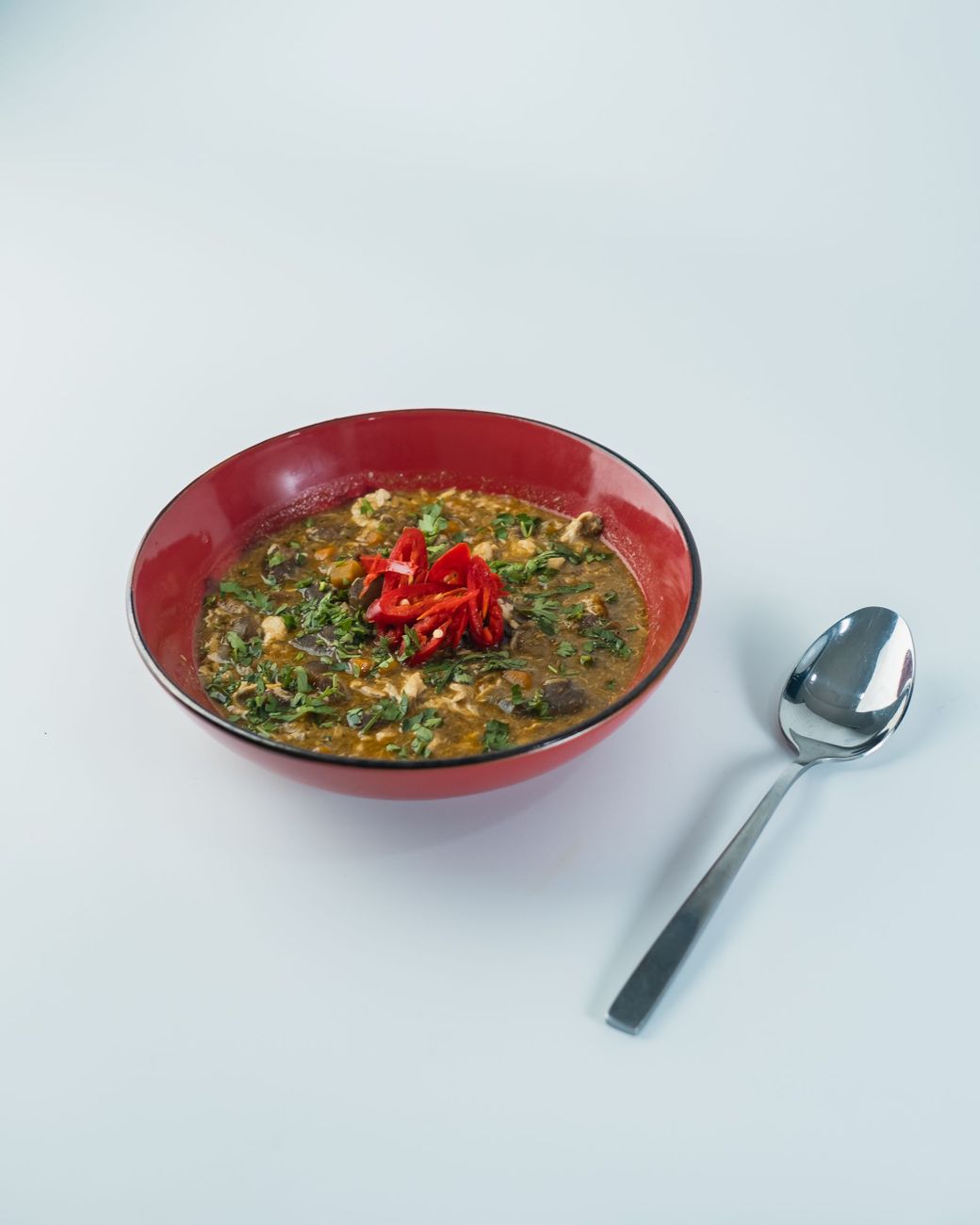
science
Oct 20, 2026What Makes Nigerian Spicy Dishes So Addictive: The Science of Heat and Umami
Nigerian spiced cooking combines two distinct peppers, slow-fried pastes, and umami-rich broths to build heat that feels complex rather than punishing. Learn which peppers matter, how technique shapes the heat, and why these dishes linger in memory.
Background guides
Read the guide behind the technique
Learn more about the cooking techniques used here.
Community notes
Reader discussion is shared across recipes, reviews, and editorial pieces.
Comments are read-only while member sign-in is paused.