
culture
What Makes Filipino Spicy Dishes So Craveable Right Now
Filipino spicy cooking balances heat from siling labuyo—bird's eye chilis—with vinegar, fish sauce, and coconut. The result is dishes meant to be eaten steadily, where heat supports flavor rather than dominating it.
Share this
Pass it around
Send this page to a friend, copy the link, or save it to a Pinterest board.

Save for later
Pin this page
Save the image with a link back to this recipe, review, or article.
Filipino spicy dishes work because they treat heat as seasoning, not spectacle. Siling labuyo, the small bird's eye chilis grown throughout the Philippines, deliver sharp, bright burn that peaks quickly and fades clean—around 80,000 to 100,000 Scoville heat units. That matters. Unlike larger peppers that linger, these chilis let you eat steadily without your mouth shutting down after the first bite.
The real architecture is what comes alongside the heat. Vinegar—cane, coconut, or palm—cuts through fat and chili burn. Fish sauce adds savory depth without requiring extra ingredients. Garlic, ginger, and onion build flavor before the chilis arrive. Together, these create a seasoning where heat is one note among several, which is why you keep reaching for the spoon instead of the water glass.
Sinigang: Tamarind Broth with Pork and Heat
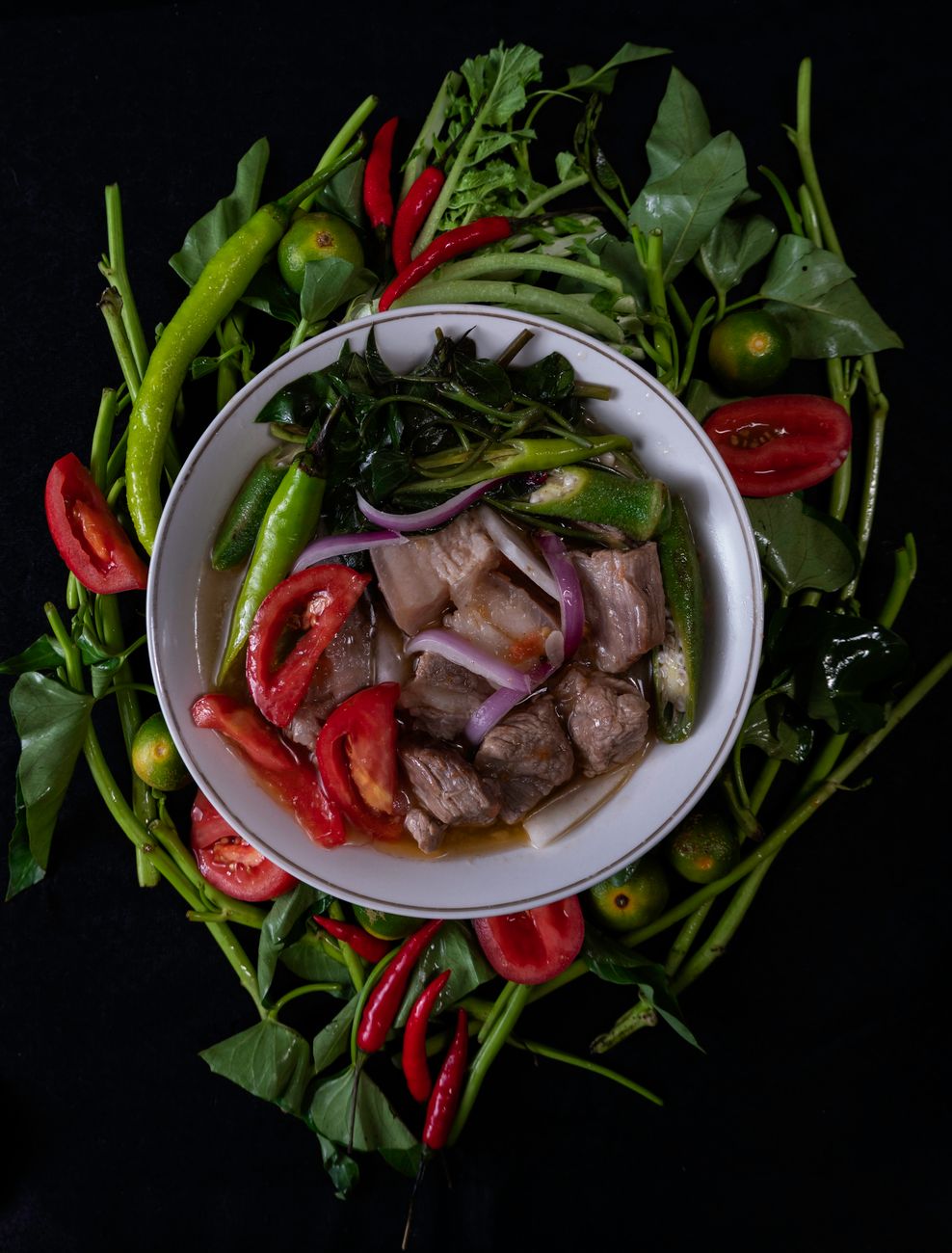
Sinigang is built on tamarind paste, which gives a fruity sourness that plays directly against siling labuyo's sharpness. Whole peppers steep in the broth, releasing heat gradually as they soften. Pork shoulder or ribs simmer until the meat breaks apart, absorbing both the tamarind's tang and the chilis' warmth.
The interplay matters: the soup's acidity makes the initial heat feel sharper, then pork fat softens it. Leafy greens—radish tops, spinach—wilt in during the final minutes, adding slight bitterness that balances sourness and spice. Most people eat sinigang the same way: spooning the broth over rice in layers so each bite carries all three elements.
Adobo with Extra Heat
Traditional adobo uses vinegar and soy sauce to preserve and season meat. Regional variations in Bicol and Davao intensify the heat by adding more siling labuyo or incorporating chili paste into the braising liquid.
In labuyo adobo, the sauce darkens and deepens, with whole bird's eye chilis visible in the liquid. Vinegar and soy sauce prevent heat from overwhelming; instead, the three flavors—spice, salt, acid—sustain each other. Pork or chicken braises until tender enough to break with a spoon, and the sauce reduces until it clings to each piece.
What makes spicy adobo craveable is the feedback loop: heat and acid together make you want another bite, which makes you want another. The sauce works on rice, with fried eggs, or alongside pickled vegetables that add more brightness.
Bicol Express: Coconut Cream and Layered Chilis
Bicol Express combines coconut cream, shrimp paste, and multiple varieties of chilis—siling labuyo for sharp bite, larger red peppers for volume and fruity warmth. The dish comes from Bicol, a region where chili cultivation and spice tolerance are central to home cooking.
Unlike sinigang's thin broth or adobo's reduced sauce, Bicol Express is thick and creamy. Coconut mellows the heat; shrimp paste adds savory depth. Using two chili types means heat arrives in waves: smaller peppers deliver sharp burn, larger ones contribute warmth and complexity.
Pork or shrimp cooks until tender and coats in the creamy, spicy sauce. It's richer than other Filipino spicy dishes and needs balance—lime juice or pickled vegetables on the side keep it from becoming flat.
Dinuguan with Dried Chilis
Dinuguan is a stew of pork blood and offal in a dark, savory sauce made from pork stock and spices. Heat comes from both fresh siling labuyo and dried chilis, which add deeper, smokier notes alongside the sharp bite of fresh peppers.
The draw is textural and savory first, spicy second. The sauce is dark and rich, coating tender pork. Heat builds gradually because dried chilis steep in the sauce rather than releasing all their intensity at once. A splash of vinegar at the end brightens the heaviness and cuts through the richness.
Dinuguan appears less often in home cooking now, but shows up in Filipino restaurants and at family tables when someone wants something substantial and deeply savory, not simply hot.
Why These Dishes Work
Filipino spicy cooking treats heat as part of a flavor equation. Vinegar, fish sauce, and coconut give cooks ways to balance intensity. Siling labuyo provides clean, immediate heat that doesn't linger painfully. Slow cooking allows flavors to marry so the final dish tastes intentional, not assembled.
These dishes reward eating more than one bite. That's the real draw: food designed to be eaten steadily, tasted, returned to.
Cook with this idea
Recipes to try next.
Put these ingredients and techniques to use in your next meal.

other · hot
Oct 21, 2026Manti with Hot Pepper and Yogurt Sauce
Turkish hand-folded pasta parcels filled with spiced meat, served in a pool of garlicky yogurt and topped with crispy browned butter infused with habanero and Aleppo pepper. 75 min · 0 saves.

other · hot
Oct 8, 2026Sambal Udang Petai
Stir-fried prawns with stink beans and fiery sambal, built on shallots, garlic and bird's eye chillis. A weeknight dinner that delivers serious heat without lengthy prep. 18 min · 0 saves.
other · hot
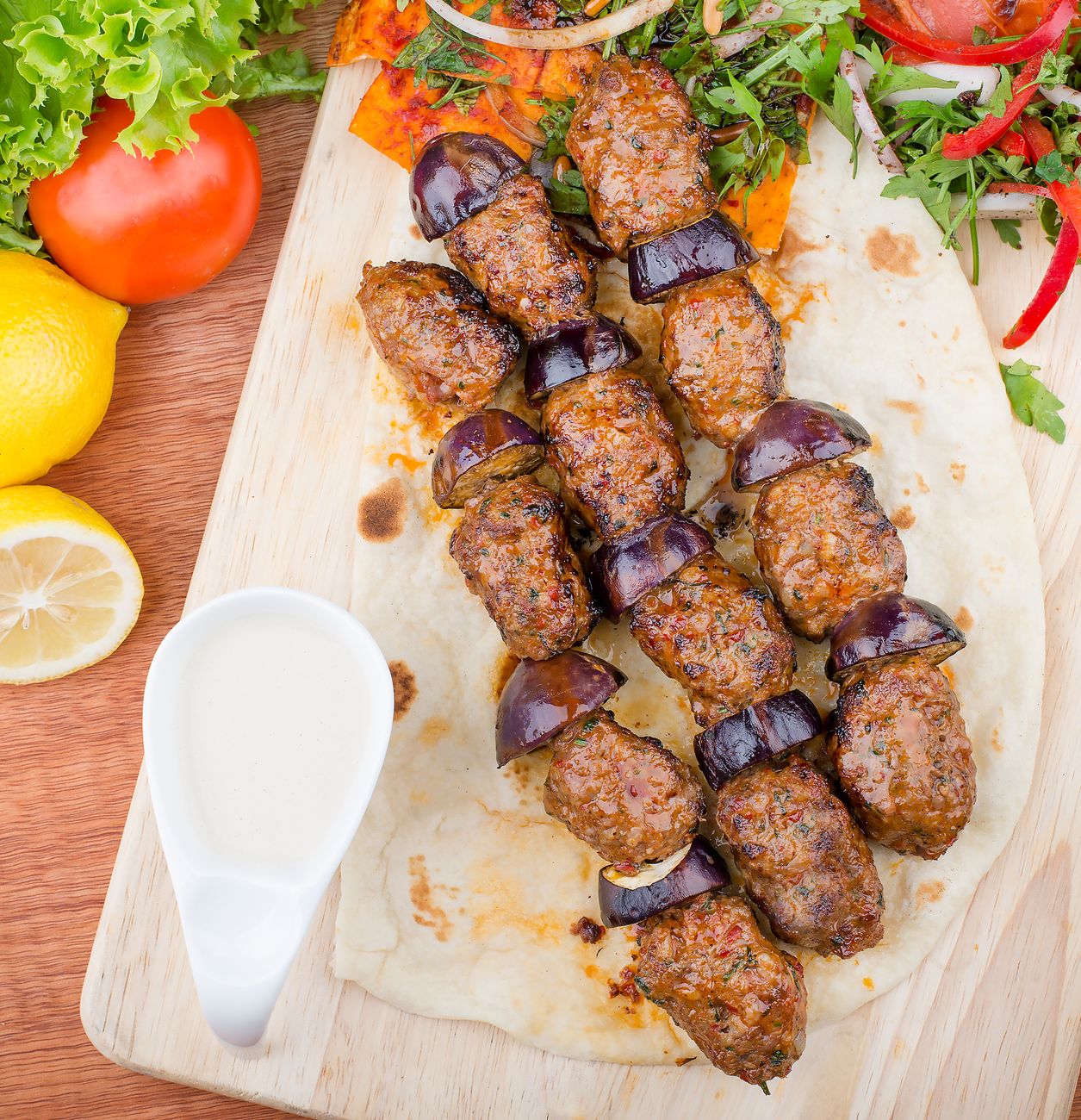
Sep 7, 2026Adana Kebab with Charred Chilli and Sumac
Ground lamb pressed onto flat metal skewers and grilled hard over flame until blackened and crackling on the outside, tender and juicy within. This Turkish street classic gets its serious kick from fresh red chilli ground into the meat and dried Aleppo chilli that brings warmth and fruity depth. The grill is non-negotiable—charcoal or gas flame gives you the char and smoke that makes this dish sing. 32 min · 0 saves.
Bottle picks
Related hot sauce reviews.
Explore sauces with related ingredients, flavors, and heat levels.
Yellowbird Habanero Hot Sauce Review
A bright, carrot-forward bottle with enough heat to stay lively and enough sweetness to stay versatile.
Best for tacos
Best for: Tacos and rice bowls
Skip if: Skip if you want a classic vinegar-forward table sauce with almost no sweetness.
Read review
Queen Majesty Scotch Bonnet and Ginger Review
A bright, elegant sauce that leans on fruit, ginger, and Scotch bonnet lift instead of brute force.
Best for seafood
Best for: Seafood and fish tacos
Skip if: Skip if you want a thick, smoky wing sauce more than a bright finishing bottle.
Read review
Fly By Jing Sichuan Gold Review
A citrusy, tingly sauce with real peppercorn presence and enough versatility to move beyond dumplings.
Best for dumplings
Best for: Eggs and breakfast tacos
Skip if: Skip if you want a thick, smoky wing sauce more than a bright finishing bottle.
Read review
Go deeper
Background guides that build on this.
Keep reading
More on this subject.
If this post helped, these are the next pieces most likely to keep the thread going.
culture
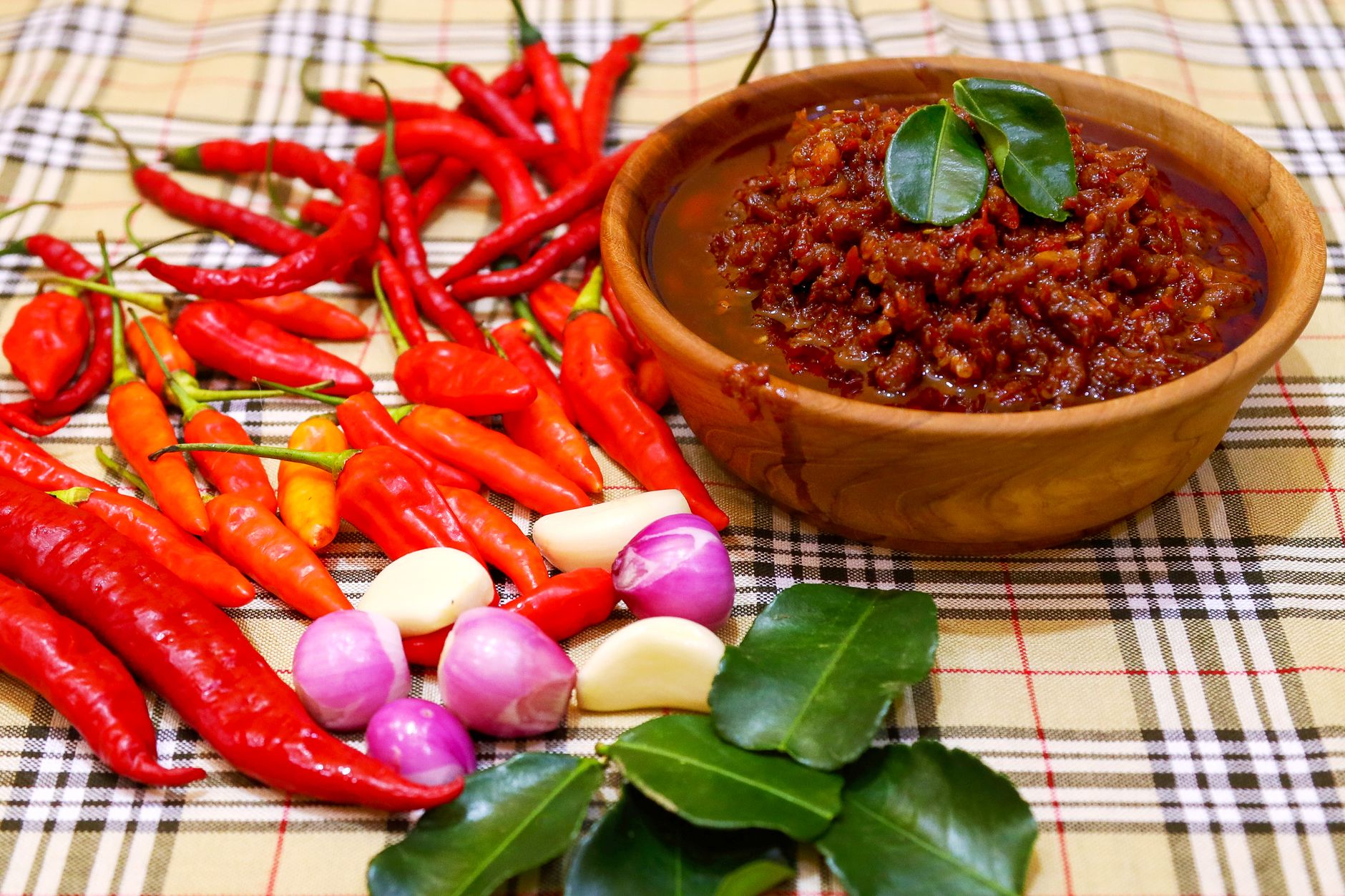
Oct 12, 2026What Malaysian Spicy Dishes Are Drawing Cooks Right Now
Malaysian heat builds in layers—through chile pastes, aromatics, and the way coconut milk carries spice. These dishes work because you can taste as you go, adjusting heat without losing the flavor underneath.

culture
Oct 6, 2026What Makes Malaysian Spicy Food So Craveable Right Now
Malaysian spicy cooking balances heat with coconut, tamarind, and layered spices. Laksa, sambal, and rendang solve the problem of making chili taste good—not just hot. Learn the techniques that make these dishes work and how to cook them at home.
culture
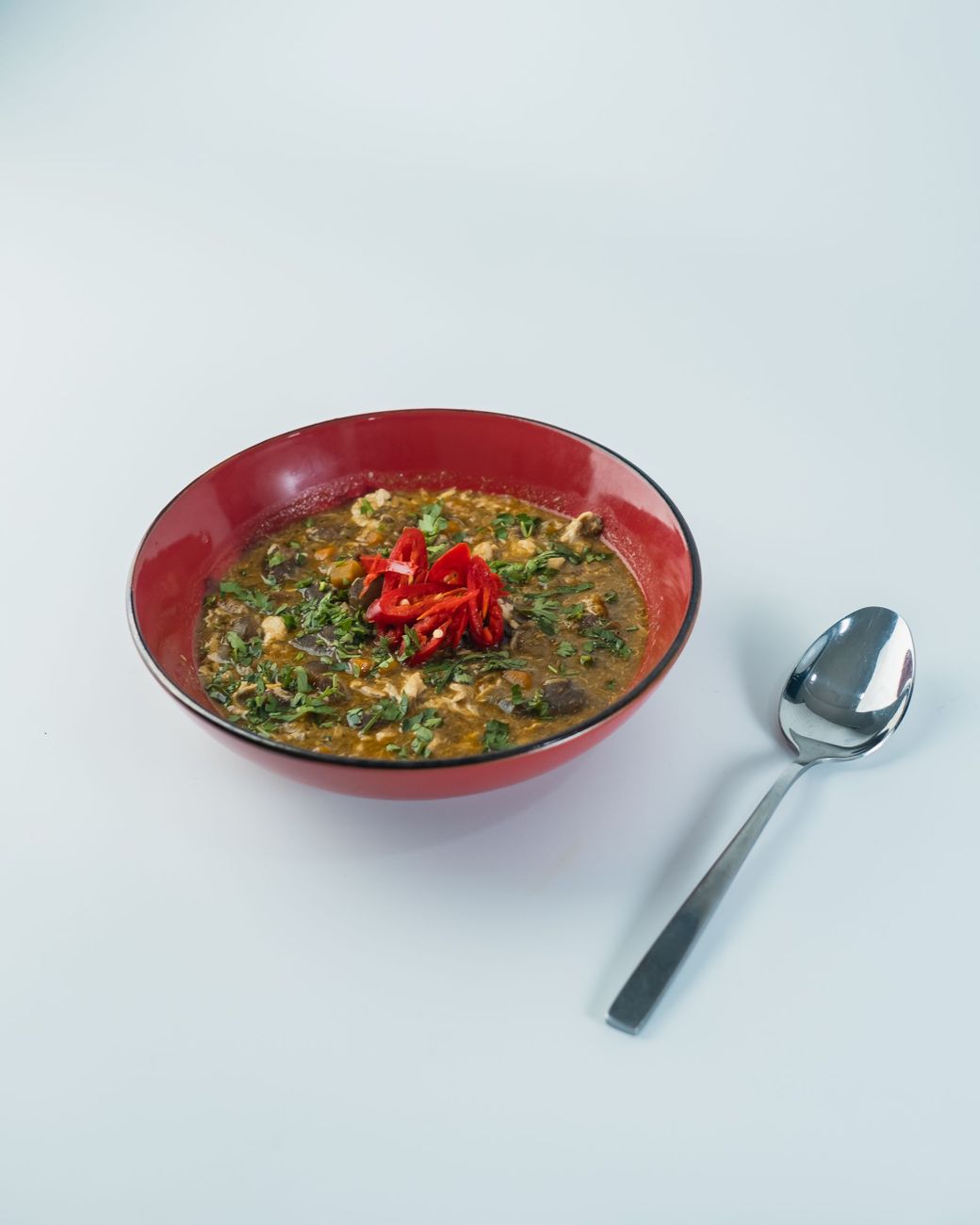
Jun 10, 2026The Heat Revolution: Why Nigerian Spicy Food Is Having Its Moment
From warming pepper soups to scotch bonnet-loaded jollof, Nigerian cooks have mastered the art of building heat that actually enhances flavor—and the rest of us are finally catching on.
Comments
Reader discussion is shared across recipes, reviews, and editorial pieces.
Comments are read-only while member sign-in is paused.