
FlamingFoodies recipe
Mirchi ka Salan with Ghost Pepper and Charred Tomato
Whole ghost peppers in a deep, roasted peanut and sesame sauce with charred tomato depth. Built for cooks who know what they're after: this is extreme heat, not a mild dish dialed up. The peppers stay intact, the sauce is nutty and tangy, and the payoff is sustained, serious capsaicin.
Whole ghost peppers suspended in a dark peanut sauce with burnt tomato depth and sesame nuttiness. Requires genuine heat tolerance and a willingness to let the pepper be the main event.
Ingredients
For the sauce base
- 1 cuproasted unsalted peanuts
- 3 tablespoonsesame seeds
- 2 mediumtomatoes, halved
- 4 clovegarlic, minced
- 1 tablespoonginger, minced
- 1 tablespoontamarind concentrate
For the peppers and finishing
- 8 wholeghost peppers, stems trimmed
- 1 tablespooncoconut oil or ghee, for roasting peppers
- 1 tablespooncoconut oil or ghee, for tempering spices
Spices and stock
- 1 teaspoonred chilli powder, Kashmiri or Byadagi for colour
- 1 pinchturmeric
- 0.5 teaspoonsalt, adjust to taste
- 1 cupwater or vegetable stock
Method
1. Char the tomatoes and dry-roast the sesame seeds Heat a cast-iron skillet over medium-high flame. Place tomato halves cut-side down and char until the surface blackens and the flesh softens, about 4–5 minutes. Transfer to a plate. Wipe the skillet clean, then toast sesame seeds over medium heat, stirring constantly, until fragrant and light golden, about 2 minutes. Transfer to a bowl.
Watch for: Tomato skin should char visibly; sesame seeds should smell nutty and release their oils.
2. Roast the ghost peppers until blistered Return the skillet to medium-high heat and add 1 tablespoon coconut oil. Place ghost peppers in a single layer and roast, turning every 30 seconds with tongs, until the skin blisters and darkens on all sides, about 3–4 minutes total. Keep them whole. Transfer to a plate.
Watch for: Pepper skin should blister and darken, but the pepper should stay intact.
3. Build the sauce In a blender or food processor, combine roasted peanuts, toasted sesame seeds, charred tomatoes, minced garlic, ginger, tamarind concentrate, turmeric, and red chilli powder. Add 1/2 cup water or stock and blend into a thick, coarse paste. Leave some peanut texture visible; don't aim for silky smooth.
Watch for: Paste should hold together but still show flecks of peanut and sesame.
4. Simmer the peppers in sauce until tender Heat the remaining 1 tablespoon coconut oil in a heavy-bottomed pot or deep skillet over medium heat. Add the peanut paste and stir for 2 minutes to deepen the flavor. Add the remaining 1/2 cup stock slowly, stirring to reach the consistency of cream. Season with salt. Gently place the roasted peppers into the sauce and bring to a simmer. Reduce heat to low and cook uncovered for 12–15 minutes, stirring gently now and then, until the peppers yield to gentle pressure and the sauce has darkened and thickened.
Watch for: Sauce should coat the back of a spoon; peppers should yield to gentle pressure but hold their shape.
5. Temper and finish Heat a splash of coconut oil in a small pan over medium-high flame. Add a few sesame seeds and a pinch of turmeric if you like, and let them sizzle for 15 seconds until fragrant. Pour the hot oil over the finished dish.
Watch for: Oil should shimmer and sesame seeds should pop audibly.
Tip: This step is optional but traditional—the hot oil adds a final note of flavor and aroma.
Equipment
- cast-iron skillet
- blender or food processor
- heavy-bottomed pot or deep skillet
- tongs
- measuring spoons and cups
- small saucepan
Make ahead
- Make the peanut-sesame sauce up to 2 days ahead and refrigerate. Roast the peppers no more than 4 hours before serving. Combine peppers and sauce, then warm gently over low heat just before serving.
Storage
- Keep in an airtight container in the refrigerator for up to 4 days. The sauce will thicken as it cools. Don't freeze; the texture of both sauce and pepper will suffer.
Reheat
- Warm gently over low heat in a covered pot or skillet, adding a splash of water if the sauce has thickened too much. Stir occasionally to avoid sticking. Don't boil.
Top tips
- Ghost peppers are extremely hot. Wear gloves or use tongs when handling; avoid touching your face. If you cut into one, work in a ventilated space.
- Don't skip the charring of tomatoes. It builds deep, smoky sweetness that balances the scorching heat.
- The sauce can be made a day ahead and refrigerated. Reheat gently over low heat with a splash of water, then add the roasted peppers just before serving.
Substitutions
- If ghost peppers are hard to find, use 4 Trinidad Moruga Scorpion peppers (slightly less intense and often more accessible). Reduce cooking time by 1–2 minutes, as they soften faster.
- Swap tamarind concentrate for 1 tablespoon fresh lemon juice mixed with 1 teaspoon jaggery powder for tanginess and subtle sweetness, though the flavor will drift away from traditional.
- Use raw peanuts roasted in a dry skillet for 5 minutes if roasted peanuts aren't on hand; add 30 seconds extra blending time.
Serve with
- Serve with plain basmati rice to soak up the sauce.
- Offer plain yogurt or raita on the side to cool the palate between bites.
- Use soft rotli or naan as a vehicle for the sauce if you prefer it to rice.
Find another recipe
Open archive →Mirchi ka Salan with Ghost Pepper and Charred Tomato

Whole ghost peppers in a deep, roasted peanut and sesame sauce with charred tomato depth. Built for cooks who know what they're after: this is extreme heat, not a mild dish dialed up. The peppers stay intact, the sauce is nutty and tangy, and the payoff is sustained, serious capsaicin.
Prep
25 min
Cook
35 min
Active
40 min
Total
1 hr
Yield
4 servings
Share this
Pass it around
Send this page to a friend, copy the link, or save it to a Pinterest board.
Save for later
Pin this page
Save the image with a link back to this recipe, review, or article.
Peppers in this recipe
Recipe notes
Before you cook
Mirchi ka salan is traditionally mild green chillies in a peanut gravy. This version swaps them for ghost peppers and builds the sauce with charred tomatoes and extra roasting time for complexity and dark color. It's Hyderabadi technique at inferno intensity—not a casual weeknight dish, but straightforward enough to pull off at home if you respect the heat and keep your hands protected.
Total time
1 hr
Prep: 25 min. Cook: 35 min.
Yield
4 servings
The ingredient quantities below are for this yield.
Method
How to cook it
Use the step navigator to move around, or stay in cook mode and work top to bottom.
- 1
Step 1 of 5
Char the tomatoes and dry-roast the sesame seeds
Heat a cast-iron skillet over medium-high flame. Place tomato halves cut-side down and char until the surface blackens and the flesh softens, about 4–5 minutes. Transfer to a plate. Wipe the skillet clean, then toast sesame seeds over medium heat, stirring constantly, until fragrant and light golden, about 2 minutes. Transfer to a bowl.
- 2
Step 2 of 5
Roast the ghost peppers until blistered
Return the skillet to medium-high heat and add 1 tablespoon coconut oil. Place ghost peppers in a single layer and roast, turning every 30 seconds with tongs, until the skin blisters and darkens on all sides, about 3–4 minutes total. Keep them whole. Transfer to a plate.
- 3
Step 3 of 5
Build the sauce
In a blender or food processor, combine roasted peanuts, toasted sesame seeds, charred tomatoes, minced garlic, ginger, tamarind concentrate, turmeric, and red chilli powder. Add 1/2 cup water or stock and blend into a thick, coarse paste. Leave some peanut texture visible; don't aim for silky smooth.
- 4
Step 4 of 5
Simmer the peppers in sauce until tender
Heat the remaining 1 tablespoon coconut oil in a heavy-bottomed pot or deep skillet over medium heat. Add the peanut paste and stir for 2 minutes to deepen the flavor. Add the remaining 1/2 cup stock slowly, stirring to reach the consistency of cream. Season with salt. Gently place the roasted peppers into the sauce and bring to a simmer. Reduce heat to low and cook uncovered for 12–15 minutes, stirring gently now and then, until the peppers yield to gentle pressure and the sauce has darkened and thickened.
- 5
Step 5 of 5
Temper and finish
Heat a splash of coconut oil in a small pan over medium-high flame. Add a few sesame seeds and a pinch of turmeric if you like, and let them sizzle for 15 seconds until fragrant. Pour the hot oil over the finished dish.
Troubleshooting
Tips that matter
- Ghost peppers are extremely hot. Wear gloves or use tongs when handling; avoid touching your face. If you cut into one, work in a ventilated space.
- Don't skip the charring of tomatoes. It builds deep, smoky sweetness that balances the scorching heat.
- The sauce can be made a day ahead and refrigerated. Reheat gently over low heat with a splash of water, then add the roasted peppers just before serving.
Substitutions and variations
Storage and leftovers
Plan ahead and reheat well
Make ahead
Make the peanut-sesame sauce up to 2 days ahead and refrigerate. Roast the peppers no more than 4 hours before serving. Combine peppers and sauce, then warm gently over low heat just before serving.
Storage
Keep in an airtight container in the refrigerator for up to 4 days. The sauce will thicken as it cools. Don't freeze; the texture of both sauce and pepper will suffer.
Reheat
Warm gently over low heat in a covered pot or skillet, adding a splash of water if the sauce has thickened too much. Stir occasionally to avoid sticking. Don't boil.
At the table
Serving suggestions
- Serve with plain basmati rice to soak up the sauce.
- Offer plain yogurt or raita on the side to cool the palate between bites.
- Use soft rotli or naan as a vehicle for the sauce if you prefer it to rice.
- Pair with a simple cucumber and tomato salad dressed lightly with salt and lemon juice for textural and acidic contrast.
FAQ
Common questions
Can I make this without ghost peppers?
This recipe is built around ghost pepper intensity. Switching to milder chillies will change the heat profile significantly. See the variations section for approaches using Trinidad Moruga Scorpion or a mix of peppers that keep some authenticity intact.
Why roast the peppers before adding them to the sauce?
Roasting develops a charred exterior that adds complexity and prevents the peppers from flooding the sauce with capsaicin all at once, so the heat spreads more evenly across the dish.
Is this dish vegan?
Yes, if you use coconut oil instead of ghee and make sure your vegetable stock is plant-based. All core ingredients are plant-derived.
What do I do if the sauce is too thick?
Thin it gradually with additional water or stock, 2 tablespoons at a time, stirring constantly over low heat until you reach the consistency you want.
Can I reduce the heat without removing the ghost peppers entirely?
Yes. Leave the peppers whole and uncut, don't blend them into the sauce, and let diners remove them from their servings if they want. Or reduce the number of peppers and bulk up the sauce with mild green chillies or extra tomato.
Heat profile
Very hot
The recipe is classified as inferno. Follow its guidance for reducing the heat.
Skill level
Intermediate
Check the method for steps that need to be prepared at the same time.
Total time
1 hr
Prep: 25 min. Cook: 35 min.
Yield
4 servings
The ingredient quantities below are for this yield.
Cook this with
Three useful buys before you start
A sauce, a pantry ingredient, and a kitchen tool to consider for this dish.
Sauce
Los Calientes Rojo
Heatonist · Best for tacos
Use this when you want a brighter finishing hit next to the deeper flavors already built into mirchi ka salan with ghost pepper and charred tomato.
Get the sauce used herePantry
Chipotle Peppers in Adobo
Smoky shortcut
Burger sauce, chili, and taco fillings. The pantry move for smoky mayo, burger sauce, taco braises, and chili that tastes like you actually thought ahead.
Grab the pantry stapleGear
Molcajete Mortar and Pestle
Sauce lab
Fresh salsa and chunky chili pastes. The right move for salsa macha, charred pepper pastes, and rough-textured marinades with bite.
Use this toolPair this with
The right bottle for this recipe
These sauce picks are matched to the dish itself, not dropped in at random. Use them to finish, sharpen, or push the heat where it helps.
Los Calientes Rojo
Use this when you want a brighter finishing hit next to the deeper flavors already built into mirchi ka salan with ghost pepper and charred tomato.
Heatonist Los Calientes Rojo: flavor notes, heat level, and suggested food pairings.
Torchbearer Garlic Reaper
It brings enough heat to cut through the richer bites without flattening the rest of the dish.
An extremely hot garlic-forward sauce that somehow keeps real flavor structure under all that reaper pressure.
Shop the pantry
Pantry staples for this recipe
Smoky shortcut
$4-$10Chipotle Peppers in Adobo
Burger sauce, chili, and taco fillings. The pantry move for smoky mayo, burger sauce, taco braises, and chili that tastes like you actually thought ahead.
Check price on AmazonChar-ready marinade
$8-$14Nando's Medium Peri-Peri Sauce
Chicken, skewers, and grilled vegetables. The bottle to grab when chicken needs acid, garlic, and real heat before it hits the grill or broiler.
Check price on AmazonTexture hit
$10-$16Crunchy Chili Crisp
Finishing bowls and dumplings. Crunch, oil, and lingering heat for dumplings, eggs, noodles, and roasted vegetables.
Check price on AmazonRecommended equipment
Cooking tools
Sauce lab
$35-$60Molcajete Mortar and Pestle
Fresh salsa and chunky chili pastes. The right move for salsa macha, charred pepper pastes, and rough-textured marinades with bite.
Check price on AmazonDIY hot sauce
$20-$35Fermentation Jar Kit
Homemade sauce projects. A clean starter kit for building fermented hot sauces and pepper mash at home.
Check price on AmazonCook next
More recipes with similar heat
These are the next recipes most likely to fit the same mood, pantry, or heat level once this one is in your rotation.
indian · medium
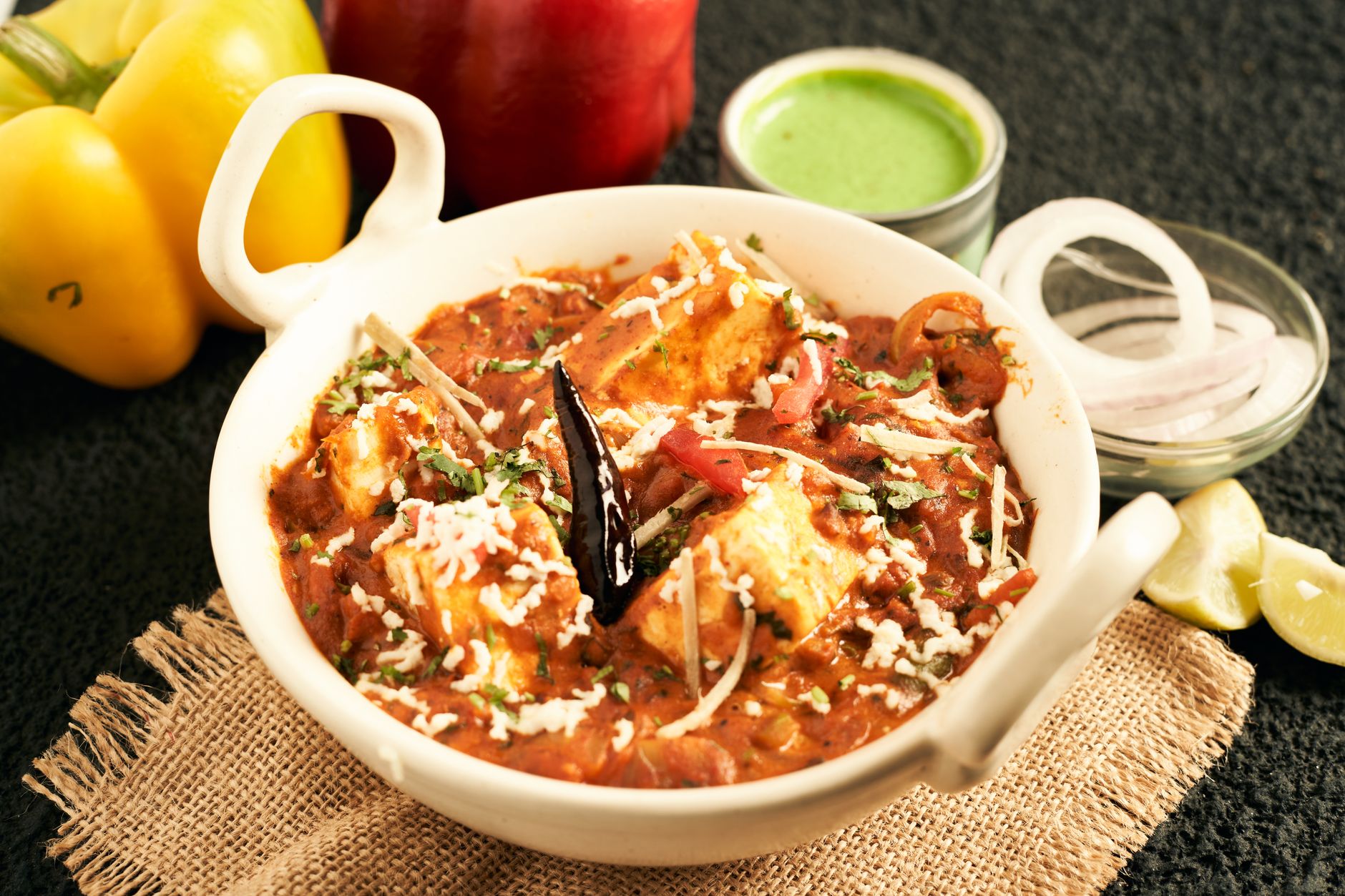
Apr 29, 2026Kadai Paneer with Green Chilies and Bell Peppers
Tender cubes of paneer nestle in a fragrant tomato-based sauce alongside slit green chilies and colorful bell peppers, all cooked in the traditional kadai style that brings out deep, warming flavors. 45 min · 0 saves.
indian · inferno
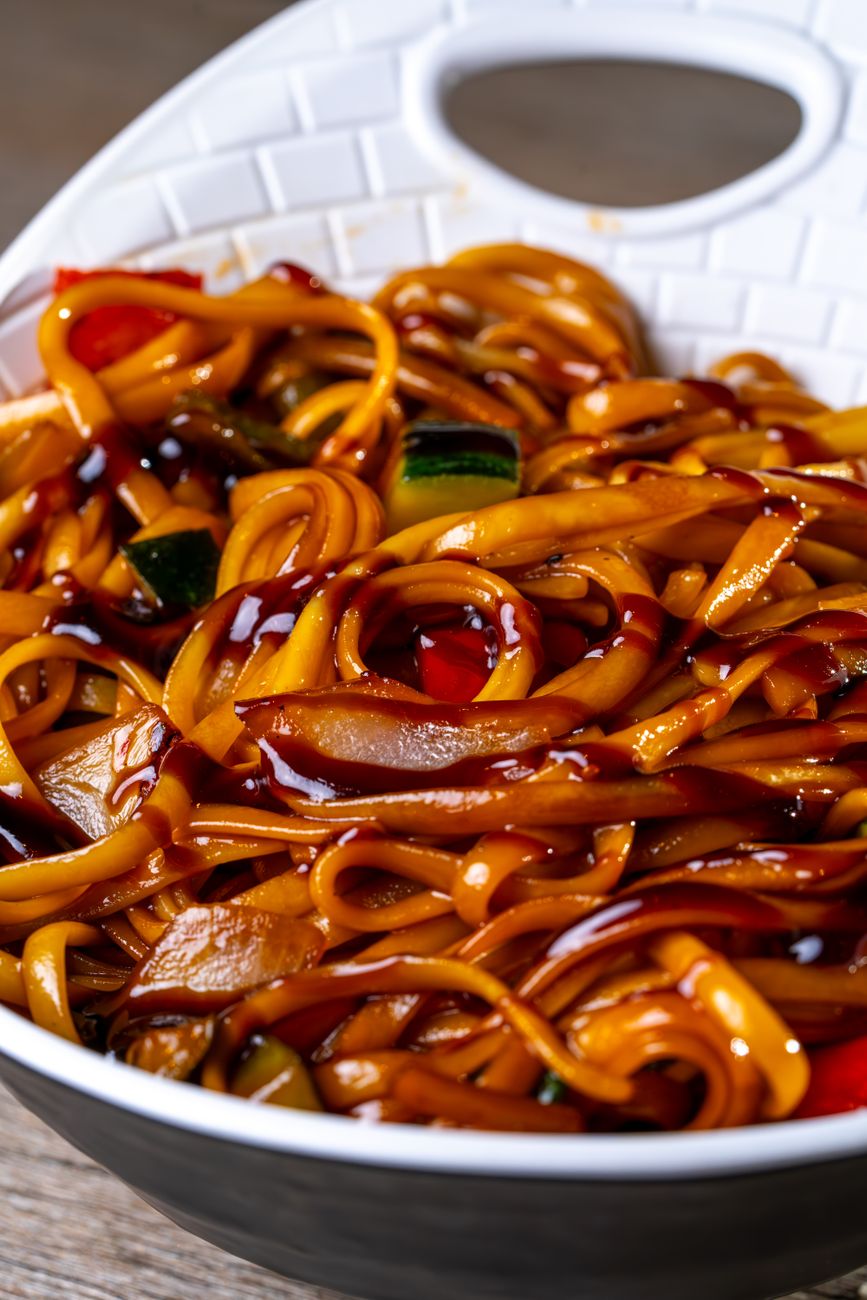
Jun 3, 2026Bhut Jolokia Hakka Noodles
Indo-Chinese hakka noodles that bring the fire with bhut jolokia and Trinidad Moruga peppers—serious heat for those who've earned their stripes 35 min · 0 saves.

indian · mild
May 12, 2026Masala Mac: Indian Spiced Pasta with Tomato-Cumin Sauce
Elbow macaroni gets wrapped in a fragrant tomato sauce built on toasted cumin, warm coriander, and a gentle whisper of green chili. This fusion comfort dish marries Indian home cooking with familiar pasta shapes for something that feels both cozy and exciting. 40 min · 0 saves.
FlamingFoodies picks
Pantry, gear, and bottle picks that fit this meal
Pitmaster starter
BBQ Rub Gift Set
A clean route into grilling gifts, especially for people who care more about cookouts than novelty heat stunts. Best for grilling gifts and backyard cooks.
View on AmazonDrop 01
Sauce Lab Tee
Soft heavyweight tee with a back print that maps the brand's five-stage heat ladder.
Join merch waitlistFrom the blog
More about this dish
Read more about the ingredients and cuisine.
science
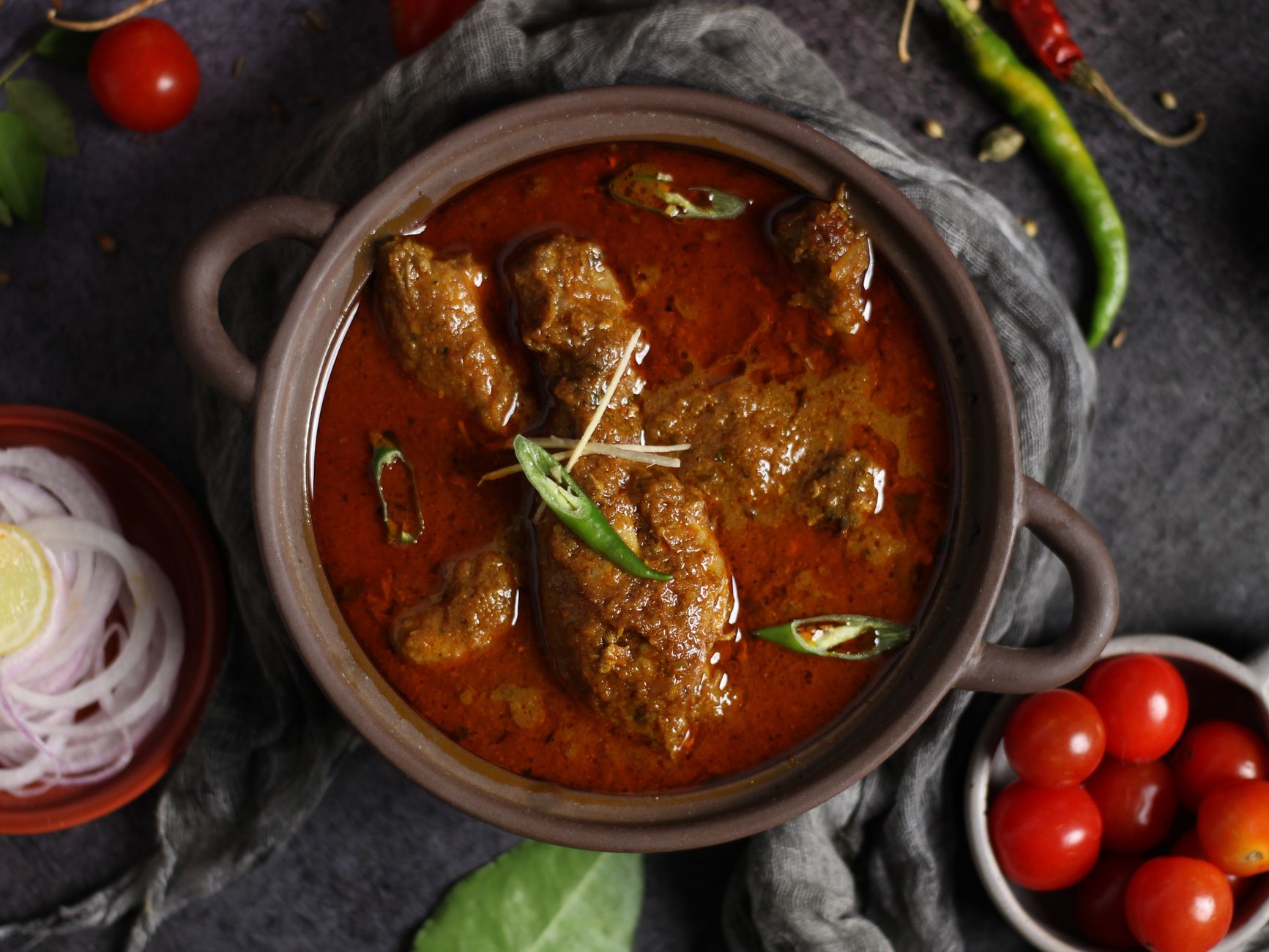
May 3, 2026Vindaloo, Ghost Pepper Curries, and Rasam
Compare vinegar-seasoned vindaloo, ghost pepper curries, and pepper-forward rasam, with care taken to distinguish sourness from heat.
science
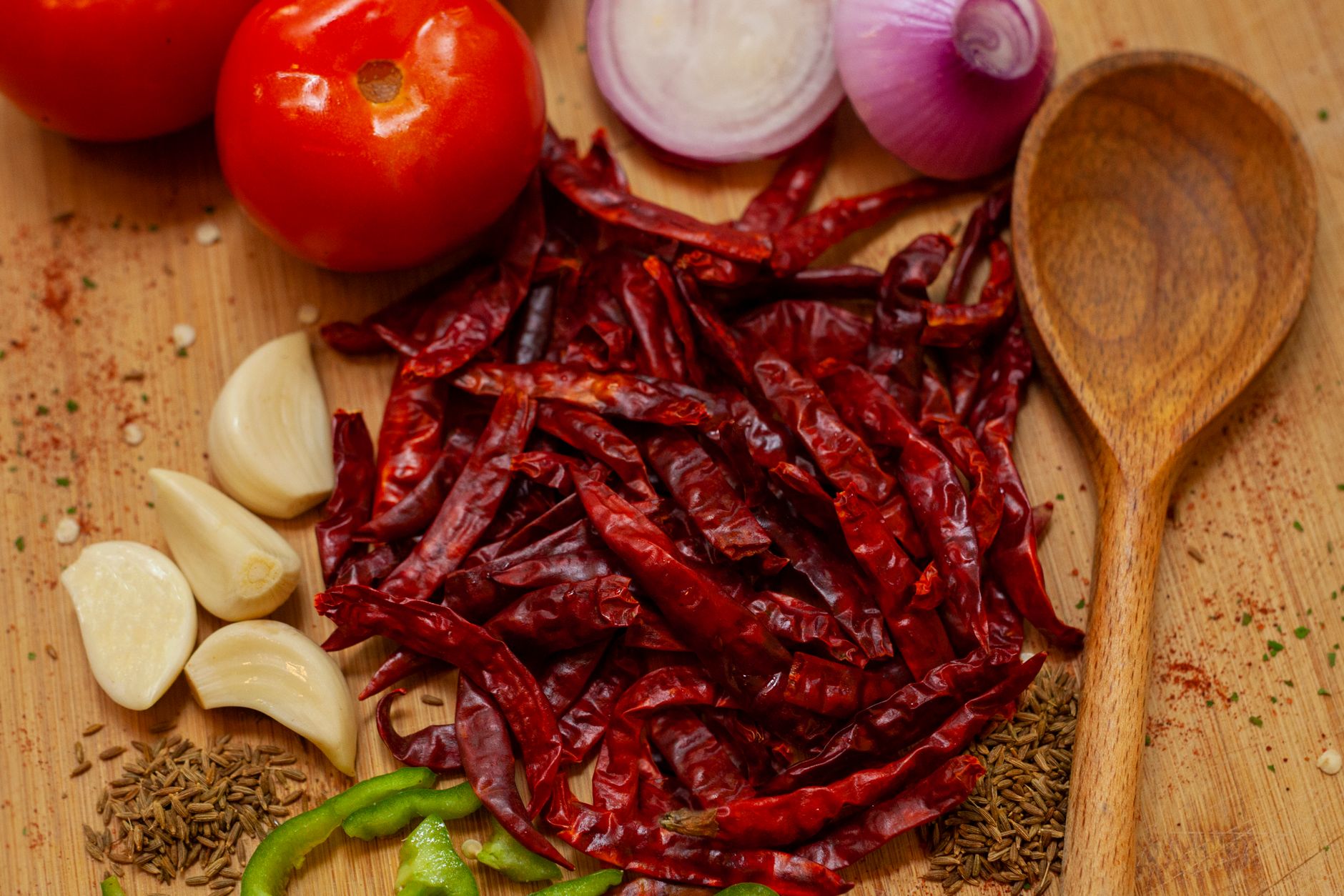
Apr 30, 2026Podi, Laal Maas, and Ghost Pepper: Regional Indian Heat
Explore the dried spices in podi, the chili sauce in laal maas, and the cautious use of ghost peppers in regional cooking.
Background guides
Read the guide behind the technique
Learn more about the cooking techniques used here.
Community notes
Reader discussion is shared across recipes, reviews, and editorial pieces.
Comments are read-only while member sign-in is paused.