
science
Vindaloo, Ghost Pepper Curries, and Rasam
Compare vinegar-seasoned vindaloo, ghost pepper curries, and pepper-forward rasam, with care taken to distinguish sourness from heat.
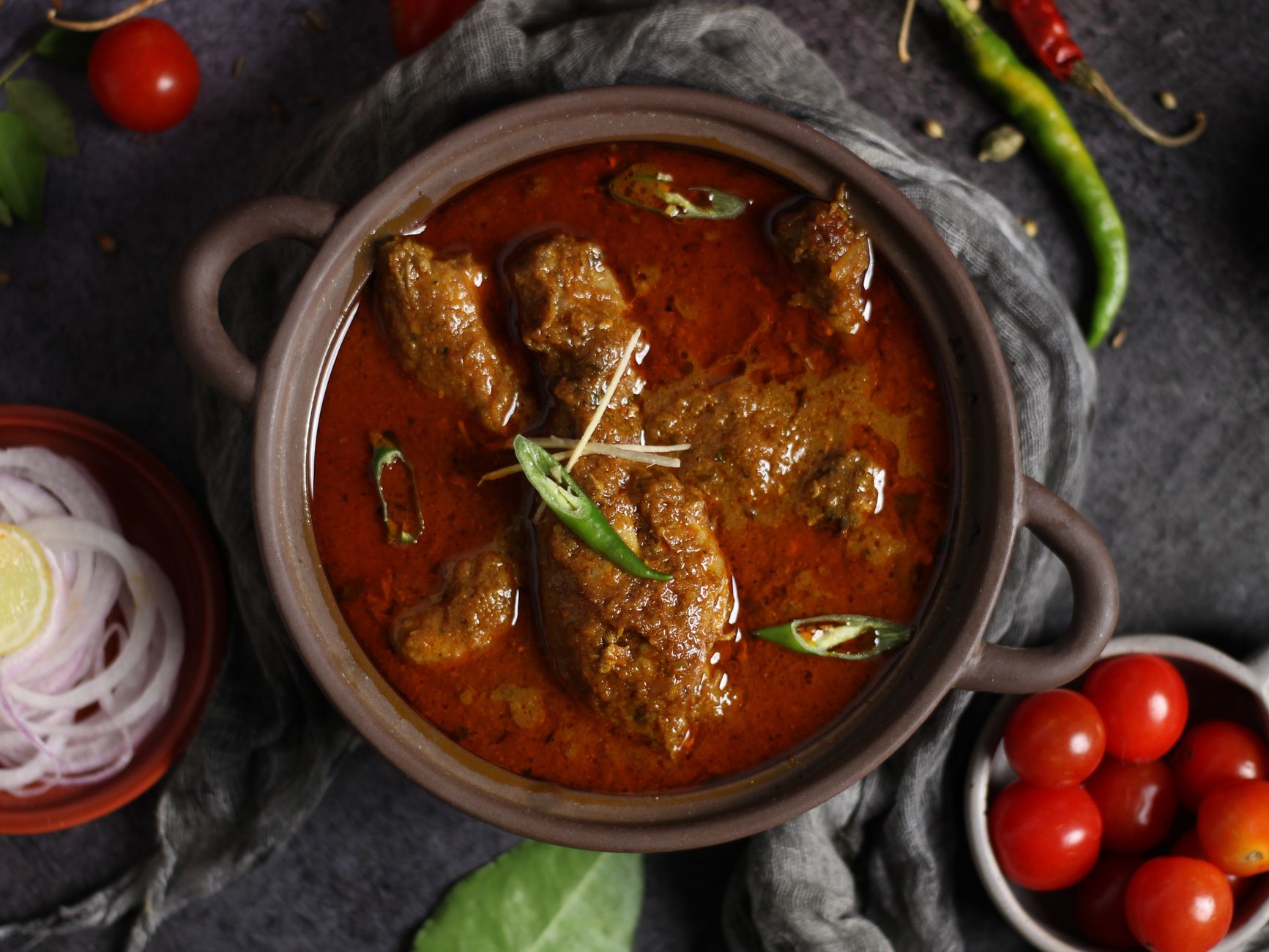
Share this
Pass it around
Send this page to a friend, copy the link, or save it to a Pinterest board.

Save for later
Pin this page
Save the image with a link back to this recipe, review, or article.
Vindaloo, Ghost Pepper Curries, and Rasam
Indian cooking uses more than one strategy for heat. Vindaloo relies on vinegar and dried chilies, ghost pepper curries from the northeast use whole or coarsely chopped bhut jolokia for a gradual build, and South Indian rasam gets most of its warmth from black pepper rather than chili. Each produces a different experience at the table, and the techniques behind them are worth understanding on their own terms.
Vindaloo's Acidic Heat
Vindaloo comes from Goa's Portuguese-influenced cooking, combining palm or white vinegar with chilies. Traditional Goan vindaloo soaks whole dried Kashmiri chilies in vinegar before grinding them into a paste, letting the acid work into the pepper before it's cooked. The result is a paste with a tangy, sustained heat rather than a quick spike that fades fast.
Garlic and ginger, standard additions to vindaloo paste, add their own sharpness and warmth alongside the chili and vinegar, which is part of why the dish reads as more layered than a straightforward chili-hot curry.
The Ghost Pepper in Regional Curries
Northeastern cooks commonly pair ghost pepper with:
- Mustard oil
- Fermented fish paste
- Bamboo shoots
These are traditional partners for ghost pepper in the region's cooking, each contributing its own sharpness, funk, or texture alongside the chili.
Rasam and the Pepper-Forward Tradition
Tamarind is a standard souring agent in rasam, and its acidity balances the pepper and rounds out the broth. Tamil and Telugu versions often add curry leaves and asafoetida, both common aromatics in South Indian cooking that bring their own flavor alongside the pepper.
Choosing Between Them
These three styles draw their heat from different sources: vinegar-soaked chili in vindaloo, whole ghost pepper in northeastern curries, and black pepper in rasam. That's why they read so differently at the table even though all three count as spicy. The heat level depends on the recipe and the amount of pepper used. Ghost peppers require particular caution. Vinegar adds tartness to vindaloo; it is not a source of chili heat.
Peppers featured in this post
Cook with this idea
Recipes to try next.
Put these ingredients and techniques to use in your next meal.
indian · hot
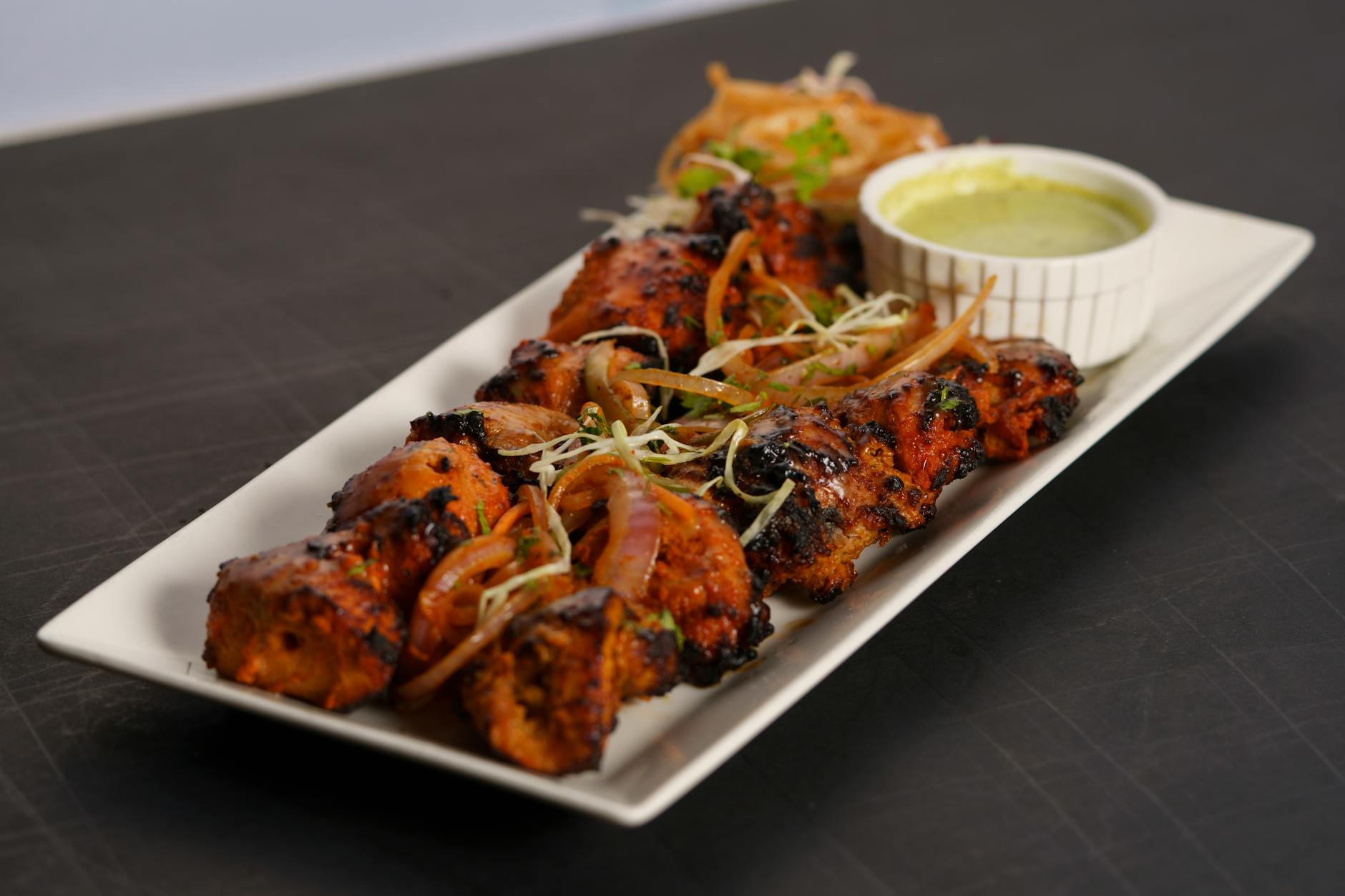
Jun 15, 2026Charred Habanero Chicken Tikka with Smoked Tomato Chutney
Tender chicken thighs get the full heat treatment in this fiery take on tikka—marinated in habanero-spiked yogurt, then charred until caramelized and served with a smoky grilled tomato chutney that doubles down on the fire. 55 min · 0 saves.
indian · hot
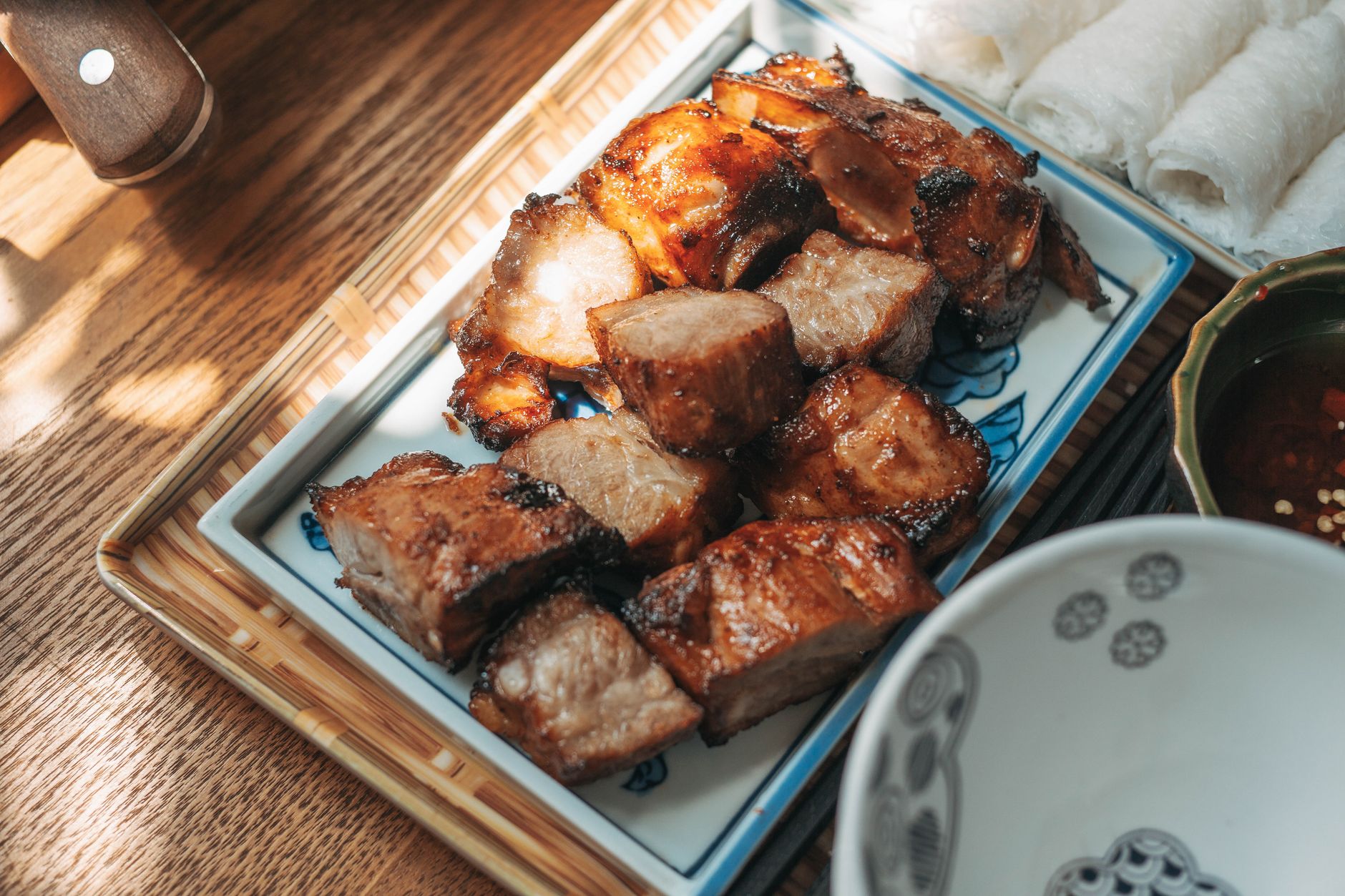
Apr 14, 2026Vindaloo with Fresh Habaneros and Tamarind
A proper Goan vindaloo that brings together fresh habaneros with traditional vinegar and tamarind for waves of heat that deepen with every spoonful. 120 min · 0 saves.

indian · inferno
Oct 7, 2026Mirchi ka Salan with Ghost Pepper and Charred Tomato
Whole ghost peppers in a deep, roasted peanut and sesame sauce with charred tomato depth. Built for cooks who know what they're after: this is extreme heat, not a mild dish dialed up. The peppers stay intact, the sauce is nutty and tangy, and the payoff is sustained, serious capsaicin. 60 min · 0 saves.
Bottle picks
Related hot sauce reviews.
Explore sauces with related ingredients, flavors, and heat levels.
Yellowbird Habanero Hot Sauce Review
A bright, carrot-forward bottle with enough heat to stay lively and enough sweetness to stay versatile.
Best for tacos
Best for: Tacos and rice bowls
Skip if: Skip if you want a classic vinegar-forward table sauce with almost no sweetness.
Read review
Heatonist Los Calientes Rojo Review
Heatonist Los Calientes Rojo: flavor notes, heat level, and suggested food pairings.
Best for tacos
Best for: Tacos and rice bowls
Skip if: Skip if you are chasing a novelty-level heat hit or a super-special-occasion bottle.
Read review
Hot Ones Lineup Collection Review
A curated shelf-builder for tasting nights, gifts, and anyone who wants to compare heat styles side by side.
Best for gifting
Best for: Sauce subscription
Skip if: Skip if you need one exact everyday bottle instead of a discovery-style gift.
Read review
Go deeper
Background guides that build on this.
Keep reading
More on this subject.
If this post helped, these are the next pieces most likely to keep the thread going.
science
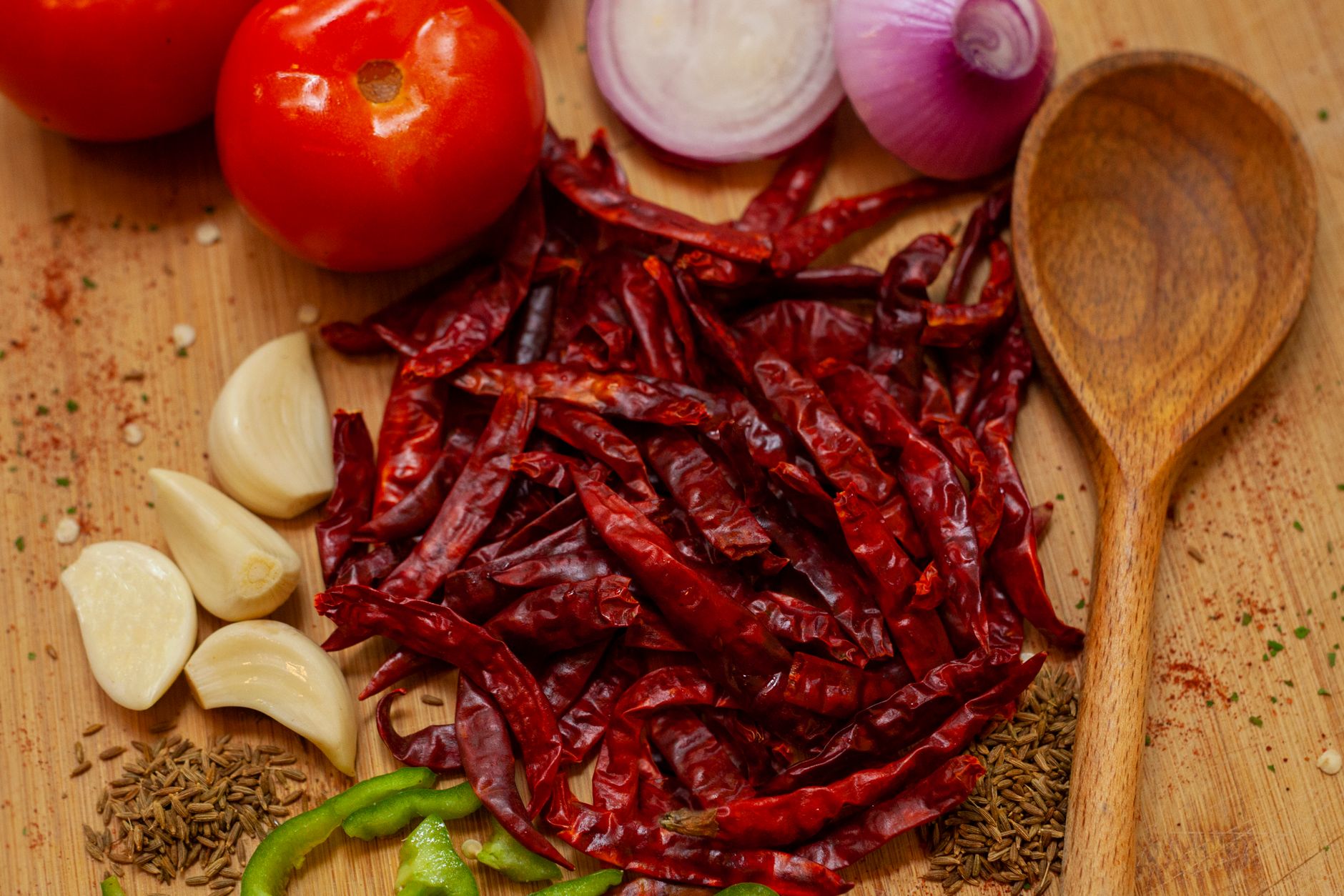
Apr 30, 2026Podi, Laal Maas, and Ghost Pepper: Regional Indian Heat
Explore the dried spices in podi, the chili sauce in laal maas, and the cautious use of ghost peppers in regional cooking.

science
May 24, 2026Tempering, Wet-Grinding, and Combining Fresh and Dried Chiles
Tempering whole spices, grinding fresh pastes, and combining fresh and dried chiles each change how a dish is seasoned.
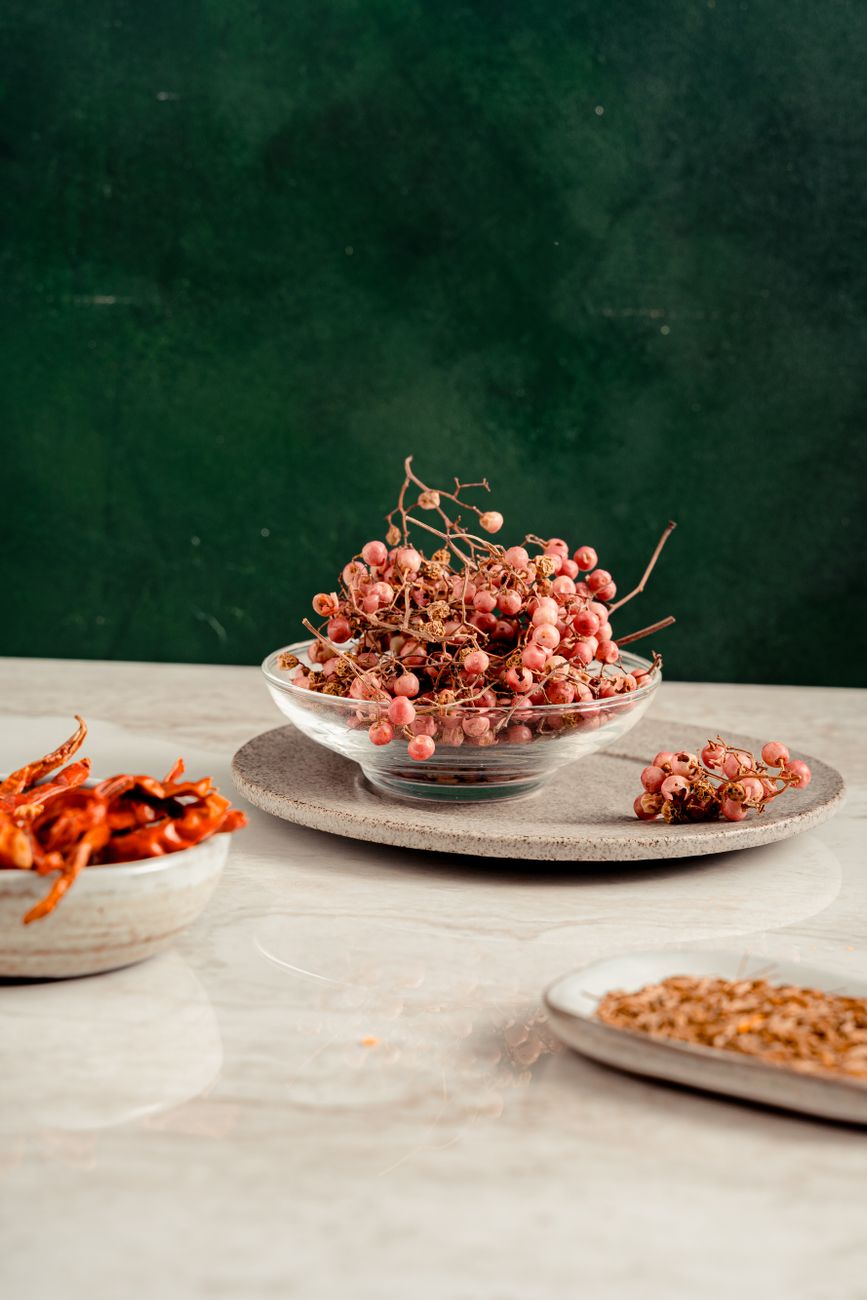
science
Oct 10, 2026Why Chili Oil and Numbing Heat Drive the Spiciest Chinese Dishes Right Now
Two kinds of heat drive the spicy Chinese dishes worth craving: the numbing tingle of Sichuan peppercorn and the slow burn of infused chili oil. Learn how they work together, which dried chilies matter, and how to build layered heat that enhances flavor instead of flattening it.
Comments
Reader discussion is shared across recipes, reviews, and editorial pieces.
Comments are read-only while member sign-in is paused.