science
Podi, Laal Maas, and Ghost Pepper: Regional Indian Heat
Explore the dried spices in podi, the chili sauce in laal maas, and the cautious use of ghost peppers in regional cooking.
Share this
Pass it around
Send this page to a friend, copy the link, or save it to a Pinterest board.

Save for later
Pin this page
Save the image with a link back to this recipe, review, or article.
Podi, Laal Maas, and Ghost Pepper: Regional Indian Heat
The most craveable spicy food isn't about maximum heat. It's about pepper selection, fat, smoke and fermentation working together to shape how heat builds and fades.
Three regional Indian cooking traditions illustrate this well. Each relies on different pepper varieties, preparation methods and timing to shape how heat builds and fades, and looking at how each one works offers practical technique for building heat at home.
Andhra-Style Gunpowder Spice: The Perfect Heat Rhythm
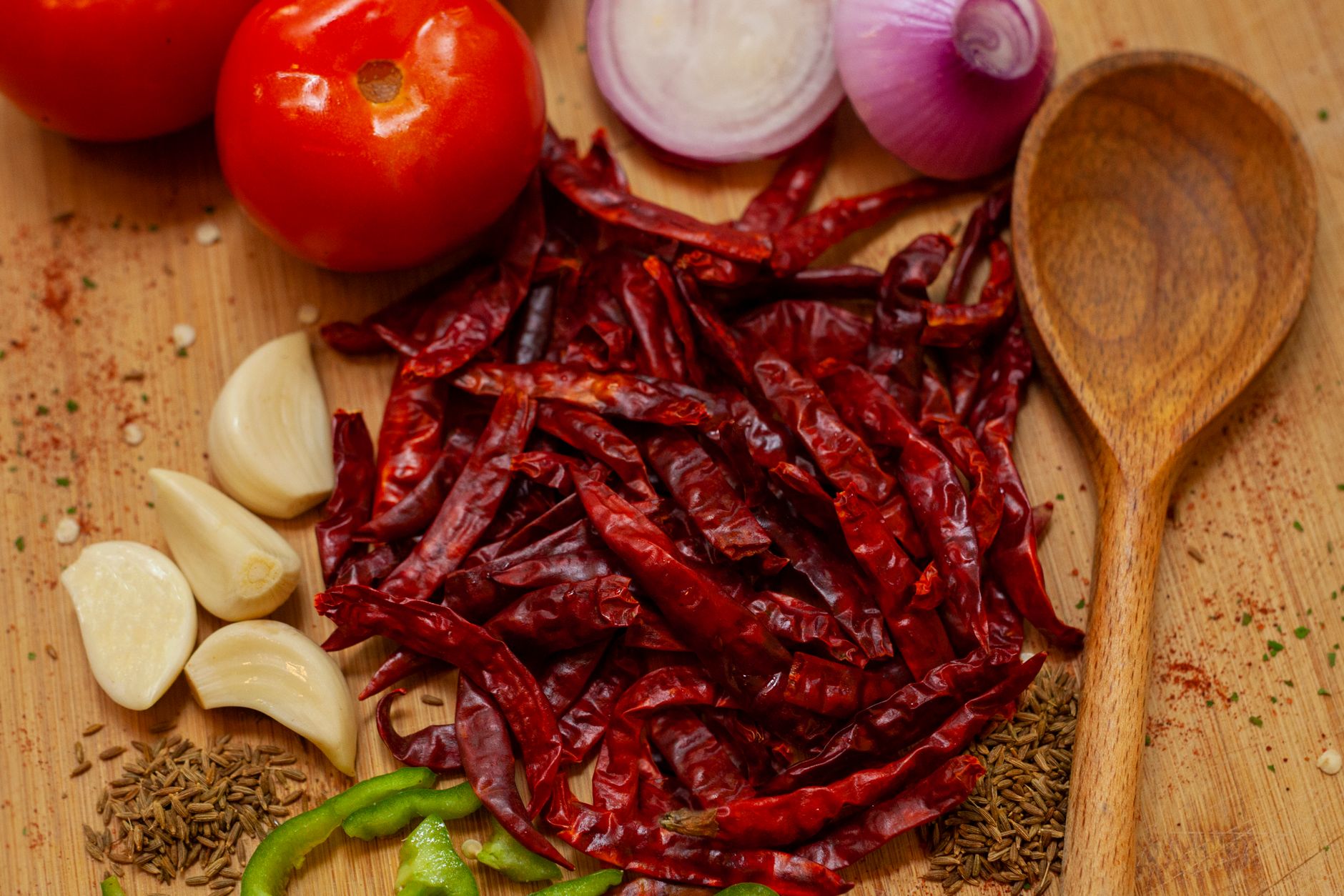
Traditional podi (gunpowder spice) combines multiple dried chilies with different heat levels, so the blend delivers a range of intensities rather than one uniform level of spice.
Byadgi chilies provide a mild, gradual base heat, at 15,000-25,000 Scoville units. Guntur chilies add a sharper, more direct heat, at 35,000-40,000 Scoville units. Bird's eye chilies contribute quick, intense spikes, up to 100,000 Scoville units.
Combining chilies with different heat levels in one blend creates a mix of sensations rather than a single flat level of spice. The sesame seeds and lentils in podi also contribute oil that helps disperse the ground chilies and their heat throughout the blend.
The result is a blend with varied heat and flavor in each bite, rather than a single uniform level of spice.
Rajasthani Laal Maas: When Fat Makes Fire Better
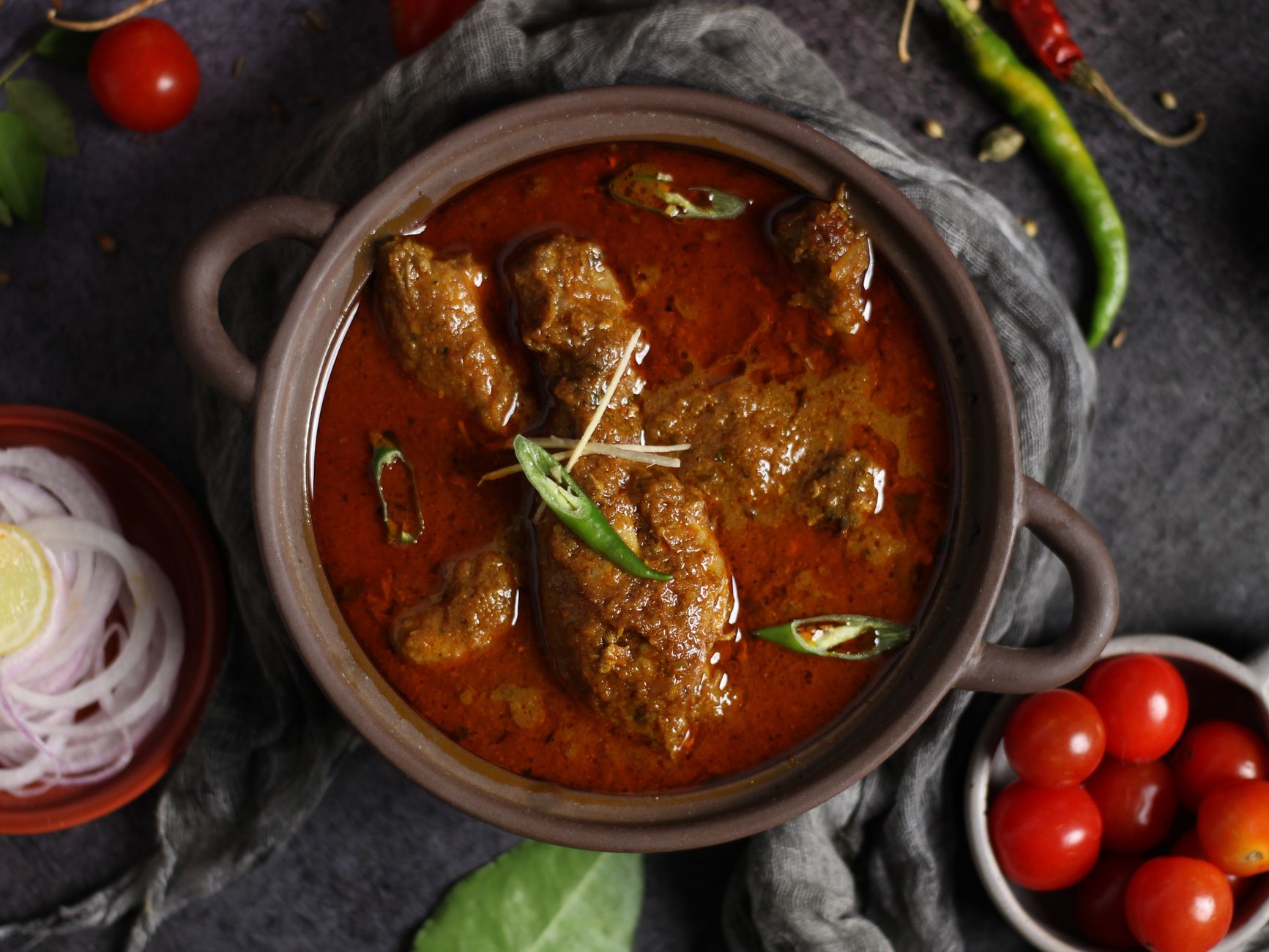
Fat changes how chile heat comes across in a dish, not just how the dish tastes. The dish gets its heat from Mathania red chilies, a Rajasthani variety with significant natural oils and Scoville ratings of roughly 30,000-50,000 units.
Mathania chilies are also valued for a deep red color and fruity flavor that distinguishes laal maas from other chile-based curries.
Slow-cooking allows the chilies' flavor to fully infuse the sauce, which is part of why laal maas is traditionally simmered for an extended period rather than cooked quickly.
Naga-Style Bhut Jolokia Preparations: Taming the Superhot
Ghost peppers (bhut jolokia) measure 800,000-1,000,000+ Scoville units raw. Traditional Naga preparations use techniques that make the peppers workable in everyday cooking rather than overwhelming.
Several preparation methods change how the peppers' heat is experienced:
Smoking and drying concentrate the peppers' flavor and add smokiness alongside the heat.
Fermentation adds tang and rounds out the peppers' flavor, similar to other fermented chile pastes.
Small quantities are used, mixed into dishes with bamboo shoots, sesame or other ingredients that balance the heat rather than mask it.
Oil-based pastes let cooks add a measured amount of ghost pepper heat to a dish.
Smoking gives ghost peppers a milder, rounder heat alongside their smokiness. Fermented preparations add tang and depth that carry the heat differently than the raw pepper would.
Portion control matters most: a small amount of prepared ghost pepper paste, about a fingertip's worth, added to a bamboo shoot curry provides significant heat without the overwhelming intensity of fresh ghost pepper.
Cooking at Home
Each of these styles manages chile heat through different techniques. Andhra gunpowder spice combines chilies with different heat levels. Rajasthani laal maas uses fat to help distribute the chilies' heat through a slow-cooked sauce. Naga preparations use smoking, fermentation and careful portioning to make very hot peppers usable in everyday dishes.
The chile varieties used in each dish are specific regional choices, not interchangeable ingredients: Mathania chilies, Guntur chilies and common supermarket varieties like cayenne or jalapeño all differ in heat level, flavor and oil content.
To apply these techniques at home: slow-cooking chilies in fat helps distribute their heat through a dish regardless of variety, and combining peppers with different heat levels creates more variation than relying on a single type. Building complexity through cooking method and pepper selection, rather than simply increasing the amount of the hottest chile, is the throughline across all three styles.
Peppers featured in this post
Cook with this idea
Recipes to try next.
Put these ingredients and techniques to use in your next meal.
indian · hot
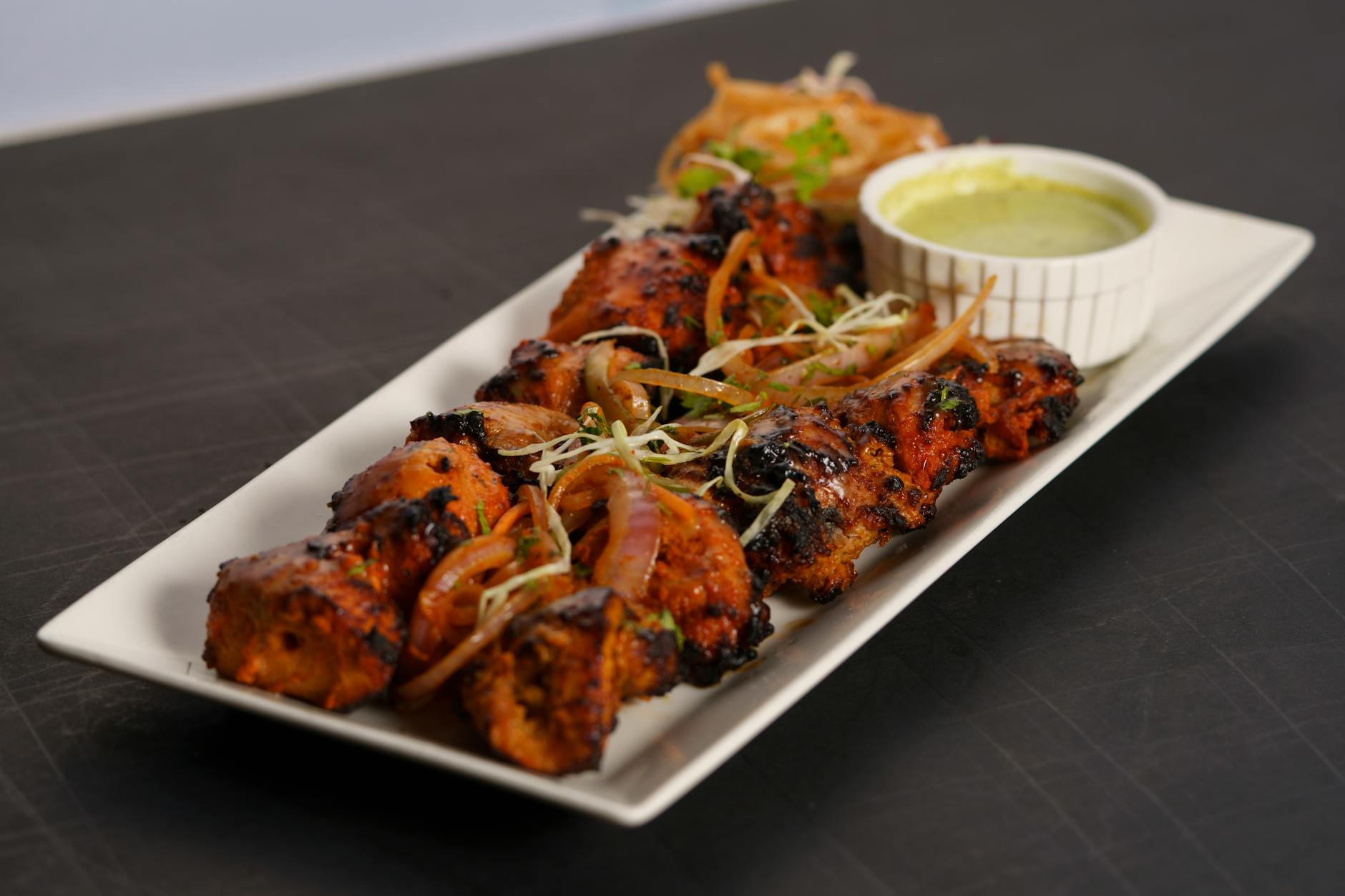
Jun 15, 2026Charred Habanero Chicken Tikka with Smoked Tomato Chutney
Tender chicken thighs get the full heat treatment in this fiery take on tikka—marinated in habanero-spiked yogurt, then charred until caramelized and served with a smoky grilled tomato chutney that doubles down on the fire. 55 min · 0 saves.
indian · hot
Apr 14, 2026Vindaloo with Fresh Habaneros and Tamarind
A proper Goan vindaloo that brings together fresh habaneros with traditional vinegar and tamarind for waves of heat that deepen with every spoonful. 120 min · 0 saves.

indian · inferno
Oct 7, 2026Mirchi ka Salan with Ghost Pepper and Charred Tomato
Whole ghost peppers in a deep, roasted peanut and sesame sauce with charred tomato depth. Built for cooks who know what they're after: this is extreme heat, not a mild dish dialed up. The peppers stay intact, the sauce is nutty and tangy, and the payoff is sustained, serious capsaicin. 60 min · 0 saves.
Bottle picks
Related hot sauce reviews.
Explore sauces with related ingredients, flavors, and heat levels.
Heatonist Los Calientes Rojo Review
Heatonist Los Calientes Rojo: flavor notes, heat level, and suggested food pairings.
Best for tacos
Best for: Tacos and rice bowls
Skip if: Skip if you are chasing a novelty-level heat hit or a super-special-occasion bottle.
Read review
Fuego Box Monthly Subscription Review
A reliable discovery box for people who want more than supermarket sauces without going full novelty heat gimmick.
Best for gifting
Best for: Sauce subscription
Skip if: Skip if you need one exact everyday bottle instead of a discovery-style gift.
Read review
Yellowbird Habanero Hot Sauce Review
A bright, carrot-forward bottle with enough heat to stay lively and enough sweetness to stay versatile.
Best for tacos
Best for: Tacos and rice bowls
Skip if: Skip if you want a classic vinegar-forward table sauce with almost no sweetness.
Read review
Go deeper
Background guides that build on this.
Keep reading
More on this subject.
If this post helped, these are the next pieces most likely to keep the thread going.
science
May 3, 2026Vindaloo, Ghost Pepper Curries, and Rasam
Compare vinegar-seasoned vindaloo, ghost pepper curries, and pepper-forward rasam, with care taken to distinguish sourness from heat.

science
May 24, 2026Tempering, Wet-Grinding, and Combining Fresh and Dried Chiles
Tempering whole spices, grinding fresh pastes, and combining fresh and dried chiles each change how a dish is seasoned.
science
Oct 10, 2026Why Chili Oil and Numbing Heat Drive the Spiciest Chinese Dishes Right Now
Two kinds of heat drive the spicy Chinese dishes worth craving: the numbing tingle of Sichuan peppercorn and the slow burn of infused chili oil. Learn how they work together, which dried chilies matter, and how to build layered heat that enhances flavor instead of flattening it.
Comments
Reader discussion is shared across recipes, reviews, and editorial pieces.
Comments are read-only while member sign-in is paused.