
FlamingFoodies recipe
Doro Wot with Extra Berbere Heat
An adaptation of Ethiopian chicken stew with scotch bonnet peppers added to the berbere sauce.
Chicken drumsticks and eggs slow-simmered in a rich berbere sauce spiked with scotch bonnet peppers—comfort food with some serious warmth.
Ingredients
For the Stew
- 3 lbschicken drumsticks, skin-on
- 6 largeeggs
- 4 largeyellow onions, finely chopped
- 1/3 cupberbere spice blend
- 2 wholescotch bonnet peppers, stems removed, left whole
- 6 clovesgarlic, minced
- 2 inchesfresh ginger, peeled and minced
- 1/4 cupniter kibbeh, or clarified butter
- 2 cupschicken stock
- 2 tablespoonstomato paste
- 1 teaspoonfenugreek seeds, ground
- 1/2 teaspooncardamom seeds, ground
- 1/4 teaspoonnutmeg, freshly grated
- 2 teaspoonskosher salt
- 1 tablespoonfresh lemon juice
Method
1. Cook the Eggs and Prep the Base Start by getting your eggs cooking—10 minutes for perfect hard-boiled, then straight into ice water. While they cool, pat your chicken dry and give it a good seasoning with salt. Now for the foundation: cook those chopped onions in your heaviest pot without any oil, stirring often until they turn golden and smell sweet.
Watch for: The onions should smell sweet and caramelized, not sharp or raw
Tip: This onion step takes a good 15-20 minutes, but it's building all your flavor—don't rush it.
2. Build the Berbere Base Add the niter kibbeh to your beautiful caramelized onions, followed by garlic, ginger, and tomato paste. Let everything get fragrant for a couple minutes, then stir in the berbere and your ground spices. Keep stirring—this paste is precious and will turn bitter if it burns.
Watch for: The kitchen should smell absolutely incredible—deep, warm, and complex
Tip: Once the berbere goes in, keep your heat at medium-low and your spoon moving.
3. Brown the Chicken and Add Liquid Make some room in the pot and nestle in your chicken pieces, turning them until they're golden on all sides. Drop in those whole scotch bonnets, then slowly pour in the stock while scraping up all the good brown bits. Add water if needed to barely cover the chicken.
Watch for: Look for nice golden color on the chicken—it doesn't need to be fully cooked yet
Tip: Keeping the peppers whole gives you heat with control—you can fish them out later if things get too spicy.
4. Simmer Until Tender Bring everything to a gentle bubble, then turn the heat low and cover partially. Let it simmer for 45 minutes, stirring now and then and adding water if it gets too thick. Nestle in your peeled eggs for the last 15 minutes, then finish with a squeeze of lemon and taste for salt.
Watch for: The surface should glisten with oil, and the sauce should cling beautifully to everything
Tip: You'll know it's ready when the sauce coats a spoon nicely and the chicken is fork-tender.
Equipment
- Large heavy-bottomed pot or Dutch oven
- Sharp knife for chopping
- Fine-mesh strainer for eggs
Make ahead
- Make this up to 3 days ahead—it only gets better as the flavors meld. Perfect for when you're having folks over and want to actually enjoy their company instead of being stuck in the kitchen.
Storage
- Keeps beautifully in the fridge for up to 4 days. The sauce will thicken up as it cools, which is exactly what you want.
Reheat
- Warm it gently over low heat with a splash of water or stock to loosen things up. Don't let it boil hard or the chicken might get tough on you.
Top tips
- This stew actually tastes better the next day—make it ahead if you can manage the wait
- If you can't track down niter kibbeh, clarified butter with a pinch of turmeric gets you close
- Toast your whole fenugreek and cardamom seeds before grinding for deeper flavor
Substitutions
- Chicken thighs work even better than drumsticks if you want maximum tenderness
- Habaneros can step in for scotch bonnets—same heat level, slightly different flavor
- Regular butter or ghee can pinch-hit for niter kibbeh, though you'll miss some of that authentic taste
Serve with
- Injera bread is traditional and perfect for scooping up every bit of that gorgeous sauce
- Good basmati rice works beautifully if injera isn't happening
- Have extra bread on hand—people will want to chase every drop of sauce around their bowls
Find another recipe
Open archive →Doro Wot with Extra Berbere Heat

An adaptation of Ethiopian chicken stew with scotch bonnet peppers added to the berbere sauce.
Prep
45 min
Cook
1 hr 30 min
Active
1 hr
Total
2 hrs 15 min
Yield
6 servings
Share this
Pass it around
Send this page to a friend, copy the link, or save it to a Pinterest board.
Save for later
Pin this page
Save the image with a link back to this recipe, review, or article.
Peppers in this recipe
Recipe notes
Before you cook
There's something deeply satisfying about making doro wot on a weekend afternoon when you have nowhere to be. This is Ethiopia's most cherished dish—the one that graces special tables and brings families together over injera bread. I've added scotch bonnets here because they play so beautifully with berbere's complex heat, creating layers that unfold as you eat. Yes, this version has some fire, but it's the kind that invites another bite rather than sending you running for milk. Set aside a few hours; this stew rewards patience with chicken so tender it falls from the bone.
Total time
2 hrs 15 min
Prep: 45 min. Cook: 1 hr 30 min.
Yield
6 servings
The ingredient quantities below are for this yield.
Method
How to cook it
Use the step navigator to move around, or stay in cook mode and work top to bottom.
- 1
Step 1 of 4
Cook the Eggs and Prep the Base
Start by getting your eggs cooking—10 minutes for perfect hard-boiled, then straight into ice water. While they cool, pat your chicken dry and give it a good seasoning with salt. Now for the foundation: cook those chopped onions in your heaviest pot without any oil, stirring often until they turn golden and smell sweet.
- 2
Step 2 of 4
Build the Berbere Base
Add the niter kibbeh to your beautiful caramelized onions, followed by garlic, ginger, and tomato paste. Let everything get fragrant for a couple minutes, then stir in the berbere and your ground spices. Keep stirring—this paste is precious and will turn bitter if it burns.
- 3
Step 3 of 4
Brown the Chicken and Add Liquid
Make some room in the pot and nestle in your chicken pieces, turning them until they're golden on all sides. Drop in those whole scotch bonnets, then slowly pour in the stock while scraping up all the good brown bits. Add water if needed to barely cover the chicken.
- 4
Step 4 of 4
Simmer Until Tender
Bring everything to a gentle bubble, then turn the heat low and cover partially. Let it simmer for 45 minutes, stirring now and then and adding water if it gets too thick. Nestle in your peeled eggs for the last 15 minutes, then finish with a squeeze of lemon and taste for salt.
Troubleshooting
Tips that matter
- This stew actually tastes better the next day—make it ahead if you can manage the wait
- If you can't track down niter kibbeh, clarified butter with a pinch of turmeric gets you close
- Toast your whole fenugreek and cardamom seeds before grinding for deeper flavor
Substitutions and variations
Storage and leftovers
Plan ahead and reheat well
Make ahead
Make this up to 3 days ahead—it only gets better as the flavors meld. Perfect for when you're having folks over and want to actually enjoy their company instead of being stuck in the kitchen.
Storage
Keeps beautifully in the fridge for up to 4 days. The sauce will thicken up as it cools, which is exactly what you want.
Reheat
Warm it gently over low heat with a splash of water or stock to loosen things up. Don't let it boil hard or the chicken might get tough on you.
At the table
Serving suggestions
- Injera bread is traditional and perfect for scooping up every bit of that gorgeous sauce
- Good basmati rice works beautifully if injera isn't happening
- Have extra bread on hand—people will want to chase every drop of sauce around their bowls
FAQ
Common questions
How much hotter is this than regular doro wot?
Traditional doro wot has a warm, complex heat from the berbere. This version definitely brings more fire with those scotch bonnets—it builds as you eat and is meant for people who genuinely love spicy food, not just tolerate it.
Should I take the peppers out before serving?
You can absolutely fish them out if you want to dial back the heat a bit. Leaving them whole during cooking gives you all that flavor and warmth without making the dish unmanageable for most people.
What if I can't find berbere anywhere?
Check Middle Eastern or Ethiopian markets, or order online—it's worth seeking out the real thing. Different brands vary quite a bit in heat level, so taste yours first. You could make your own, but it requires a long list of whole spices and some serious toasting skills.
Heat profile
Hot
The recipe is classified as hot. Check the chile quantities before you start.
Skill level
Intermediate
Check the method for steps that need to be prepared at the same time.
Total time
2 hrs 15 min
Prep: 45 min. Cook: 1 hr 30 min.
Yield
6 servings
The ingredient quantities below are for this yield.
Cook this with
Three useful buys before you start
A sauce, a pantry ingredient, and a kitchen tool to consider for this dish.
Sauce
Yellowbird Habanero
Yellowbird · Best for tacos
It brings enough heat to cut through the richer bites without flattening the rest of the dish.
Get the sauce used herePantry
Berbere Spice Blend
Warm spice
Sheet pan dinners and stews. A smoky-spiced shortcut for lentils, roasted vegetables, stews, and fast weeknight braises.
Grab the pantry stapleGear
Molcajete Mortar and Pestle
Sauce lab
Fresh salsa and chunky chili pastes. The right move for salsa macha, charred pepper pastes, and rough-textured marinades with bite.
Use this toolPair this with
The right bottle for this recipe
These sauce picks are matched to the dish itself, not dropped in at random. Use them to finish, sharpen, or push the heat where it helps.
Yellowbird Habanero
It brings enough heat to cut through the richer bites without flattening the rest of the dish.
A bright, carrot-forward bottle with enough heat to stay lively and enough sweetness to stay versatile.
Los Calientes Rojo
Use this when you want a brighter finishing hit next to the deeper flavors already built into doro wot with extra berbere heat.
Heatonist Los Calientes Rojo: flavor notes, heat level, and suggested food pairings.
Shop the pantry
Pantry staples for this recipe
Warm spice
$9-$16Berbere Spice Blend
Sheet pan dinners and stews. A smoky-spiced shortcut for lentils, roasted vegetables, stews, and fast weeknight braises.
Check price on AmazonChar-ready marinade
$8-$14Nando's Medium Peri-Peri Sauce
Chicken, skewers, and grilled vegetables. The bottle to grab when chicken needs acid, garlic, and real heat before it hits the grill or broiler.
Check price on AmazonSweet heat
$10-$16Mike's Hot Honey
Finishing sweet-spicy dishes. The fast-track drizzle for pizza, fried chicken, salmon, Brussels sprouts, and hot sandwiches.
Check price on AmazonRecommended equipment
Cooking tools
Sauce lab
$35-$60Molcajete Mortar and Pestle
Fresh salsa and chunky chili pastes. The right move for salsa macha, charred pepper pastes, and rough-textured marinades with bite.
Check price on AmazonSummer helper
$18-$30Stainless Steel Grill Basket
Seafood, fajitas, and charred vegetables. A cleaner route for shrimp, peppers, onions, and small vegetables that would otherwise disappear into the grates.
Check price on AmazonCook next
More recipes with similar heat
These are the next recipes most likely to fit the same mood, pantry, or heat level once this one is in your rotation.
ethiopian · hot
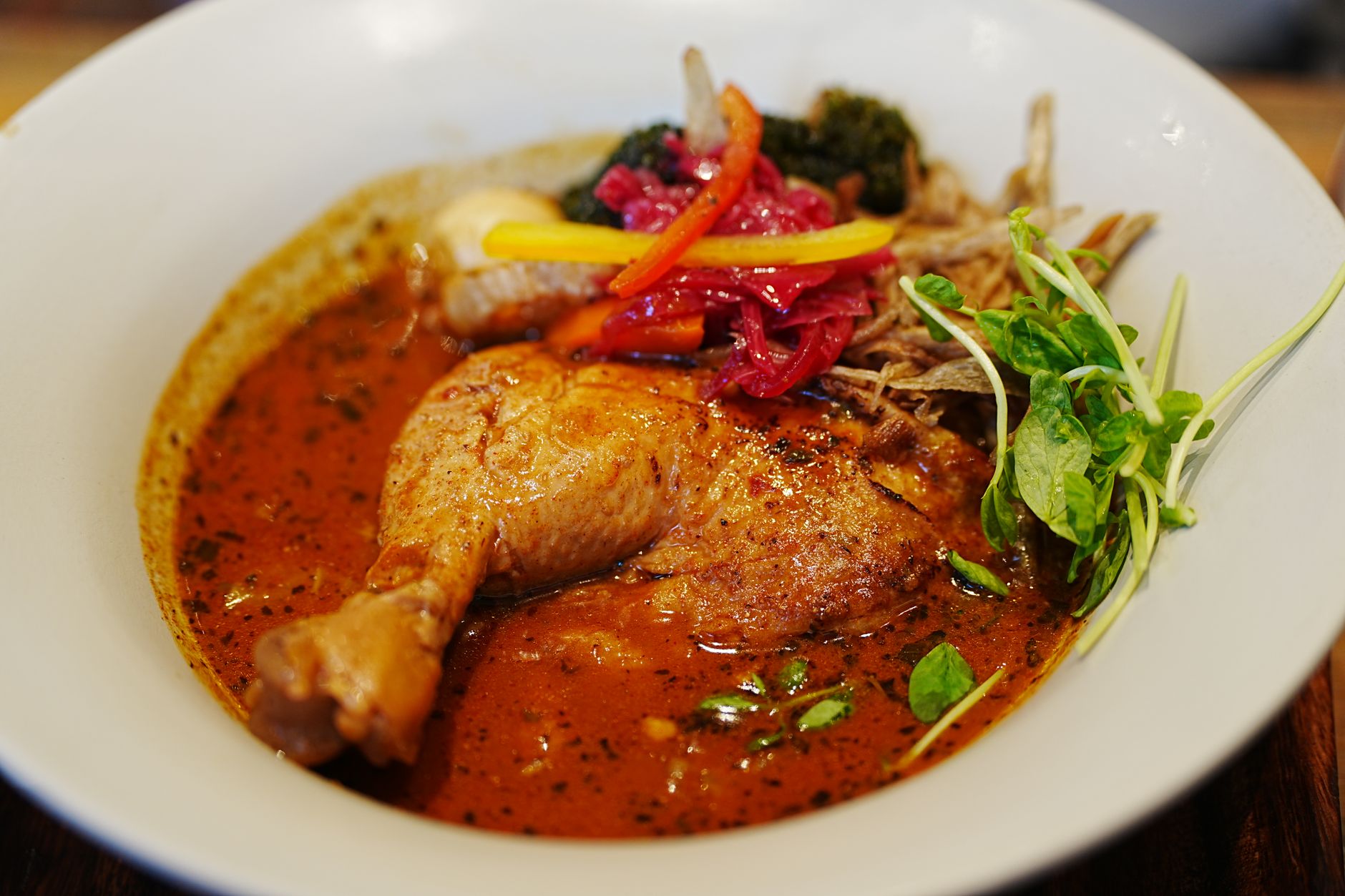
May 1, 2026Ethiopian Doro Wat with Extra Berbere Heat
Traditional Ethiopian chicken stew amplified with extra berbere spice blend and fresh hot peppers for serious heat lovers 120 min · 0 saves.

ethiopian · hot
Apr 14, 2026Doro Wot with Extra Berbere Fire
Ethiopia's most beloved chicken stew gets a loving heat boost with extra berbere and fresh scotch bonnet peppers. This version honors the traditional slow-cooking magic while bringing enough fire to make your eyes water—in the best possible way. 135 min · 0 saves.

ethiopian · hot
Apr 14, 2026Doro Wot with Extra Berbere Heat
Ethiopia's beloved spiced chicken stew with an extra kick of berbere and habaneros for those who love their comfort food with serious heat 120 min · 0 saves.
FlamingFoodies picks
Pantry, gear, and bottle picks that fit this meal
Pitmaster starter
BBQ Rub Gift Set
A clean route into grilling gifts, especially for people who care more about cookouts than novelty heat stunts. Best for grilling gifts and backyard cooks.
View on AmazonKitchen staple
12-Inch Cast Iron Skillet
The sear-and-char pan for smash burgers, fajitas, cornbread, and anything that likes hard edges. Best for weeknight proteins and pan sauces.
View on AmazonFrom the blog
More about this dish
Read more about the ingredients and cuisine.

science
May 26, 2026Berbere in Doro Wat, Kitfo, and Shiro
A look at Ethiopian spice blends through doro wat, kitfo, and shiro, with attention to the ingredients and preparation of each dish.
science
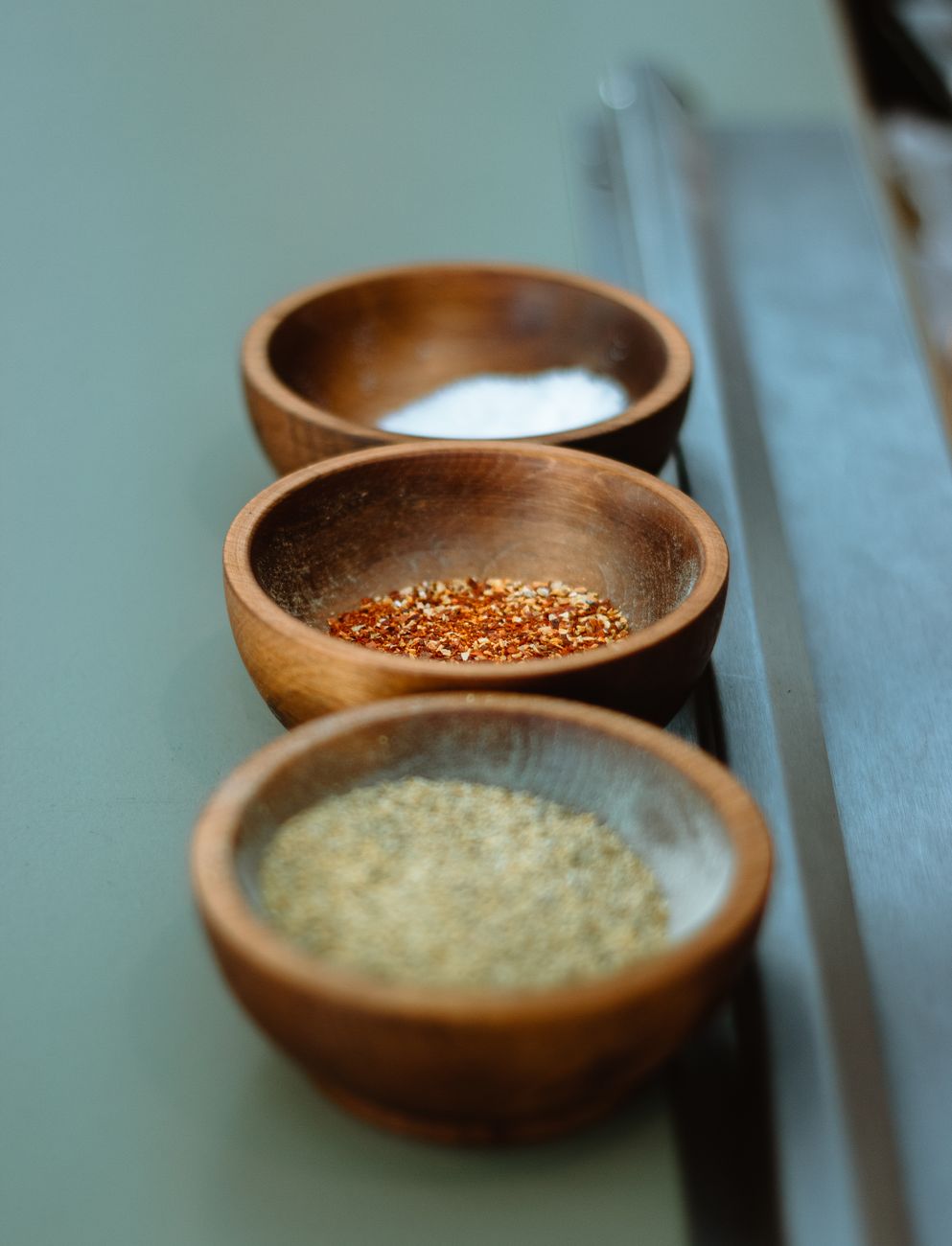
Apr 28, 2026Berbere, Mitmita, and Awaze: Ethiopian Spice Blends
A practical introduction to berbere, mitmita, and awaze: their ingredients, differences, and uses in Ethiopian cooking.
Background guides
Read the guide behind the technique
Learn more about the cooking techniques used here.
Community notes
Reader discussion is shared across recipes, reviews, and editorial pieces.
Comments are read-only while member sign-in is paused.