
science
Berbere, Mitmita, and Awaze: Ethiopian Spice Blends
A practical introduction to berbere, mitmita, and awaze: their ingredients, differences, and uses in Ethiopian cooking.
Share this
Pass it around
Send this page to a friend, copy the link, or save it to a Pinterest board.

Save for later
Pin this page
Save the image with a link back to this recipe, review, or article.
Ethiopian cooking builds heat differently than many other spicy cuisines. Instead of one burst of chile, the spice blends layer warming, earthy, and bitter notes so the heat changes across a few bites rather than hitting all at once.
Ethiopian kitchens rely on three signature blends—berbere, mitmita, and awaze—each suited to a different job. Looking at how they're made explains why the heat feels layered rather than flat.
Berbere: The Blend That Started Everything
Walk into any Ethiopian kitchen, and you'll find berbere. This russet-red blend anchors nearly every stew and sauce in the cuisine. Good berbere contains anywhere from 12 to 20 different spices, each one contributing to how the blend builds heat in stages rather than delivering it all at once.
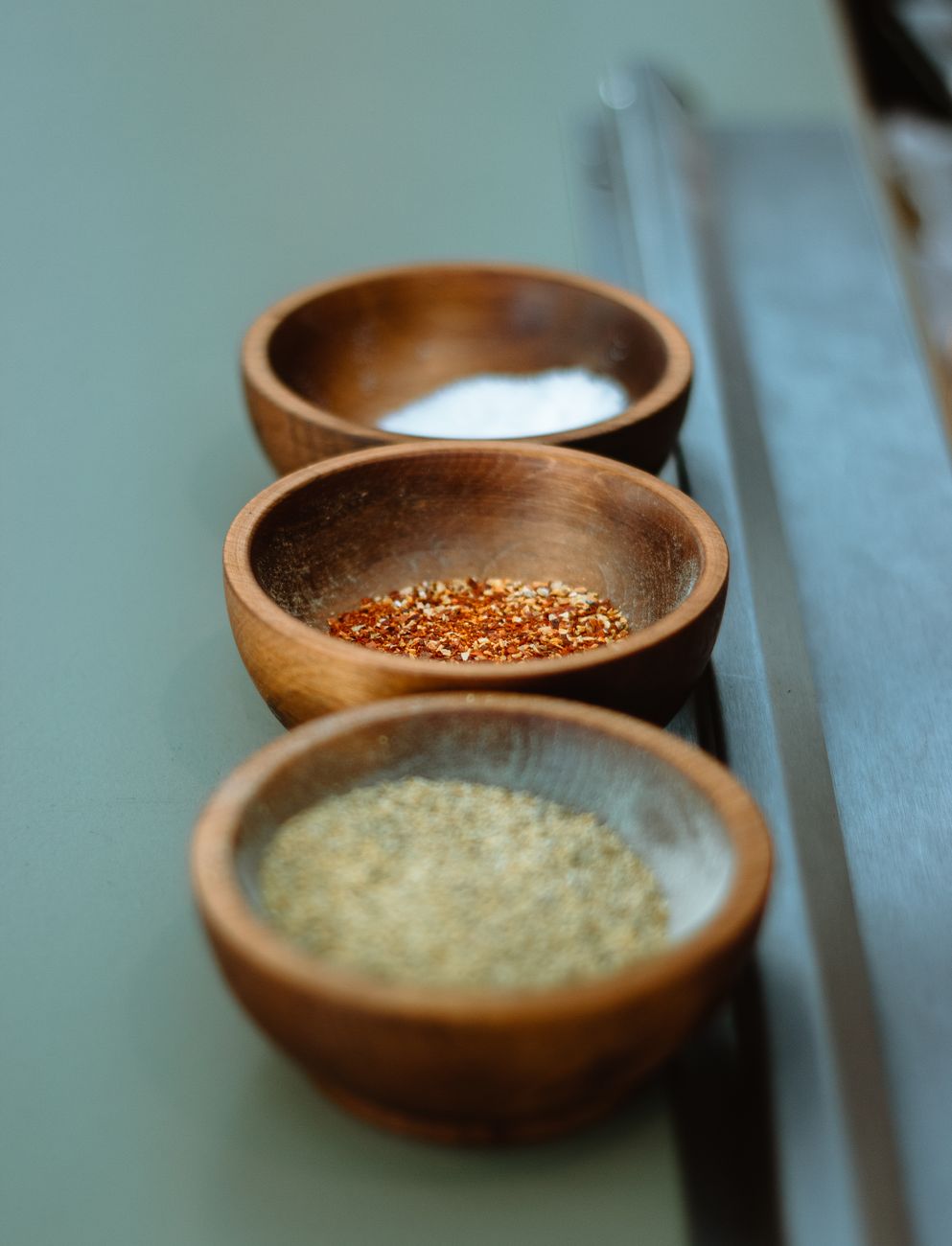
The foundation starts with dried chiles—typically bird's eye varieties mixed with longer red chiles. Ethiopian cooks fold in warming spices like cinnamon, cardamom, and allspice, then balance those with earthy players like fenugreek and nigella seeds. The way these ingredients are proportioned means they reach the palate in a rough sequence.
The combination lets doro wot carry real heat without overwhelming heat-sensitive diners: the warming spices soften the edge, while the fenugreek and nigella keep the flavor complex rather than one-note.
Mitmita: When Less Becomes More
If berbere is Ethiopian cooking's workhorse, mitmita is more of a precision blend. Despite packing more heat than berbere, mitmita typically uses just four or five carefully chosen spices.
Bird's eye chiles bring clean, direct heat. Cardamom adds a floral sweetness that's distinctive in Ethiopian spicing. Cloves contribute warming depth without overwhelming the mix. Salt ties everything together and brings up the other flavors.
Mitmita stays palatable even at high heat levels because the spice list is short and each ingredient has a clear job. Ethiopian cooks dust it over kitfo—Ethiopian steak tartare—where its heat plays against rich raw beef, cooling cheese, and crisp greens. Cardamom's floral sweetness offsets the direct chile heat, giving the dish more dimension than straight burn.
Awaze: Fermentation Meets Fire
Then there's awaze, which takes Ethiopian heat into different territory. This thick paste starts with berbere or mitmita, adds tej (Ethiopian honey wine), sometimes extra aromatics, then ferments for a period of days to weeks.
The result combines heat, sweetness, acidity, and savory depth in a single paste. Awaze clings well to grilled meats and vegetables, and its fermented tang complements char flavors from the grill.
Why Ethiopian Heat Feels Different
Several practical factors explain why Ethiopian spice blends read differently from other chile-based cuisines. Traditional cooks toast and grind spices fresh daily, preserving volatile oils that make pre-ground spices taste flat by comparison. They also bloom their spice blends in oil before adding other ingredients, drawing out additional flavor through controlled heat.
Most Ethiopian dishes are served very hot, which intensifies aroma and makes the spicing more noticeable. Injera, the slightly sour, spongy flatbread served alongside, also softens the chile heat while soaking up the spice flavors in every bite.
All these elements work together so the heat feels built into the dish rather than added on top afterward. The sourness of injera balances chile fire, and its texture helps spread the spicing evenly across each bite.
Bringing Ethiopian Heat to Your Kitchen
If you want to explore these flavors at home, start with berbere from a source that actually lists individual spices on the label. Quality berbere should smell like opening a well-stocked spice cabinet and taste complex before it tastes hot.
For those still building their heat tolerance, berbere in slow-cooked dishes offers the gentlest introduction—the long cooking time mellows its intensity while building layers of flavor. Heat lovers should jump straight to mitmita, which delivers more direct chile impact while keeping that same complexity.
The point isn't to prove a tolerance for heat—it's to notice how blending spices in stages changes the way that heat is experienced across a dish.
Cook with this idea
Recipes to try next.
Put these ingredients and techniques to use in your next meal.
ethiopian · hot
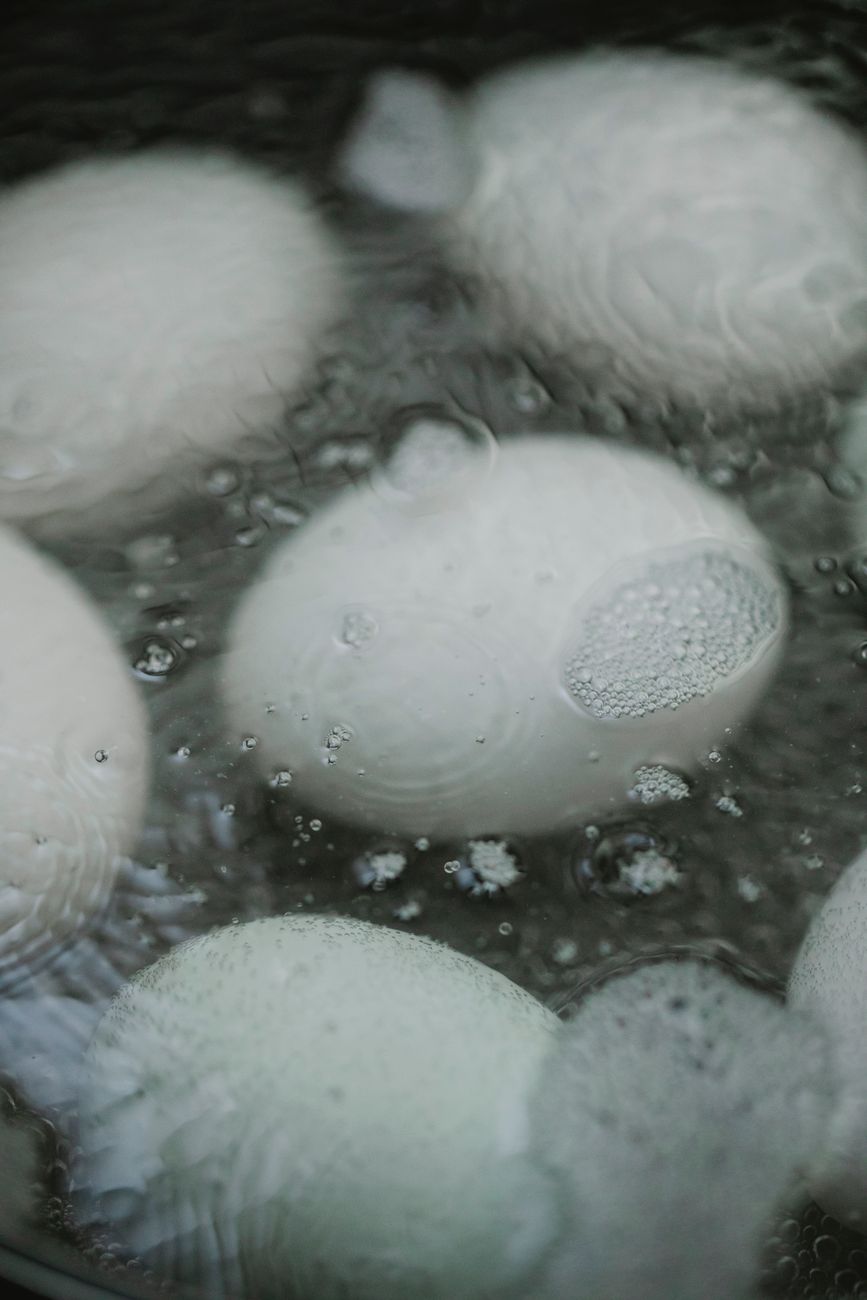
Jun 11, 2026Doro Wat with Extra Berbere Heat
Ethiopia's beloved national chicken stew gets a fiery makeover with fresh scotch bonnet peppers and an extra-generous hand with berbere spice—perfect for the heat seekers at your table. 120 min · 0 saves.

ethiopian · hot
May 31, 2026Shiro Wot with Extra Berbere Heat
A soul-warming Ethiopian chickpea flour stew that brings the heat with homemade berbere and fiery scotch bonnet peppers—comfort food for those who love their meals with serious spice. 65 min · 0 saves.
ethiopian · hot
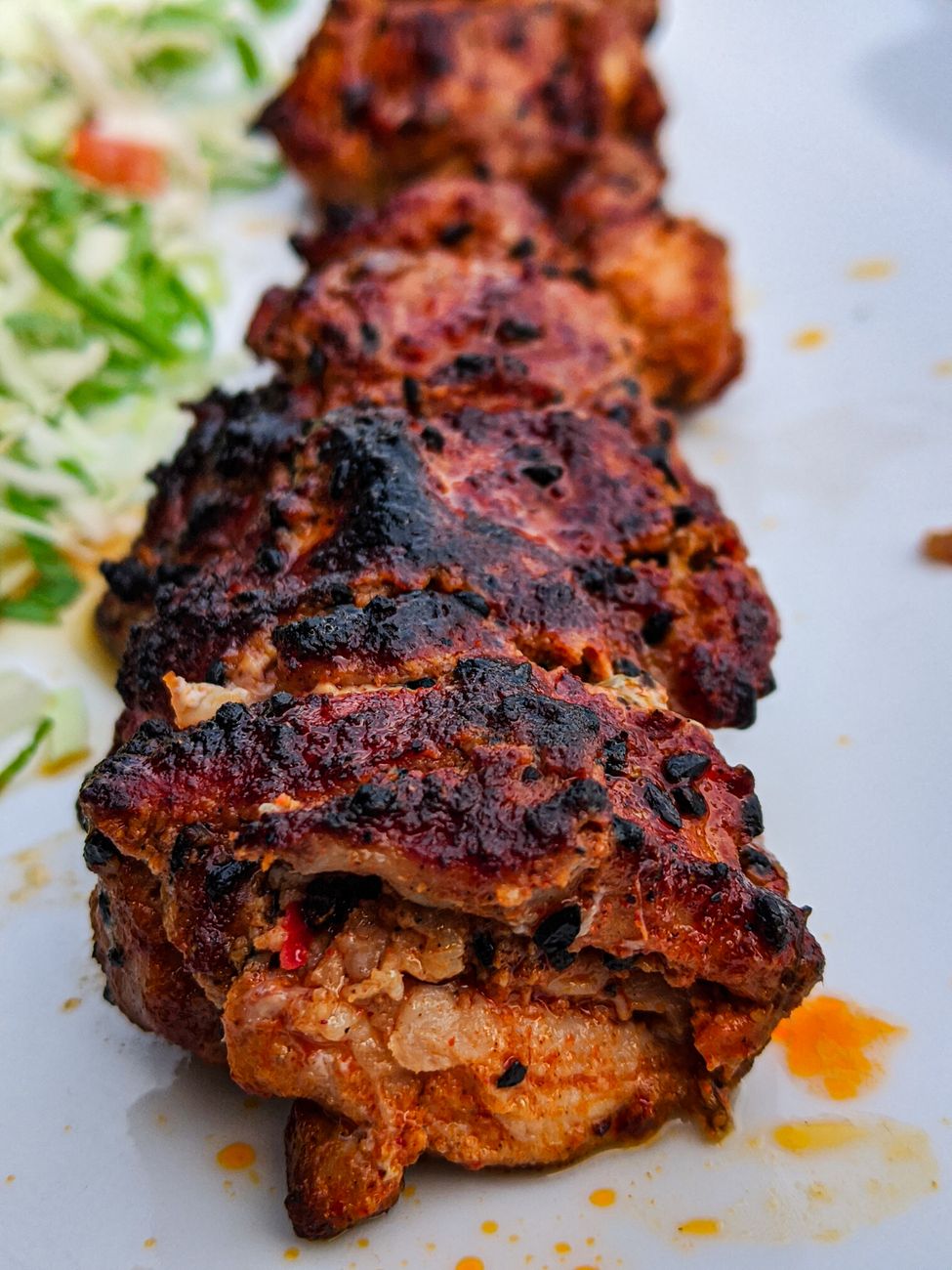
May 25, 2026Berbere-Crusted Grilled Chicken (Doro We't on the Grill)
Ethiopian berbere spice meets grilled chicken in this aromatic dish that brings serious heat through scotch bonnet chiles and warm spices like cardamom and fenugreek. 95 min · 0 saves.
Bottle picks
Related hot sauce reviews.
Explore sauces with related ingredients, flavors, and heat levels.
Yellowbird Habanero Hot Sauce Review
A bright, carrot-forward bottle with enough heat to stay lively and enough sweetness to stay versatile.
Best for tacos
Best for: Tacos and rice bowls
Skip if: Skip if you want a classic vinegar-forward table sauce with almost no sweetness.
Read review
Queen Majesty Scotch Bonnet and Ginger Review
A bright, elegant sauce that leans on fruit, ginger, and Scotch bonnet lift instead of brute force.
Best for seafood
Best for: Seafood and fish tacos
Skip if: Skip if you want a thick, smoky wing sauce more than a bright finishing bottle.
Read review
Fly By Jing Sichuan Gold Review
A citrusy, tingly sauce with real peppercorn presence and enough versatility to move beyond dumplings.
Best for dumplings
Best for: Eggs and breakfast tacos
Skip if: Skip if you want a thick, smoky wing sauce more than a bright finishing bottle.
Read review
Go deeper
Background guides that build on this.
Keep reading
More on this subject.
If this post helped, these are the next pieces most likely to keep the thread going.

science
May 26, 2026Berbere in Doro Wat, Kitfo, and Shiro
A look at Ethiopian spice blends through doro wat, kitfo, and shiro, with attention to the ingredients and preparation of each dish.
science
Oct 10, 2026Why Chili Oil and Numbing Heat Drive the Spiciest Chinese Dishes Right Now
Two kinds of heat drive the spicy Chinese dishes worth craving: the numbing tingle of Sichuan peppercorn and the slow burn of infused chili oil. Learn how they work together, which dried chilies matter, and how to build layered heat that enhances flavor instead of flattening it.

science
Jun 14, 2026Filipino Cooking with Chili, Vinegar, and Coconut Milk
Explore the use of chili, vinegar, coconut milk, and fermented ingredients in Filipino dishes such as Bicol express and laing.
Comments
Reader discussion is shared across recipes, reviews, and editorial pieces.
Comments are read-only while member sign-in is paused.