
FlamingFoodies recipe
Arroz Rojo con Ají Inferno
A Peruvian red rice bowl built on a base of tomato-infused rice, topped with seared chicken thighs and finished with an incendiary ají paste made from 7-pot peppers, fresh cilantro, and lime. The heat builds gradually and lingers; this is a dish for experienced chilli cooks.
Red rice base, seared chicken thighs, and an extreme-heat ají paste made from 7-pot peppers. The heat is real and sustained; portion the paste carefully.
Ingredients
Ají Inferno Paste
- 3 wholedried 7-pot peppers, seeds and stem removed
- 2 clovesgarlic
- ½ cupfresh cilantro leaves
- 2 tablespoonsfresh lime juice
- 1 tablespoonneutral oil
- ¼ teaspoonkosher salt
For Serving
- 2 limes, cut into wedgeslime wedges
- ¼ cupfresh cilantro, rough-chopped
Method
1. Toast and soak the 7-pot peppers Place the dried 7-pot peppers in a dry skillet over medium heat for 30 seconds per side until fragrant, then transfer to a bowl of hot water. Let soak for 10 minutes until soft and pliable. The peppers will darken slightly as they rehydrate.
Watch for: Peppers should be soft enough to tear with a spoon
Tip: Do not skip toasting; it deepens the chile flavor before the soak.
2. Sear the chicken thighs skin-side down Heat 1 tablespoon of neutral oil in a large heavy skillet over medium-high heat. Season the chicken thighs with salt and pepper on both sides. Place them skin-side down in the hot oil and do not move them for 6–7 minutes. The skin will render and turn golden brown and crispy. Flip and sear the other side for 3–4 minutes until browned. Transfer to a plate.
Watch for: Skin should be crispy and release easily from the pan when ready to flip
Tip: Rendered fat from the skin is where the flavor lives; leave it in the pan.
3. Build the red rice base In the same skillet with the rendered chicken fat, add the diced red onion and cook over medium heat, stirring, for 3 minutes until softened. Add the minced garlic and cook for 1 minute until fragrant. Pour in the diced tomatoes with their liquid and let them bubble gently for 2 minutes, then add the rice and stir to coat every grain in the oil. Toast the rice for 2 minutes, stirring constantly. The grains should look slightly translucent at the edges.
Watch for: Rice should smell toasted, not raw
Tip: Toasting the rice develops a subtle nuttiness that rounds the final dish.
4. Simmer the rice with stock Pour the chicken stock over the rice and stir in the salt. Bring to a boil, then reduce heat to low, cover, and simmer for 18–20 minutes. The rice is done when the liquid is absorbed and the grains are tender and separate. While the rice cooks, make the ají paste (see below).
Watch for: Rice should be fluffy and light, not mushy; if liquid remains, uncover and simmer another minute
Tip: Resist lifting the lid; steam is what cooks the rice evenly.
5. Blend the ají inferno paste Drain the rehydrated 7-pot peppers and place them in a blender with the 2 cloves of garlic, fresh cilantro, lime juice, neutral oil, and salt. Blend until smooth and paste-like, about 1 minute. Stop and scrape the sides if needed. The paste should be thick enough to dollop, not pourable.
Watch for: Paste should coat the back of a spoon and show no visible chile chunks
Tip: This is a raw paste; the vinegar is lime juice, which brightens the heat.
6. Nestle the chicken back into the rice Once the rice is done, gently nestle the seared chicken thighs back into the pot, skin-side up. Cover and let rest for 2 minutes off heat so the chicken and rice marry slightly.
Watch for: The pot should smell nutty and rich, with no burnt edges
7. Plate and finish with ají and cilantro Divide the red rice among four bowls, top each with a seared chicken thigh, and finish with a teaspoon or two of the ají inferno paste (the heat is intense; add conservatively). Scatter fresh cilantro over the top and serve with lime wedges on the side. Diners can add more ají and squeeze of lime to taste.
Watch for: The ají paste should glisten on the plate
Tip: Warn guests that the ají paste carries sustained, serious heat. A small spoonful is enough to season an entire bowl.
Equipment
- Large heavy skillet or Dutch oven with a lid
- Blender
- Cutting board and knife
- Measuring cups and spoons
Make ahead
- The ají paste holds in a sealed container in the refrigerator for up to 2 days. The rice can be made a few hours ahead and gently reheated with a splash of water. The chicken is best seared just before serving for maximum crispness.
Storage
- Leftovers (rice and chicken separate from the ají paste) keep in sealed containers in the refrigerator for up to 3 days. Store the ají paste separately to prevent it from continuing to intensify the rice.
Reheat
- Gently warm the rice in a covered pot over low heat with a tablespoon of water per cup of rice, stirring occasionally. Reheat the chicken skin-side up in a 375°F oven for 8–10 minutes to restore crispness.
Top tips
- The ají paste can be made up to 2 days ahead and stored in the refrigerator in an airtight container. The heat will mellow slightly but remain potent.
Substitutions
- Long-grain white rice can be replaced with jasmine or basmati rice; avoid short-grain or sushi rice, which will turn mushy.
- Chicken breasts can replace thighs, though thighs stay more moist during cooking.
- If fresh cilantro is unavailable, parsley offers a milder herbaceous note, though the dish will lose some of its Peruvian character.
Serve with
- Serve with fresh lime wedges for brightness.
- Offer a cooling side like sliced avocado or plain yogurt to balance the heat.
- A simple green salad dressed with lime and light oil complements the richness.
Find another recipe
Open archive →Arroz Rojo con Ají Inferno

A Peruvian red rice bowl built on a base of tomato-infused rice, topped with seared chicken thighs and finished with an incendiary ají paste made from 7-pot peppers, fresh cilantro, and lime. The heat builds gradually and lingers; this is a dish for experienced chilli cooks.
Prep
20 min
Cook
35 min
Active
30 min
Total
55 min
Yield
4 servings
Share this
Pass it around
Send this page to a friend, copy the link, or save it to a Pinterest board.
Save for later
Pin this page
Save the image with a link back to this recipe, review, or article.
Recipe notes
Before you cook
Peruvian cuisine treats heat as a building block, not a stunt. Arroz rojo—red rice stained with tomato and ají—is a staple foundation that carries the weight of a serious sauce. This version tops it with tender chicken and a raw ají paste so potent that a small spoonful reshapes the entire bowl.
Total time
55 min
Prep: 20 min. Cook: 35 min.
Yield
4 servings
The ingredient quantities below are for this yield.
Method
How to cook it
Use the step navigator to move around, or stay in cook mode and work top to bottom.
- 1
Step 1 of 7
Toast and soak the 7-pot peppers
Place the dried 7-pot peppers in a dry skillet over medium heat for 30 seconds per side until fragrant, then transfer to a bowl of hot water. Let soak for 10 minutes until soft and pliable. The peppers will darken slightly as they rehydrate.
- 2
Step 2 of 7
Sear the chicken thighs skin-side down
Heat 1 tablespoon of neutral oil in a large heavy skillet over medium-high heat. Season the chicken thighs with salt and pepper on both sides. Place them skin-side down in the hot oil and do not move them for 6–7 minutes. The skin will render and turn golden brown and crispy. Flip and sear the other side for 3–4 minutes until browned. Transfer to a plate.
- 3
Step 3 of 7
Build the red rice base
In the same skillet with the rendered chicken fat, add the diced red onion and cook over medium heat, stirring, for 3 minutes until softened. Add the minced garlic and cook for 1 minute until fragrant. Pour in the diced tomatoes with their liquid and let them bubble gently for 2 minutes, then add the rice and stir to coat every grain in the oil. Toast the rice for 2 minutes, stirring constantly. The grains should look slightly translucent at the edges.
- 4
Step 4 of 7
Simmer the rice with stock
Pour the chicken stock over the rice and stir in the salt. Bring to a boil, then reduce heat to low, cover, and simmer for 18–20 minutes. The rice is done when the liquid is absorbed and the grains are tender and separate. While the rice cooks, make the ají paste (see below).
- 5
Step 5 of 7
Blend the ají inferno paste
Drain the rehydrated 7-pot peppers and place them in a blender with the 2 cloves of garlic, fresh cilantro, lime juice, neutral oil, and salt. Blend until smooth and paste-like, about 1 minute. Stop and scrape the sides if needed. The paste should be thick enough to dollop, not pourable.
- 6
Step 6 of 7
Nestle the chicken back into the rice
Once the rice is done, gently nestle the seared chicken thighs back into the pot, skin-side up. Cover and let rest for 2 minutes off heat so the chicken and rice marry slightly.
- 7
Step 7 of 7
Plate and finish with ají and cilantro
Divide the red rice among four bowls, top each with a seared chicken thigh, and finish with a teaspoon or two of the ají inferno paste (the heat is intense; add conservatively). Scatter fresh cilantro over the top and serve with lime wedges on the side. Diners can add more ají and squeeze of lime to taste.
Troubleshooting
Tips that matter
- The ají paste can be made up to 2 days ahead and stored in the refrigerator in an airtight container. The heat will mellow slightly but remain potent.
Substitutions and variations
Storage and leftovers
Plan ahead and reheat well
Make ahead
The ají paste holds in a sealed container in the refrigerator for up to 2 days. The rice can be made a few hours ahead and gently reheated with a splash of water. The chicken is best seared just before serving for maximum crispness.
Storage
Leftovers (rice and chicken separate from the ají paste) keep in sealed containers in the refrigerator for up to 3 days. Store the ají paste separately to prevent it from continuing to intensify the rice.
Reheat
Gently warm the rice in a covered pot over low heat with a tablespoon of water per cup of rice, stirring occasionally. Reheat the chicken skin-side up in a 375°F oven for 8–10 minutes to restore crispness.
At the table
Serving suggestions
- Serve with fresh lime wedges for brightness.
- Offer a cooling side like sliced avocado or plain yogurt to balance the heat.
- A simple green salad dressed with lime and light oil complements the richness.
FAQ
Common questions
How hot is this dish really?
7-pot peppers sit at 800,000–1,000,000 Scoville units. The finished ají paste is designed for experienced chilli cooks. A teaspoon is enough to reshape an entire bowl. Start with less paste than seems right and adjust upward; you cannot remove it once it is mixed in.
Can I use fresh 7-pot peppers instead of dried?
Yes. Use 2 fresh peppers, roughly chopped, seeds and stem removed. Skip the soaking step and blend them directly with theother paste ingredients. The result will be fresher and slightly more potent.
What if I cannot find 7-pot peppers?
Trinidad Moruga Scorpion peppers, Bhut Jolokia (Ghost pepper), or Carolina Reaper peppers are at similar heat levels. Habaneros (350,000 Scoville) will make a milder but still spicy dish; you would need 5–6 peppers to approach the original heat level.
Is the rice supposed to be red?
Yes. The tomato and the rendered chicken fat stain the rice pink to deep red, depending on how much tomato you use and how long the rice simmers. This color is the hallmark of arroz rojo.
Heat profile
Very hot
The recipe is classified as inferno. Follow its guidance for reducing the heat.
Skill level
Intermediate
Check the method for steps that need to be prepared at the same time.
Total time
55 min
Prep: 20 min. Cook: 35 min.
Yield
4 servings
The ingredient quantities below are for this yield.
Cook this with
Three useful buys before you start
A sauce, a pantry ingredient, and a kitchen tool to consider for this dish.
Sauce
Torchbearer Garlic Reaper
Torchbearer · Best for wings
It brings enough heat to cut through the richer bites without flattening the rest of the dish.
Get the sauce used herePantry
Nando's Medium Peri-Peri Sauce
Char-ready marinade
Chicken, skewers, and grilled vegetables. The bottle to grab when chicken needs acid, garlic, and real heat before it hits the grill or broiler.
Grab the pantry stapleGear
Molcajete Mortar and Pestle
Sauce lab
Fresh salsa and chunky chili pastes. The right move for salsa macha, charred pepper pastes, and rough-textured marinades with bite.
Use this toolPair this with
The right bottle for this recipe
These sauce picks are matched to the dish itself, not dropped in at random. Use them to finish, sharpen, or push the heat where it helps.
Torchbearer Garlic Reaper
It brings enough heat to cut through the richer bites without flattening the rest of the dish.
An extremely hot garlic-forward sauce that somehow keeps real flavor structure under all that reaper pressure.
Los Calientes Rojo
Use this when you want a brighter finishing hit next to the deeper flavors already built into arroz rojo con ají inferno.
Heatonist Los Calientes Rojo: flavor notes, heat level, and suggested food pairings.
Shop the pantry
Pantry staples for this recipe
Char-ready marinade
$8-$14Nando's Medium Peri-Peri Sauce
Chicken, skewers, and grilled vegetables. The bottle to grab when chicken needs acid, garlic, and real heat before it hits the grill or broiler.
Check price on AmazonRoast-anything helper
$8-$15Harissa Paste
Roasts, braises, and yogurt sauces. The smoky-chili shortcut for roast carrots, meatballs, chicken thighs, and yogurt sauces that need a little menace.
Check price on AmazonSmoky shortcut
$4-$10Chipotle Peppers in Adobo
Burger sauce, chili, and taco fillings. The pantry move for smoky mayo, burger sauce, taco braises, and chili that tastes like you actually thought ahead.
Check price on AmazonRecommended equipment
Cooking tools
Sauce lab
$35-$60Molcajete Mortar and Pestle
Fresh salsa and chunky chili pastes. The right move for salsa macha, charred pepper pastes, and rough-textured marinades with bite.
Check price on AmazonDIY hot sauce
$20-$35Fermentation Jar Kit
Homemade sauce projects. A clean starter kit for building fermented hot sauces and pepper mash at home.
Check price on AmazonCook next
More recipes with similar heat
These are the next recipes most likely to fit the same mood, pantry, or heat level once this one is in your rotation.
peruvian · hot
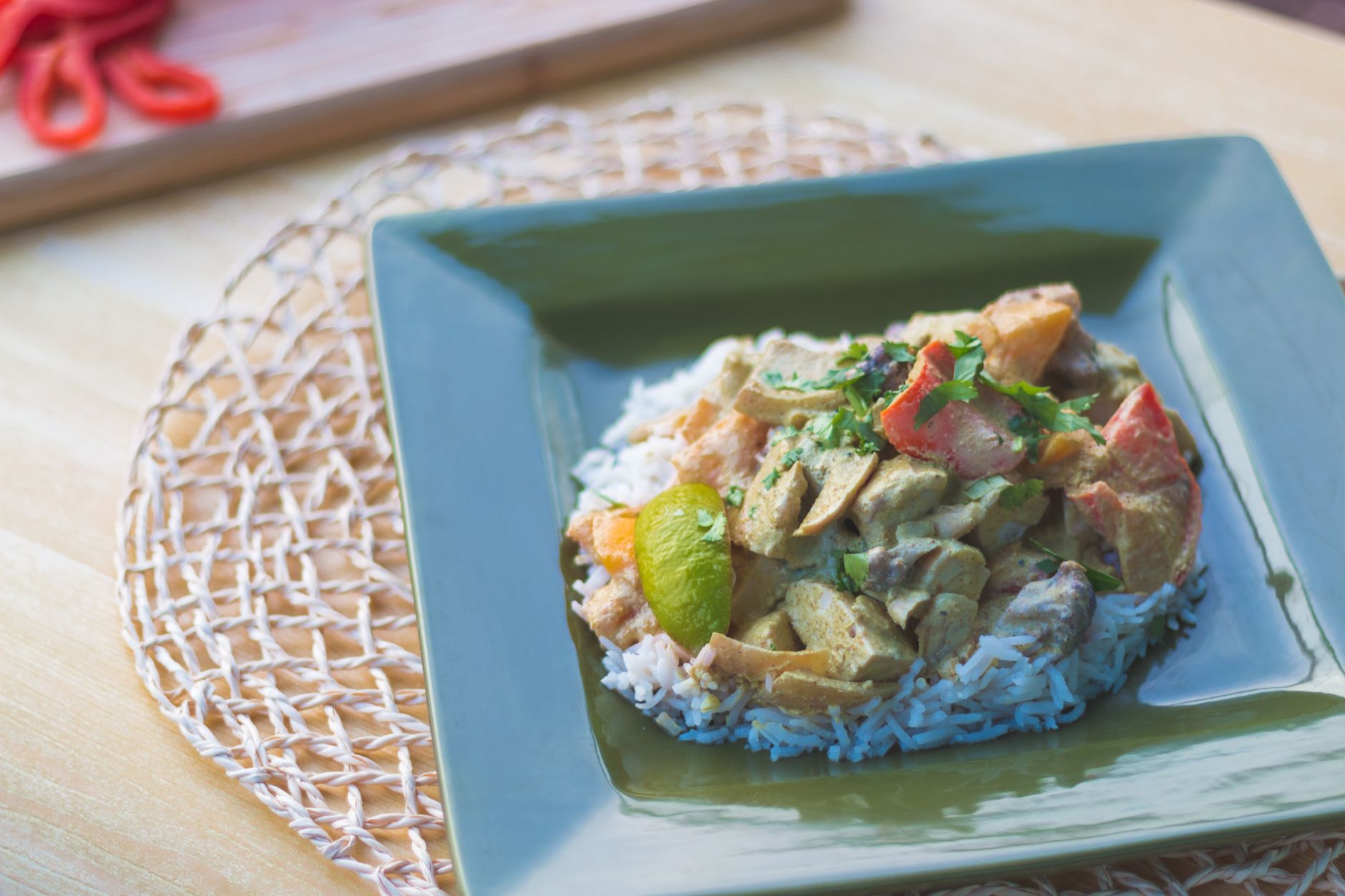
May 24, 2026Arroz con Pollo Norcino - Peruvian Cilantro Rice Bowl with Ají Amarillo Heat
This vibrant Peruvian rice bowl brings together emerald cilantro rice and tender chicken bathed in a blazing ají amarillo sauce, crowned with cooling queso fresco and tangy pickled onions. 70 min · 0 saves.
peruvian · inferno
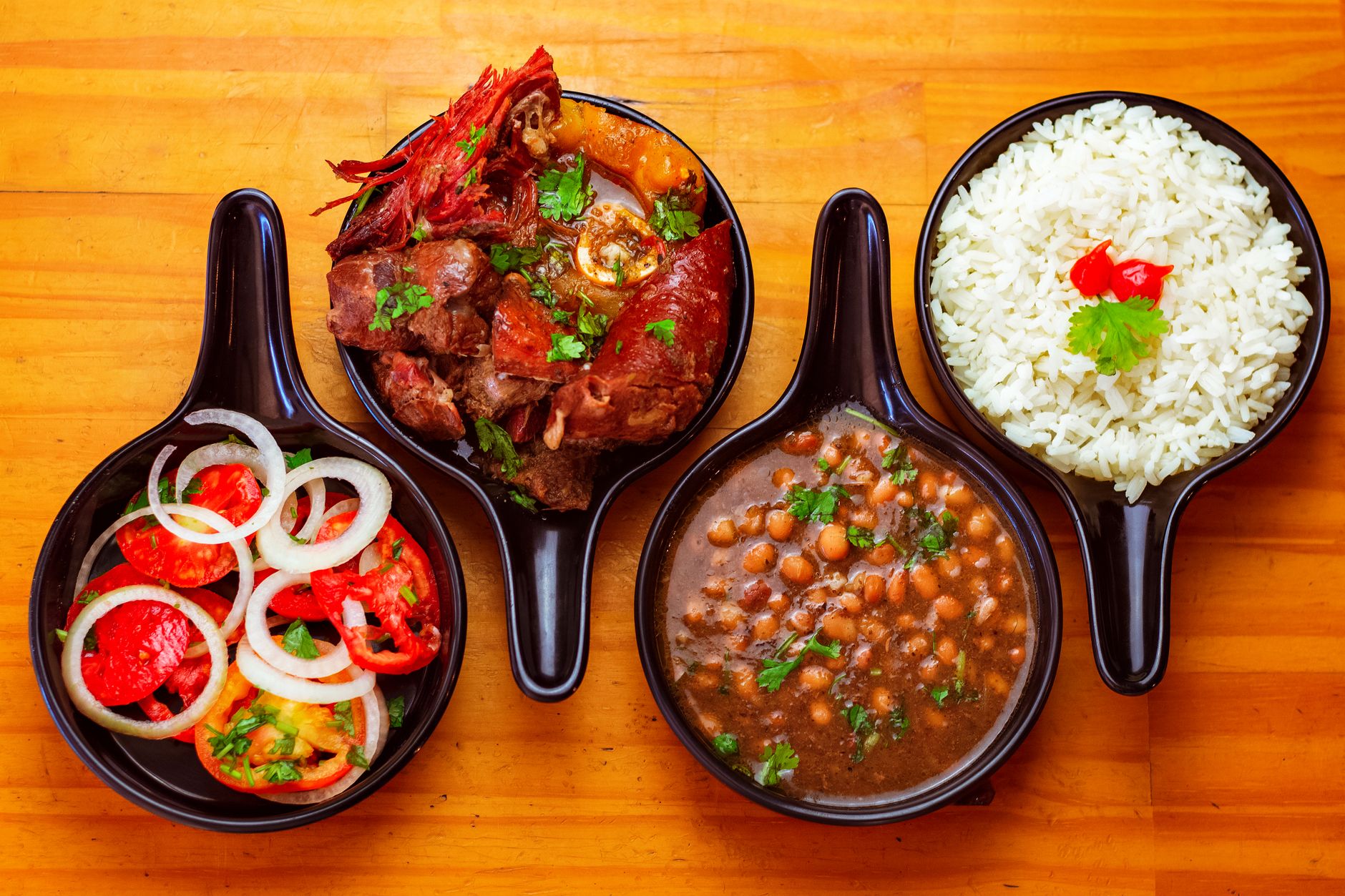
May 4, 2026Seco de Cabrito con Ají Charapita - Inferno Cilantro Goat Stew
A blazingly hot take on Peru's beloved cilantro-braised goat stew, packed with ají charapita and rocoto peppers for those who crave serious heat. 195 min · 0 saves.

peruvian · medium
May 17, 2026Aji Amarillo Chicken and Rice Bowl with Cilantro-Lime Crema
Tender chicken pieces bathed in Peru's beloved aji amarillo pepper sauce, nestled over fragrant cilantro rice with cooling lime crema and tangy pickled onions. 60 min · 0 saves.
FlamingFoodies picks
Pantry, gear, and bottle picks that fit this meal
Everyday bottle
Yellowbird Habanero Hot Sauce
Bright carrot-habanero heat with enough body to work on eggs, tacos, and roasted vegetables. Best for breakfasts, tacos, and meal prep bowls.
View on AmazonNumbing heat
Fly By Jing Sichuan Gold
A more citrusy, peppercorn-leaning sauce when you want flavor movement instead of pure capsaicin. Best for dumplings, noodles, and fried eggs.
View on AmazonFrom the blog
More about this dish
Read more about the ingredients and cuisine.
culture
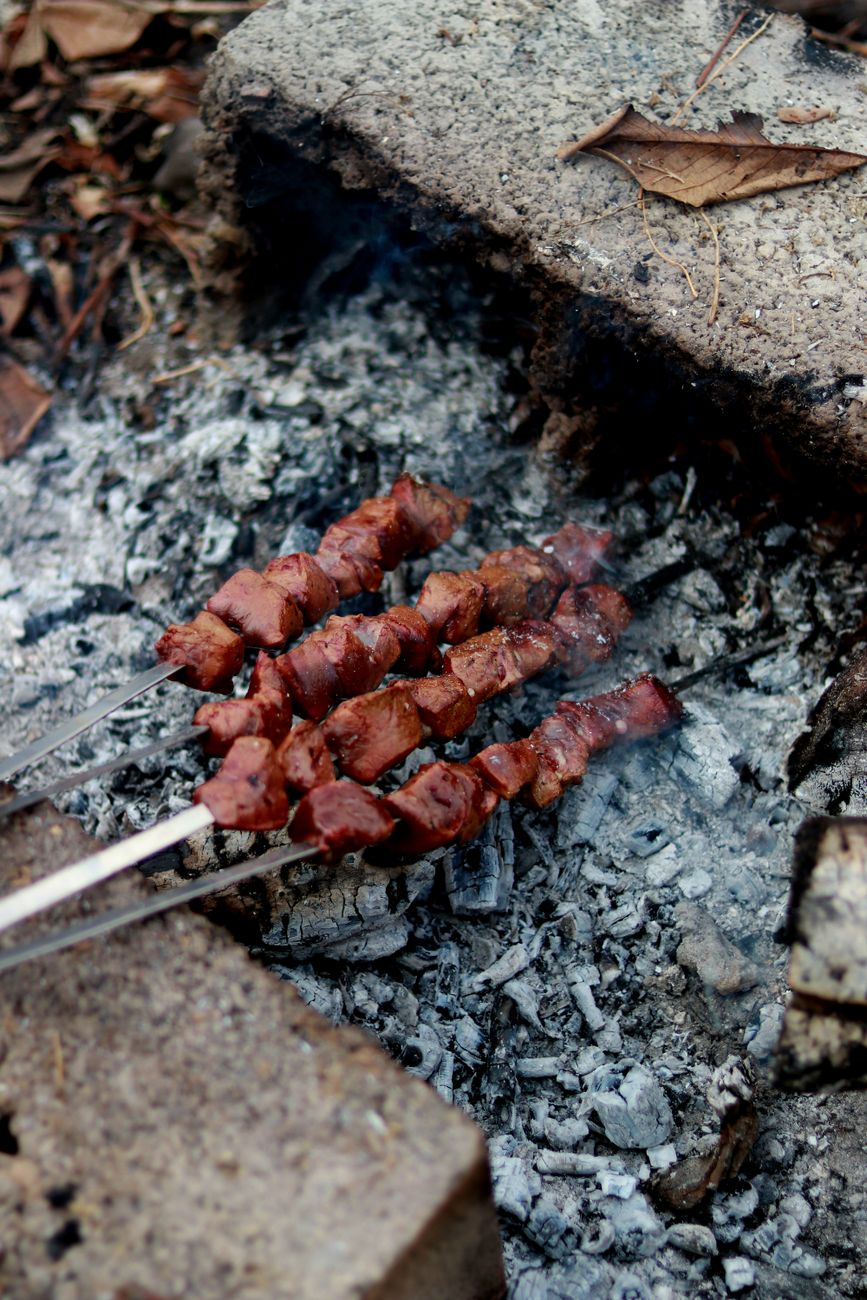
Jun 12, 2026Why Peruvian Spice Is Having Its Moment: Three Dishes That Show How Heat Works in Lima
From ají amarillo's golden fire to rocoto's sneaky burn, Peruvian kitchens understand heat like nowhere else. Here's why anticuchos, causa limeña, and ají de gallina should be on your table—and how their brilliant balance of spice and soul is winning over everyone from timid eaters to serious chile heads.
culture
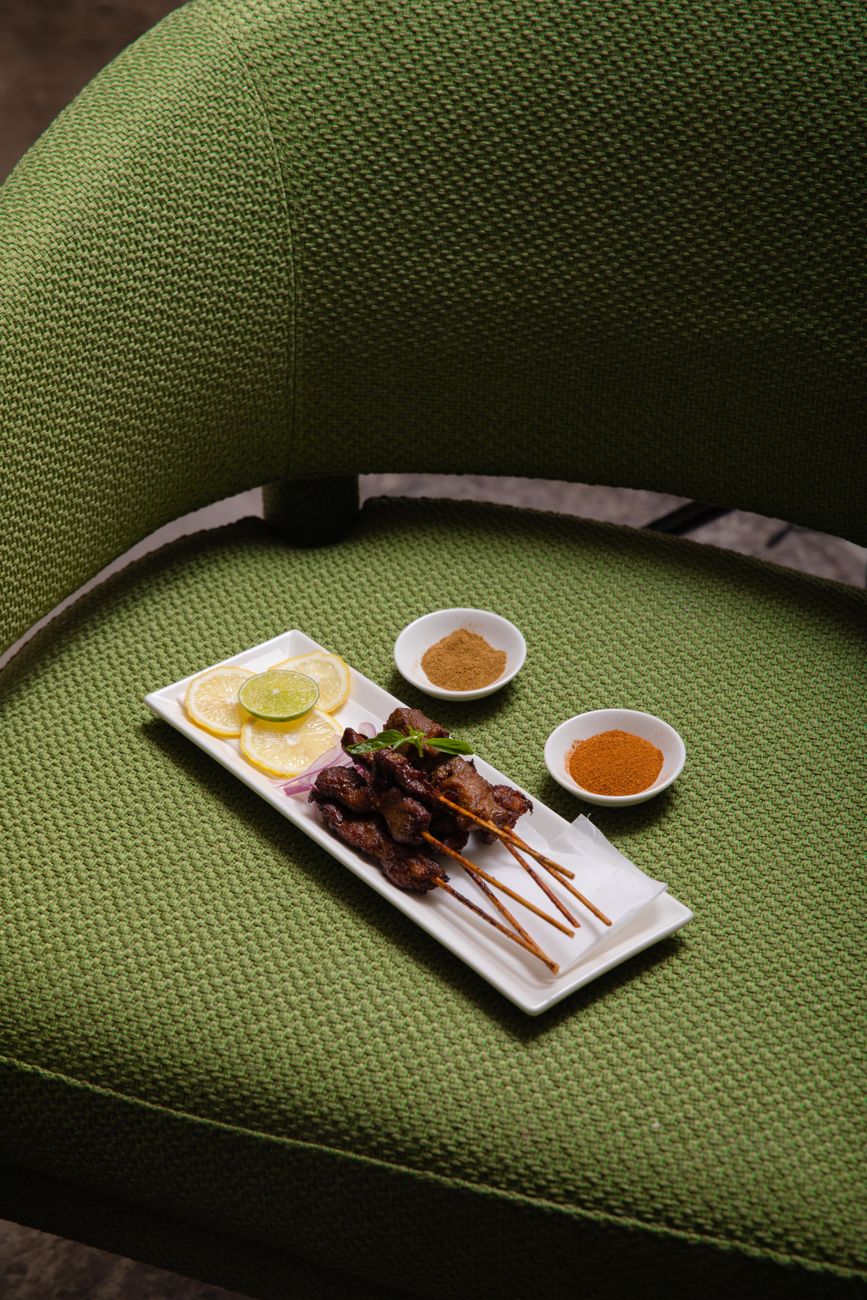
Jun 9, 2026Peru's Spicy Soul Food: Why These Heat-Driven Dishes Are Taking Over Tables
From ají amarillo-spiked anticuchos to rocoto-stuffed peppers, Peru's most craveable spicy dishes offer complex heat that goes far beyond the burn. Here's what makes them so addictive and why they deserve a spot at your table.
Background guides
Read the guide behind the technique
Learn more about the cooking techniques used here.
Community notes
Reader discussion is shared across recipes, reviews, and editorial pieces.
Comments are read-only while member sign-in is paused.