
FlamingFoodies recipe
Seco de Cabrito con Ají Charapita - Inferno Cilantro Goat Stew
A blazingly hot take on Peru's beloved cilantro-braised goat stew, packed with ají charapita and rocoto peppers for those who crave serious heat.
Traditional Peruvian goat stew turned up to eleven with ají charapita and rocoto peppers, creating a verdant braise that will test even the bravest heat lovers.
Ingredients
Meat & Base
- 4 lbsgoat shoulder, cut into 2-inch chunks, lamb shoulder works as substitute
- 2 tspkosher salt
- 1 tspblack pepper, freshly ground
- 3 tbspvegetable oil
- 2 largeyellow onions, diced
- 8 clovesgarlic, minced
Inferno Cilantro Paste
- 4 cupsfresh cilantro, stems and leaves, roughly chopped
- 1 cupfresh cilantro stems, additional, for extra intensity
- 3 tbspají charapita peppers, fresh or frozen, these are brutally hot
- 4 mediumrocoto peppers, seeded and chopped, wear gloves
- 2 tbspají amarillo paste
- 1 cupevaporated milk
- 1⁄2 cupbeef stock
Braising Liquid
- 2 cupsdark beer, Peruvian preferred, or any malty lager
- 2 cupsbeef stock
- 2 tbspchicha de jora, or additional beer if unavailable
- 2 tspground cumin
- 3 bay leavesbay leaves
Vegetables
- 1 lbYukon Gold potatoes, cut into 1-inch pieces
- 1 cupgreen beans, trimmed and cut into 1-inch pieces
- 1 cupfresh or frozen lima beans
Method
1. Brown the Goat and Build the Base Season goat chunks generously with salt and pepper. Heat the oil in your heaviest Dutch oven over medium-high heat and brown the meat in batches—about 4 minutes per side. Don't rush this or crowd the pot; you want deep, golden caramelization. Set the meat aside and toss those onions into the same pot, letting them soak up all that fond.
Watch for: Onions should be translucent with golden edges
Tip: Goat loves aggressive browning—it can take the heat and rewards you with deeper flavor
2. Make the Scorching Cilantro Paste Here's where things get serious. Toss everything for the cilantro paste into your blender or food processor and blend until completely smooth. This paste will be intensely, brutally hot—taste it with the tiniest spoon you own. Add the garlic to your softened onions, cook for a minute until fragrant, then stir in that green fire paste.
Watch for: The paste should coat a spoon and have no visible chunks
Tip: Wear gloves handling those peppers and keep your hands away from your face—trust us on this one
3. Start the Braise Nestle the browned goat back into the pot and stir everything around so the meat gets coated with that cilantro mixture. Let it cook together for 3-4 minutes so the flavors can get acquainted, then pour in your beer, stock, chicha de jora, cumin, and bay leaves. Bring it up to a gentle simmer, then drop the heat to low and cover. You want the barest bubble here and there.
Watch for: You should see gentle, occasional bubbles breaking the surface
Tip: Skim off any foam that rises during the first 20 minutes—it keeps the broth cleaner
4. Finish with Vegetables After an hour and a half of patient braising, add your potatoes and keep going for another 30 minutes. Then add the green beans and lima beans for the final 15 minutes. The goat should practically fall apart when you poke it, and the sauce should cling nicely to a spoon. Taste carefully for salt—the heat will be intense, but you should taste the depth underneath.
Watch for: Meat should shred easily with a fork and potatoes should hold their shape but yield to gentle pressure
Tip: If your sauce looks thin, leave the lid off for the last 10 minutes to let it reduce
Equipment
- Heavy Dutch oven or braising pot
- Food processor or high-powered blender
- Disposable gloves for pepper handling
Make ahead
- This stew is actually better when you make it a day or two ahead. The flavors deepen beautifully and the extreme heat becomes a bit more manageable.
Storage
- Keep it covered in the fridge for up to 4 days, or freeze portions for up to 3 months.
Reheat
- Warm it gently on the stovetop over low heat, stirring now and then. Add a splash of stock if it's gotten too thick in the fridge.
Top tips
- Start with half the ají charapita and taste as you go—these little devils pack a serious punch
- Keep cold beer and maybe some ice cream nearby while you eat; this heat level is no joke
- The stew actually tastes even better the next day when the heat settles down just a touch and all those flavors marry
Substitutions
- Lamb shoulder works beautifully in place of goat—same rich, tender results
- If you can't find rocoto peppers, use habaneros but cut the amount in half
- Regular milk can replace evaporated milk if you simmer it down by half first
Serve with
- Pile it over white rice or alongside boiled yuca to help tame some of that fire
- Serve with canary beans and pickled red onions on the side
- Make sure you've got plenty of cold beer and napkins—both are essential
Find another recipe
Open archive →Seco de Cabrito con Ají Charapita - Inferno Cilantro Goat Stew

A blazingly hot take on Peru's beloved cilantro-braised goat stew, packed with ají charapita and rocoto peppers for those who crave serious heat.
Prep
45 min
Cook
2 hrs 30 min
Active
1 hr
Total
3 hrs 15 min
Yield
6 servings
Share this
Pass it around
Send this page to a friend, copy the link, or save it to a Pinterest board.
Save for later
Pin this page
Save the image with a link back to this recipe, review, or article.
Peppers in this recipe
Recipe notes
Before you cook
Sometimes you want your seco de cabrito to bite back—hard. This isn't the gentle, herb-scented version you might know, but a fire-breathing cousin loaded with Peru's most punishing peppers. The cilantro paste still gives you that gorgeous green base, but now it carries enough heat to make you question your life choices. Yet underneath all that capsaicin, the goat becomes impossibly tender, soaking up every drop of this incendiary sauce. It's the kind of dish that brings families together around the table, passing cold beer and arguing about who can handle another spoonful.
Total time
3 hrs 15 min
Prep: 45 min. Cook: 2 hrs 30 min.
Yield
6 servings
The ingredient quantities below are for this yield.
Method
How to cook it
Use the step navigator to move around, or stay in cook mode and work top to bottom.
- 1
Step 1 of 4
Brown the Goat and Build the Base
Season goat chunks generously with salt and pepper. Heat the oil in your heaviest Dutch oven over medium-high heat and brown the meat in batches—about 4 minutes per side. Don't rush this or crowd the pot; you want deep, golden caramelization. Set the meat aside and toss those onions into the same pot, letting them soak up all that fond.
- 2
Step 2 of 4
Make the Scorching Cilantro Paste
Here's where things get serious. Toss everything for the cilantro paste into your blender or food processor and blend until completely smooth. This paste will be intensely, brutally hot—taste it with the tiniest spoon you own. Add the garlic to your softened onions, cook for a minute until fragrant, then stir in that green fire paste.
- 3
Step 3 of 4
Start the Braise
Nestle the browned goat back into the pot and stir everything around so the meat gets coated with that cilantro mixture. Let it cook together for 3-4 minutes so the flavors can get acquainted, then pour in your beer, stock, chicha de jora, cumin, and bay leaves. Bring it up to a gentle simmer, then drop the heat to low and cover. You want the barest bubble here and there.
- 4
Step 4 of 4
Finish with Vegetables
After an hour and a half of patient braising, add your potatoes and keep going for another 30 minutes. Then add the green beans and lima beans for the final 15 minutes. The goat should practically fall apart when you poke it, and the sauce should cling nicely to a spoon. Taste carefully for salt—the heat will be intense, but you should taste the depth underneath.
Troubleshooting
Tips that matter
- Start with half the ají charapita and taste as you go—these little devils pack a serious punch
- Keep cold beer and maybe some ice cream nearby while you eat; this heat level is no joke
- The stew actually tastes even better the next day when the heat settles down just a touch and all those flavors marry
Substitutions and variations
Storage and leftovers
Plan ahead and reheat well
Make ahead
This stew is actually better when you make it a day or two ahead. The flavors deepen beautifully and the extreme heat becomes a bit more manageable.
Storage
Keep it covered in the fridge for up to 4 days, or freeze portions for up to 3 months.
Reheat
Warm it gently on the stovetop over low heat, stirring now and then. Add a splash of stock if it's gotten too thick in the fridge.
At the table
Serving suggestions
- Pile it over white rice or alongside boiled yuca to help tame some of that fire
- Serve with canary beans and pickled red onions on the side
- Make sure you've got plenty of cold beer and napkins—both are essential
FAQ
Common questions
How hot is this really?
Genuinely scorching. Ají charapita peppers hit 50,000-100,000 Scoville units, and we're not being shy with them. This is only for folks who regularly seek out serious heat.
Where can I find ají charapita peppers?
Check the freezer section of Latin American markets, or order them online from specialty pepper suppliers. Fresh ones are nearly impossible to find outside Peru.
Can I dial down the heat?
Absolutely, though it becomes a different dish. Use just 1 teaspoon of ají charapita and a single rocoto pepper for something more manageable but still plenty spicy.
Heat profile
Very hot
The recipe is classified as inferno. Follow its guidance for reducing the heat.
Skill level
Intermediate
Check the method for steps that need to be prepared at the same time.
Total time
3 hrs 15 min
Prep: 45 min. Cook: 2 hrs 30 min.
Yield
6 servings
The ingredient quantities below are for this yield.
Cook this with
Three useful buys before you start
A sauce, a pantry ingredient, and a kitchen tool to consider for this dish.
Sauce
Yellowbird Habanero
Yellowbird · Best for tacos
Use this when you want a brighter finishing hit next to the deeper flavors already built into seco de cabrito con ají charapita - inferno cilantro goat stew.
Get the sauce used herePantry
Chipotle Peppers in Adobo
Smoky shortcut
Burger sauce, chili, and taco fillings. The pantry move for smoky mayo, burger sauce, taco braises, and chili that tastes like you actually thought ahead.
Grab the pantry stapleGear
Molcajete Mortar and Pestle
Sauce lab
Fresh salsa and chunky chili pastes. The right move for salsa macha, charred pepper pastes, and rough-textured marinades with bite.
Use this toolPair this with
The right bottle for this recipe
These sauce picks are matched to the dish itself, not dropped in at random. Use them to finish, sharpen, or push the heat where it helps.
Yellowbird Habanero
Use this when you want a brighter finishing hit next to the deeper flavors already built into seco de cabrito con ají charapita - inferno cilantro goat stew.
A bright, carrot-forward bottle with enough heat to stay lively and enough sweetness to stay versatile.
Torchbearer Garlic Reaper
It brings enough heat to cut through the richer bites without flattening the rest of the dish.
An extremely hot garlic-forward sauce that somehow keeps real flavor structure under all that reaper pressure.
Shop the pantry
Pantry staples for this recipe
Smoky shortcut
$4-$10Chipotle Peppers in Adobo
Burger sauce, chili, and taco fillings. The pantry move for smoky mayo, burger sauce, taco braises, and chili that tastes like you actually thought ahead.
Check price on AmazonChar-ready marinade
$8-$14Nando's Medium Peri-Peri Sauce
Chicken, skewers, and grilled vegetables. The bottle to grab when chicken needs acid, garlic, and real heat before it hits the grill or broiler.
Check price on AmazonRoast-anything helper
$8-$15Harissa Paste
Roasts, braises, and yogurt sauces. The smoky-chili shortcut for roast carrots, meatballs, chicken thighs, and yogurt sauces that need a little menace.
Check price on AmazonRecommended equipment
Cooking tools
Sauce lab
$35-$60Molcajete Mortar and Pestle
Fresh salsa and chunky chili pastes. The right move for salsa macha, charred pepper pastes, and rough-textured marinades with bite.
Check price on AmazonTaco night upgrade
$22-$38Cast Iron Tortilla Press
Taco night, flatbreads, and masa prep. The fastest way to make taco night feel worth inviting people over for instead of just reheating store-bought tortillas.
Check price on AmazonCook next
More recipes with similar heat
These are the next recipes most likely to fit the same mood, pantry, or heat level once this one is in your rotation.
peruvian · hot
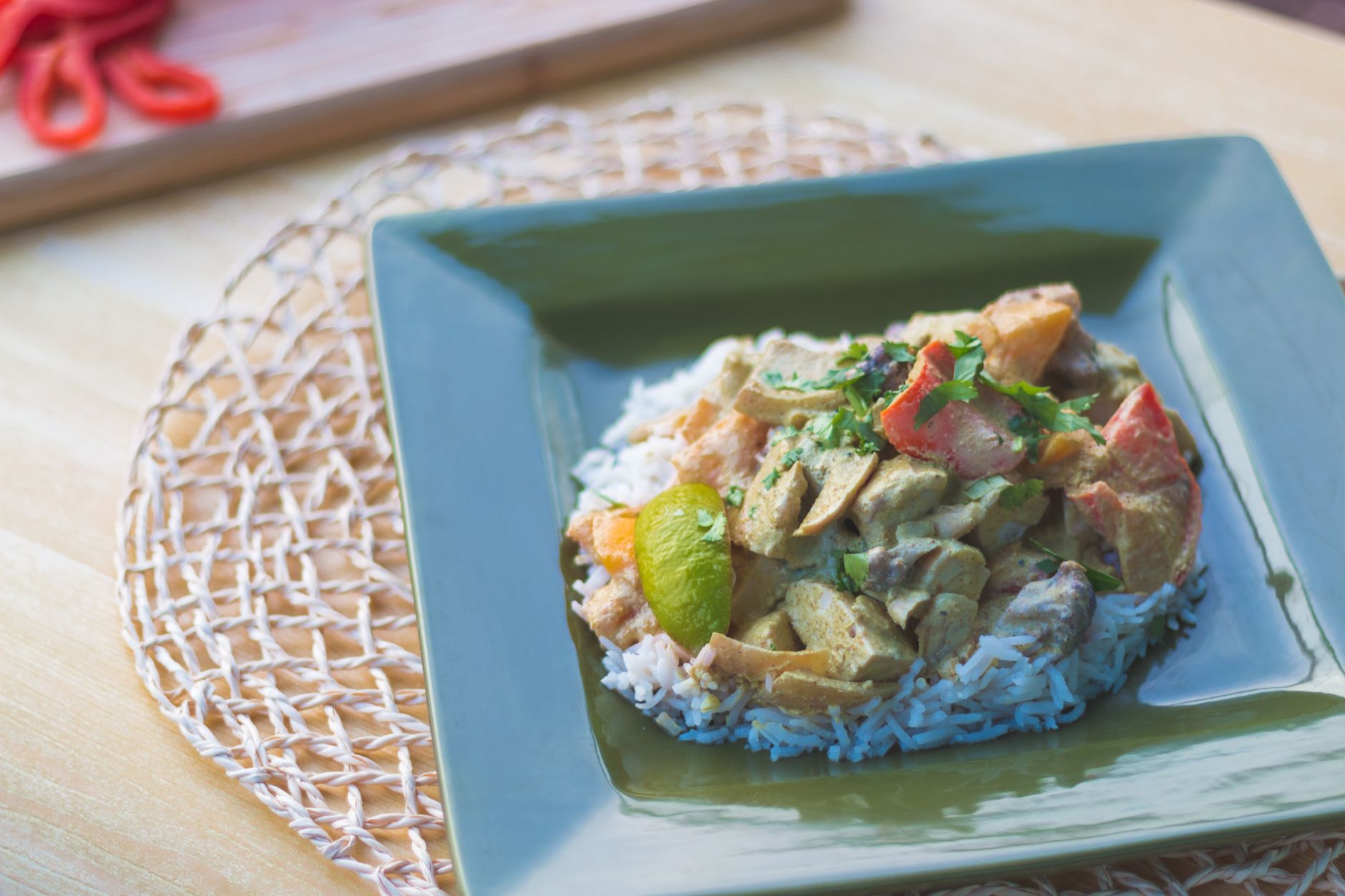
May 24, 2026Arroz con Pollo Norcino - Peruvian Cilantro Rice Bowl with Ají Amarillo Heat
This vibrant Peruvian rice bowl brings together emerald cilantro rice and tender chicken bathed in a blazing ají amarillo sauce, crowned with cooling queso fresco and tangy pickled onions. 70 min · 0 saves.

ethiopian · hot
Apr 14, 2026Doro Wot with Extra Berbere Heat
Ethiopia's beloved spiced chicken stew with an extra kick of berbere and habaneros for those who love their comfort food with serious heat 120 min · 0 saves.

peruvian · medium
May 17, 2026Aji Amarillo Chicken and Rice Bowl with Cilantro-Lime Crema
Tender chicken pieces bathed in Peru's beloved aji amarillo pepper sauce, nestled over fragrant cilantro rice with cooling lime crema and tangy pickled onions. 60 min · 0 saves.
FlamingFoodies picks
Pantry, gear, and bottle picks that fit this meal
Everyday bottle
Yellowbird Habanero Hot Sauce
Bright carrot-habanero heat with enough body to work on eggs, tacos, and roasted vegetables. Best for breakfasts, tacos, and meal prep bowls.
View on AmazonNumbing heat
Fly By Jing Sichuan Gold
A more citrusy, peppercorn-leaning sauce when you want flavor movement instead of pure capsaicin. Best for dumplings, noodles, and fried eggs.
View on AmazonFrom the blog
More about this dish
Read more about the ingredients and cuisine.
culture
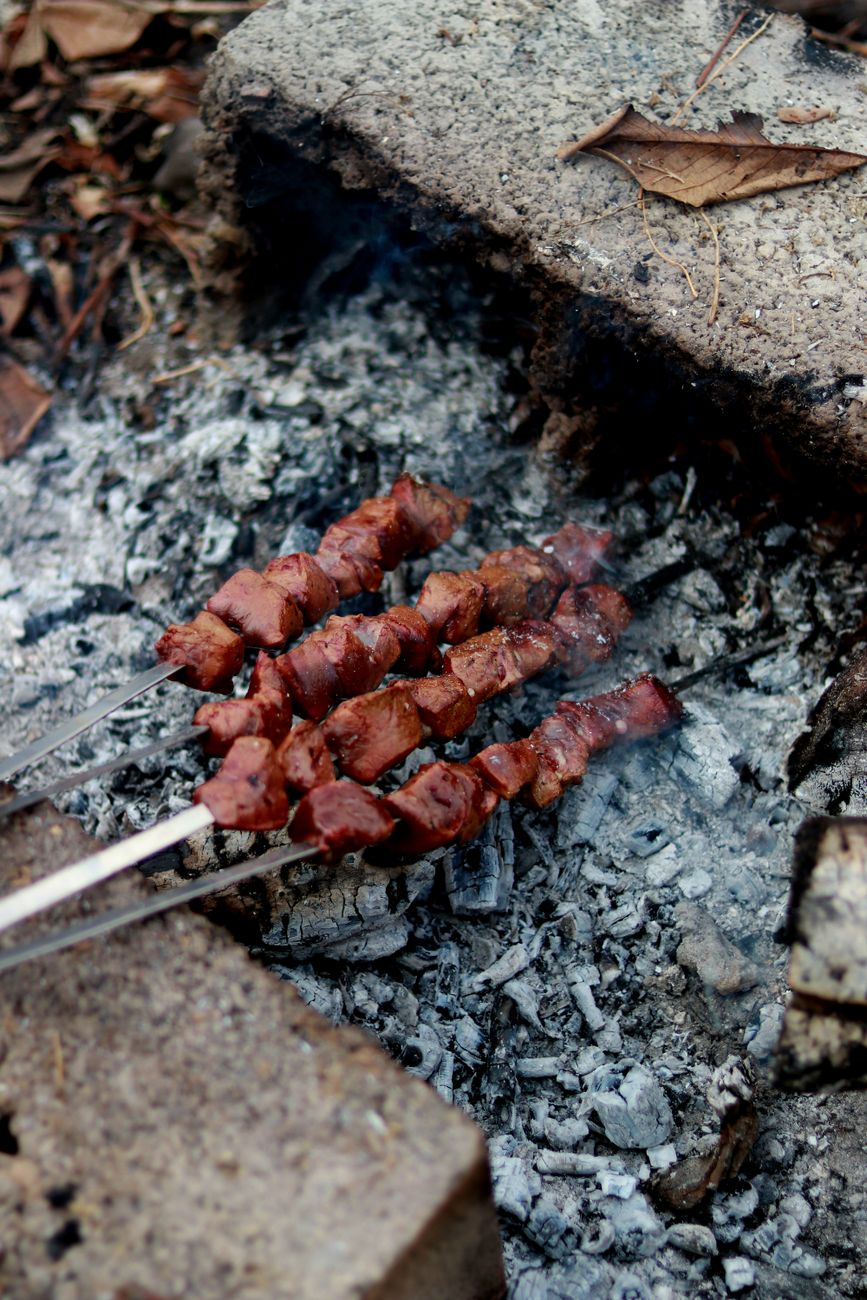
Jun 12, 2026Why Peruvian Spice Is Having Its Moment: Three Dishes That Show How Heat Works in Lima
From ají amarillo's golden fire to rocoto's sneaky burn, Peruvian kitchens understand heat like nowhere else. Here's why anticuchos, causa limeña, and ají de gallina should be on your table—and how their brilliant balance of spice and soul is winning over everyone from timid eaters to serious chile heads.
culture
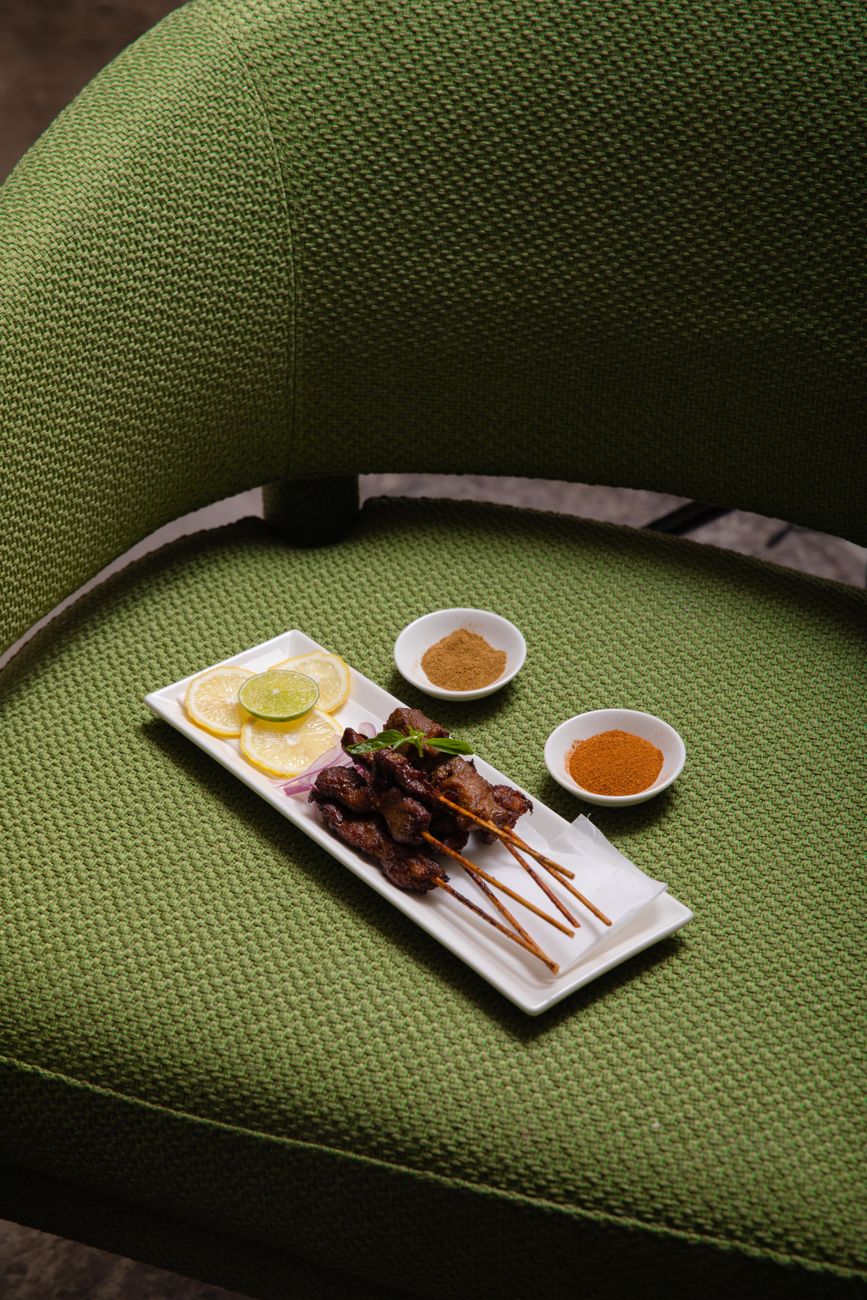
Jun 9, 2026Peru's Spicy Soul Food: Why These Heat-Driven Dishes Are Taking Over Tables
From ají amarillo-spiked anticuchos to rocoto-stuffed peppers, Peru's most craveable spicy dishes offer complex heat that goes far beyond the burn. Here's what makes them so addictive and why they deserve a spot at your table.
Background guides
Read the guide behind the technique
Learn more about the cooking techniques used here.
Community notes
Reader discussion is shared across recipes, reviews, and editorial pieces.
Comments are read-only while member sign-in is paused.