
culture
Peru's Spicy Soul Food: Why These Heat-Driven Dishes Are Taking Over Tables
From ají amarillo-spiked anticuchos to rocoto-stuffed peppers, Peru's most craveable spicy dishes offer complex heat that goes far beyond the burn. Here's what makes them so addictive and why they deserve a spot at your table.
Share this
Pass it around
Send this page to a friend, copy the link, or save it to a Pinterest board.

Save for later
Pin this page
Save the image with a link back to this recipe, review, or article.
The Ají Trinity That Drives Peruvian Heat
Peruvian cooking doesn't mess around with generic hot sauce—it builds its entire spicy soul on three peppers that each bring something completely different to the table. Golden ají amarillo delivers this gorgeous fruity heat with an almost citrusy brightness that makes everything taste more alive. Rocoto peppers look innocent enough, but they pack a wallop of heat behind their crisp, apple-like texture. And ají panca? That's your secret weapon for deep, smoky warmth that tastes like concentrated sunshine and raisins.
Here's the thing about these peppers: they're not just heat delivery systems. They're flavor builders. Ají amarillo's bright acidity is exactly why papa a la huancaína tastes so much more interesting than plain cheese sauce, and rocoto's fierce fire is what makes stuffed peppers worth the tears. Ají panca's earthy sweetness gets into marinades and stews, creating layers that unfold slowly as you eat.
Ají amarillo, rocoto, and ají panca offer different flavors as well as different heat levels. The choice of pepper depends on the dish.
Anticuchos: Street Fire That Hooks You
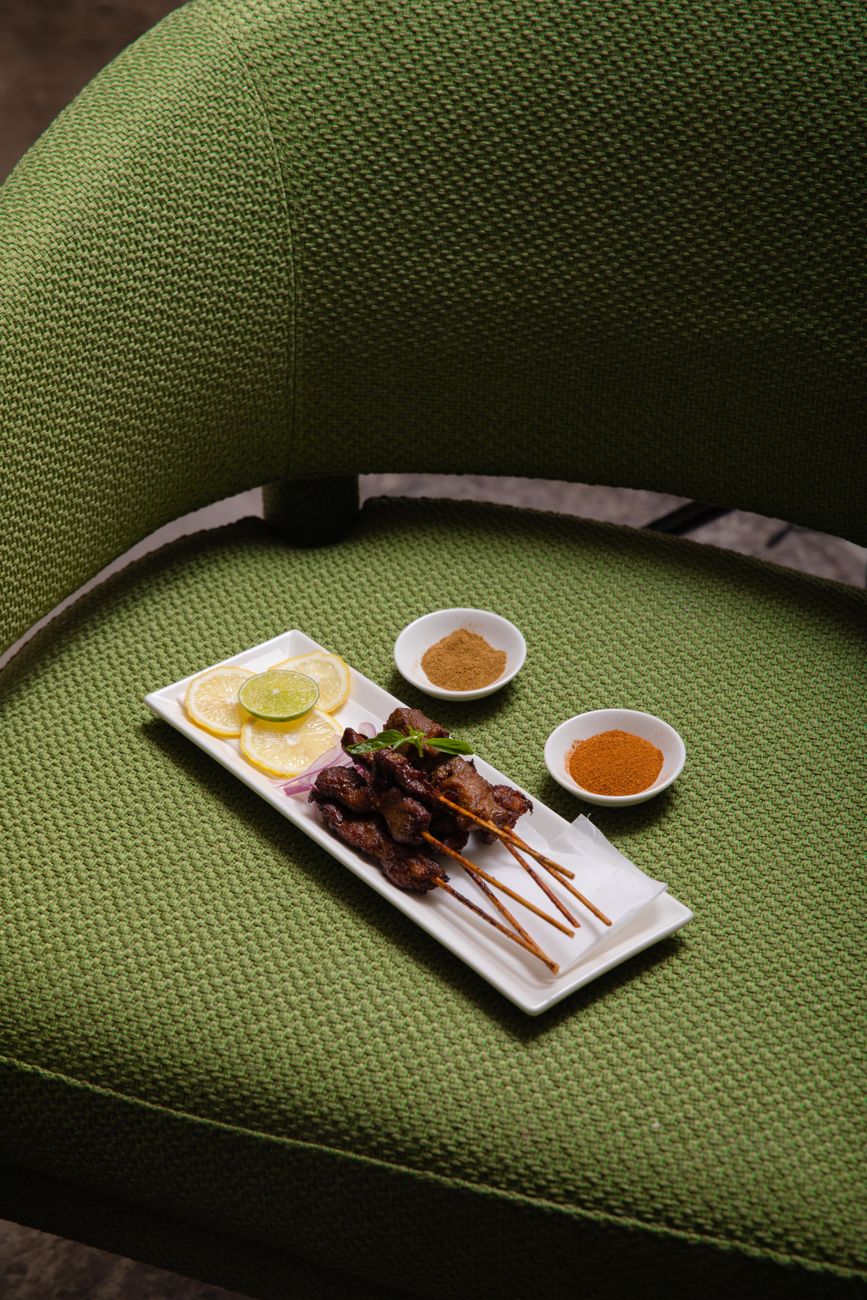
Let me tell you about anticuchos, because once you understand these beef heart skewers, you'll get why Peruvian street food is so addictive. They take this incredibly humble cut of meat—beef heart, which most of us wouldn't even consider—and turn it into something you'll dream about.
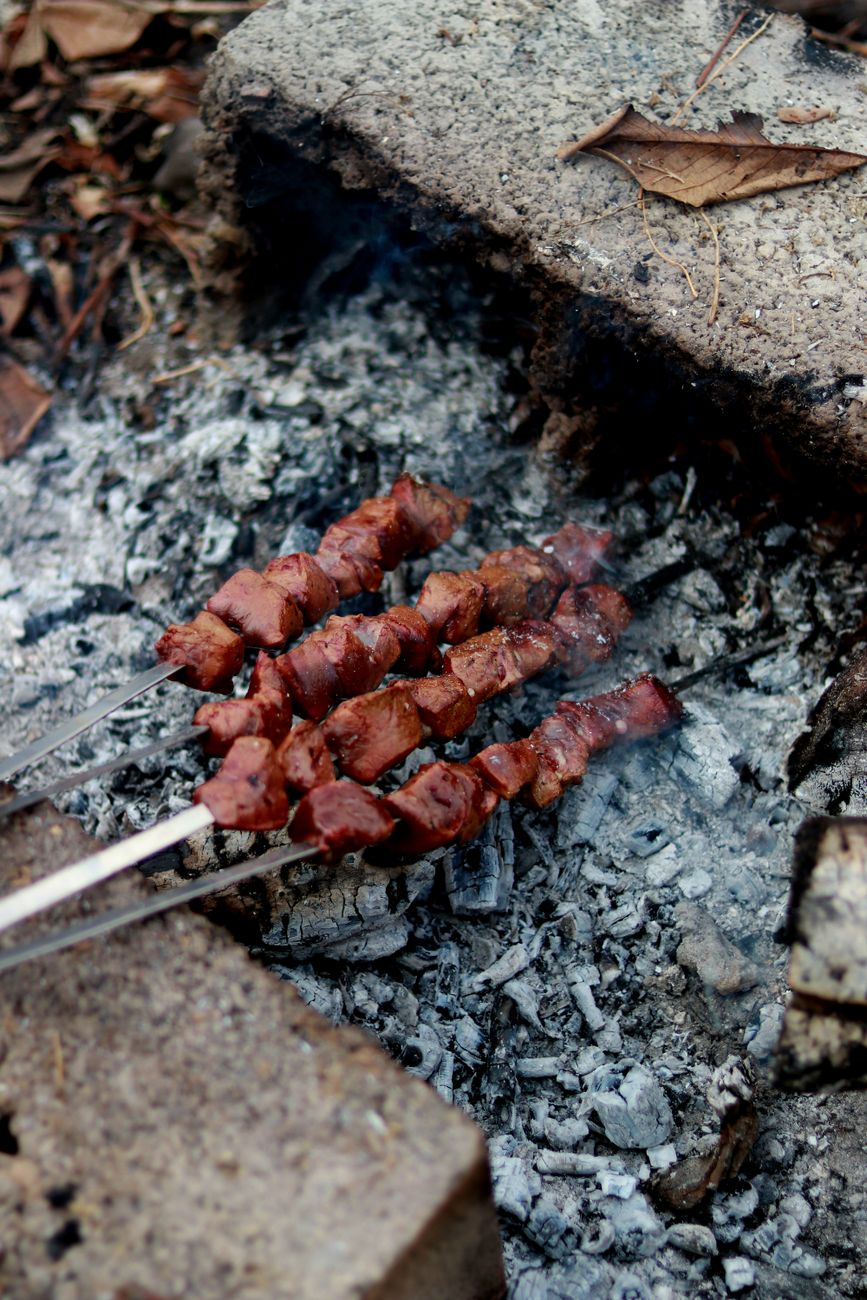
The magic starts with the marinade: ají panca, garlic, cumin, and vinegar working together for hours to break down the meat and build flavor. Then comes the grilling, where everything gets serious. Those sugars in the marinade caramelize into this incredible crust while the pepper oils concentrate into liquid fire. You end up with meat that's tender and slightly chewy, wrapped in this intensely flavored shell that crackles when you bite it.
What gets me about anticuchos is how the heat sneaks up on you. That first bite? Just mild warmth from the ají panca. But keep chewing, and those pepper oils start coating your mouth, building heat that makes you reach for the ají verde—that bright green sauce loaded with cilantro, ají amarillo, and enough garlic to clear your sinuses. The sauce cuts through all that rich meat fat and adds this fresh, sharp heat that somehow makes you want more, not less.
It's brilliant cooking: the char gives you smoke, the marinade gives you depth, and the sauce keeps your palate awake. No wonder people line up at street carts for these things.
Papa Rellena: Comfort Food with Hidden Fire
Don't let papa rellena fool you with its innocent fried-potato exterior. Inside that golden shell, there's a spicy surprise waiting that perfectly demonstrates why Peruvian comfort food is in a league of its own.
The concept is simple enough: fluffy potato shells stuffed with seasoned ground meat, hard-boiled eggs, and olives, all brought together with ají amarillo. But the execution? That's where the genius lives. The mild potato acts like a cooling buffer while that spicy filling hits you in concentrated bursts. Ají amarillo's fruity heat plays beautifully with the rich meat, and its acidity keeps everything from feeling too heavy.
Making these properly takes some patience—you can't rush the potato cooking or the filling reduction—but that effort pays off in pure texture magic:
- A crispy shell that shatters just enough
- Fluffy potato walls that somehow stay light despite the frying
- Pockets of intensely flavored filling that pop on your tongue
- Creamy egg yolk threading through everything, mellowing the pepper heat
Adjust the ají amarillo in the filling to your heat preference.
Rocoto Relleno: When Peppers Become the Main Event
Rocoto relleno is what happens when a pepper decides it's done playing supporting roles. These rocotos pack heat that makes jalapeños look timid—we're talking immediate, breath-stealing fire followed by this lingering warmth that reminds you exactly who's in charge.
The filling is straightforward: ground meat, onions, garlic, spices, topped with fresh cheese and baked until everything melds together. But here's what's different—the rocoto isn't just holding this filling, it's transforming it. That intense heat gets into every bite while the pepper's natural fruitiness and almost floral notes add complexity you'd never get from milder varieties.
Eating rocoto relleno is a full-contact sport. You need that cheese for cooling relief, and the meat filling helps distribute those potent pepper oils so they don't hit you all at once. Smart cooks will blanch the rocotos briefly to dial back the heat just enough, but even the gentled version brings serious fire.
What keeps this dish from being pure punishment is how the rocoto's heat works with its other qualities. There's genuine sweetness in these peppers alongside the fire, and their thick walls give you satisfying, substantial bites that hold up to long cooking. The result feels intentional and delicious, not just hot for the sake of being hot.
The Heat Philosophy That Makes It Work
Here's what Peruvian cooks understand that so many others miss: heat should invite you in, not scare you away. These ají peppers bring distinct personalities—fruity, smoky, floral—alongside their burn. That means the dishes stay interesting even when they're making you sweat.
This creates food that builds genuine cravings. The spice draws your attention, but the flavors underneath keep you coming back. Whether you're working through anticuchos or tackling rocoto relleno, the heat enhances everything else happening on the plate instead of drowning it out.
It also makes Peruvian spicy food surprisingly inclusive. Dishes like papa rellena offer a gentle introduction to ají amarillo's unique character, while the rocoto dishes satisfy the most dedicated heat seekers. Families with wildly different spice tolerances can actually share meals without anyone feeling left out or overwhelmed.
The smartest thing about this approach? It creates food worth returning to once the burn fades. Because at the end of the day, memorable spicy food needs more than just fire—it needs flavors that make you want to come back for more.
Peppers featured in this post
Cook with this idea
Recipes to try next.
Put these ingredients and techniques to use in your next meal.

peruvian · medium
May 17, 2026Aji Amarillo Chicken and Rice Bowl with Cilantro-Lime Crema
Tender chicken pieces bathed in Peru's beloved aji amarillo pepper sauce, nestled over fragrant cilantro rice with cooling lime crema and tangy pickled onions. 60 min · 0 saves.

peruvian · medium
May 3, 2026Ají Amarillo Glazed Chicken Wings
Crispy baked chicken wings coated in a vibrant ají amarillo glaze that delivers Peru's signature fruity heat with hints of garlic and lime. 65 min · 0 saves.
peruvian · hot
May 24, 2026Arroz con Pollo Norcino - Peruvian Cilantro Rice Bowl with Ají Amarillo Heat
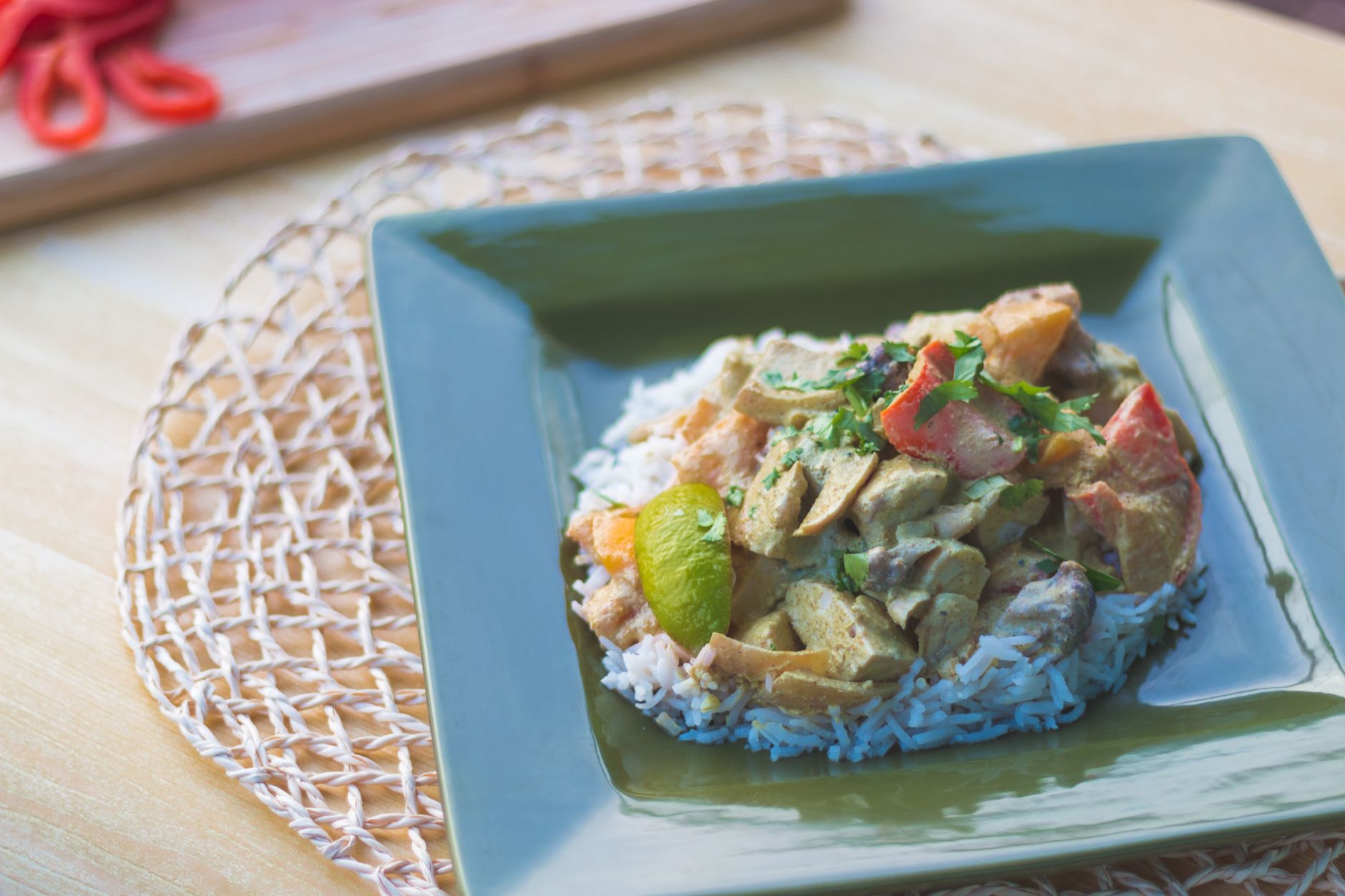
This vibrant Peruvian rice bowl brings together emerald cilantro rice and tender chicken bathed in a blazing ají amarillo sauce, crowned with cooling queso fresco and tangy pickled onions. 70 min · 0 saves.
Bottle picks
Related hot sauce reviews.
Explore sauces with related ingredients, flavors, and heat levels.
Fly By Jing Sichuan Gold Review
A citrusy, tingly sauce with real peppercorn presence and enough versatility to move beyond dumplings.
Best for dumplings
Best for: Eggs and breakfast tacos
Skip if: Skip if you want a thick, smoky wing sauce more than a bright finishing bottle.
Read review
Mike's Hot Honey Review
Sweet heat done right: sticky, quick, and versatile enough to become a finishing move instead of a novelty.
Best for gifting
Best for: Pizza and fried chicken
Skip if: Skip if you want a classic vinegar-forward table sauce with almost no sweetness.
Read review
Heatonist Los Calientes Rojo Review
Heatonist Los Calientes Rojo: flavor notes, heat level, and suggested food pairings.
Best for tacos
Best for: Tacos and rice bowls
Skip if: Skip if you are chasing a novelty-level heat hit or a super-special-occasion bottle.
Read review
Go deeper
Background guides that build on this.
Keep reading
More on this subject.
If this post helped, these are the next pieces most likely to keep the thread going.
culture
Jun 12, 2026Why Peruvian Spice Is Having Its Moment: Three Dishes That Show How Heat Works in Lima
From ají amarillo's golden fire to rocoto's sneaky burn, Peruvian kitchens understand heat like nowhere else. Here's why anticuchos, causa limeña, and ají de gallina should be on your table—and how their brilliant balance of spice and soul is winning over everyone from timid eaters to serious chile heads.
culture
May 20, 2026Cooking with Ají Amarillo, Rocoto, and Ají Panca
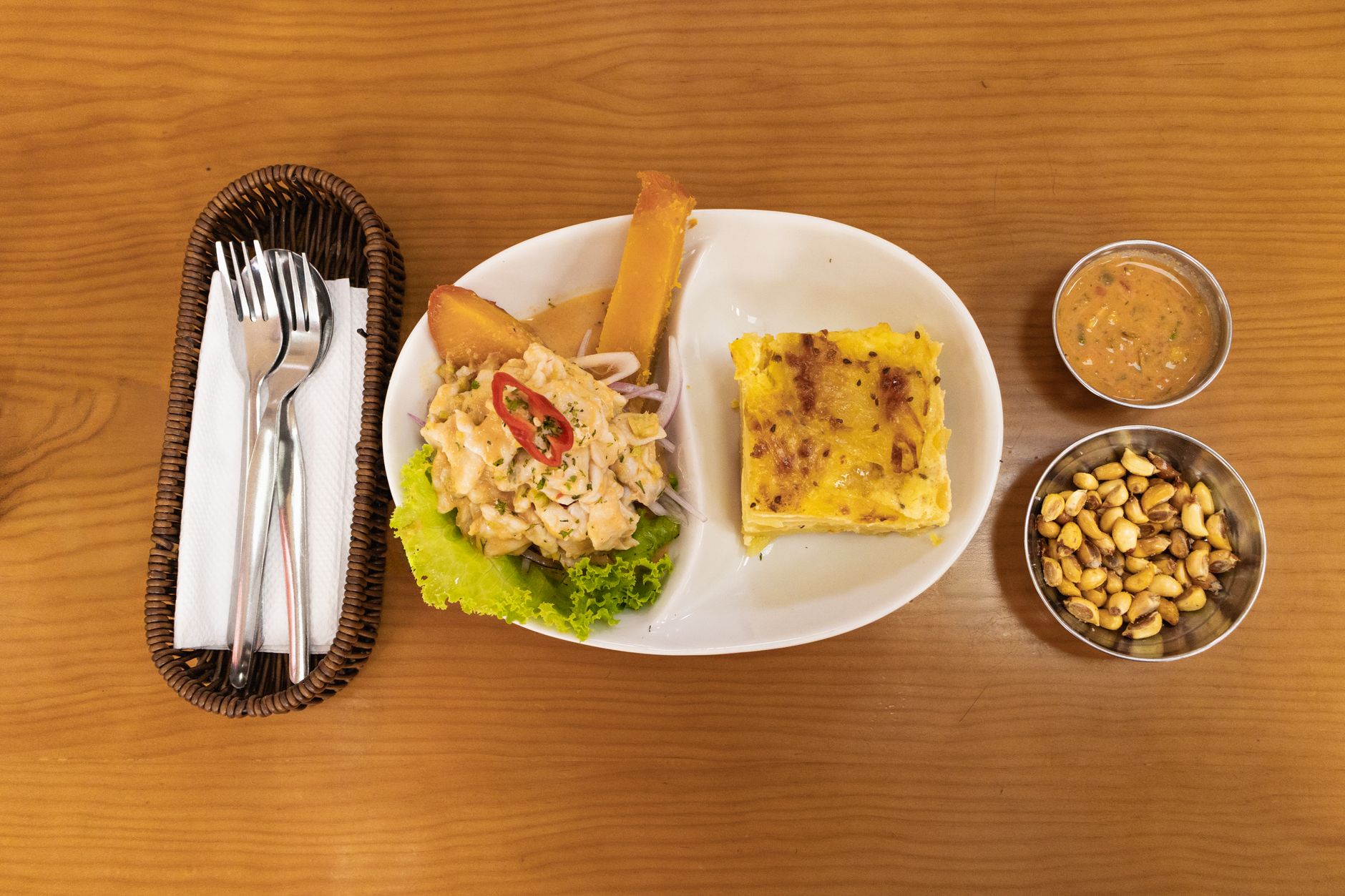
Compare ají amarillo, rocoto, and ají panca, including their textures and the dishes that put their different flavors to use.

culture
Apr 26, 2026The Peruvian Heat Wave: Why These Three Spicy Dish Styles Are Taking Over
From ají amarillo-laden tiraditos to smoky anticuchos straight off the grill, Peru's most soul-stirring spicy dishes are finally getting their due. Here's why these three styles deserve a spot at your table.
Comments
Reader discussion is shared across recipes, reviews, and editorial pieces.
Comments are read-only while member sign-in is paused.