
FlamingFoodies recipe
Ají Amarillo Chicken Stew (Ají de Gallina)
Silky Peruvian chicken stew where tender shredded chicken swims in a golden sauce made with ají amarillo chiles, walnuts, and cheese, served over boiled potatoes
Shredded chicken nestled in a velvety golden sauce made with ají amarillo chiles, walnuts, and cheese, served over tender boiled potatoes with hard-boiled eggs
Ingredients
Chicken
- 3 poundswhole chicken, or 2 pounds bone-in thighs and breasts
- 1 largeonion, quartered
- 2celery stalks, chopped
- 2bay leaves
- 1 teaspoonsalt
Sauce
- 4ají amarillo chiles, fresh or frozen, stems and seeds removed
- 4 sliceswhite sandwich bread, crusts removed
- 1 cupwhole milk
- 1 cupshelled walnuts
- 2 tablespoonsvegetable oil
- 1 mediumyellow onion, finely minced
- 3 clovesgarlic, minced
- 1 cupgrated Parmesan cheese
- 1/2 cupevaporated milk
- 1/2 teaspoonsalt
- 1/4 teaspoonblack pepper
Serving
- 2 poundssmall yellow potatoes
- 6hard-boiled eggs, peeled and halved
- 1/2 cupblack olives, kalamata or similar
Method
1. Poach the chicken until fork-tender Nestle that whole chicken into your largest pot with the quartered onion, celery, bay leaves, and salt. Cover with cold water by about 2 inches—you want room for gentle bubbling. Bring it to a rolling boil, then dial it back to a lazy simmer. The chicken's ready when the thigh meat practically falls off the bone.
Watch for: Fork should slide into thigh meat with no resistance
2. Blend the chile base until silky smooth Tear up that bread and let it soak in the milk for a full 10 minutes—you want it completely soggy. Toss the softened ají amarillo chiles and walnuts into your blender with the bread mixture. Blend on high until it's smooth as silk and turned that beautiful pale orange color. This is where the magic happens, so don't rush it.
Watch for: No visible walnut pieces should remain in the mixture
3. Cook the chile mixture to develop flavor Warm your oil in a large skillet and let the minced onion and garlic get all golden and fragrant. Pour in that gorgeous blended chile mixture and keep stirring—it'll bubble and dance in the pan, deepening to a rich golden color as those raw flavors mellow into something spectacular.
Watch for: Sauce should darken and smell nutty, not raw
Tip: Keep stirring toward the end so nothing sticks and scorches
4. Finish the sauce and warm the chicken Slowly whisk in your reserved chicken broth—it'll loosen everything up beautifully. Stir in the Parmesan, evaporated milk, salt, and pepper, letting it all simmer until the sauce coats your spoon just right. Fold in the shredded chicken gently, just warming it through without making it tough.
Watch for: Sauce should coat chicken pieces without being gluey
Equipment
- Large pot for poaching chicken
- High-speed blender
- Large skillet or wide saucepan
- Fine-mesh strainer
Make ahead
- Cook and shred that chicken up to 2 days ahead—it's one less thing to worry about when dinner time rolls around. The sauce base (hold the chicken) keeps beautifully in the fridge for 3 days and honestly tastes even better.
Storage
- Leftovers keep covered in the fridge for up to 4 days. The sauce will thicken up when cold, but that's totally normal.
Reheat
- Warm it gently on the stove over low heat, adding a splash of chicken broth or milk if the sauce seems too thick. Keep it at a gentle simmer—boiling can make the sauce break and get grainy.
Top tips
- Short on time? Grab a rotisserie chicken and shred about 4 cups of meat—nobody will know the difference
- Can't find fresh ají amarillo? Mix 3 tablespoons of ají amarillo paste with a diced yellow bell pepper
- Make the sauce base a day or two ahead—it actually tastes better after the flavors have had time to mingle
Substitutions
- Cashews work wonderfully instead of walnuts—they make an even creamier, milder base
- Replace half the evaporated milk with Greek yogurt to lighten things up a bit
- No Parmesan? Aged white cheddar does the job just fine
Serve with
- Swap the potatoes for fluffy white rice if that's more your style
- A sprinkle of fresh cilantro and drizzle of ají verde makes it picture-perfect
- Pickled red onions on the side cut through all that richness beautifully
Find another recipe
Open archive →Ají Amarillo Chicken Stew (Ají de Gallina)

Silky Peruvian chicken stew where tender shredded chicken swims in a golden sauce made with ají amarillo chiles, walnuts, and cheese, served over boiled potatoes
Prep
25 min
Cook
45 min
Active
35 min
Total
1 hr 10 min
Yield
6 servings
Share this
Pass it around
Send this page to a friend, copy the link, or save it to a Pinterest board.
Save for later
Pin this page
Save the image with a link back to this recipe, review, or article.
Peppers in this recipe
Recipe notes
Before you cook
Ají de gallina pairs shredded chicken with a creamy golden sauce of ají amarillo chiles, soaked bread, walnuts and cheese. Spoon it over boiled potatoes so they catch the sauce.
Total time
1 hr 10 min
Prep: 25 min. Cook: 45 min.
Yield
6 servings
The ingredient quantities below are for this yield.
Method
How to cook it
Use the step navigator to move around, or stay in cook mode and work top to bottom.
- 1
Step 1 of 4
Poach the chicken until fork-tender
Nestle that whole chicken into your largest pot with the quartered onion, celery, bay leaves, and salt. Cover with cold water by about 2 inches—you want room for gentle bubbling. Bring it to a rolling boil, then dial it back to a lazy simmer. The chicken's ready when the thigh meat practically falls off the bone.
- 2
Step 2 of 4
Blend the chile base until silky smooth
Tear up that bread and let it soak in the milk for a full 10 minutes—you want it completely soggy. Toss the softened ají amarillo chiles and walnuts into your blender with the bread mixture. Blend on high until it's smooth as silk and turned that beautiful pale orange color. This is where the magic happens, so don't rush it.
- 3
Step 3 of 4
Cook the chile mixture to develop flavor
Warm your oil in a large skillet and let the minced onion and garlic get all golden and fragrant. Pour in that gorgeous blended chile mixture and keep stirring—it'll bubble and dance in the pan, deepening to a rich golden color as those raw flavors mellow into something spectacular.
- 4
Step 4 of 4
Finish the sauce and warm the chicken
Slowly whisk in your reserved chicken broth—it'll loosen everything up beautifully. Stir in the Parmesan, evaporated milk, salt, and pepper, letting it all simmer until the sauce coats your spoon just right. Fold in the shredded chicken gently, just warming it through without making it tough.
Troubleshooting
Tips that matter
- Short on time? Grab a rotisserie chicken and shred about 4 cups of meat—nobody will know the difference
- Can't find fresh ají amarillo? Mix 3 tablespoons of ají amarillo paste with a diced yellow bell pepper
- Make the sauce base a day or two ahead—it actually tastes better after the flavors have had time to mingle
Substitutions and variations
Storage and leftovers
Plan ahead and reheat well
Make ahead
Cook and shred that chicken up to 2 days ahead—it's one less thing to worry about when dinner time rolls around. The sauce base (hold the chicken) keeps beautifully in the fridge for 3 days and honestly tastes even better.
Storage
Leftovers keep covered in the fridge for up to 4 days. The sauce will thicken up when cold, but that's totally normal.
Reheat
Warm it gently on the stove over low heat, adding a splash of chicken broth or milk if the sauce seems too thick. Keep it at a gentle simmer—boiling can make the sauce break and get grainy.
At the table
Serving suggestions
- Swap the potatoes for fluffy white rice if that's more your style
- A sprinkle of fresh cilantro and drizzle of ají verde makes it picture-perfect
- Pickled red onions on the side cut through all that richness beautifully
FAQ
Common questions
How spicy is ají amarillo compared to jalapeños?
Ají amarillo is actually milder than jalapeños despite the higher Scoville numbers—they range from 30,000-50,000 compared to jalapeños at 2,500-8,000. But here's the thing: they deliver this lovely fruity heat that builds slowly rather than hitting you with sharp spice, which is exactly what makes this dish so approachable for everyone at the table.
Can I make this dairy-free?
Absolutely! Use unsweetened cashew or oat milk instead of the regular and evaporated milk, and swap the Parmesan for nutritional yeast. It won't be quite as rich, but it'll still be delicious and everyone can enjoy it.
Why does the recipe call for both milk and evaporated milk?
The regular milk is perfect for softening the bread so it blends smoothly, while evaporated milk brings that extra richness and helps the final sauce stay creamy and stable when you're simmering everything together. Each one has its job to do.
Heat profile
Mild heat
The recipe is classified as mild. Adjust the chile quantity to your preference.
Skill level
Intermediate
Check the method for steps that need to be prepared at the same time.
Total time
1 hr 10 min
Prep: 25 min. Cook: 45 min.
Yield
6 servings
The ingredient quantities below are for this yield.
Cook this with
Three useful buys before you start
A sauce, a pantry ingredient, and a kitchen tool to consider for this dish.
Sauce
Yellowbird Habanero
Yellowbird · Best for tacos
It brings enough heat to cut through the richer bites without flattening the rest of the dish.
Get the sauce used herePantry
Nando's Medium Peri-Peri Sauce
Char-ready marinade
Chicken, skewers, and grilled vegetables. The bottle to grab when chicken needs acid, garlic, and real heat before it hits the grill or broiler.
Grab the pantry stapleGear
Fermentation Jar Kit
DIY hot sauce
Homemade sauce projects. A clean starter kit for building fermented hot sauces and pepper mash at home.
Use this toolPair this with
The right bottle for this recipe
These sauce picks are matched to the dish itself, not dropped in at random. Use them to finish, sharpen, or push the heat where it helps.
Yellowbird Habanero
It brings enough heat to cut through the richer bites without flattening the rest of the dish.
A bright, carrot-forward bottle with enough heat to stay lively and enough sweetness to stay versatile.
Sichuan Gold
It brings enough heat to cut through the richer bites without flattening the rest of the dish.
A citrusy, tingly sauce with real peppercorn presence and enough versatility to move beyond dumplings.
Shop the pantry
Pantry staples for this recipe
Char-ready marinade
$8-$14Nando's Medium Peri-Peri Sauce
Chicken, skewers, and grilled vegetables. The bottle to grab when chicken needs acid, garlic, and real heat before it hits the grill or broiler.
Check price on AmazonSweet heat
$10-$16Mike's Hot Honey
Finishing sweet-spicy dishes. The fast-track drizzle for pizza, fried chicken, salmon, Brussels sprouts, and hot sandwiches.
Check price on AmazonPantry heat
$10-$18Calabrian Chili Paste
Pasta, sandwiches, and finishing sauces. Fruity Italian chili paste that wakes up vodka sauce, roast chicken, and garlicky pasta nights.
Check price on AmazonRecommended equipment
Cooking tools
DIY hot sauce
$20-$35Fermentation Jar Kit
Homemade sauce projects. A clean starter kit for building fermented hot sauces and pepper mash at home.
Check price on AmazonSummer helper
$18-$30Stainless Steel Grill Basket
Seafood, fajitas, and charred vegetables. A cleaner route for shrimp, peppers, onions, and small vegetables that would otherwise disappear into the grates.
Check price on AmazonCook next
More recipes with similar heat
These are the next recipes most likely to fit the same mood, pantry, or heat level once this one is in your rotation.

other · medium
Apr 10, 2026Ají de Gallina - Peruvian Creamy Chicken in Spiced Yellow Pepper Sauce
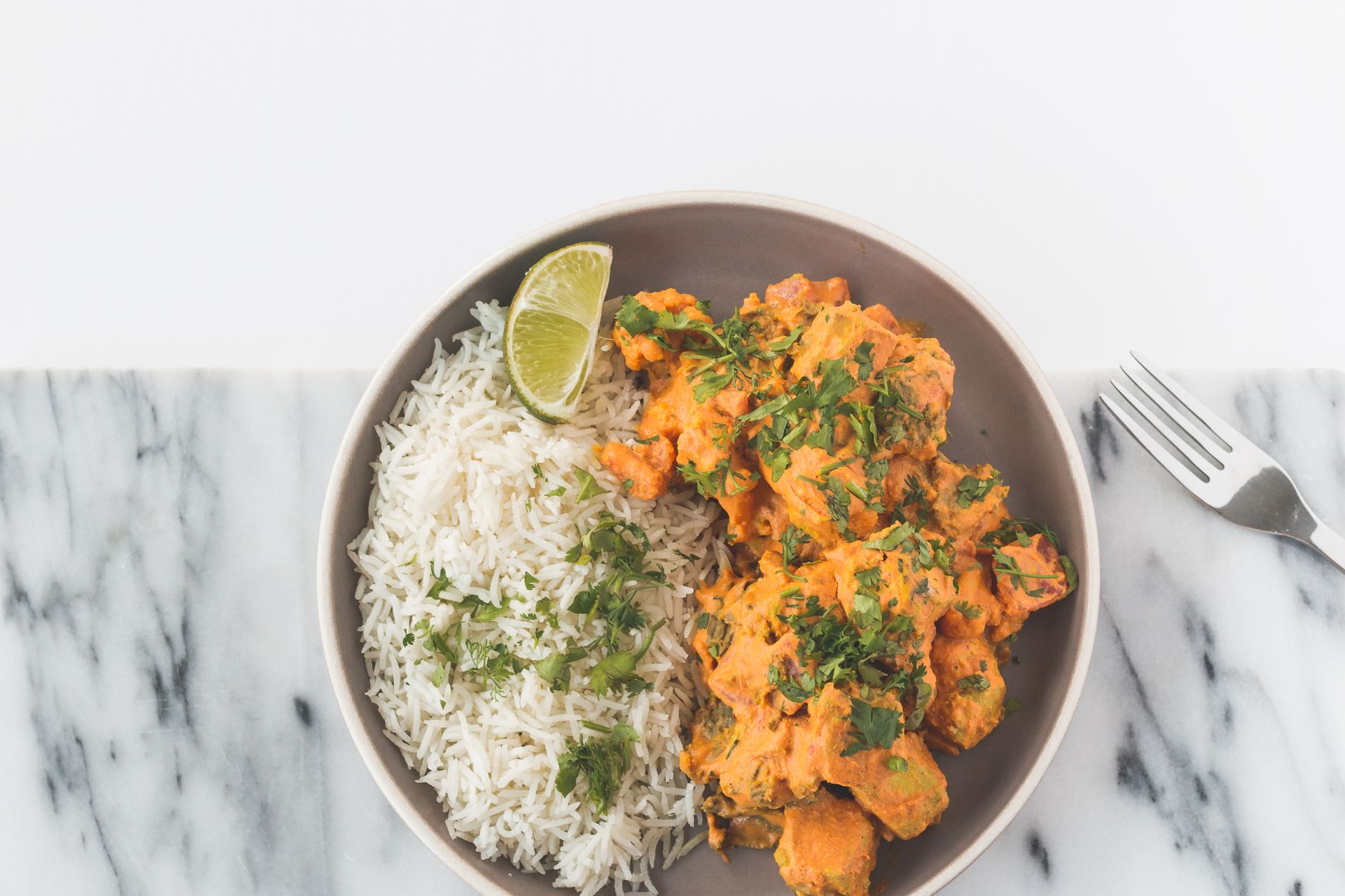
Peru's beloved comfort dish featuring tender shredded chicken in a rich, creamy sauce made with ají amarillo peppers, bread, and Parmesan cheese, served over rice with hard-boiled eggs and black olives. 65 min · 0 saves.
peruvian · hot
Oct 19, 2026Ají de Gallina with Habanero
Peruvian creamed chicken thickened with ground walnuts and bread, finished with habanero heat. Serve over boiled potatoes and rice for a weeknight dinner with serious spice. 55 min · 0 saves.

other · hot
Apr 12, 2026Habanero Shrimp and Grits with Holy Trinity
Creamy stone-ground grits topped with plump Gulf shrimp in a fiery habanero-spiked sauce with the classic Cajun trinity of onions, celery, and bell peppers. 65 min · 0 saves.
FlamingFoodies picks
Pantry, gear, and bottle picks that fit this meal
Everyday bottle
Yellowbird Habanero Hot Sauce
Bright carrot-habanero heat with enough body to work on eggs, tacos, and roasted vegetables. Best for breakfasts, tacos, and meal prep bowls.
View on AmazonNumbing heat
Fly By Jing Sichuan Gold
A more citrusy, peppercorn-leaning sauce when you want flavor movement instead of pure capsaicin. Best for dumplings, noodles, and fried eggs.
View on AmazonFrom the blog
More about this dish
Read more about the ingredients and cuisine.
science
Sep 7, 2026Why Spicy Brazilian Cooking Is Having a Moment—And What You Should Actually Cook
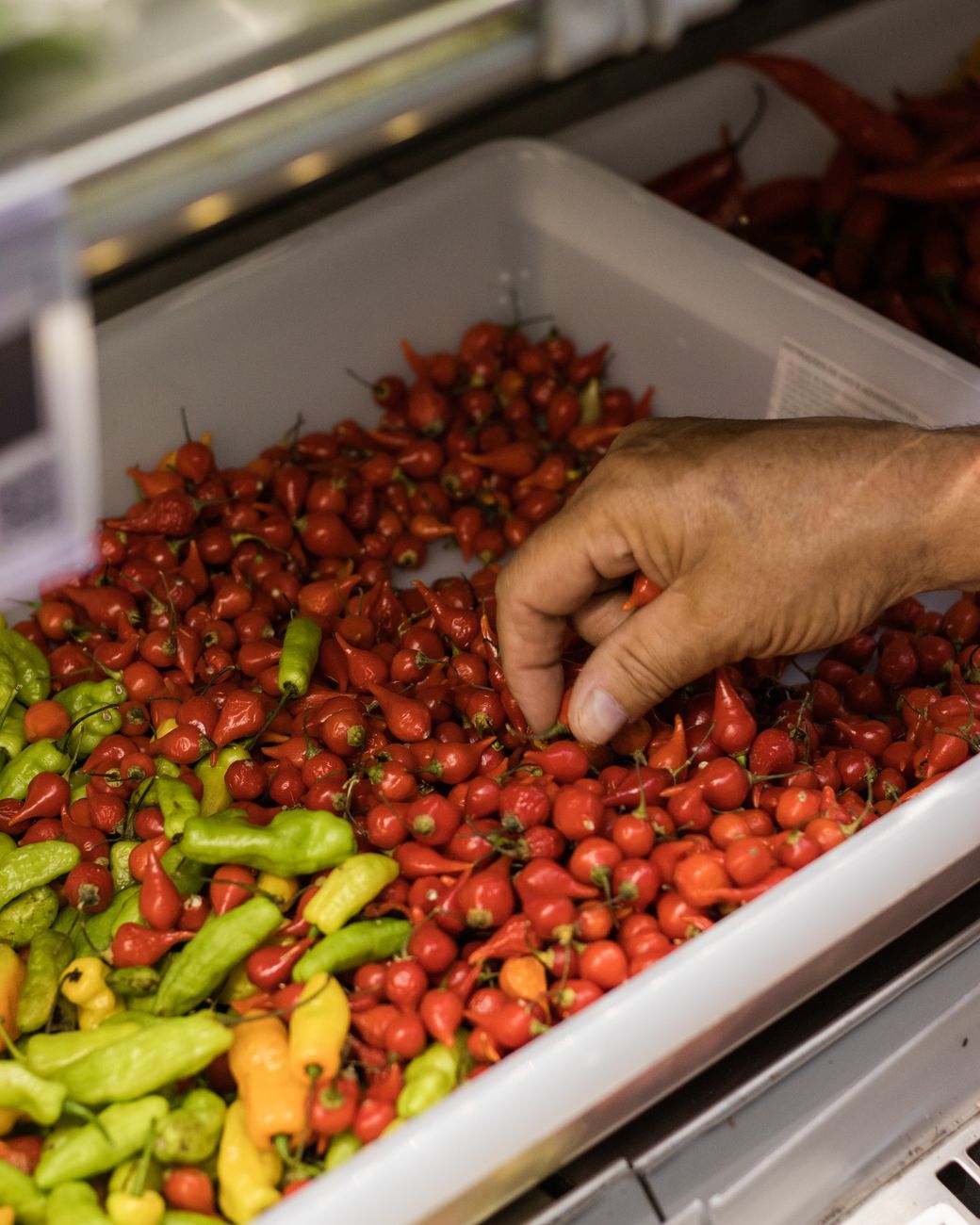
Brazilian heat culture goes way beyond malagueta peppers—and it's finally getting the attention it deserves. We're breaking down the regional spicy dishes actually worth cooking right now, from Bahian dendê-fired seafood to São Paulo's fermented pimenta biquinho renaissance, plus why this approach to building heat (layered, craveable, never punishing) is exactly what home cooks are hungry for.
science
Jun 12, 2026Urfa Biber: How Turkish Dried Peppers Are Prepared and Used
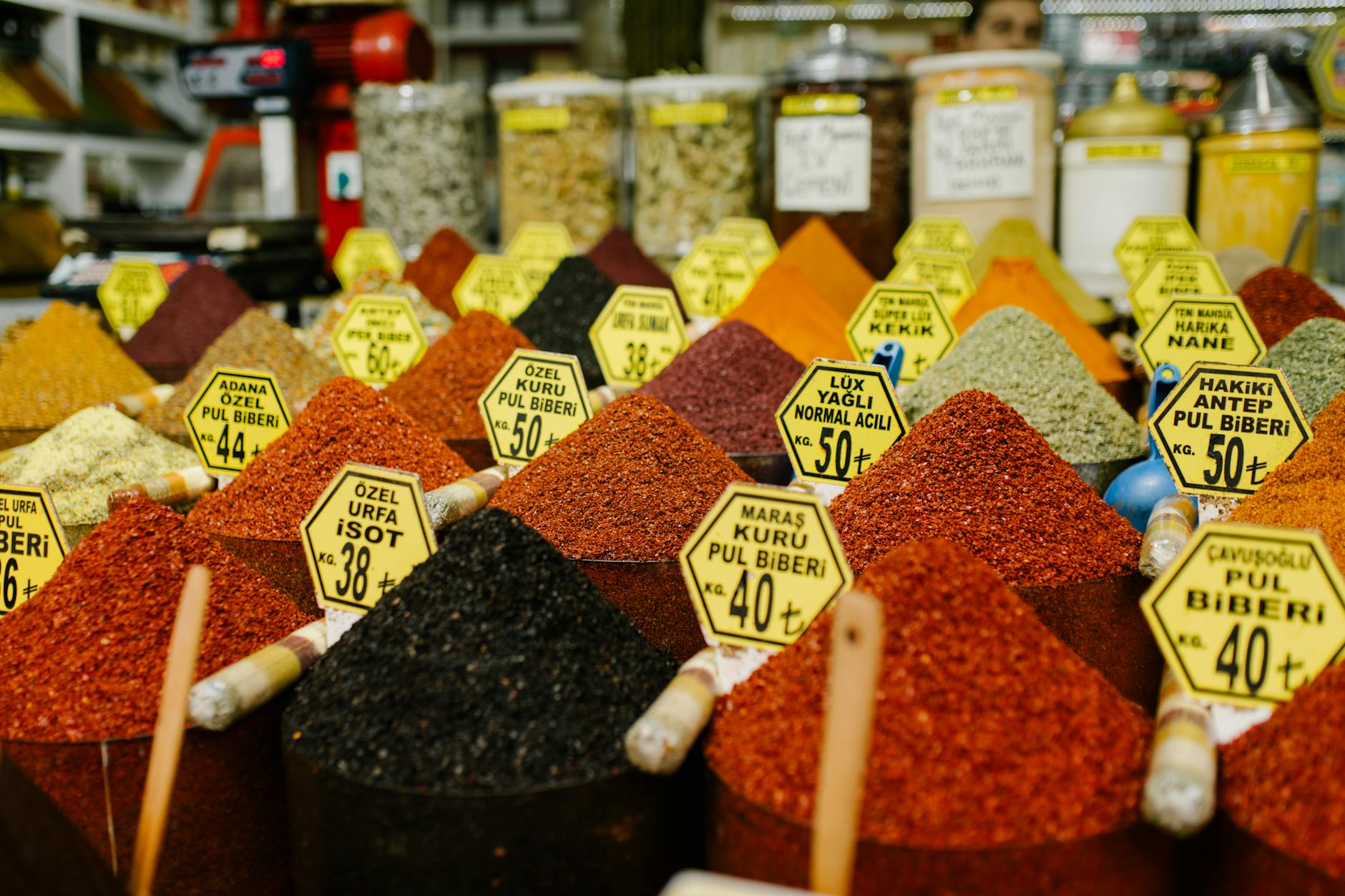
A guide to Urfa biber and Turkish dried-pepper preparation, with ideas for seasoning dishes without relying on a single measure of heat.
Background guides
Read the guide behind the technique
Learn more about the cooking techniques used here.
Community notes
Reader discussion is shared across recipes, reviews, and editorial pieces.
Comments are read-only while member sign-in is paused.