
science
Greek Spiced Dishes: Gemista, Horiatiki, and Table Seasonings
Gemista, horiatiki, and pepper-seasoned Greek dishes offer different ways to combine vegetables, cheese, herbs, and acidity.
Share this
Pass it around
Send this page to a friend, copy the link, or save it to a Pinterest board.

Save for later
Pin this page
Save the image with a link back to this recipe, review, or article.
Why Greek Heat Works So Differently
Greek cooking often uses heat as one element among several rather than the main event. Spiced dishes tend to pair peppers with specific fats, acids, and aromatics so the heat sits alongside other flavors instead of dominating the plate.
Consider saganaki me piperies florina—fried cheese topped with roasted red peppers. The peppers add a mild warmth without overpowering the dish, while their sugars caramelize in the hot pan alongside the cheese's saltiness.
Greek cooks also pair heat sources thoughtfully. Tangy pickled hot peppers (piperies toursi) served alongside grilled meats add both acidity and heat, which works well against the richness of grilled meat and can make a plate of spicy food easier to eat through without the dish feeling like one long burn.
Building Heat Slowly in Gemista
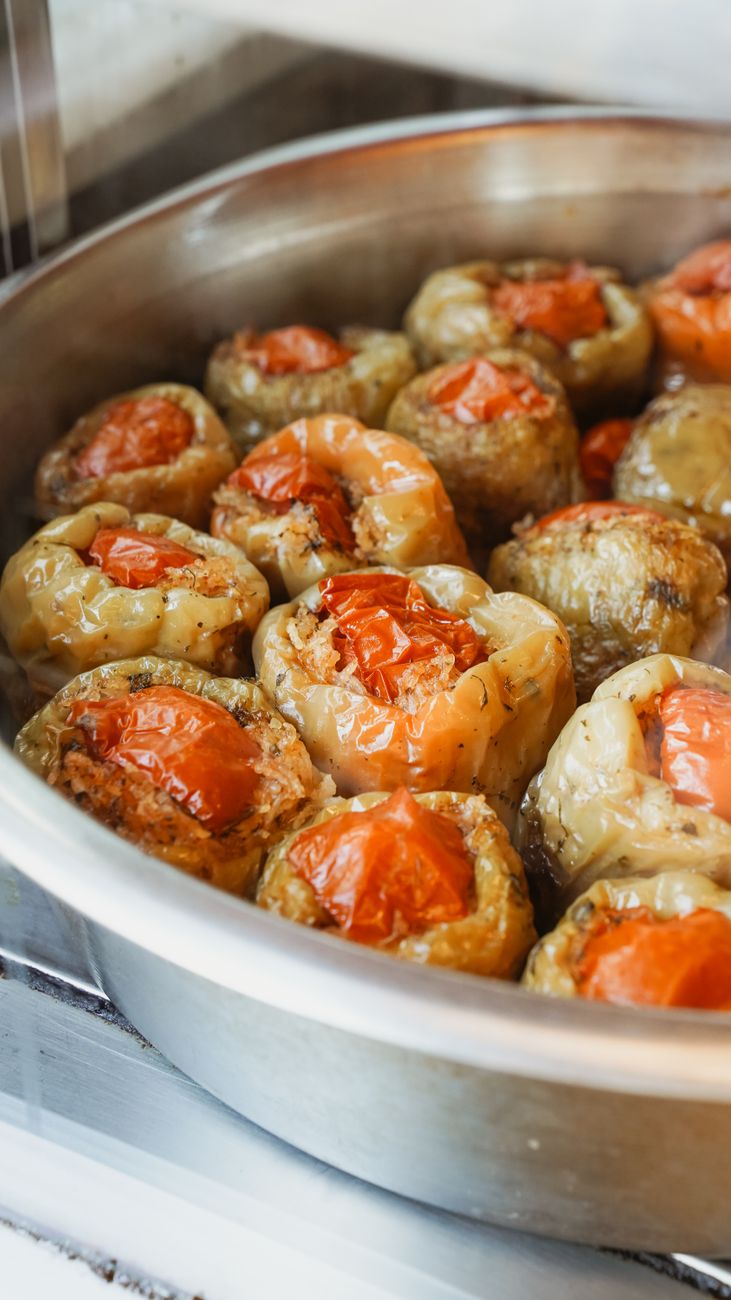
Stuffed vegetables are one of Greek cuisine's clearest examples of building heat gradually. When tomatoes, peppers, and zucchini are stuffed with rice mixed with hot pepper flakes and baked slowly, the heat spreads through the dish rather than concentrating in one spot.
As the vegetables bake, moisture and juices move between the rice filling and the vegetable walls, which helps distribute the pepper flakes' heat more evenly. The rice also absorbs a lot of that flavor as it cooks, so the finished dish reads as gently warm throughout rather than sharply hot in places. You taste the herbs and olive oil first, with the pepper heat building more gradually as you eat.
When Simple Horiatiki Gets Wonderfully Complex
Even Greece's most straightforward dishes change character with a few additions. A basic village salad becomes something different when you add hot pepper rings or a drizzle of spicy olive oil.
Olive oil carries the heat from hot peppers well, coating the other ingredients as you toss the salad. Cucumbers and tomatoes bring a lot of water content, which gives the salad a cooling, refreshing quality even with the added heat, while the feta's richness rounds out the dish. Many people find a spicy version of horiatiki just as refreshing as the plain one, especially in hot weather.
Spicy olive oils are worth seeking out on their own. Good olive oil infused with hot peppers takes on both fruity and spicy notes, and a drizzle over a simple sliced tomato can turn a plain side into something more interesting.
The Comfort of Greek Spiced Dishes
Greek spiced dishes often read as comforting rather than just hot. Take spetsiotiko, the spicy sausage and pepper dish from Spetses. Cooking sausage and peppers together in one pan lets the fat from the sausage coat the peppers and moderate the heat, so you get warmth without harsh, uneven hot spots. Traditional herbs like oregano add their own aromatic layer, rounding out the dish rather than sharpening the heat.
This balance is part of why Greek spiced dishes tend to work well for a mixed crowd: the heat is present but doesn't overwhelm people who are less used to spicy food.
Bringing This Cooking Approach to Your Own Kitchen
You can borrow a few practical habits from Greek cooking when you want a similar balance of heat and flavor at home.
Use fat as a carrier for heat. Whether you're making pasta or grilling vegetables, bloom hot pepper flakes in olive oil first. This helps the pepper flavor spread through the oil and coat the other ingredients more evenly.
Pay attention to timing. Greek cooks often add pepper flakes early so they infuse the dish as it cooks, while fresh hot peppers go in later to keep their brighter, more immediate heat. Using both at different points adds some complexity to the final dish.
Don't skip the acid. A splash of red wine vinegar or a squeeze of lemon brightens the other flavors in the dish and gives the heat something to play off of, rather than letting it sit on its own.
Greek cuisine's spiced dishes tend to work because the heat is built in alongside fat, acid, and aromatics rather than added as an afterthought. That combination of technique and ingredient choices is what makes these dishes satisfying to eat.
Cook with this idea
Recipes to try next.
Put these ingredients and techniques to use in your next meal.
other · medium
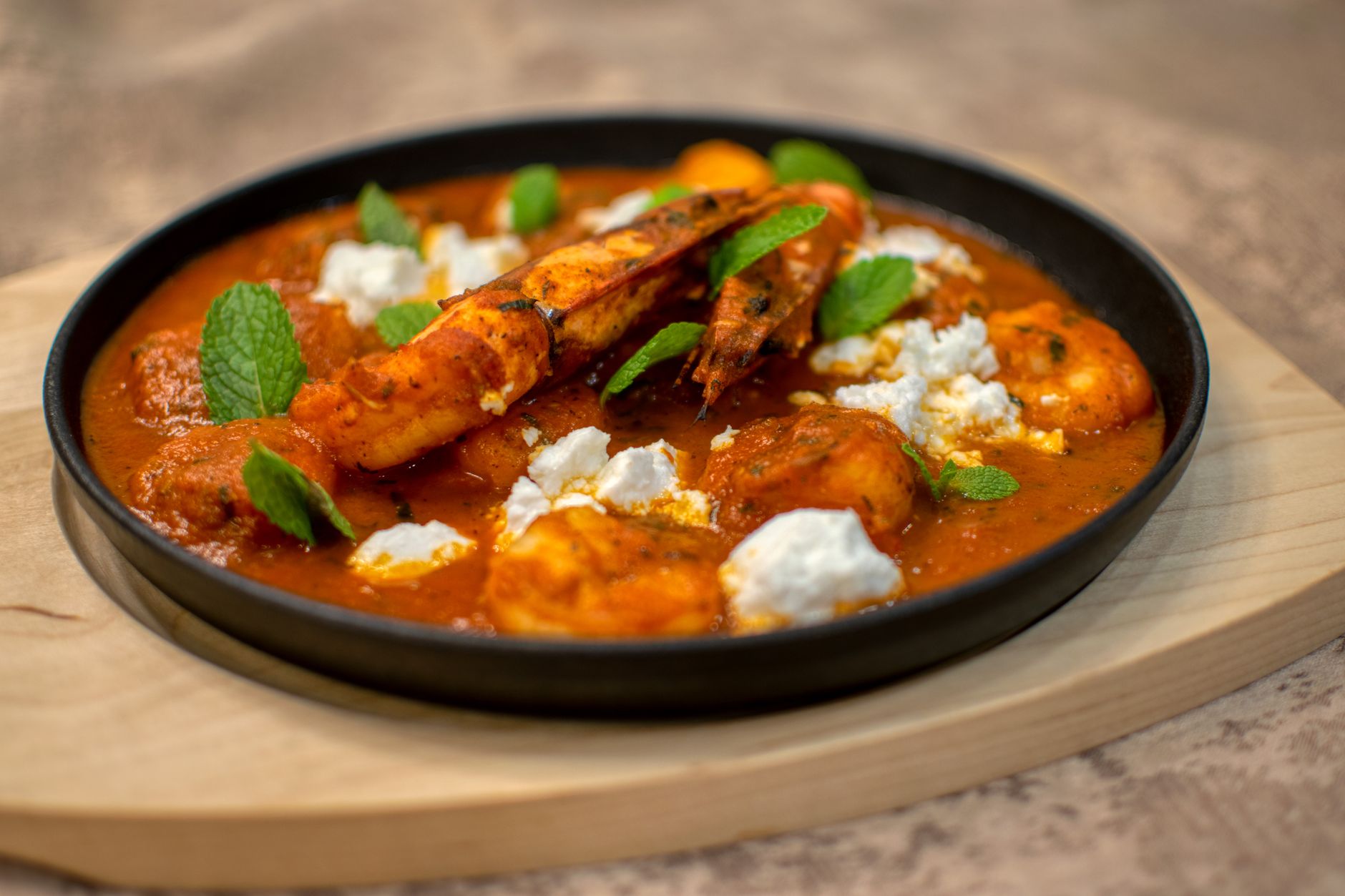
Oct 19, 2026Shrimp Saganaki with Chilli and Feta
Pan-seared shrimp finished with a warm tomato sauce, crumbled feta, and dried chilli heat—a Greek seafood dish that cooks in one skillet. 25 min · 0 saves.

other · medium
Oct 11, 2026Rendang Daging (Malaysian Beef Rendang)
A slow-braised beef stew where fresh red chillies, garlic, ginger and galangal break down into a paste, then simmer in coconut milk until the liquid reduces to a glossy, spiced glaze clinging to each piece of meat. The beef becomes tender enough to break with a spoon, and the heat builds gradually from the chillies and warm spices—cardamom, cloves, cinnamon—rather than arriving sharp and alone. 115 min · 0 saves.

other · medium
Oct 9, 2026Moqueca de Camarão com Pimenta
A Brazilian seafood stew where shrimp braise gently in coconut milk with red peppers, garlic, coriander, and fresh malagueta chillies. The heat builds slowly from the whole peppers simmered in the sauce, so you taste the shrimp's sweetness and the garlic's depth before any burn catches up. 40 min · 0 saves.
Bottle picks
Related hot sauce reviews.
Explore sauces with related ingredients, flavors, and heat levels.
Mike's Hot Honey Review
Sweet heat done right: sticky, quick, and versatile enough to become a finishing move instead of a novelty.
Best for gifting
Best for: Pizza and fried chicken
Skip if: Skip if you want a classic vinegar-forward table sauce with almost no sweetness.
Read review
Heatonist Los Calientes Rojo Review
Heatonist Los Calientes Rojo: flavor notes, heat level, and suggested food pairings.
Best for tacos
Best for: Tacos and rice bowls
Skip if: Skip if you are chasing a novelty-level heat hit or a super-special-occasion bottle.
Read review
Queen Majesty Scotch Bonnet and Ginger Review
A bright, elegant sauce that leans on fruit, ginger, and Scotch bonnet lift instead of brute force.
Best for seafood
Best for: Seafood and fish tacos
Skip if: Skip if you want a thick, smoky wing sauce more than a bright finishing bottle.
Read review
Go deeper
Background guides that build on this.
Keep reading
More on this subject.
If this post helped, these are the next pieces most likely to keep the thread going.
science
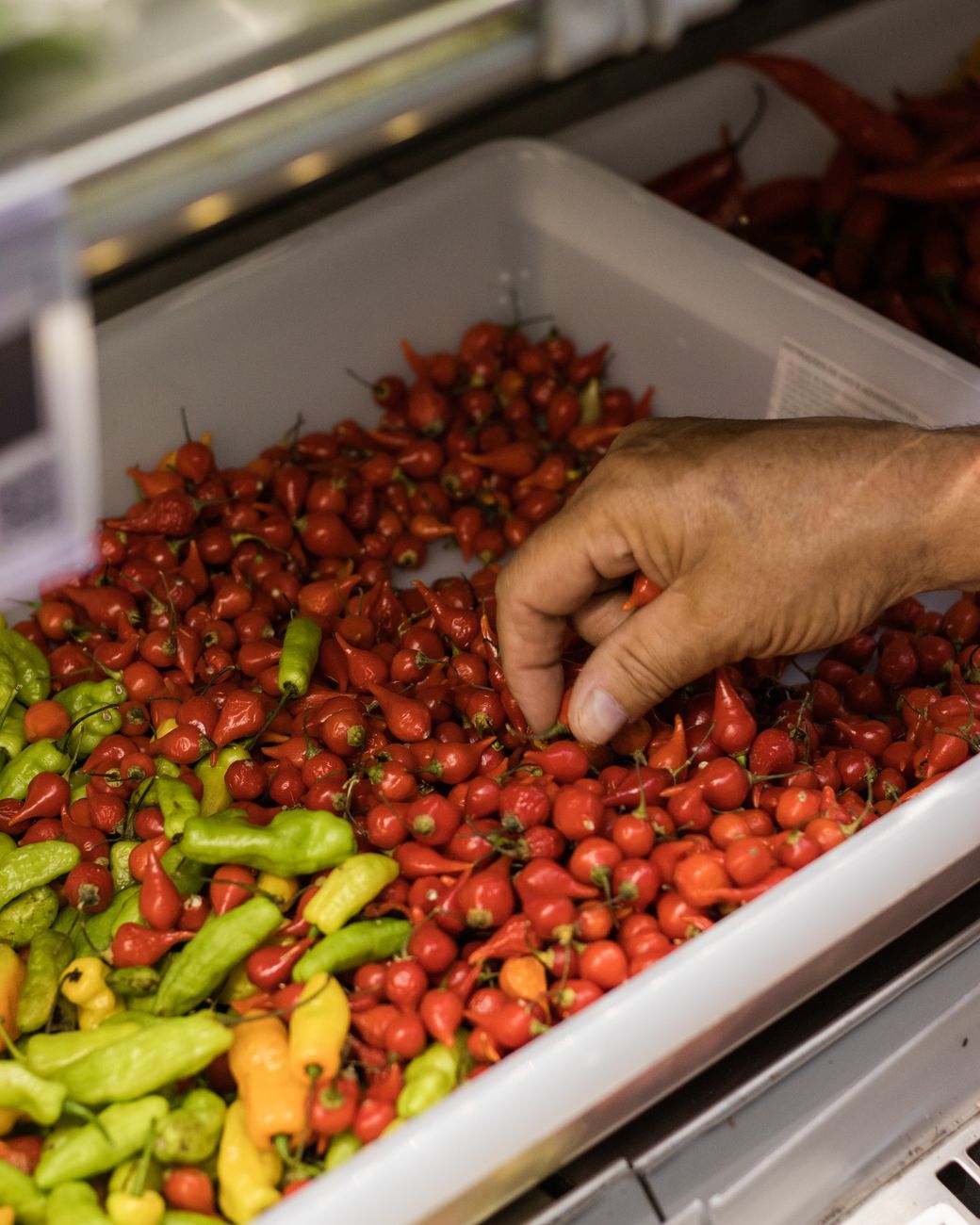
Sep 7, 2026Why Spicy Brazilian Cooking Is Having a Moment—And What You Should Actually Cook
Brazilian heat culture goes way beyond malagueta peppers—and it's finally getting the attention it deserves. We're breaking down the regional spicy dishes actually worth cooking right now, from Bahian dendê-fired seafood to São Paulo's fermented pimenta biquinho renaissance, plus why this approach to building heat (layered, craveable, never punishing) is exactly what home cooks are hungry for.
science
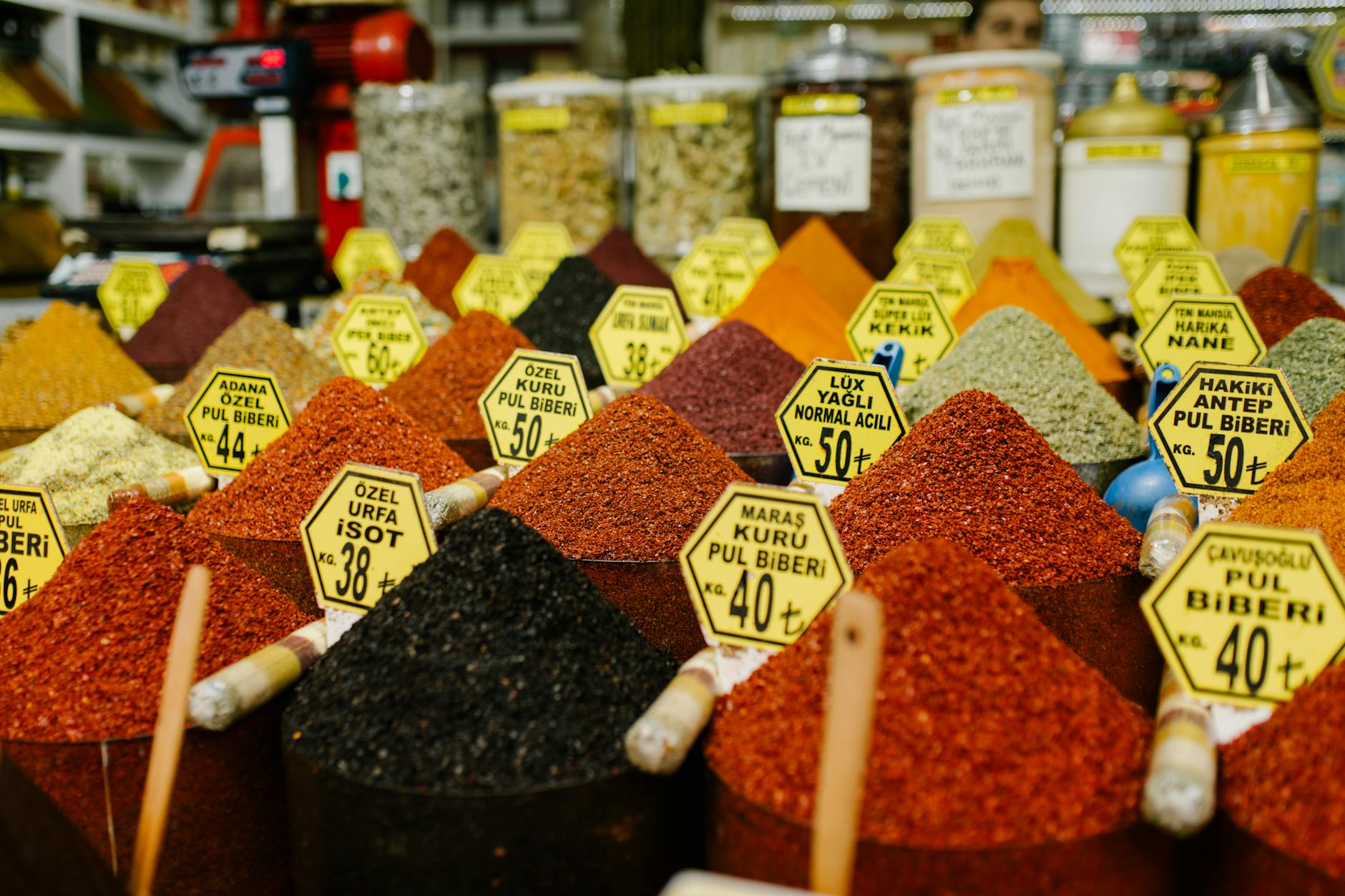
Jun 12, 2026Urfa Biber: How Turkish Dried Peppers Are Prepared and Used
A guide to Urfa biber and Turkish dried-pepper preparation, with ideas for seasoning dishes without relying on a single measure of heat.
science
May 27, 2026Turkish Pepper Seasonings for Adana Kebab, Menemen, and Muhammara
Urfa biber and other pepper seasonings bring different flavors to Adana kebab, menemen, and muhammara. Explore the ingredients and uses.
Comments
Reader discussion is shared across recipes, reviews, and editorial pieces.
Comments are read-only while member sign-in is paused.