
culture
Three Brazilian Heat Waves Taking Over American Tables
From coastal moqueca to grilled pimenta biquinho, these warming Brazilian dishes are finding their way into home kitchens everywhere—and your dinner table deserves to know why.

Share this
Pass it around
Send this page to a friend, copy the link, or save it to a Pinterest board.

Save for later
Pin this page
Save the image with a link back to this recipe, review, or article.
Brazilian cooking gets heat right in a way that makes me want to invite everyone over for dinner. While Korean gochujang and Nashville hot chicken grab all the attention, three distinctly Brazilian approaches to spice are quietly winning over home cooks who understand that warmth and welcome should go hand in hand.
These aren't show-off dishes or restaurant stunts. They're the kind of everyday cooking that happens to center heat as a foundation rather than a challenge. Each brings something different to your table—perfect whether you're cooking for devoted spice lovers or that delicate dance of keeping everyone happy.
Moqueca: The Coastal Braise That Wins Hearts
Moqueca might be the most generous spicy dish I know. This seafood stew from Brazil's northeastern coast builds its heat through dendê (palm oil) and malagueta peppers, but the coconut milk base makes it the kind of thing you can serve your spice-shy mother-in-law without apology.
The magic happens in the clay panela de barro if you have one, though honestly, a heavy Dutch oven gives you almost everything you need. Fish or shrimp nestle into a base of sautéed onions, bell peppers, and tomatoes. Those malagueta peppers—small, bright, and considerably hotter than jalapeños—go in early to perfume the oil rather than assault the finished dish.
What makes moqueca so utterly craveable is how the heat weaves through everything else. The dendê adds an earthy, almost nutty warmth that's nothing like the sharp slap of fresh chiles. With coconut milk and lime juice in the mix, you get complexity that builds and invites rather than attacks.
If you're nervous about the malagueta peppers, start with half what any recipe suggests. This dish gets better overnight anyway, so you can always taste and adjust the heat on day two. Serve it over rice with plenty of lime wedges, and watch even your most heat-cautious relatives come back for more.
Pimenta Biquinho: Brazil's Most Charming Pepper
Pimenta biquinho belongs in your regular rotation alongside good olive oil and flaky salt. These small, teardrop-shaped beauties pack all the fruity complexity of habaneros with roughly the heat level of a poblano. They're finally showing up in better grocery stores, and smart cooks are hoarding them.
Fresh biquinho peppers remain elusive outside Brazil, but the pickled version—easily found online and in Latin markets—might actually be superior for most home cooking. That tangy brine plays beautifully with grilled meats and roasted vegetables in ways that fresh peppers can't quite match.
The simplest approach: toss halved biquinho peppers with olive oil, garlic, and whatever you're throwing on the grill. Chicken thighs, pork tenderloin, even thick eggplant slices all benefit from that sweet-heat combination. The peppers char just slightly, concentrating their flavor without turning bitter.
For something more involved, blend pickled biquinho peppers into compound butter with fresh herbs. This transformation works magic on:
- Grilled fish or shrimp
- Corn on the cob
- Warm crusty bread
- Roasted potatoes
The heat stays friendly enough for most palates, but the flavor complexity rivals preparations twice as hot.
Piri-Piri Brasileiro: Brazil's Own Take
Brazilian piri-piri sauce deserves recognition separate from its better-known Portuguese relative. The Brazilian version leans fruitier, often incorporating cashews or Brazil nuts, and relies more heavily on malagueta or dedo-de-moça peppers rather than African bird's eye chiles.
This sauce excels as both marinade and table condiment, but it truly shines when you use it in both roles. Marinate chicken pieces for at least two hours, then grill over medium-high heat. Keep some unmarinated sauce on hand to drizzle over the finished dish.
That cashew element—sometimes blended directly into the sauce, sometimes scattered as garnish—adds richness that calms the pepper heat without dulling it. This makes Brazilian piri-piri particularly valuable for mixed groups where heat tolerance varies wildly.
Unlike hot sauces designed purely for fire, Brazilian piri-piri contributes real substance. The peppers, garlic, and nuts create something closer to a loose pesto than traditional condiment. Spread it on grilled vegetables, toss it with roasted potatoes, or thin it with lime juice for an unexpectedly sophisticated salad dressing.
Why These Dishes Belong on Your Table
These Brazilian preparations succeed where other spicy foods sometimes stumble because they treat heat as a supporting player rather than the star of the show. Moqueca uses coconut milk and dendê to create warmth that builds gradually. Biquinho peppers deliver complexity without intimidation. Brazilian piri-piri balances fire with genuine richness.
Each approach also scales beautifully for home cooking. You're not trying to recreate restaurant equipment or hunt down impossible ingredients. A good Dutch oven, a reliable source for specialty peppers, and solid knife skills will carry you most of the way.
More importantly, these dishes work for actual family dinners with actual mixed preferences. The heat matters and adds essential character, but it's not the only conversation happening on the plate. That makes them ideal for home cooks who want to explore spicy food without dividing their household into camps.
Brazilian cooks have always understood that the best spicy food draws everyone closer to the table. These three approaches prove that wisdom translates perfectly to American kitchens.
Peppers featured in this post
Cook with this idea
Recipes to try next.
Put these ingredients and techniques to use in your next meal.
other · medium
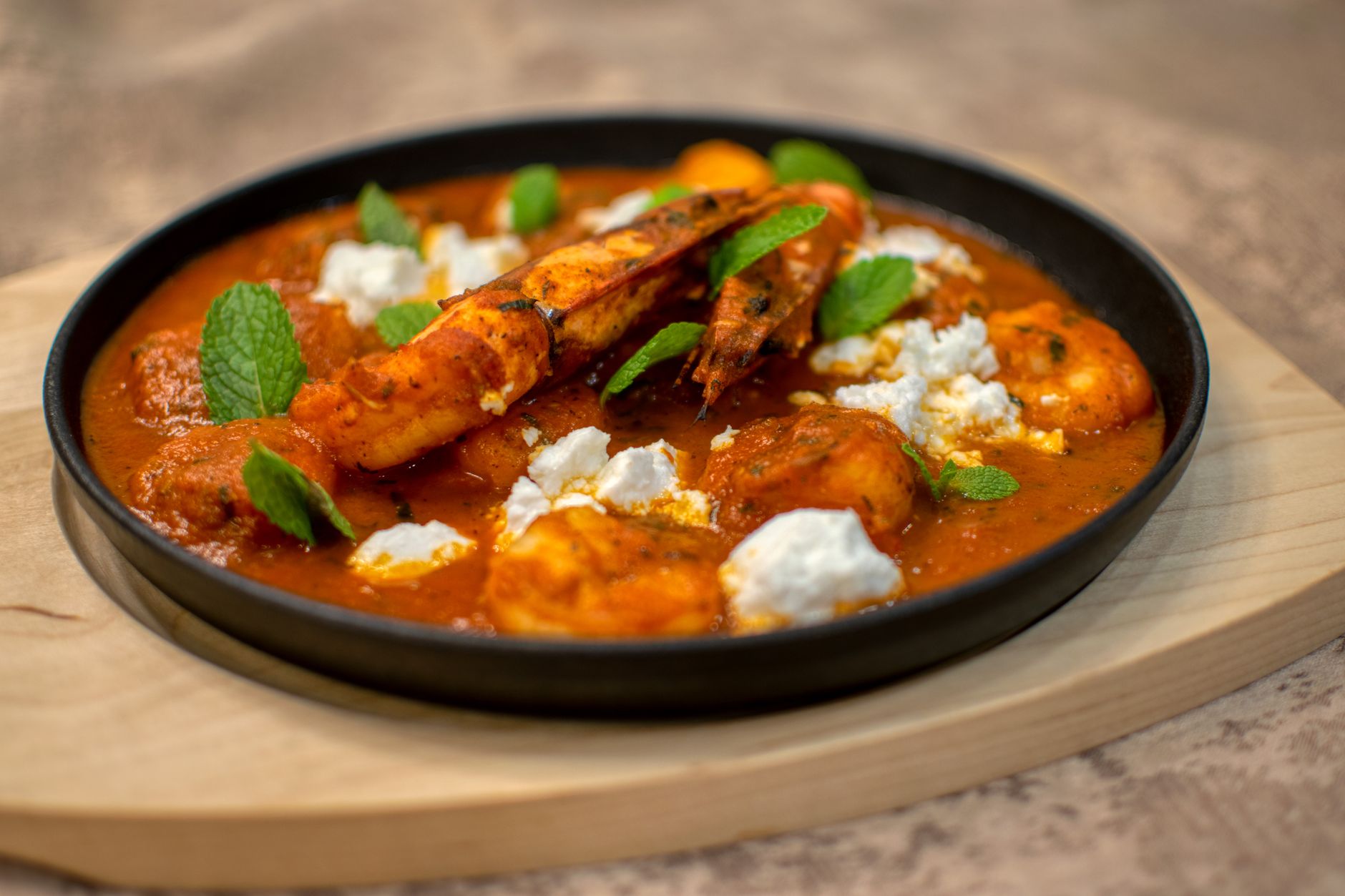
Oct 19, 2026Shrimp Saganaki with Chilli and Feta
Pan-seared shrimp finished with a warm tomato sauce, crumbled feta, and dried chilli heat—a Greek seafood dish that cooks in one skillet. 25 min · 0 saves.

other · medium
Oct 11, 2026Rendang Daging (Malaysian Beef Rendang)
A slow-braised beef stew where fresh red chillies, garlic, ginger and galangal break down into a paste, then simmer in coconut milk until the liquid reduces to a glossy, spiced glaze clinging to each piece of meat. The beef becomes tender enough to break with a spoon, and the heat builds gradually from the chillies and warm spices—cardamom, cloves, cinnamon—rather than arriving sharp and alone. 115 min · 0 saves.
other · medium
Oct 9, 2026Moqueca de Camarão com Pimenta
A Brazilian seafood stew where shrimp braise gently in coconut milk with red peppers, garlic, coriander, and fresh malagueta chillies. The heat builds slowly from the whole peppers simmered in the sauce, so you taste the shrimp's sweetness and the garlic's depth before any burn catches up. 40 min · 0 saves.
Bottle picks
Related hot sauce reviews.
Explore sauces with related ingredients, flavors, and heat levels.
Mike's Hot Honey Review
Sweet heat done right: sticky, quick, and versatile enough to become a finishing move instead of a novelty.
Best for gifting
Best for: Pizza and fried chicken
Skip if: Skip if you want a classic vinegar-forward table sauce with almost no sweetness.
Read review
Heatonist Los Calientes Rojo Review
Heatonist Los Calientes Rojo: flavor notes, heat level, and suggested food pairings.
Best for tacos
Best for: Tacos and rice bowls
Skip if: Skip if you are chasing a novelty-level heat hit or a super-special-occasion bottle.
Read review
Yellowbird Habanero Hot Sauce Review
A bright, carrot-forward bottle with enough heat to stay lively and enough sweetness to stay versatile.
Best for tacos
Best for: Tacos and rice bowls
Skip if: Skip if you want a classic vinegar-forward table sauce with almost no sweetness.
Read review
Go deeper
Background guides that build on this.
Keep reading
More on this subject.
If this post helped, these are the next pieces most likely to keep the thread going.

culture
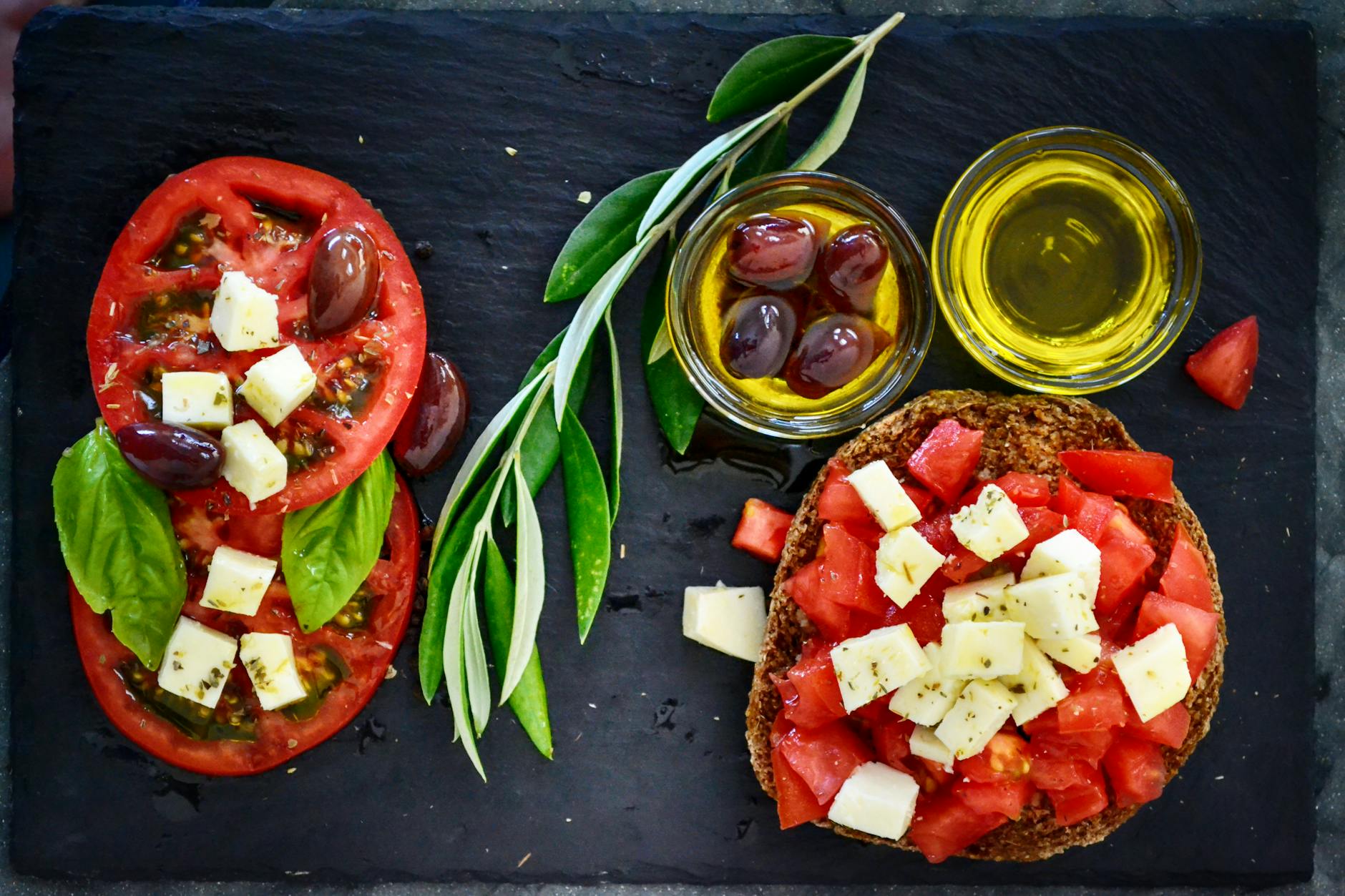
Jun 11, 2026Greek Fire: The Spicy Side of Hellenic Cooking That's Finally Getting Its Due
Greek cooking has always packed more heat than the world gives it credit for. From pepper-rich island specialties to chili-spiked mainland classics, these are the fiery dishes that deserve a spot at your table.
culture
Jun 6, 2026Greek Heat: Three Spicy Regional Styles That Deserve Your Attention
From northern Greece's soul-warming paprika braises to island pepper preparations that pack both heat and tang, discover the spicy side of Greek cuisine that goes far beyond those ubiquitous red pepper flakes.

culture
May 30, 2026Greece's Hottest Kitchen Secrets: Why Spicy Greek Cooking Is Having a Moment
From fiery feta spreads that'll surprise your guests to pepper-braised meats that make you understand why Greek grandmothers always kept the good olive oil handy, this is the spicy side of Greek cooking that deserves a place at your table.
Comments
Reader discussion is shared across recipes, reviews, and editorial pieces.
Comments are read-only while member sign-in is paused.