
science
Nduja and Calabrian Chile Oil: Texture and Cooking Uses
Learn about the texture and culinary uses of nduja and Calabrian chile oil, from spreading on bread to seasoning pasta.

Share this
Pass it around
Send this page to a friend, copy the link, or save it to a Pinterest board.

Save for later
Pin this page
Save the image with a link back to this recipe, review, or article.
Calabrian chile oil is turning up on more pizza counters, 'nduja is showing up on toast and appetizer menus, and "diavola-style" dishes are appearing more often on restaurant menus. These Italian spicy ingredients are built differently than most American hot sauces: through fermentation, curing, and fat, rather than a vinegar base.
The difference comes down to how these ingredients are made: through fermentation, curing, and the way fat carries heat rather than delivering it all at once.
What Gives 'Nduja Its Character
'Nduja is spreadable Calabrian salami made with pork and local chiles, but that description undersells the process—similar to how "eggs and cheese" undersells carbonara. Much of what makes it distinctive comes from fermentation.
How Fermentation Shapes the Flavor
Fermentation does more than preserve these ingredients. During traditional 'nduja production, lactobacillus bacteria produce lactic acid that brightens the rich pork fat and keeps the flavor from turning heavy. The fermentation process also concentrates the calabrian chiles' fruitiness, giving the finished product more complexity than fresh chiles alone would provide.
This same approach shows up in other Italian spicy specialties finding their way onto American tables:
- Regional 'nduja variations made with different local chiles
- Concentrated calabrian chile pastes where longer fermentation means deeper umami
- Traditional aged spicy salamis where curing time affects heat complexity
- Sicilian preparations shaped by centuries of Arab spice trade influence
How Fat Changes the Way Heat Is Delivered
This same fat integration makes these ingredients easy to cook with. 'Nduja melts into pasta sauces for even heat distribution, and calabrian chile oil can be worked into pizza dough, brushed over sourdough, or drizzled over roasted vegetables.
This makes them practical for cooking for mixed groups, since the heat is milder and more gradual than a straight chile-based hot sauce. Anyone who wants more can always add extra oil or 'nduja at the table.
The Story Behind the Spice
Calabrian chiles are grown specifically in Southern Italy's Calabria region, and their fruity character comes from local soil, climate, and cultivation methods developed over generations.
'Nduja developed in Calabria as a way to preserve pork using fat and chiles as part of traditional curing methods, rather than as a manufactured heat product.
Regional variation also plays a role: Sicilian preparations tend to favor different chiles and spice combinations than Calabrian ones, and Roman approaches differ from Neapolitan ones.
Italian heat is typically built into the cooking process rather than added as a condiment at the table—worked into sauces, doughs, and braises rather than shaken on afterward.
Cook with this idea
Recipes to try next.
Put these ingredients and techniques to use in your next meal.
italian · medium
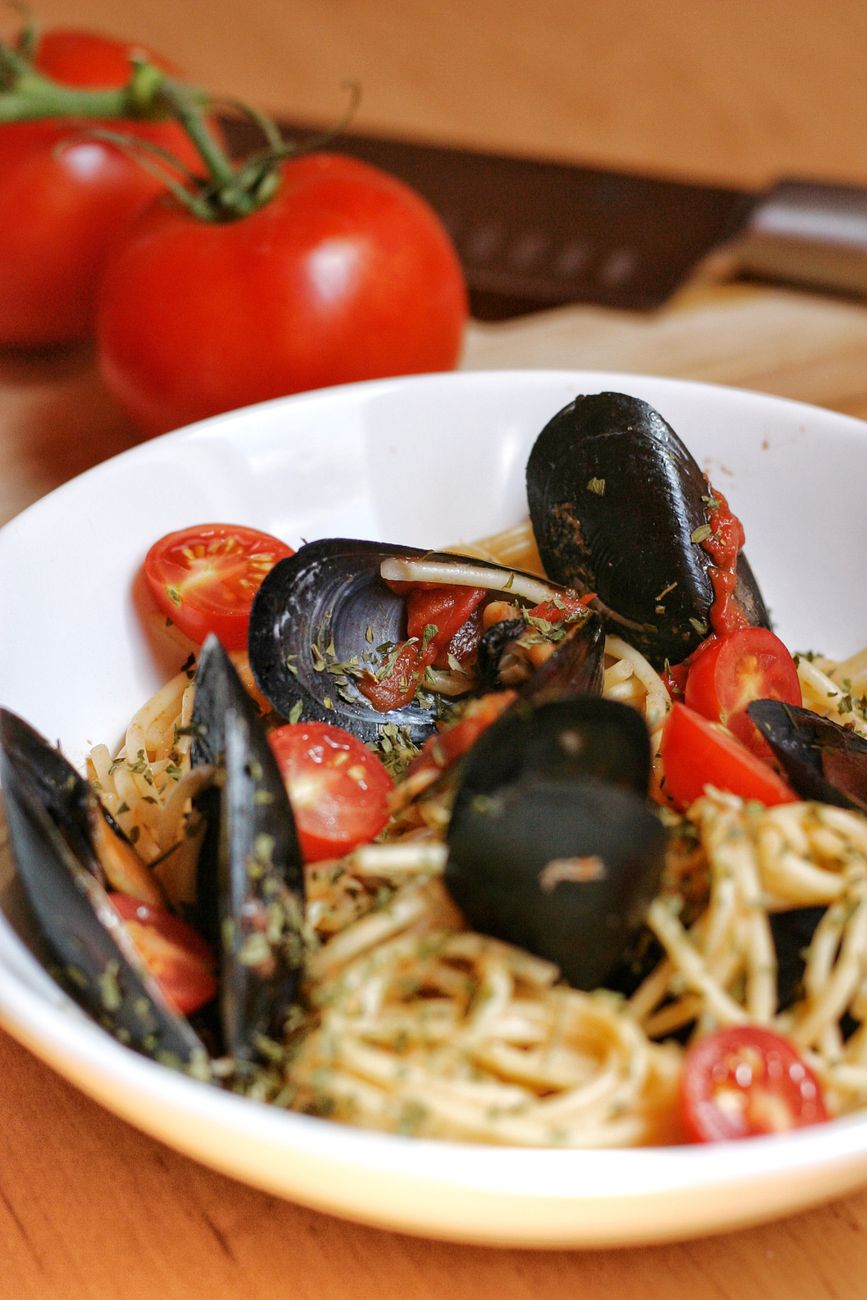
Jun 10, 2026Spaghetti all'Arrabbiata with Mussels
Fresh mussels tossed with spicy arrabbiata sauce and spaghetti for a fiery Roman-style seafood pasta that balances briny sweetness with cayenne heat. 35 min · 0 saves.

italian · medium
Mar 25, 2026Calabrian Chili Vodka Rigatoni
Creamy rigatoni with tomato depth, Calabrian chile fruitiness, and enough heat to keep it from tasting too plush. 35 min · 477 saves.
italian · hot
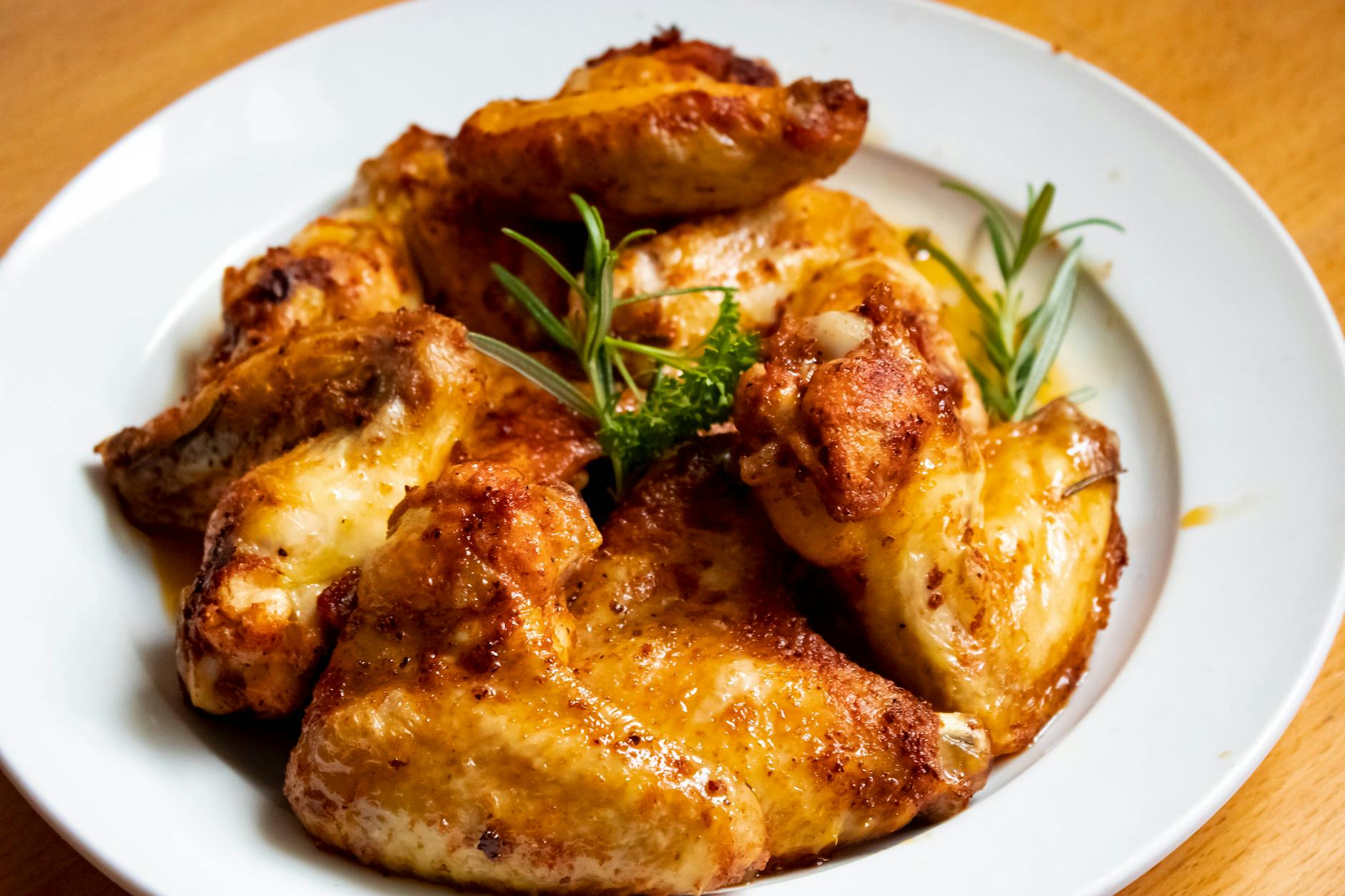
May 15, 2026Calabrian Chile Wings with Spicy Honey Glaze
Chicken wings tossed in a fiery Calabrian chile paste and finished with hot honey for the kind of heat that builds beautifully with each bite. 60 min · 0 saves.
Bottle picks
Related hot sauce reviews.
Explore sauces with related ingredients, flavors, and heat levels.
Mike's Hot Honey Review
Sweet heat done right: sticky, quick, and versatile enough to become a finishing move instead of a novelty.
Best for gifting
Best for: Pizza and fried chicken
Skip if: Skip if you want a classic vinegar-forward table sauce with almost no sweetness.
Read review
Yellowbird Habanero Hot Sauce Review
A bright, carrot-forward bottle with enough heat to stay lively and enough sweetness to stay versatile.
Best for tacos
Best for: Tacos and rice bowls
Skip if: Skip if you want a classic vinegar-forward table sauce with almost no sweetness.
Read review
Heatonist Los Calientes Rojo Review
Heatonist Los Calientes Rojo: flavor notes, heat level, and suggested food pairings.
Best for tacos
Best for: Tacos and rice bowls
Skip if: Skip if you are chasing a novelty-level heat hit or a super-special-occasion bottle.
Read review
Go deeper
Background guides that build on this.
Keep reading
More on this subject.
If this post helped, these are the next pieces most likely to keep the thread going.
science
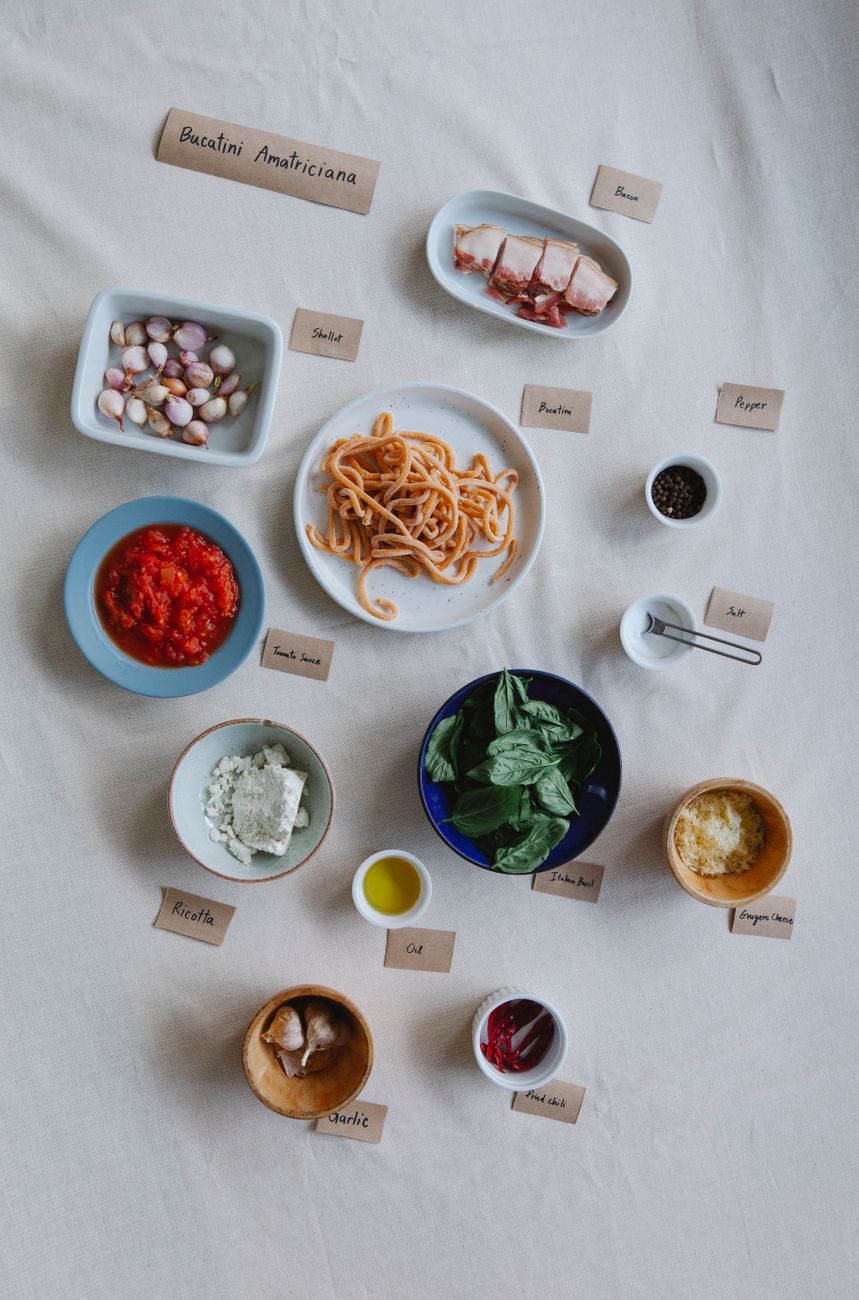
Jun 4, 2026Using Nduja and Calabrian Chiles in Pasta and Pizza
Stir nduja into a sauce or use Calabrian chiles on pasta and pizza, keeping garlic, tomato, cheese, and other flavors in balance.

science
May 20, 2026Nduja, Arrabbiata, and Aglio e Olio: Italian Chili Dishes
Nduja, arrabbiata, and aglio e olio offer different ways to pair chili with pasta, tomatoes, garlic, and olive oil.

science
May 1, 2026Why Italy's Fiery Regional Dishes Are Finally Getting Their Due
From Calabrian 'nduja to proper Roman arrabbiata, Italy's most soul-warming spicy dishes are finally showing up on American tables. Here's what makes each regional tradition worth seeking out.
Comments
Reader discussion is shared across recipes, reviews, and editorial pieces.
Comments are read-only while member sign-in is paused.