
science
Bún Bò Huế, Spicy Bánh Mì, and Cà Ri Gà
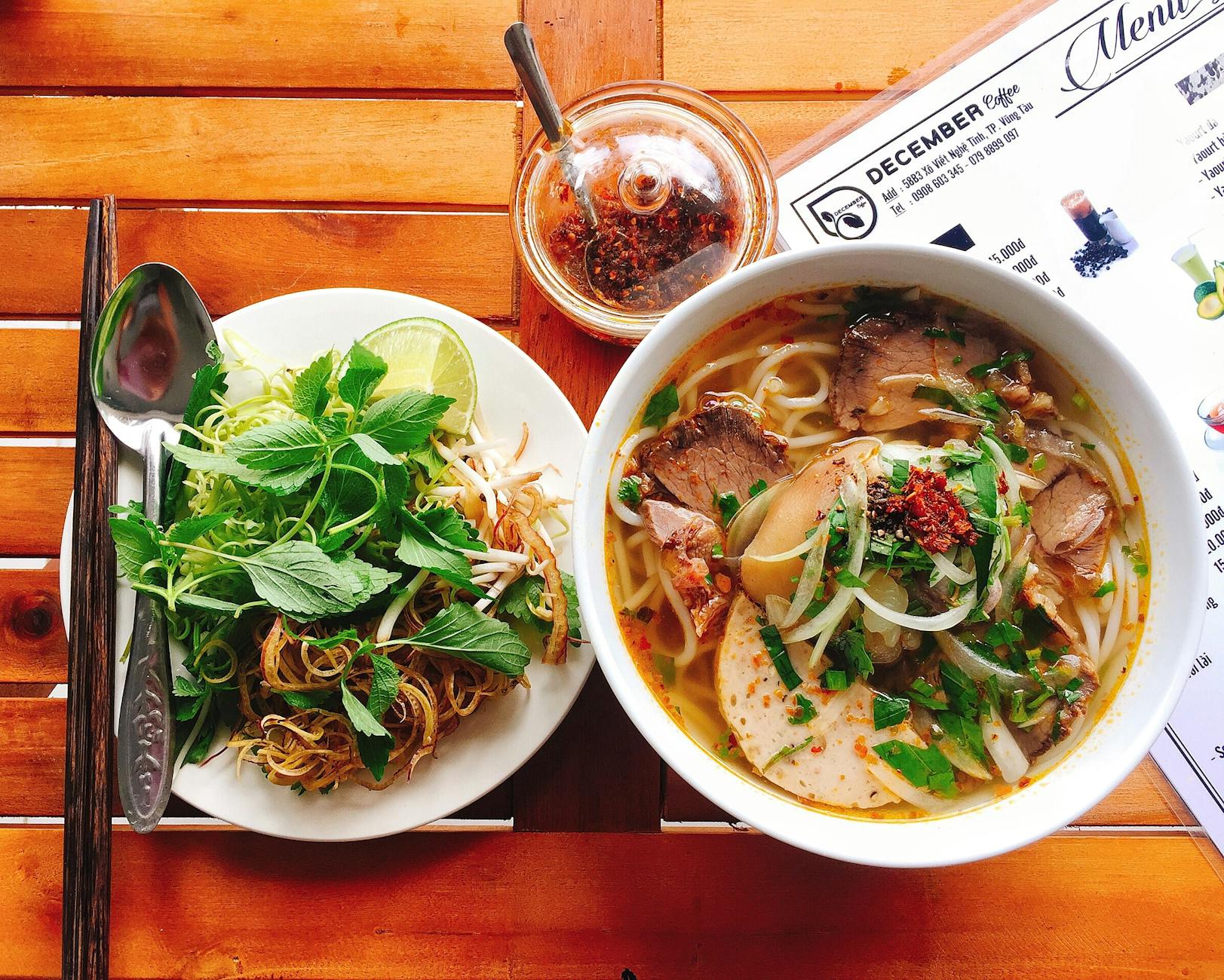
Bún bò Huế, spicy bánh mì, and cà ri gà pair chilies with broth, pickles, herbs, or coconut milk in distinctly different dishes.
Share this
Pass it around
Send this page to a friend, copy the link, or save it to a Pinterest board.

Save for later
Pin this page
Save the image with a link back to this recipe, review, or article.
Bún Bò Huế, Spicy Bánh Mì, and Cà Ri Gà
Vietnamese cooks build heat in layers rather than relying on raw chili count. The dishes below combine fresh and fermented chilies, fat, acid and umami-rich ingredients so the heat arrives in stages instead of all at once.
Bún Bò Huế: Layered Heat by Design
Bún bò Huế is built from several heat sources stacked on top of each other. The red oil floating on the surface comes from annatto and dried chilies bloomed together in oil until it turns deep red-orange. Fresh bird's eye chilies added at the table bring a sharper, more immediate heat than the oil, and fermented shrimp paste adds a savory backbone that rounds out the broth's flavor.
The lemongrass-and-beef-bone broth is rich and slightly viscous, so the chili oil and other seasonings coat the mouth rather than washing through quickly.
Some Vietnamese-American shops now add gochugaru or finish bowls with chili oils blended from several pepper varieties, giving the broth more than one kind of heat and flavor to notice as you eat.
Spicy Bánh Mì: Balancing Heat, Acid and Fat
The best Vietnamese bakeries now offer multiple spice levels, and watching how they build them is instructive:
- Fresh jalapeños for that clean, bright burn
- Pickled chilies for acidic heat that lingers
- Chili oil for rich, distributed warmth
- Sriracha or tương ớt for fermented complexity
The crusty exterior and soft interior of the bread also mean you chew longer than with a soft roll, which spreads out the heat over more bites.
Cà Ri Gà: Coconut Milk and Bloomed Chilies
Vietnamese chicken curry uses coconut milk to soften the sharpness of chili heat rather than eliminate it. Whole dried chilies are bloomed in hot oil first, which draws their heat and color into the fat. When coconut milk is added, it forms an emulsion that spreads that heat evenly through the curry while also mellowing it.
Lemongrass and galangal contribute their own citrusy and slightly sharp aromatics alongside the chili heat, giving the curry more than one kind of intensity to notice.
Cooks vary the formula in different ways: Thai chilies for a sharper bite, or fish sauce added earlier in cooking for more savory depth throughout the dish.
Fermented Ingredients and Balanced Heat
Fish sauce, fermented shrimp paste and other fermented seasonings add savory depth that rounds out the sharpness of chili heat, which is part of why these dishes read as balanced rather than simply hot. Pairing strong heat with savory, salty and sour elements is a common approach in Vietnamese cooking, not unique to any one dish here.
Serving Temperature and Fresh Herbs
Serving temperature changes how chili heat comes across. In a hot broth like bún bò Huế, the chili oil stays on the surface and remains aromatic as you eat. In a cold application like bánh mì, the heat comes from direct contact with the chilies and chili oil in the filling.
The herbs served alongside these dishes, such as Thai basil, cilantro and mint, add fresh, cooling flavor notes that offer a break between bites of the spicier components.
Applying This to Your Own Cooking
The useful takeaway isn't to add more chilies but to think about layering: build aromatics first, use fat to carry and mellow chili heat, balance with acid and umami, and serve something fresh alongside to break up the heat. That approach, more than sheer chili quantity, is what makes these dishes work.
Peppers featured in this post
Cook with this idea
Recipes to try next.
Put these ingredients and techniques to use in your next meal.

vietnamese · medium
Apr 20, 2026Vietnamese Lemongrass Pork Banh Mi Burgers
Ground pork patties infused with lemongrass and fish sauce, topped with pickled vegetables and sriracha mayo on crusty rolls 45 min · 0 saves.

vietnamese · medium
Apr 15, 2026Vietnamese Lemongrass Chicken with Chilies (Gà Nướng Sả Ớt)
Juicy chicken thighs marinated in fragrant lemongrass and fish sauce, then grilled with fresh chilies for that perfect Vietnamese balance of aromatic and spicy that builds beautifully with each bite. 45 min · 0 saves.

vietnamese · hot
May 11, 2026Vietnamese Lemongrass Wings with Scotch Bonnet Glaze
Crispy chicken wings marinated in lemongrass and fish sauce, then glazed with a fiery scotch bonnet caramel that brings serious heat with Vietnamese soul. 55 min · 0 saves.
Bottle picks
Related hot sauce reviews.
Explore sauces with related ingredients, flavors, and heat levels.
Fly By Jing Sichuan Gold Review
A citrusy, tingly sauce with real peppercorn presence and enough versatility to move beyond dumplings.
Best for dumplings
Best for: Eggs and breakfast tacos
Skip if: Skip if you want a thick, smoky wing sauce more than a bright finishing bottle.
Read review
Heatonist Los Calientes Rojo Review
Heatonist Los Calientes Rojo: flavor notes, heat level, and suggested food pairings.
Best for tacos
Best for: Tacos and rice bowls
Skip if: Skip if you are chasing a novelty-level heat hit or a super-special-occasion bottle.
Read review
Yellowbird Habanero Hot Sauce Review
A bright, carrot-forward bottle with enough heat to stay lively and enough sweetness to stay versatile.
Best for tacos
Best for: Tacos and rice bowls
Skip if: Skip if you want a classic vinegar-forward table sauce with almost no sweetness.
Read review
Go deeper
Background guides that build on this.
Keep reading
More on this subject.
If this post helped, these are the next pieces most likely to keep the thread going.
science
Apr 24, 2026Chili, Fresh Herbs, and Fermented Ingredients in Vietnamese Cooking
Fresh herbs, chili, fermented seasonings, and caramelized ingredients give Vietnamese dishes several different kinds of contrast.

science
Oct 11, 2026Why American Spicy Food is Getting Bolder: Heat, Acid, and Umami Over Fire
American spicy cooking has shifted from pure heat toward layered flavor—fermented sauces, smoked peppers, and acid working together. These techniques make heat feel less aggressive and more useful at the table.
science
Oct 9, 2026Why Japanese Spicy Dishes Have Become Impossible to Put Down
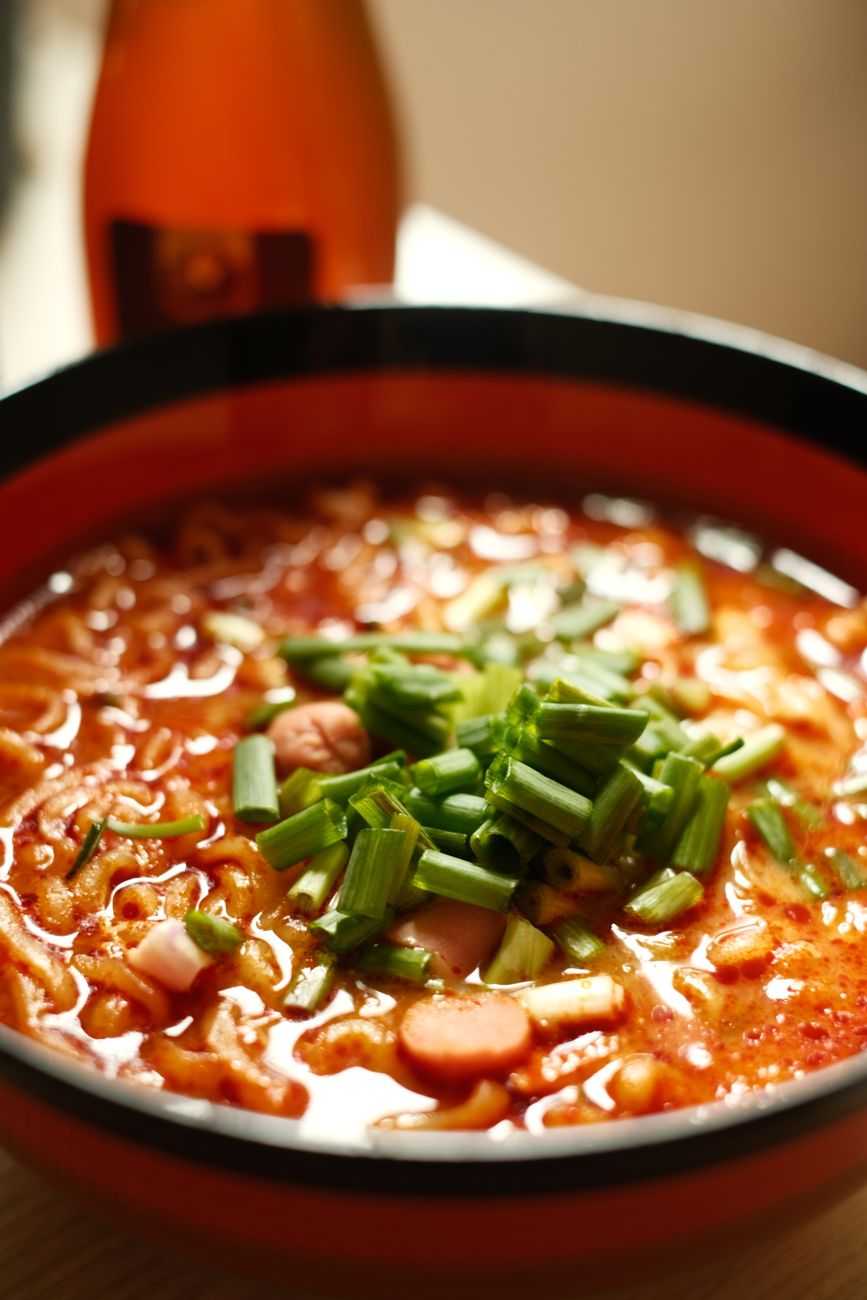
Japanese cooks have long used chili as an accent, but the current wave of spicy dishes—ramen, miso-based bowls, karaage—works because heat is layered with umami, fat, and salt. Learn how capsaicin behaves in oil versus broth, why rayu (chili oil) builds flavor rather than just fire, and how multiple applications of heat keep a dish craveable instead of numbing.
Comments
Reader discussion is shared across recipes, reviews, and editorial pieces.
Comments are read-only while member sign-in is paused.