
7 Pot Primo
Also known as: 7-pot primo, 7 pod primo, primo pepper
Bred by Troy 'Primo' Primeaux of Louisiana, the 7 Pot Primo is a cross between a Naga Morich and a Trinidad 7 Pot Yellow that produces an unmistakable elongated 'stinger tail' pod. It sits in the same heat tier as the Carolina Reaper but predates it as a serious superhot in the craft hot sauce world.
Scoville
1.4M–1.9M SHU
Heat
Superhot
Origin
north america
Species
C. chinense
Type
Superhot
Plant height
36–48 in
Heat profile
Superhot heat — 1.4M–1.9M SHU
Step milder
Carolina Reaper
1.4M–2.2M SHU
This pepper
7 Pot Primo
1.4M–1.9M SHU
Step hotter
Komodo Dragon
1.4M–2.2M SHU
Flavor profile
Sweet, slightly fruity entry that gives way to extreme sustained heat with a distinctive smoky finish.
The 7 Pot Primo arguably did more than any other pepper to establish that superhots could have flavor character, not just heat. Primeaux selected for both extreme capsaicin and the kind of fruit-and-smoke complexity that makes a pepper worth putting in a sauce instead of a challenge video. The distinctive stinger-tail pod is now widely imitated — many 'superhot' peppers sold commercially are unstable crosses that owe their look to Primo's work. For pepper hobbyists and serious sauce makers, this is one of the most respected cultivars in the world.
Color
Red
Did you know
Troy Primeaux is a jazz musician by trade — his pepper-breeding nickname 'Primo' comes from his stage name, not his last name. The 7 Pot Primo is named after him.
How to use it
- —Premium superhot hot sauces from craft producers
- —Dried and powdered for extreme spice blends
- —Fermented mash for long-aged superhot sauces
- —Small-quantity use in superhot Caribbean-style pepper sauces
Pairs well with
Substitutes
Can't find 7 pot primo? Try one of these.
Carolina Reaper
1:11.4M–2.2M SHU
Similar heat range and overall character. Carolina Reaper is fruitier; Primo is smokier. Largely interchangeable in superhot sauce recipes.
Trinidad Moruga Scorpion
1:11.2M–2.0M SHU
Same superhot tier with a similar fruit-driven flavor. Scorpion is rounder and more floral; Primo has more smoke depth.
How to grow it
Growing 7 pot primo at home
USDA zones
Perennial in 10–11, annual in 4–9 with greenhouse support
Germinate
20–35 days
To harvest
~140 days from transplant
Plant height
36–48 in
Sun
full sun
Water
moderate
Container
Container-friendly
Behaves like other chinense superhots — slow to germinate, slow to fruit, needs sustained heat and a long growing season. Distinctive stinger-tail pods are diagnostic; if your Primos look smooth and round, your seed is probably crossed. Plants are productive once established (20–30 pods is typical) and tolerate Louisiana-style humidity well.
Where to find it
Buying 7 pot primo
Fresh
Rare. Specialty pepper farms and online superhot vendors occasionally sell fresh in late season.
Dried
Dried whole pods and powder available online through specialty hot sauce shops and pepper companies.
Seasonality
Late season; fresh peak October–November in US growing.
Seed sources
- Puckerbutt Pepper Company
- Refining Fire Chiles
- Pepper Joe's
- Trinidad Scorpion Seed Co.
Authentic Primo seeds are widely available because Primeaux shared the cultivar openly — unlike Pepper X or some other modern superhots that are kept proprietary. This makes Primo one of the most accessible superhots for home growers.
History & origin
Where 7 pot primo comes from
Troy Primeaux crossed a Naga Morich with a Trinidad 7 Pot Yellow in the late 2000s, stabilized the line over several growing seasons, and released seeds to the craft pepper community by 2010. The pepper was briefly considered the world's hottest before Carolina Reaper certification in 2013. It remains one of the most respected superhots among growers and craft sauce makers, partly because Primeaux openly shared seeds and breeding notes instead of holding the cultivar proprietary.
Cook with it
Recipes that use 7 pot primo.

caribbean · medium
Oct 18, 2026Caribbean Scotch Bonnet Burger with Mango-Pepper Slaw
A handheld burger built on a toasted bun with a seared beef patty, charred scotch bonnet mayo, and a bright mango slaw that cools and complements the medium heat. 32 min · 0 saves.
american · reaper
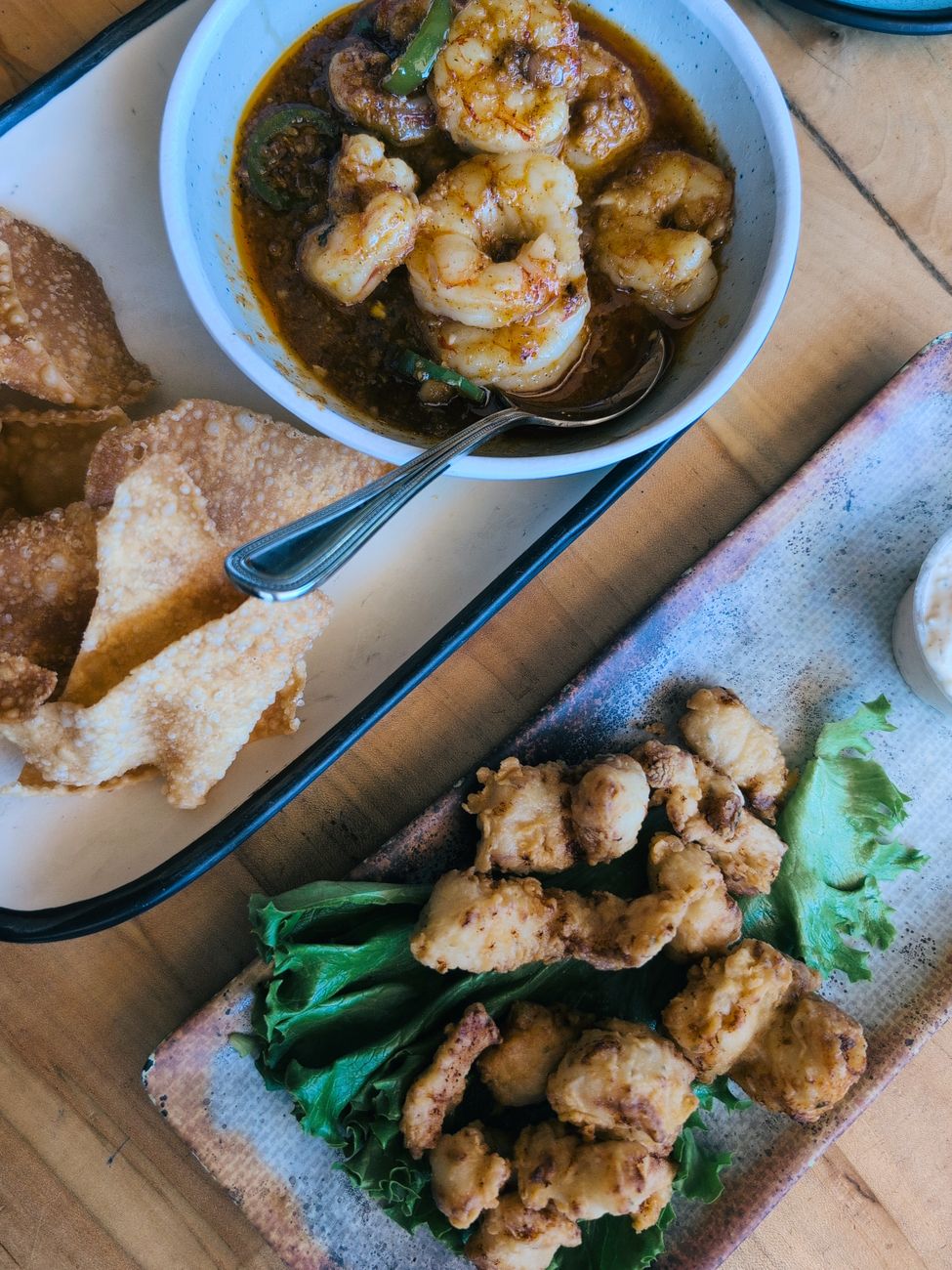
Oct 12, 2026Garlic Reaper Shrimp with Charred Scallions
Large shrimp seared until golden, tossed with Torchbearer Garlic Reaper sauce and finished with crispy garlic chips and charred scallion greens. The sauce clings to the shrimp without overwhelming the sweetness of the protein, and the heat builds steadily rather than hitting all at once. 20 min · 0 saves.
caribbean · reaper
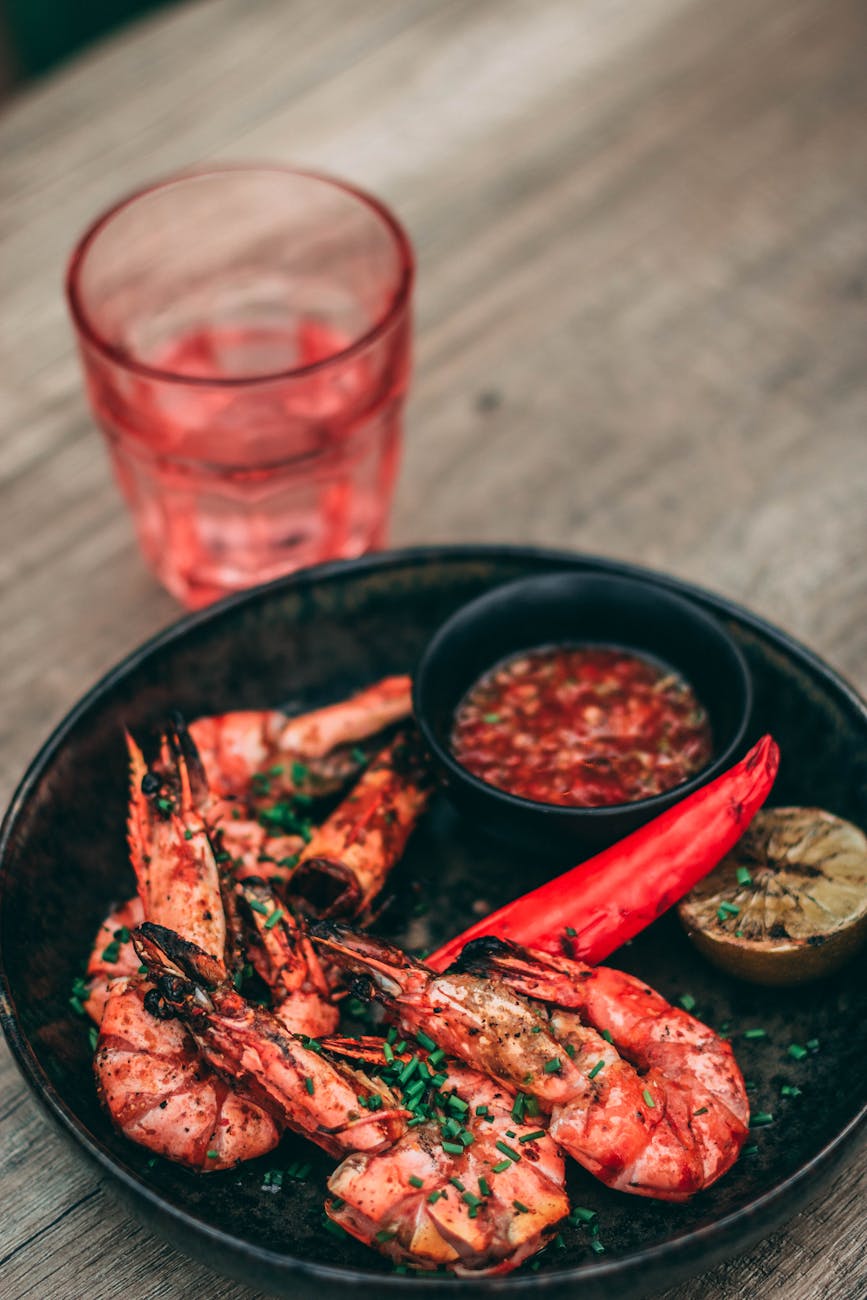
Oct 8, 2026Scotch Bonnet Shrimp with Lime and Coconut
Pan-seared shrimp in a fiery Scotch bonnet and coconut sauce with lime juice and garlic. This Caribbean dish balances extreme heat with tropical sweetness and seafood tenderness. Serves 4. 27 min · 0 saves.
Similar peppers
Other superhot peppers
Frequently asked
Common questions about 7 pot primo
What does '7 Pot' mean in the name?
Trinidadian folk shorthand — a pepper hot enough to season seven pots of stew with a single pod. The name predates Primo by decades; it's a category that includes 7 Pot Brain Strain, 7 Pot Douglah, 7 Pot Yellow, and other Trinidadian superhots. Primo crossed an existing 7 Pot Yellow with a Naga Morich to produce his cultivar.
Is 7 Pot Primo hotter than Carolina Reaper?
Roughly the same heat tier. 7 Pot Primo runs 1.4–1.85 million Scoville Heat Units; Carolina Reaper averages 1.64 million. Individual pods of each can hit the high end of the other's range. Both predate the current record holder, Pepper X.
Why does the 7 Pot Primo have a tail?
The elongated 'stinger tail' is the cultivar's signature, inherited from selective breeding. Most superhot pods are blocky or wrinkled-round; Primo's pod tapers into a thin, pointed stinger up to an inch long. The tail has no functional purpose — it's a visual signature.
What does 7 Pot Primo taste like?
Sweet and slightly fruity in the first second — riper than reaper, less floral than scorpion — followed by a building smoky character that comes from the Naga Morich parent. Then the capsaicin takes over. The smoky-fruit complexity is why craft hot sauce makers prefer Primo over straight-heat superhots.
Pantry examples
If you want to taste 7 pot primo in a bottle or pantry product
These are optional examples of how this pepper shows up in real products. The profile above stands on its own even if you never shop from this section.
Grow your own
Superhot Pepper Seed Pack
For readers who want the gardening pipeline behind their own sauce projects and fresh mash experiments.
View example ↗357k Scoville
Mad Dog 357 Ghost Pepper Hot Sauce
A cult-status ghost pepper sauce with serious collector appeal. Use it in drops for chili, soups, or challenge situations — not as a table pour.
View example ↗