science
Jambalaya, Étouffée, and Blackened Fish: Three Ways to Use Spice
See how jambalaya, étouffée, and blackened fish combine cayenne with rice, sauce, or a spice crust, and adjust each to your taste.
Share this
Pass it around
Send this page to a friend, copy the link, or save it to a Pinterest board.

Save for later
Pin this page
Save the image with a link back to this recipe, review, or article.
Jambalaya, Étouffée, and Blackened Fish: Three Ways to Use Spice
Jambalaya, étouffee, and blackened fish each build heat through different techniques rather than through raw pepper quantity. Understanding how each dish layers its spice makes it easier to reproduce that balance in your own kitchen.
Layered Heat in Jambalaya
Jambalaya builds heat in stages instead of delivering it all at once. The holy trinity—onions, bell peppers, and celery—sweats in fat while absorbing cayenne and paprika, giving a gentle background warmth. The andouille sausage adds its own smoky heat. A splash of hot sauce stirred in near the end brings a bright, vinegary finish that ties the dish together.
The rice matters too. As the grains cook in the spiced liquid, they absorb it fully, so each spoonful carries heat through the meal rather than concentrating it in one bite.
To build this at home, toast the rice in the rendered sausage fat before adding liquid—this step adds browned, toasted flavor to the grains. Using both cayenne (sharper, more immediate) and white pepper (rounder, slower to register) gives the dish more than one kind of heat.
Étouffee's Rich, Coating Heat
Crawfish étouffee adds another layer: shellfish bring a natural savoriness that balances and rounds out the heat, rather than letting it dominate. The sauce's thick, clinging texture means the spice coats each bite evenly instead of washing off the palate.
Don't rush the roux—more time on the stove means deeper color and more developed flavor for the spices to sit against. Blooming the cayenne directly in the hot roux, rather than stirring it in later, gives the pepper more time to release its flavor into the fat.
Charred Crust, Mild Center: Blackened Fish
Blackened fish works through contrast. A heavy spice blend of cayenne, white pepper, and paprika coats the fish before it hits screaming-hot cast iron, forming a dark, charred crust. Underneath, the fish itself stays moist and mild. That contrast between an intensely spiced, charred exterior and a gentle, flaky interior is the point of the dish.
The blackening process also adds its own flavor from the charred spices and browned surface, distinct from the raw spice blend alone. The sizzle and smoke from the hot pan are part of the dish's appeal before it even reaches the table.
Building Layered Heat at Home
A few practical principles carry across all three dishes:
Layer your heat sources: Mix peppers and spices that behave differently—some sharp and immediate, others slower and rounder. Don't rely on a single source of heat.
Build in contrast: Pair intense spice with something cooling or mild—a squeeze of citrus, a dollop of sour cream, or a mild starch like rice—so the dish doesn't read as one-note.
Don't skip the savory elements: Tomatoes, mushrooms, shellfish, and aged cheeses add depth that balances heat rather than fighting it.
The common thread in all three dishes is balance: the spice is built into the technique and the other ingredients rather than added as an afterthought, so it enhances the dish instead of overwhelming it.
Peppers featured in this post
Cook with this idea
Recipes to try next.
Put these ingredients and techniques to use in your next meal.
cajun · medium
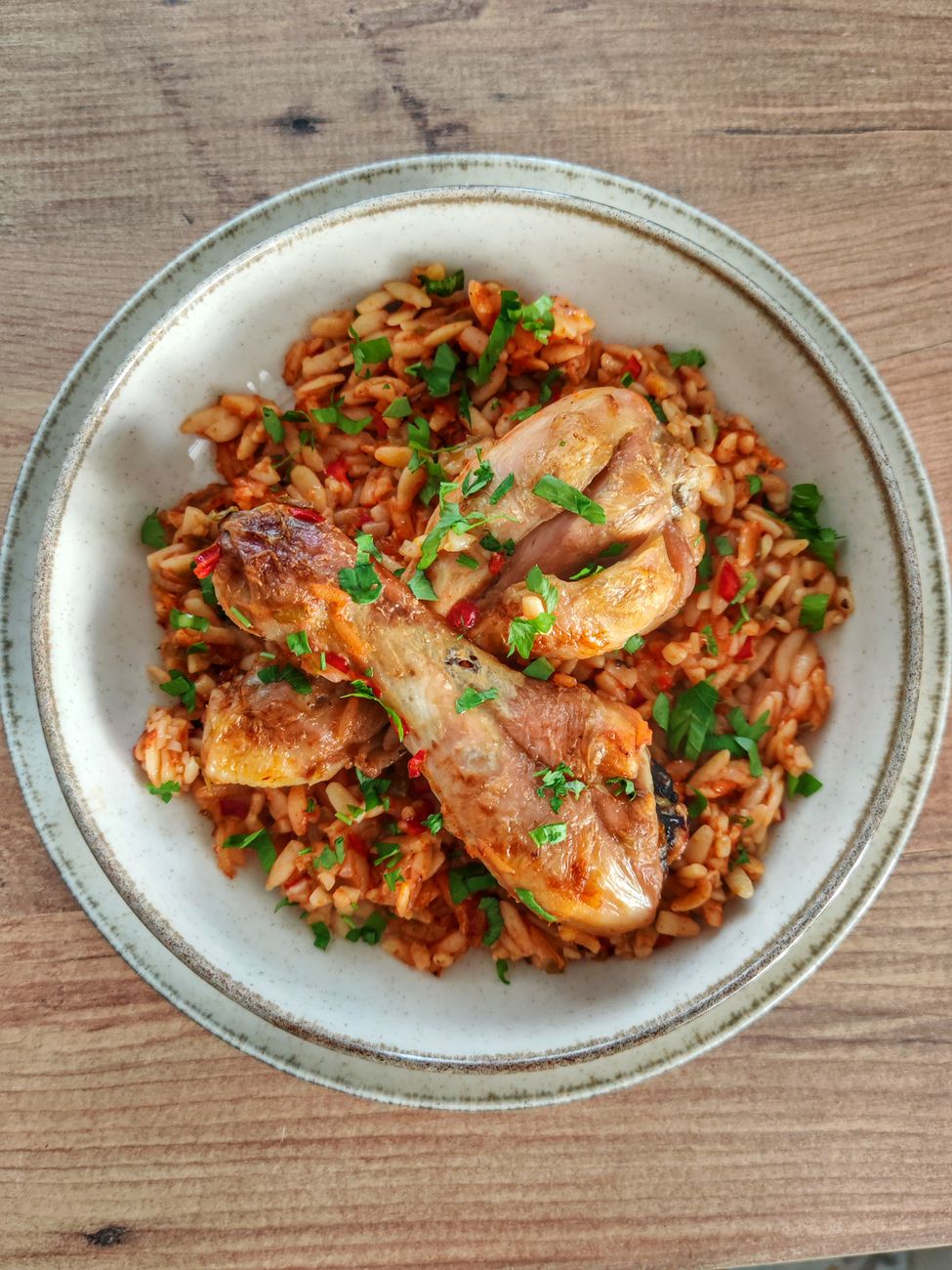
Oct 6, 2026Cajun Chicken and Sausage Rice Bowl with Creole Sauce
A one-bowl meal built on seasoned rice with andouille sausage, chicken thighs, and the trinity of onion, celery and bell pepper, finished with a medium-heat Creole sauce and fresh scallions. 55 min · 0 saves.
cajun · medium
May 29, 2026Cajun Shrimp and Sausage Skillet
Smoky andouille sausage and plump shrimp get tossed with bell peppers and onions in a well-seasoned cast iron pan, delivering authentic Cajun warmth without the fuss of a traditional jambalaya. 35 min · 0 saves.

cajun · medium
May 7, 2026Grilled Cajun Pork Shoulder with Charred Trinity
Smoke-kissed pork shoulder gets a generous coating of cayenne-forward Cajun spices, then slow-roasted on the grill alongside the holy trinity of onions, bell peppers, and celery until everything caramelizes into sweet, spicy perfection. 200 min · 0 saves.
Bottle picks
Related hot sauce reviews.
Explore sauces with related ingredients, flavors, and heat levels.
Fly By Jing Sichuan Gold Review
A citrusy, tingly sauce with real peppercorn presence and enough versatility to move beyond dumplings.
Best for dumplings
Best for: Eggs and breakfast tacos
Skip if: Skip if you want a thick, smoky wing sauce more than a bright finishing bottle.
Read review
Heatonist Los Calientes Rojo Review
Heatonist Los Calientes Rojo: flavor notes, heat level, and suggested food pairings.
Best for tacos
Best for: Tacos and rice bowls
Skip if: Skip if you are chasing a novelty-level heat hit or a super-special-occasion bottle.
Read review
Yellowbird Habanero Hot Sauce Review
A bright, carrot-forward bottle with enough heat to stay lively and enough sweetness to stay versatile.
Best for tacos
Best for: Tacos and rice bowls
Skip if: Skip if you want a classic vinegar-forward table sauce with almost no sweetness.
Read review
Go deeper
Background guides that build on this.
Keep reading
More on this subject.
If this post helped, these are the next pieces most likely to keep the thread going.
science
May 30, 2026Gumbo, Étouffée, and Cajun Seasoning Basics
Cayenne, roux, aromatics, and slow cooking shape Cajun dishes such as gumbo and étouffée. Learn how to season without losing the other flavors.
science
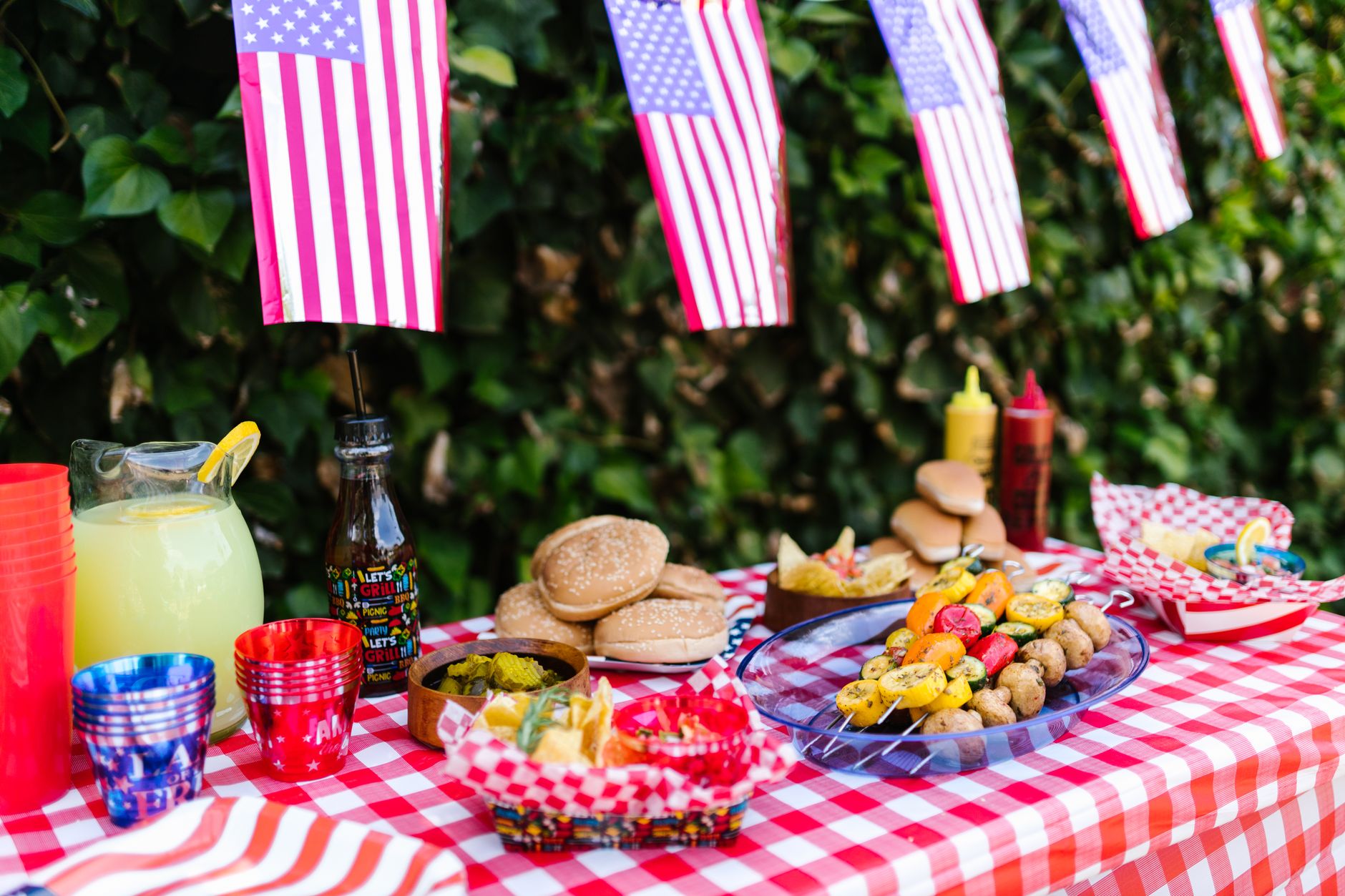
Oct 11, 2026Why American Spicy Food is Getting Bolder: Heat, Acid, and Umami Over Fire
American spicy cooking has shifted from pure heat toward layered flavor—fermented sauces, smoked peppers, and acid working together. These techniques make heat feel less aggressive and more useful at the table.
science
Oct 9, 2026Why Japanese Spicy Dishes Have Become Impossible to Put Down
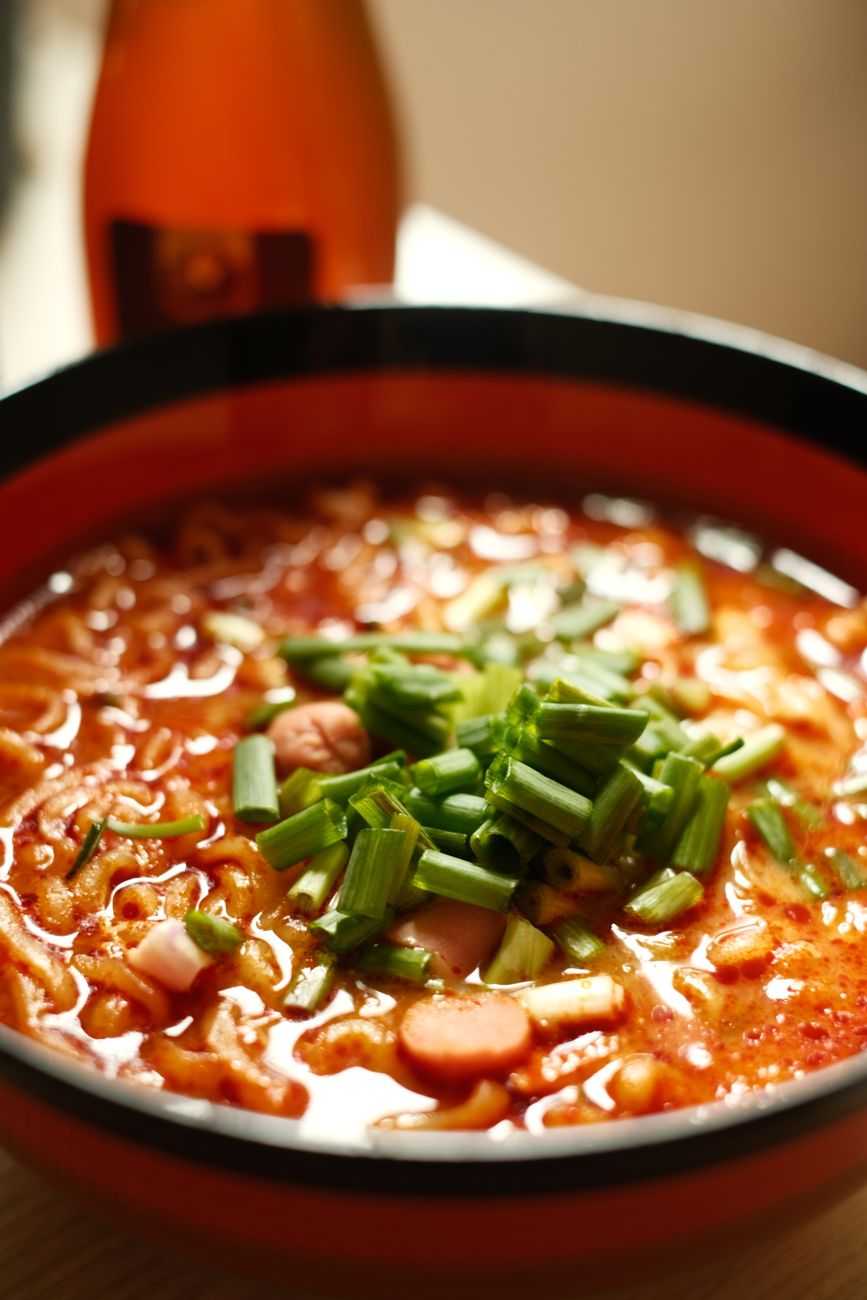
Japanese cooks have long used chili as an accent, but the current wave of spicy dishes—ramen, miso-based bowls, karaage—works because heat is layered with umami, fat, and salt. Learn how capsaicin behaves in oil versus broth, why rayu (chili oil) builds flavor rather than just fire, and how multiple applications of heat keep a dish craveable instead of numbing.
Comments
Reader discussion is shared across recipes, reviews, and editorial pieces.
Comments are read-only while member sign-in is paused.