
science
Gumbo, Étouffée, and Cajun Seasoning Basics
Cayenne, roux, aromatics, and slow cooking shape Cajun dishes such as gumbo and étouffée. Learn how to season without losing the other flavors.
Share this
Pass it around
Send this page to a friend, copy the link, or save it to a Pinterest board.

Save for later
Pin this page
Save the image with a link back to this recipe, review, or article.
Gumbo, Étouffée, and Cajun Seasoning Basics
A good bowl of crawfish étouffee doesn't hit you with heat right away. It builds slowly, spoonful by spoonful, until you notice you've cleaned the bowl. That's not an accident—it's how the dish is built.
Cajun cooking has a long tradition of using fat, salt, and moderate peppers together so the heat supports the other flavors instead of drowning them out. Understanding how that balance works can help explain why dishes like gumbo and jambalaya show up on so many tables, generation after generation.
How the Heat Gets Built In
Cajun cooks don't usually reach for the hottest pepper available. Instead, cayenne is often bloomed directly in the roux—cooked briefly in fat before the liquid goes in. This step lets the pepper's flavor spread through the fat rather than sitting on top of the dish as a separate, sharp note.
Traditional Cajun peppers—cayenne mainly, with jalapeños and serranos in some recipes—sit in a moderate heat range, roughly 30,000 to 50,000 Scoville heat units. That's noticeable heat, but not so intense that it overwhelms the other ingredients in a gumbo or étouffee.
Fat, Salt, and Smart Heat
Boudin is a good example. The pork fat in the sausage carries the spice gradually across your palate while coating your mouth enough to let you taste everything else going on—rice, liver, seasoning. Salt sharpens all of it.
Crawfish étouffee leans on a butter-heavy roux that carries both the cayenne and the concentrated crawfish flavor. The shellfish itself contributes natural glutamates, which add savory depth, and the rice underneath soaks up the spiced butter so the flavor carries through the whole plate.
Shrimp and grits follows a similar logic: the corn grits slow down how fast you taste the heat, butter and cheese add the fat that carries the spice, and the shrimp brings both protein and natural umami to the dish.
Why This Heat Feels Familiar
Cajun cuisine developed as working food, meant to be filling and satisfying for people doing physical labor. That practical history shaped how the heat is used: not to show off, but to make the main ingredients taste more like themselves.
Crawfish bisque may be the clearest example of the whole approach: shellfish stock deepens the savory flavor, and the roux spreads the heat evenly enough that you may not notice how much spice is actually in the bowl.
Why These Flavors Travel Well
Cajun-inspired dishes have spread well beyond Louisiana kitchens, partly because they offer complexity without demanding a high spice tolerance. Crawfish mac and cheese is a common example: it layers familiar comfort food (pasta, cheese) with a smaller dose of novelty (crawfish, Cajun seasoning), and the cheese moderates the heat so it stays approachable.
Restaurants that serve these dishes well tend to build repeat customers, because the combination of familiar comfort and moderate, well-integrated heat holds up over multiple visits.
The throughline in all of these dishes is that the heat is built to be predictable and balanced rather than sudden or overwhelming—an approach Cajun cooks refined long before it had a name.
Bringing This Home to Your Kitchen
If you're cooking Cajun dishes at home, focus on how the heat is integrated rather than how much you're adding. Bloom your cayenne in oil or in the roux before adding liquid. Make sure there's enough fat in the dish to carry the spice evenly. Give the dish time to come together—rushed heat sits on top of a dish instead of moving through it.
The goal isn't to prove how much heat you can handle. It's a plate that people want to come back to, built the way Cajun cooks have been building it for a long time.
Peppers featured in this post
Cook with this idea
Recipes to try next.
Put these ingredients and techniques to use in your next meal.
cajun · medium
Oct 6, 2026Cajun Chicken and Sausage Rice Bowl with Creole Sauce
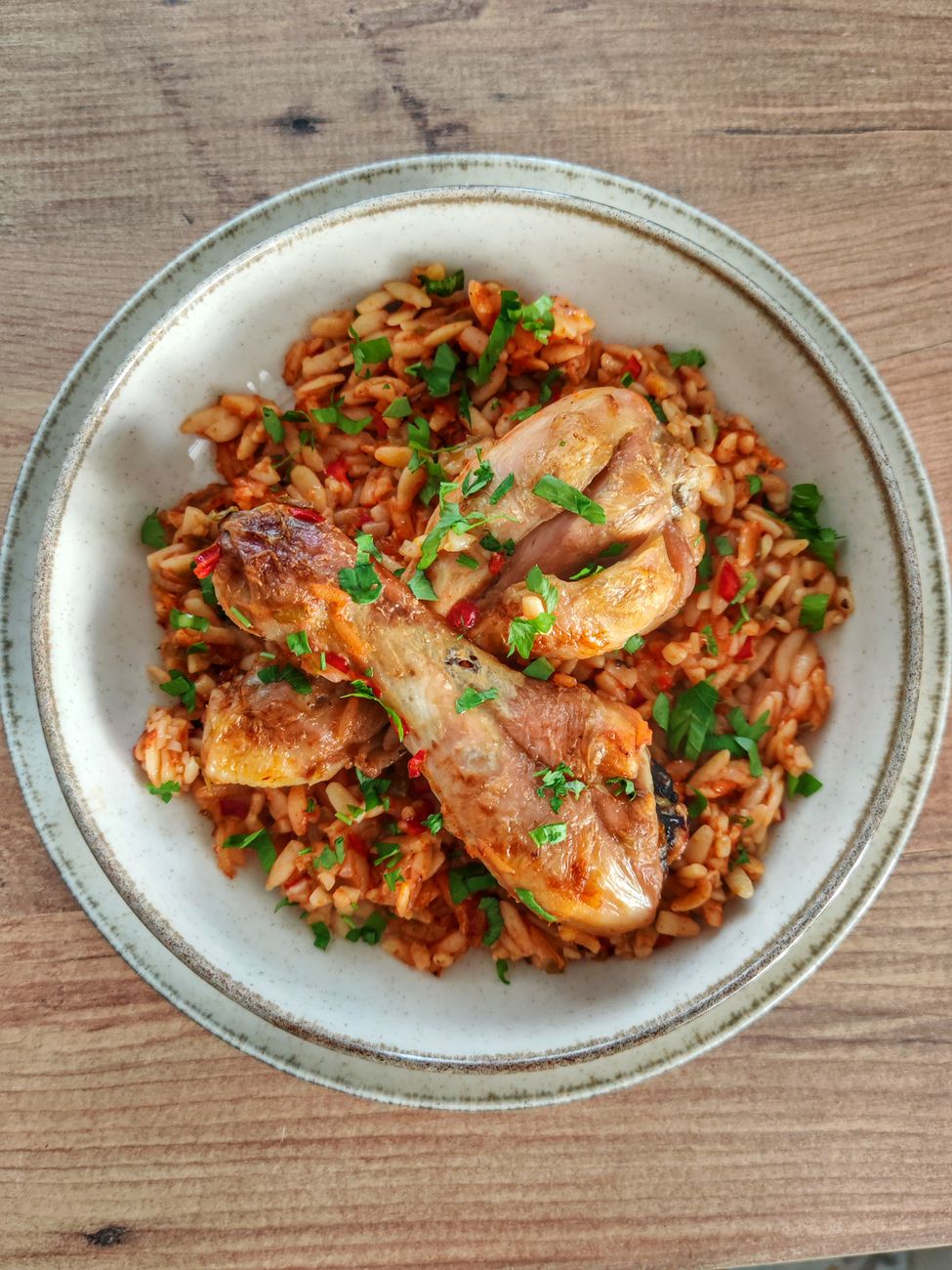
A one-bowl meal built on seasoned rice with andouille sausage, chicken thighs, and the trinity of onion, celery and bell pepper, finished with a medium-heat Creole sauce and fresh scallions. 55 min · 0 saves.
cajun · medium
May 29, 2026Cajun Shrimp and Sausage Skillet
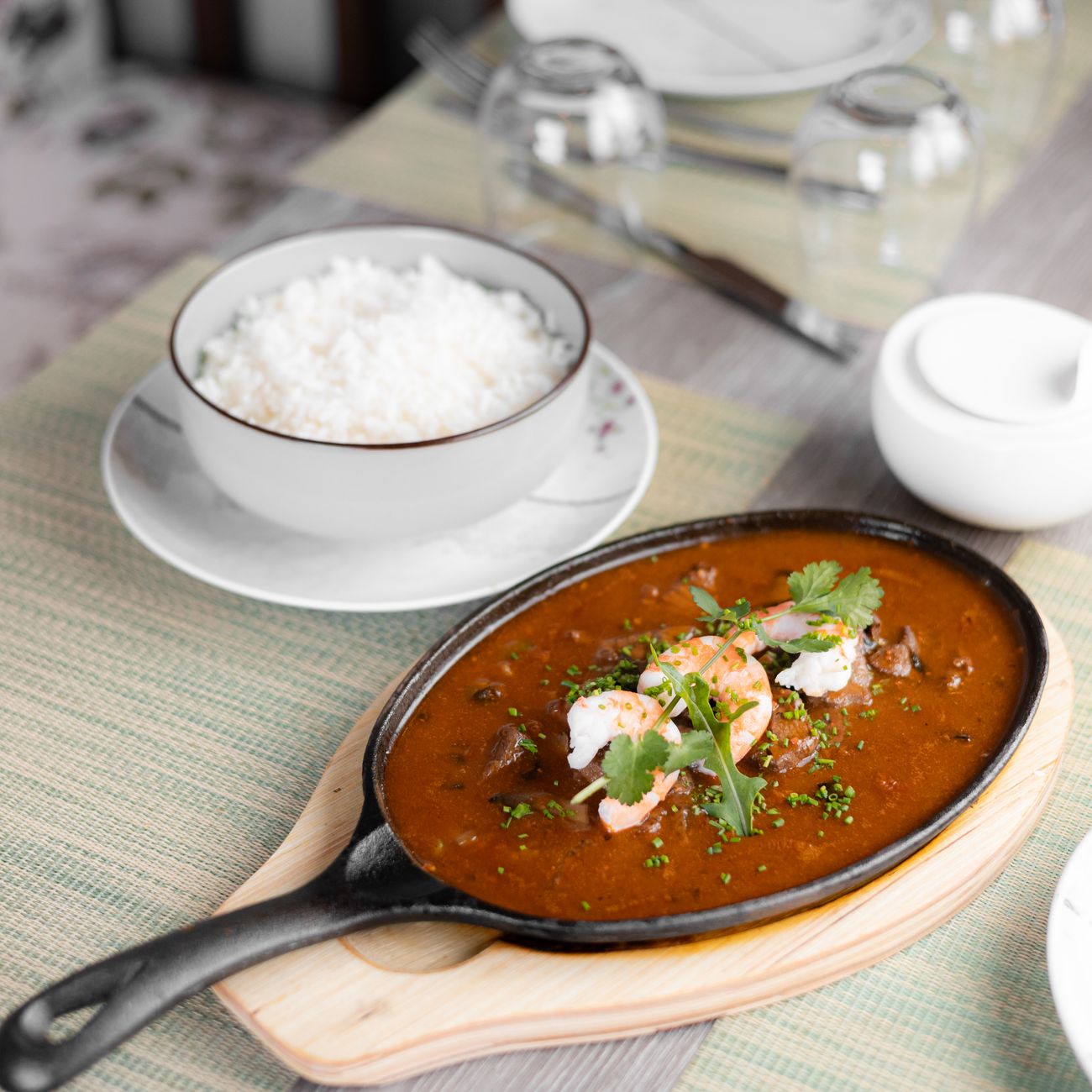
Smoky andouille sausage and plump shrimp get tossed with bell peppers and onions in a well-seasoned cast iron pan, delivering authentic Cajun warmth without the fuss of a traditional jambalaya. 35 min · 0 saves.

cajun · medium
May 7, 2026Grilled Cajun Pork Shoulder with Charred Trinity
Smoke-kissed pork shoulder gets a generous coating of cayenne-forward Cajun spices, then slow-roasted on the grill alongside the holy trinity of onions, bell peppers, and celery until everything caramelizes into sweet, spicy perfection. 200 min · 0 saves.
Bottle picks
Related hot sauce reviews.
Explore sauces with related ingredients, flavors, and heat levels.
Fly By Jing Sichuan Gold Review
A citrusy, tingly sauce with real peppercorn presence and enough versatility to move beyond dumplings.
Best for dumplings
Best for: Eggs and breakfast tacos
Skip if: Skip if you want a thick, smoky wing sauce more than a bright finishing bottle.
Read review
Heatonist Los Calientes Rojo Review
Heatonist Los Calientes Rojo: flavor notes, heat level, and suggested food pairings.
Best for tacos
Best for: Tacos and rice bowls
Skip if: Skip if you are chasing a novelty-level heat hit or a super-special-occasion bottle.
Read review
Fuego Box Monthly Subscription Review
A reliable discovery box for people who want more than supermarket sauces without going full novelty heat gimmick.
Best for gifting
Best for: Sauce subscription
Skip if: Skip if you need one exact everyday bottle instead of a discovery-style gift.
Read review
Go deeper
Background guides that build on this.
Keep reading
More on this subject.
If this post helped, these are the next pieces most likely to keep the thread going.
science
Apr 11, 2026Jambalaya, Étouffée, and Blackened Fish: Three Ways to Use Spice
See how jambalaya, étouffée, and blackened fish combine cayenne with rice, sauce, or a spice crust, and adjust each to your taste.

science
Oct 11, 2026Why American Spicy Food is Getting Bolder: Heat, Acid, and Umami Over Fire
American spicy cooking has shifted from pure heat toward layered flavor—fermented sauces, smoked peppers, and acid working together. These techniques make heat feel less aggressive and more useful at the table.
science
Oct 9, 2026Why Japanese Spicy Dishes Have Become Impossible to Put Down
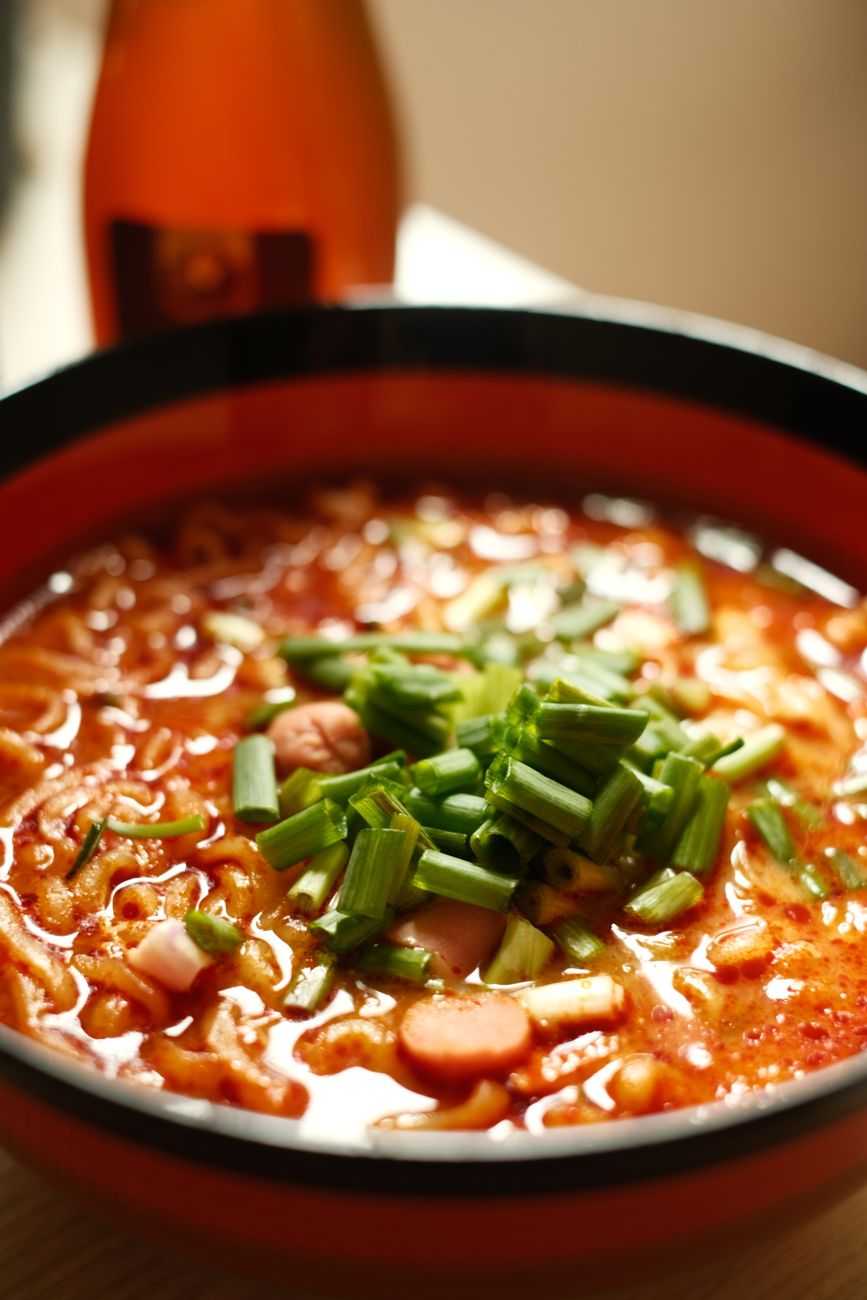
Japanese cooks have long used chili as an accent, but the current wave of spicy dishes—ramen, miso-based bowls, karaage—works because heat is layered with umami, fat, and salt. Learn how capsaicin behaves in oil versus broth, why rayu (chili oil) builds flavor rather than just fire, and how multiple applications of heat keep a dish craveable instead of numbing.
Comments
Reader discussion is shared across recipes, reviews, and editorial pieces.
Comments are read-only while member sign-in is paused.