
science
Pepper Soup, Suya, and Ethiopian Berbere: Different African Seasonings
Compare West African pepper soup and suya with Ethiopian berbere preparations, keeping their different regional traditions in view.

Share this
Pass it around
Send this page to a friend, copy the link, or save it to a Pinterest board.

Save for later
Pin this page
Save the image with a link back to this recipe, review, or article.
West African cooking often builds heat in layers rather than relying on a single fiery ingredient. Pepper soups, berbere-spiced stews, and suya spice rubs each combine multiple peppers and aromatics so the heat develops across a dish instead of arriving all at once.
This layering means different peppers and spices play different roles in the same pot—some for straightforward chili heat, others for warmth, numbing, or aromatic lift—so the finished dish carries more than one kind of heat at a time.
Why Pepper Soup Becomes an Obsession
Pepper soup layers several types of heat rather than leaning on one pepper. Nigerian versions are often fragrant with uda seeds; Ghanaian pepper soup gets brightness from grains of paradise.
Scotch bonnets bring familiar chili heat, and they're often paired with long pepper for a different kind of warmth and aromatic spices like cubeb pepper that add scent without much added heat. Combining them means the soup carries more than one flavor of heat at once instead of a single note.
Serving the soup hot also matters. A hot broth spreads the pepper's heat through each spoonful rather than concentrating it in one bite, so the warmth feels distributed across the meal rather than sitting in one place.
How Berbere Creates the Perfect Slow Burn
Ethiopian berbere is a spice blend, not just a chili. It combines dried chilies—usually a mix of hot cayenne-type peppers and milder paprika—with aromatics like cardamom, coriander, and fenugreek.
The chilies supply the heat; the other spices add their own flavor alongside it, so the blend reads as warm and aromatic rather than simply hot.
That balance is part of why a dish like doro wat or misir wot, both built on a heavy dose of berbere, can carry real heat without tasting like heat alone—the spice mix keeps other flavors present throughout the dish.
Ethiopian stews are also typically simmered slowly, which gives the spices time to soften and blend into the sauce rather than sitting on top of it as a separate layer.
Suya Spice: The Art of Dry Heat Done Right
Nigerian suya spice takes a different approach entirely—no broth or sauce, just a peanut-based dry rub.
The rub itself combines ground dried peppers for heat with ginger and cloves for warmth and aromatic depth.
Grilling adds another layer: the direct heat caramelizes sugars in the peanut coating and toasts the ground spices, building a smoky, roasted flavor around the chili heat.
Because the rub is coarsely ground, each bite varies—sometimes mostly chili, sometimes mostly peanut—so the heat and flavor shift from one bite to the next rather than staying constant.
Why This Approach Works So Well
These layered approaches to heat come out of cooking traditions where spice was built into everyday meals rather than saved for occasional heat-eating contests.
Communal dining likely shaped some of this too: when a dish is shared from one pot, a heat profile that builds gradually and combines with other flavors works better across a range of tolerances than a single blast of chili.
Across pepper soup, berbere stews, and suya, the common thread is heat layered with other flavors—warming spices, fat, slow cooking—rather than heat used on its own.
Peppers featured in this post
Cook with this idea
Recipes to try next.
Put these ingredients and techniques to use in your next meal.

west_african · medium
May 21, 2026Grilled Senegalese Chicken with Yassa Marinade
Juicy chicken thighs swimming in a golden marinade of caramelized onions, bright mustard, and just enough chile heat to make you reach for seconds. 65 min · 0 saves.
west_african · mild
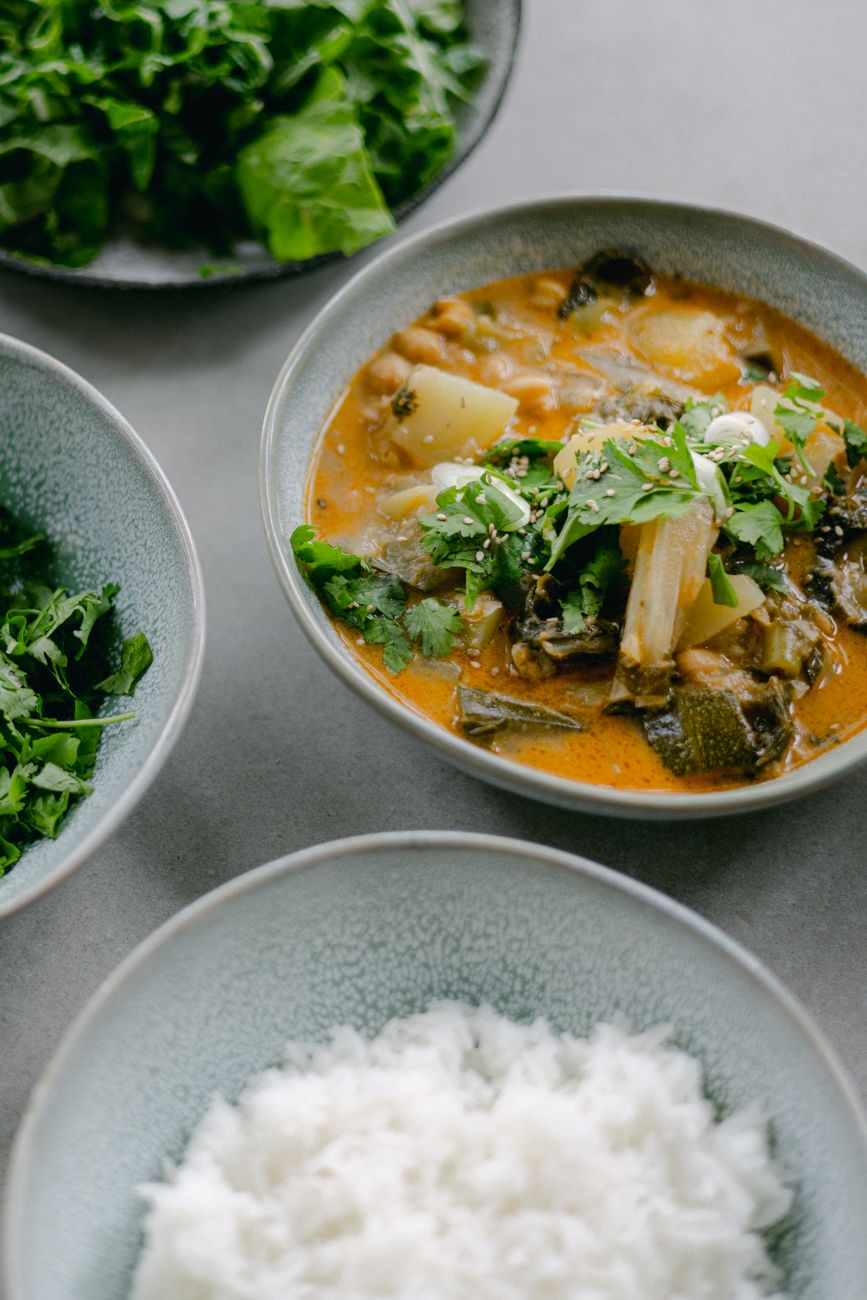
May 14, 2026Groundnut Stew with Sweet Potatoes and Greens
A rich, warming West African stew built on peanut butter, tomatoes, and aromatic spices, with tender sweet potatoes and hearty greens providing substance. 55 min · 0 saves.
west_african · mild
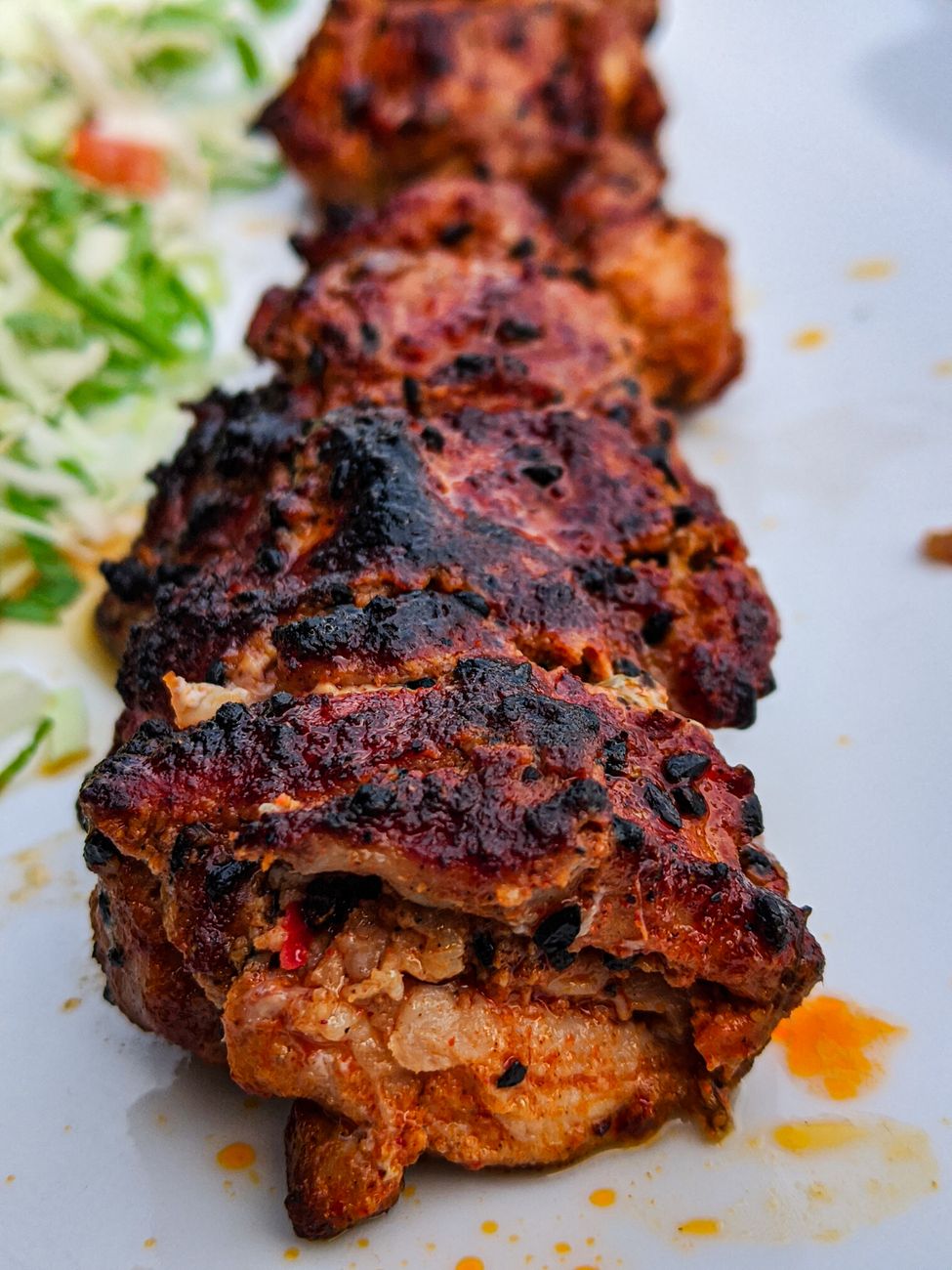
May 10, 2026Grilled West African Suya-Style Chicken with Yaji Spice
Juicy chicken pieces kissed by flame and coated in yaji—a fragrant West African spice blend that marries roasted peanuts with gentle chilies and warming ginger for a dish that's approachable yet deeply flavorful. 35 min · 0 saves.
Bottle picks
Related hot sauce reviews.
Explore sauces with related ingredients, flavors, and heat levels.
Fly By Jing Sichuan Gold Review
A citrusy, tingly sauce with real peppercorn presence and enough versatility to move beyond dumplings.
Best for dumplings
Best for: Eggs and breakfast tacos
Skip if: Skip if you want a thick, smoky wing sauce more than a bright finishing bottle.
Read review
Queen Majesty Scotch Bonnet and Ginger Review
A bright, elegant sauce that leans on fruit, ginger, and Scotch bonnet lift instead of brute force.
Best for seafood
Best for: Seafood and fish tacos
Skip if: Skip if you want a thick, smoky wing sauce more than a bright finishing bottle.
Read review
Heatonist Los Calientes Rojo Review
Heatonist Los Calientes Rojo: flavor notes, heat level, and suggested food pairings.
Best for tacos
Best for: Tacos and rice bowls
Skip if: Skip if you are chasing a novelty-level heat hit or a super-special-occasion bottle.
Read review
Go deeper
Background guides that build on this.
Keep reading
More on this subject.
If this post helped, these are the next pieces most likely to keep the thread going.
science
Jun 13, 2026Jollof Rice, Suya, and Pepper Soup: West African Seasonings
Jollof rice, suya, and pepper soup use peppers alongside peanuts, aromatics, and other seasonings. Compare what each ingredient contributes.
science
Apr 15, 2026West African Peppers, Fermented Seasonings, and Aromatics
A closer look at peppers, grains of paradise, fermented seasonings, and the regional differences within West African cooking.
science
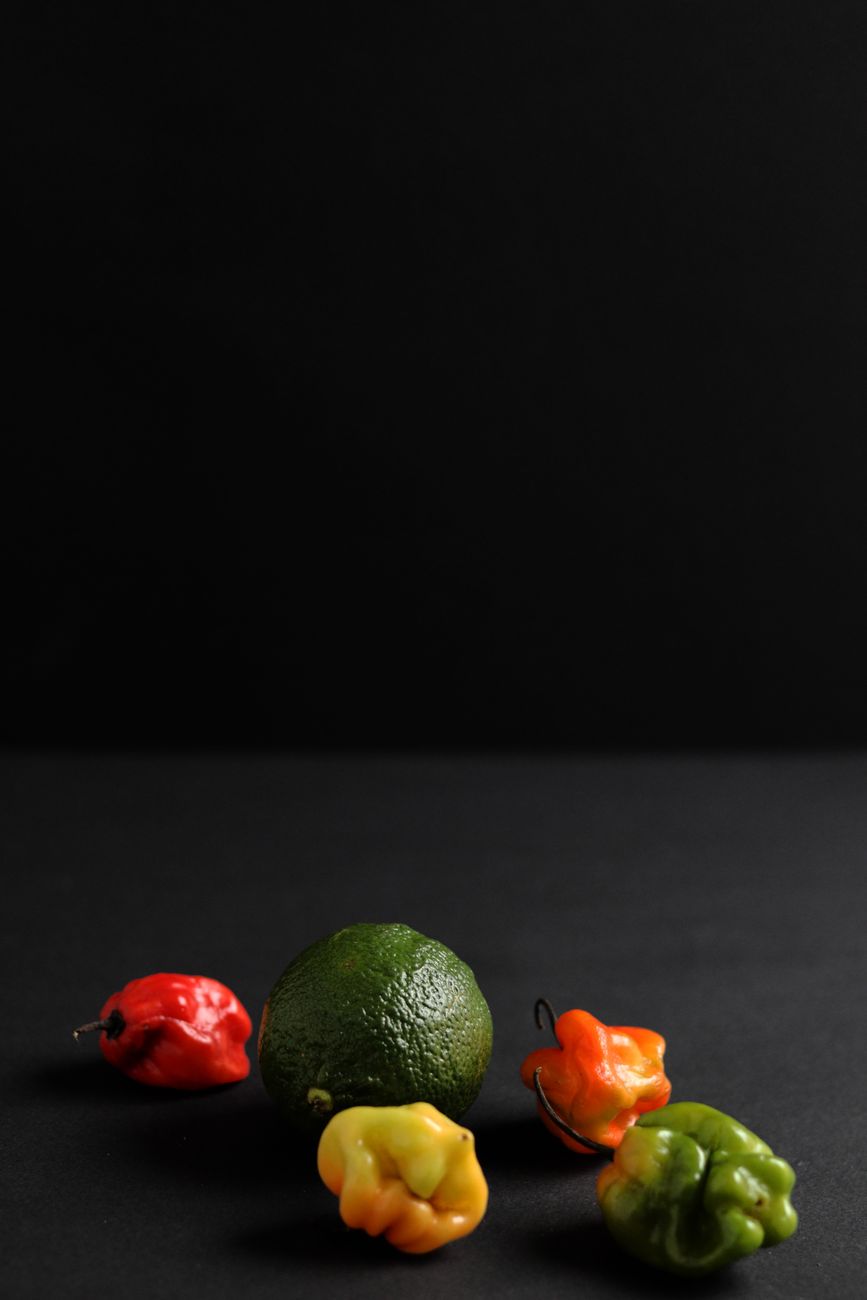
Sep 8, 2026Why Caribbean Heat Works: The Science Behind Spice That Keeps You Coming Back
Caribbean spicy dishes balance heat with acid, sweetness, and aromatics in ways that create depth rather than just fire. Learn how peppers like Scotch bonnets and habaneros work in jerk marinades, hot sauces, and braises—and how understanding this balance lets you adjust heat to your palate without losing flavor.
Comments
Reader discussion is shared across recipes, reviews, and editorial pieces.
Comments are read-only while member sign-in is paused.