
science
Nduja, Peperoncino, and Spicy Italian Pasta Sauces
Learn how nduja, dried peperoncino, tomato, and olive oil season Italian pasta dishes, from amatriciana to arrabbiata.
Share this
Pass it around
Send this page to a friend, copy the link, or save it to a Pinterest board.

Save for later
Pin this page
Save the image with a link back to this recipe, review, or article.
Italian cuisine has long paired heat with rich, savory ingredients, and several regional dishes built around chili peppers remain popular kitchen staples. Italian cooks don't just add heat for its own sake—they build it into balanced flavor systems alongside fat, acid, and salt.
Cooking with Nduja
Nduja, the spreadable Calabrian salami made with hot peppers, shows this principle clearly. Its generous fat content changes how the heat comes across on the palate.
The spreadable texture matters too. Unlike discrete pepper pieces that make each bite unpredictable, nduja melts evenly into pasta water, across pizza dough, or into braising liquids, so the heat is distributed consistently.
Amatriciana's Heat and Seasoning: Acid, Pork, and Peperoncino
Classic amatriciana already balances guanciale's richness, tomato's brightness, and pecorino's salt. Adding peperoncino to this mix brings the existing flavors forward rather than covering them: the guanciale still tastes porky, the tomatoes still carry their acidity, and the cheese's salt is still distinct.
Chili flakes can be cooked with the sauce or added near the end; start with a small amount and adjust to taste.
A Simple Arrabbiata Sauce
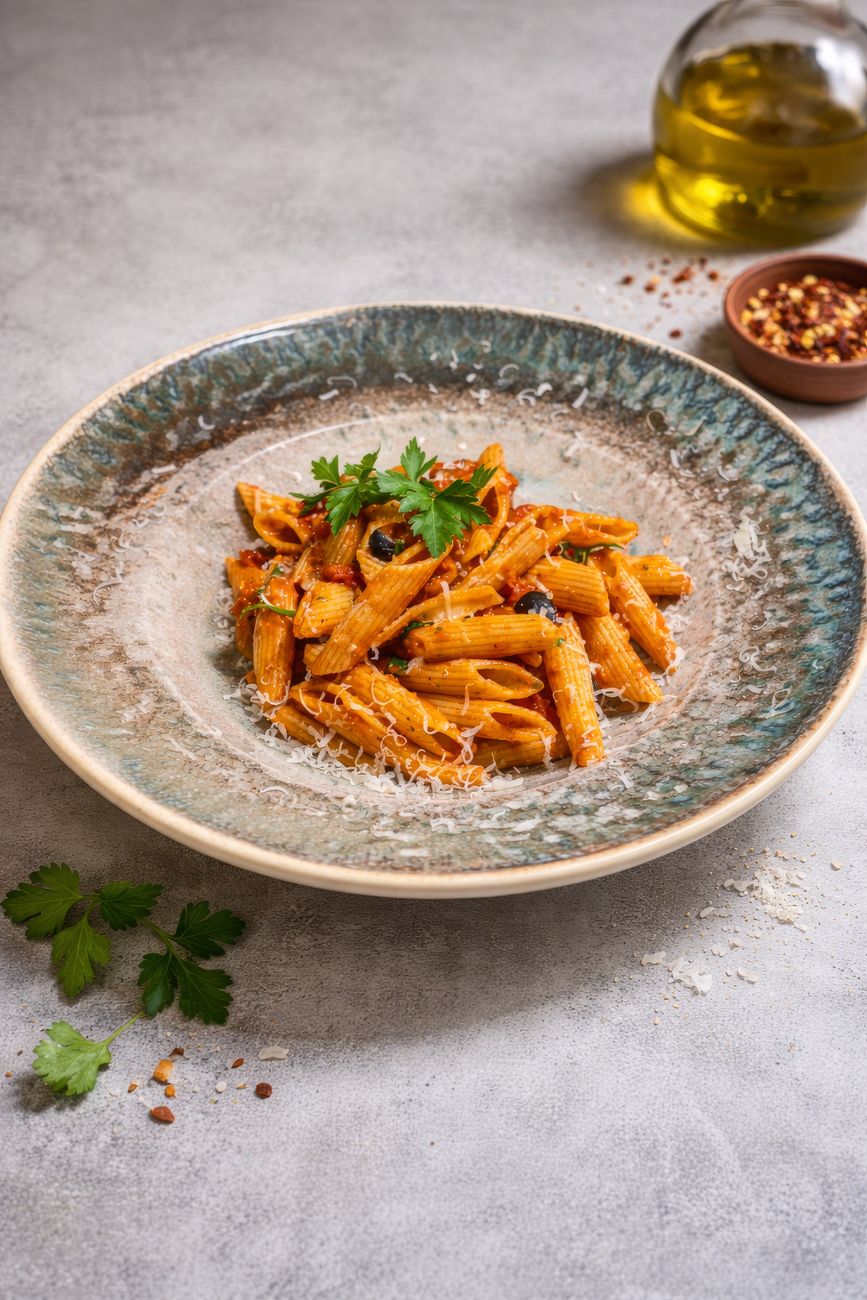
Arrabbiata combines tomato, garlic, olive oil, and chili. Cook the garlic and chili gently in the oil, taking care not to burn them, before adding the tomatoes.
Regional Variations: How Geography Shapes Spicy Italian Cooking
Different regions of Italy take distinct approaches to spice, shaped by local peppers and traditional cooking fats.
Calabria builds its spicy cuisine around Calabrian chilies, which deliver intense initial heat followed by a lingering warmth. Combined with the region's pork fat and aged cheeses, this produces dishes with heat that builds gradually.
Abruzzo favors dried peperoncino flakes in olive oil-based sauces, producing brighter, more acidic heat that suits the region's seafood and vegetable dishes.
These regional differences come down to which peppers and fats are traditionally used, which is part of why people often develop a strong preference for one region's style of heat over another.
The Umami-Heat Connection
What makes many Italian spicy dishes work is the pairing of heat with umami-rich ingredients. Aged cheeses, cured meats, tomatoes, and anchovies all bring savory depth that stands up well alongside chili heat.
This pairing is part of why an intensely spicy puttanesca—loaded with anchovies, capers, and olives—can carry real heat while still tasting balanced rather than simply hot.
This is part of why spicy Italian dishes have such broad appeal. The heat is built to support the overall flavor rather than dominate it, which makes these dishes work for both people who want real heat and those who prefer it in the background.
Peppers featured in this post
Cook with this idea
Recipes to try next.
Put these ingredients and techniques to use in your next meal.
italian · medium
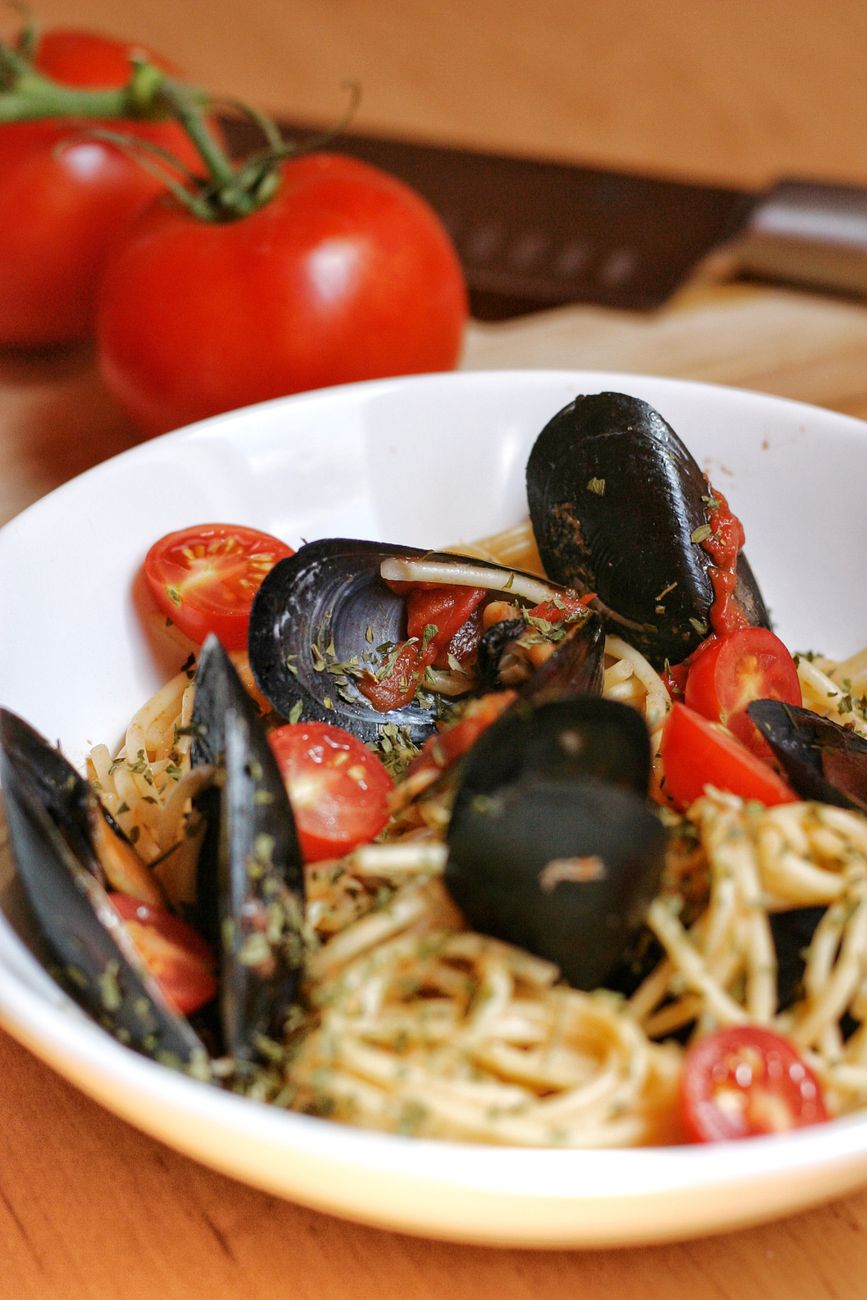
Jun 10, 2026Spaghetti all'Arrabbiata with Mussels
Fresh mussels tossed with spicy arrabbiata sauce and spaghetti for a fiery Roman-style seafood pasta that balances briny sweetness with cayenne heat. 35 min · 0 saves.

italian · medium
Mar 25, 2026Calabrian Chili Vodka Rigatoni
Creamy rigatoni with tomato depth, Calabrian chile fruitiness, and enough heat to keep it from tasting too plush. 35 min · 477 saves.
italian · hot
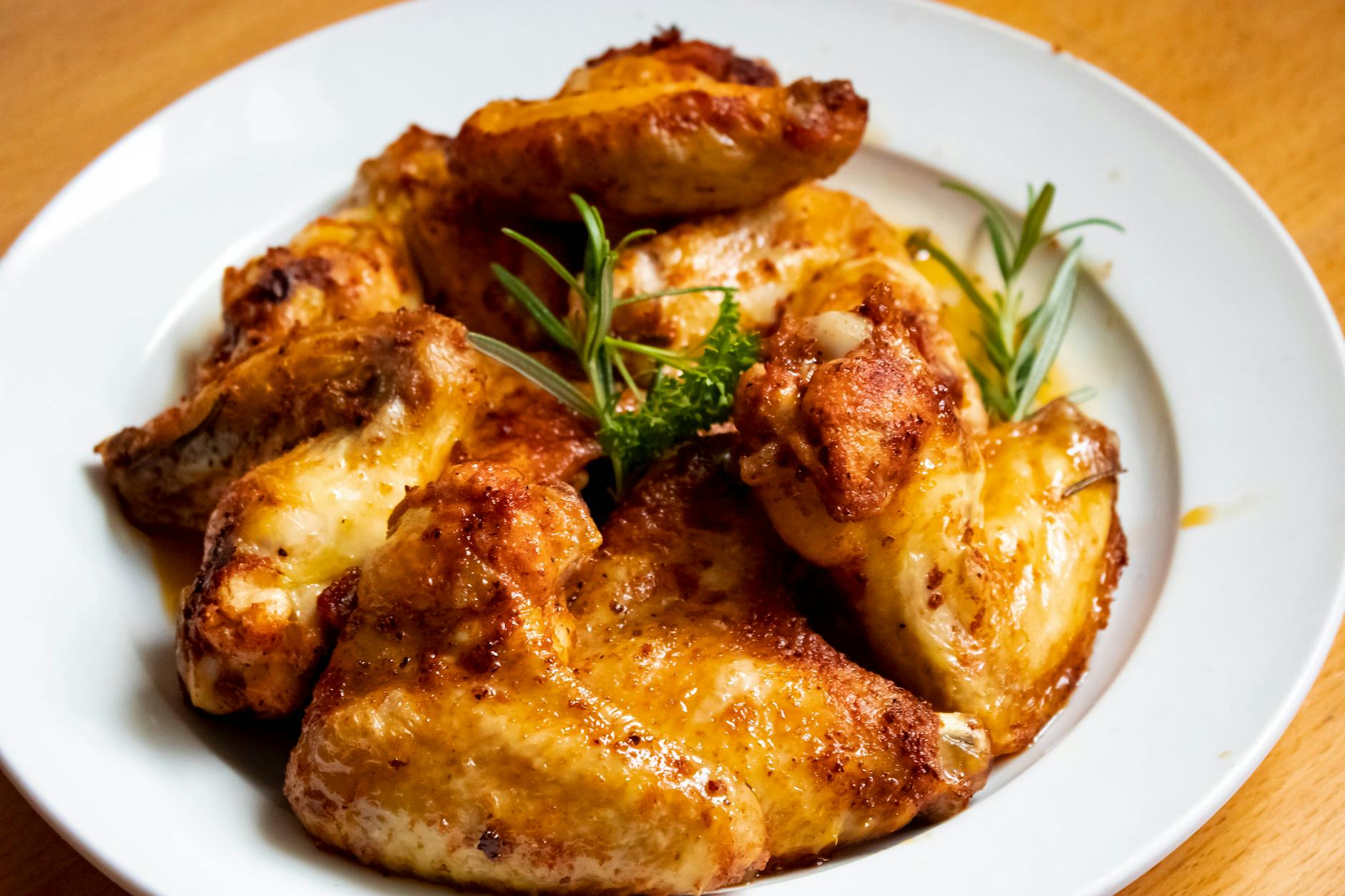
May 15, 2026Calabrian Chile Wings with Spicy Honey Glaze
Chicken wings tossed in a fiery Calabrian chile paste and finished with hot honey for the kind of heat that builds beautifully with each bite. 60 min · 0 saves.
Bottle picks
Related hot sauce reviews.
Explore sauces with related ingredients, flavors, and heat levels.
Fly By Jing Sichuan Gold Review
A citrusy, tingly sauce with real peppercorn presence and enough versatility to move beyond dumplings.
Best for dumplings
Best for: Eggs and breakfast tacos
Skip if: Skip if you want a thick, smoky wing sauce more than a bright finishing bottle.
Read review
Heatonist Los Calientes Rojo Review
Heatonist Los Calientes Rojo: flavor notes, heat level, and suggested food pairings.
Best for tacos
Best for: Tacos and rice bowls
Skip if: Skip if you are chasing a novelty-level heat hit or a super-special-occasion bottle.
Read review
Yellowbird Habanero Hot Sauce Review
A bright, carrot-forward bottle with enough heat to stay lively and enough sweetness to stay versatile.
Best for tacos
Best for: Tacos and rice bowls
Skip if: Skip if you want a classic vinegar-forward table sauce with almost no sweetness.
Read review
Go deeper
Background guides that build on this.
Keep reading
More on this subject.
If this post helped, these are the next pieces most likely to keep the thread going.

science
Oct 6, 2026Why Spicy Italian Cooking is Becoming Harder to Ignore
Southern Italian cooks have always used peperoncini as a core seasoning, not a novelty. Here's how heat works in regional Italian cooking, why it's becoming more visible, and how to use dried peppers to sharpen flavor rather than overwhelm it.

science
Jun 7, 2026Nduja and Calabrian Chile Oil: Texture and Cooking Uses
Learn about the texture and culinary uses of nduja and Calabrian chile oil, from spreading on bread to seasoning pasta.
science
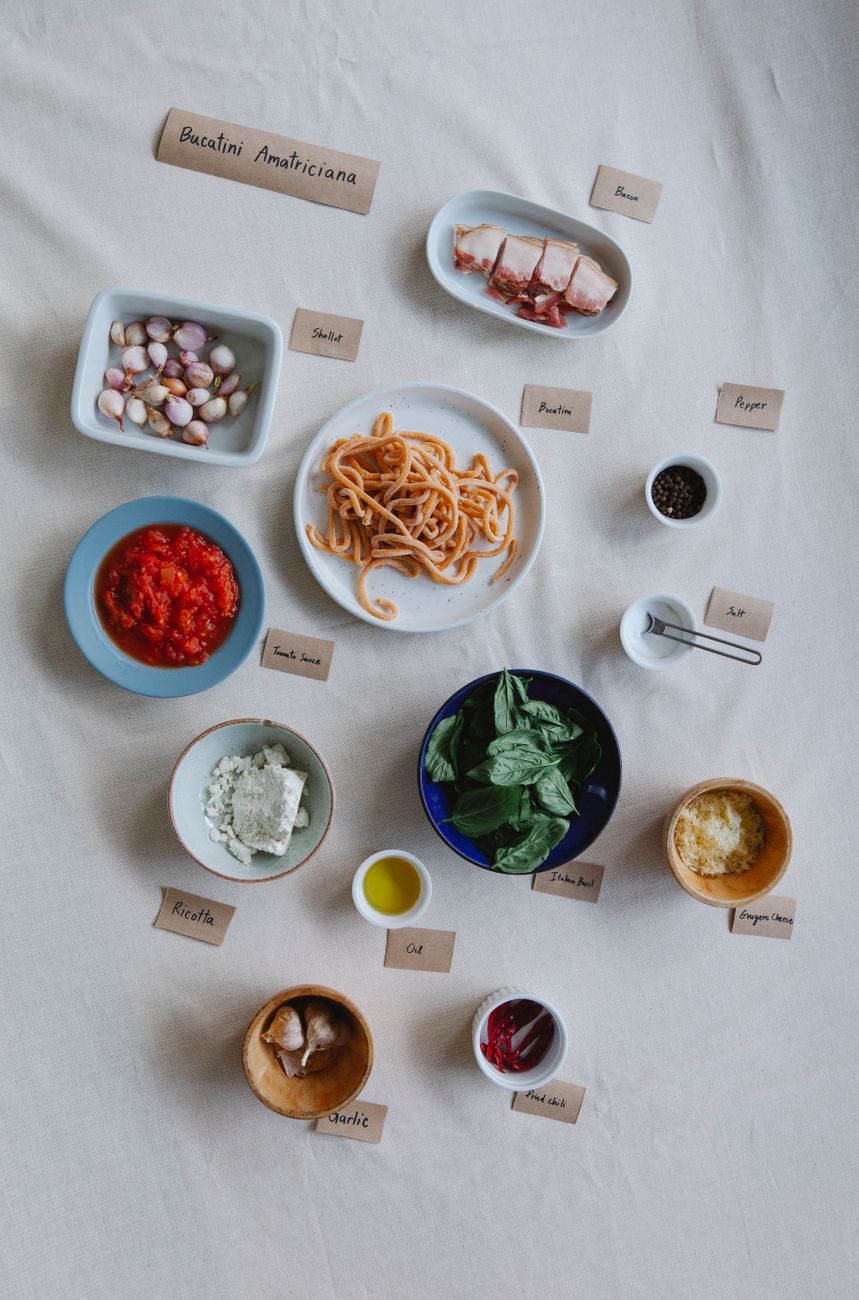
Jun 4, 2026Using Nduja and Calabrian Chiles in Pasta and Pizza
Stir nduja into a sauce or use Calabrian chiles on pasta and pizza, keeping garlic, tomato, cheese, and other flavors in balance.
Comments
Reader discussion is shared across recipes, reviews, and editorial pieces.
Comments are read-only while member sign-in is paused.