
science
Why Italy's Fiery Regional Dishes Are Finally Getting Their Due
From Calabrian 'nduja to proper Roman arrabbiata, Italy's most soul-warming spicy dishes are finally showing up on American tables. Here's what makes each regional tradition worth seeking out.

Share this
Pass it around
Send this page to a friend, copy the link, or save it to a Pinterest board.

Save for later
Pin this page
Save the image with a link back to this recipe, review, or article.
Why Italy's Fiery Regional Dishes Are Finally Getting Their Due
Most of us think of Italian food as gentle—creamy carbonara, Sunday gravy simmering all afternoon, maybe a sprinkle of red pepper flakes if we're feeling wild. But that's only part of the story. Across Italy's regions, cooks have been building serious heat into their family dishes for centuries, creating some of the most satisfying spicy food you'll ever taste.
These aren't chef inventions or social media stunts. They're the dishes that Italian mothers and grandmothers have been perfecting since hot peppers sailed over from the Americas in the 1500s. The real news is that Italian restaurants here are finally brave enough to serve them as they were meant to be eaten—with all their glorious fire intact.
The Calabrian Heat Revolution
Down in Calabria, where Italy's boot meets the sea, they grow peppers that would make your Sicilian grandmother weep with joy. The region's crown jewel is 'nduja—a spreadable, deeply spiced pork that's loaded with local chilies and tastes like the best chorizo had a love affair with Italian salumi.
'Nduja doesn't slap you in the face with heat. Instead, it builds this gorgeous warmth that spreads slowly across your tongue, smoky and rich and completely addictive. You can melt it into pasta water for an instant sauce, smear it on crusty bread, or fold it into scrambled eggs for breakfast that'll wake up your whole block.
The peppers behind this magic—peperoncino calabrese among others—sit somewhere between jalapeños and serranos for heat, but their flavor runs circles around anything you'll find in the Mexican section. They're earthy, almost fruity, with this lingering warmth that plays beautifully with pork fat and aged cheese.
Calabrian cooks don't stop at 'nduja, either. Their spicy sausage pasta will ruin you for the mild stuff forever. Their soppressata comes studded with enough chilies to make each slice a tiny celebration. They even make honey with hot peppers—try it on pizza and thank me later.
What I love about Calabrian heat is how it never fights the other flavors. These peppers know their place in the family of tastes, wrapping around olive oil and melting into cheese rather than trying to be the only thing you notice.
Roman Fire: Beyond Basic Arrabbiata
Pasta all'arrabbiata literally means "angry pasta," but most restaurants serve it so tame you'd barely call it irritated. Real Roman arrabbiata has teeth—enough heat to justify that fierce name and keep you reaching for more.
The secret is in the peppers. Proper arrabbiata uses peperoncini secchi—dried Italian chilies that get cooked gently in olive oil until they release all their aromatic oils. Those generic red pepper flakes most places use? They'll give you heat, sure, but they won't give you the deep, complex fire that makes this dish worth your Tuesday night.
Romans have always understood that heat works best with rich, fatty foods. Their oxtail stew gets a generous dose of hot peppers to cut through all that luxurious marrow. Even their more adventurous dishes—the ones tourists never see—pair chilies with the richest possible ingredients.
Roman spice hits you honestly and directly, then steps aside to let the other flavors shine. It's heat with good manners, the kind that enhances rather than overwhelms.
Abruzzese Traditions: The Diavolo Style
Up in the mountains of Abruzzo, they make something called olio santo—"holy oil"—that's basically olive oil with the spirit of a thousand chilies living in it. A few drops will transform your dinner. A heavy pour will send you straight to heaven, possibly via a brief stop in purgatory.
Their signature pasta, spaghetti aglio olio e peperoncino, looks deceptively simple but demands real technique. You heat garlic, olive oil, and chilies together until the oil takes on this gorgeous red-gold color and the aroma makes your kitchen smell like the best Italian grandmother moved in. The pasta water helps everything come together into a sauce that hugs each strand.
Then there's pollo al diavolo—"devil's chicken"—where they butterfly a whole bird, rub it with hot pepper paste, and grill it until the skin crackles and the heat penetrates every bite. It's the kind of dish that makes you understand why they named it after the devil.
Abruzzese cooking makes sense when you remember these are mountain people who needed food that would warm them from the inside out. Their heat isn't just about flavor—it's about survival, comfort, the kind of fire that keeps you going through long, cold winters.
Why Now? The Authenticity Shift
For decades, Italian restaurants here played it safe, assuming we couldn't handle what real Italian families actually eat. Everything got toned down, sanitized, made palatable for tourists who might complain about too much excitement on their plate.
But something shifted. The same people hunting down ghost pepper sauces and authentic Sichuan peppercorns started asking harder questions about their Italian food. Why was it so bland? Where was the regional character? What were Italian nonnas really cooking?
Suddenly, Calabrian chilies started showing up in regular supermarkets. 'Nduja appeared on menus from coast to coast. Even chain stores began stocking the good stuff—imported hot honeys, properly spiced salamis, the ingredients that let you taste Italy's real regional personality.
Here's what's brilliant about traditional Italian heat: it's not about punishment. These peppers build slowly, integrating with fats and acids to create layers of flavor that unfold as you eat. They're sophisticated in a way that pure fire-breathing never manages to be.
Italian cooks figured out centuries ago how to make heat work with other flavors instead of against them. They understood that the best spicy food doesn't just burn—it warms, comforts, and invites you back for another bite. That's wisdom worth learning, whether you're cooking Italian or anything else.
These dishes finally getting their American moment isn't about trends or Instagram. It's about completing the picture, showing us the full range of what Italian cooks have always known how to do. It's about time we got to taste it all.
Peppers featured in this post
Cook with this idea
Recipes to try next.
Put these ingredients and techniques to use in your next meal.
italian · medium
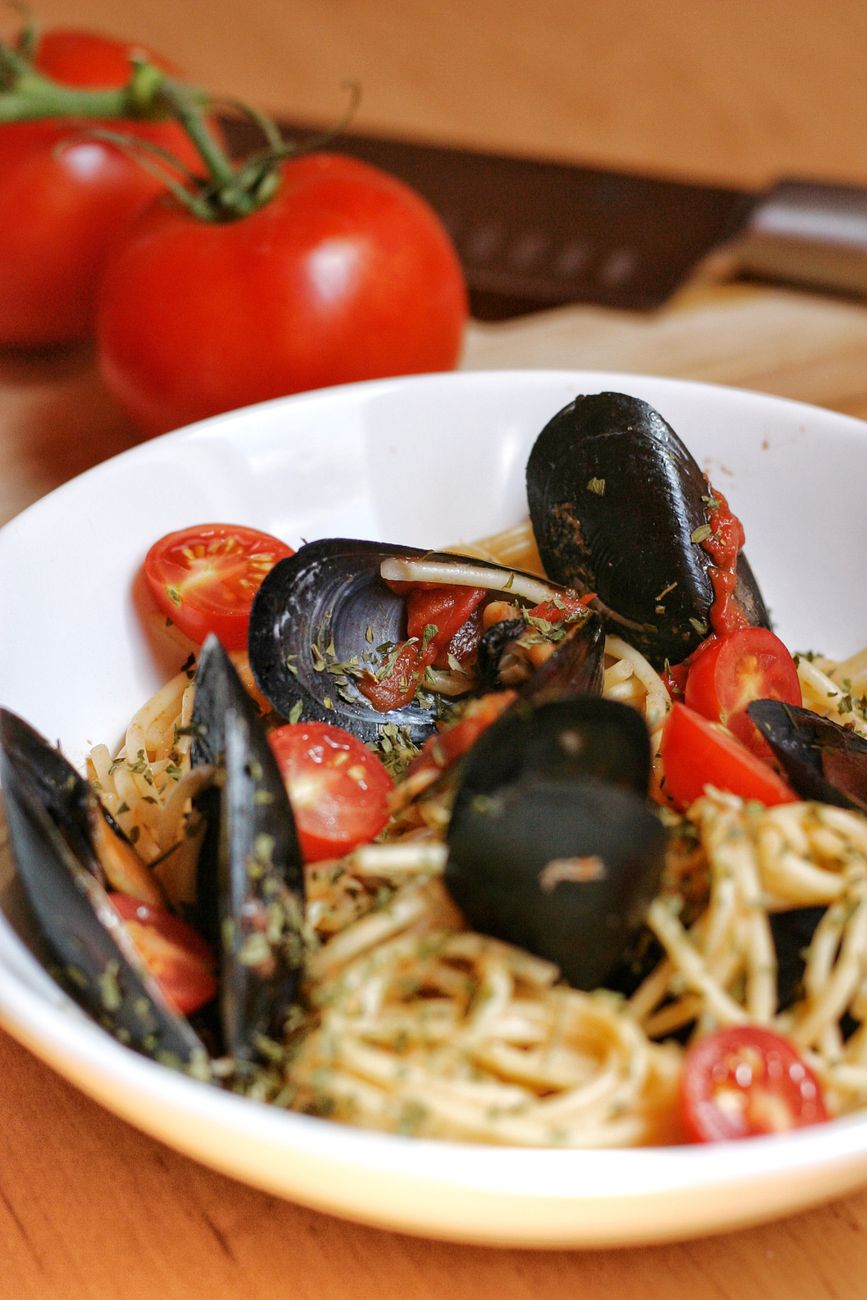
Jun 10, 2026Spaghetti all'Arrabbiata with Mussels
Fresh mussels tossed with spicy arrabbiata sauce and spaghetti for a fiery Roman-style seafood pasta that balances briny sweetness with cayenne heat. 35 min · 0 saves.

italian · medium
Mar 25, 2026Calabrian Chili Vodka Rigatoni
Creamy rigatoni with tomato depth, Calabrian chile fruitiness, and enough heat to keep it from tasting too plush. 35 min · 477 saves.
italian · hot
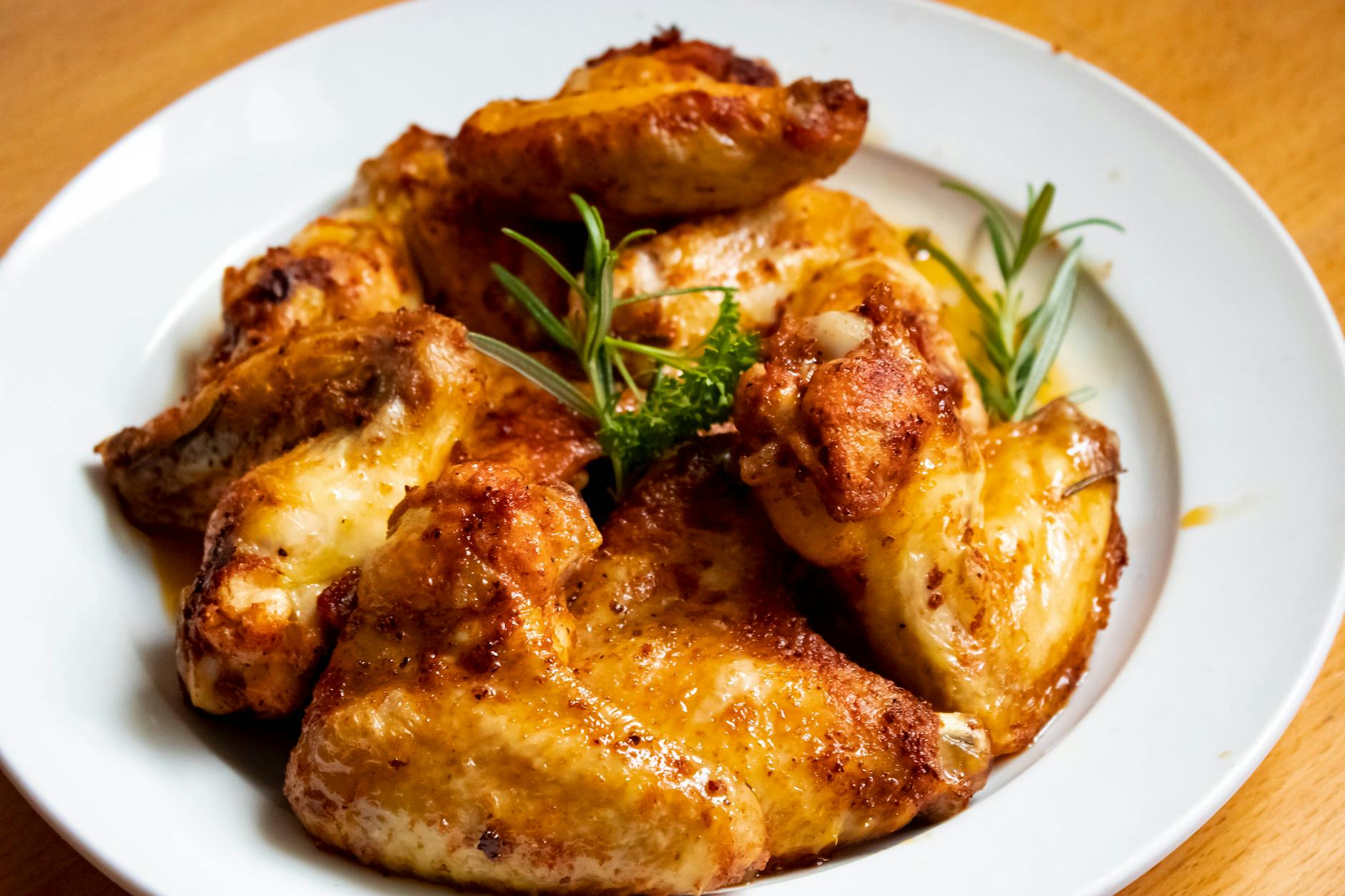
May 15, 2026Calabrian Chile Wings with Spicy Honey Glaze
Chicken wings tossed in a fiery Calabrian chile paste and finished with hot honey for the kind of heat that builds beautifully with each bite. 60 min · 0 saves.
Bottle picks
Related hot sauce reviews.
Explore sauces with related ingredients, flavors, and heat levels.
Fly By Jing Sichuan Gold Review
A citrusy, tingly sauce with real peppercorn presence and enough versatility to move beyond dumplings.
Best for dumplings
Best for: Eggs and breakfast tacos
Skip if: Skip if you want a thick, smoky wing sauce more than a bright finishing bottle.
Read review
Mike's Hot Honey Review
Sweet heat done right: sticky, quick, and versatile enough to become a finishing move instead of a novelty.
Best for gifting
Best for: Pizza and fried chicken
Skip if: Skip if you want a classic vinegar-forward table sauce with almost no sweetness.
Read review
Heatonist Los Calientes Rojo Review
Heatonist Los Calientes Rojo: flavor notes, heat level, and suggested food pairings.
Best for tacos
Best for: Tacos and rice bowls
Skip if: Skip if you are chasing a novelty-level heat hit or a super-special-occasion bottle.
Read review
Go deeper
Background guides that build on this.
Keep reading
More on this subject.
If this post helped, these are the next pieces most likely to keep the thread going.

science
Oct 6, 2026Why Spicy Italian Cooking is Becoming Harder to Ignore
Southern Italian cooks have always used peperoncini as a core seasoning, not a novelty. Here's how heat works in regional Italian cooking, why it's becoming more visible, and how to use dried peppers to sharpen flavor rather than overwhelm it.

science
Jun 7, 2026Nduja and Calabrian Chile Oil: Texture and Cooking Uses
Learn about the texture and culinary uses of nduja and Calabrian chile oil, from spreading on bread to seasoning pasta.
science
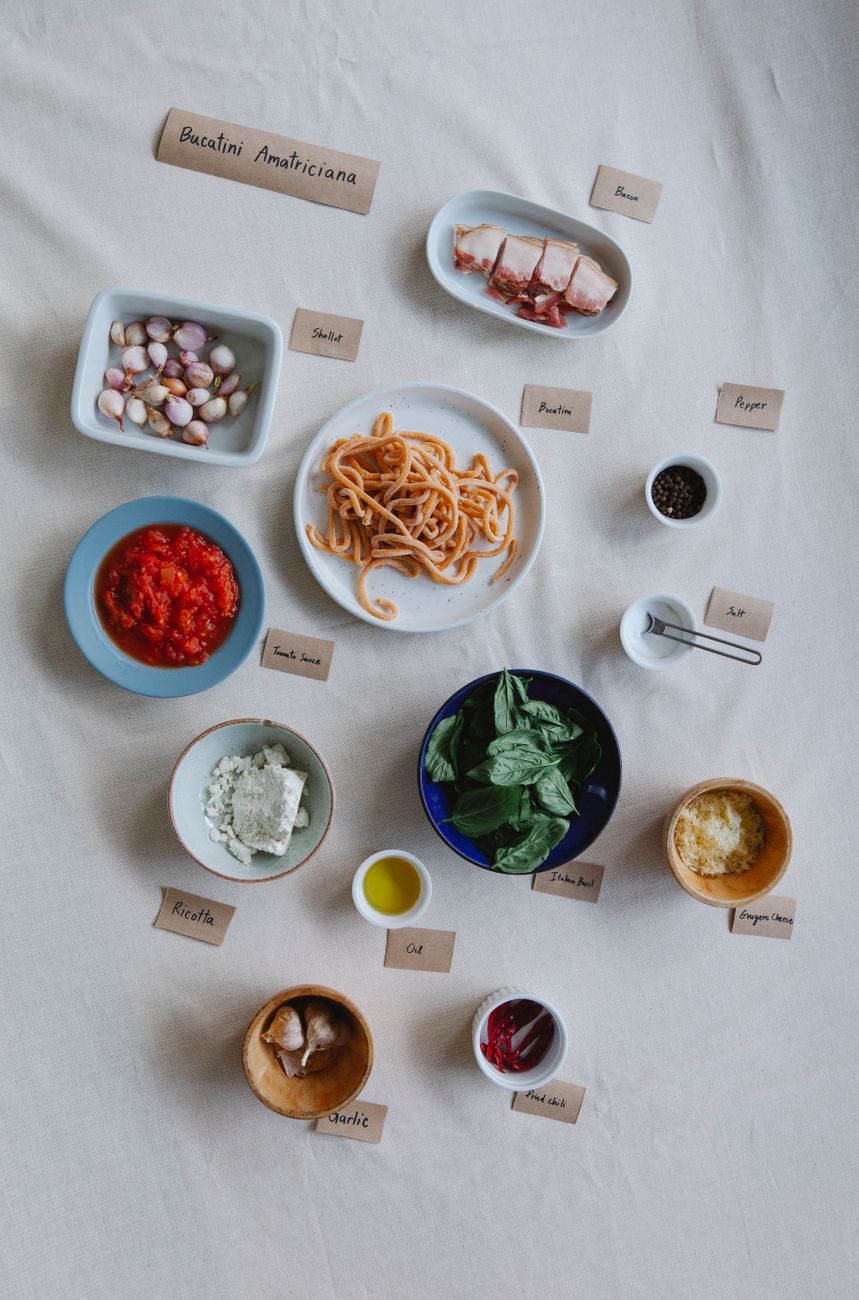
Jun 4, 2026Using Nduja and Calabrian Chiles in Pasta and Pizza
Stir nduja into a sauce or use Calabrian chiles on pasta and pizza, keeping garlic, tomato, cheese, and other flavors in balance.
Comments
Reader discussion is shared across recipes, reviews, and editorial pieces.
Comments are read-only while member sign-in is paused.