science
Why Spicy Italian Cooking is Becoming Harder to Ignore
Southern Italian cooks have always used peperoncini as a core seasoning, not a novelty. Here's how heat works in regional Italian cooking, why it's becoming more visible, and how to use dried peppers to sharpen flavor rather than overwhelm it.

Share this
Pass it around
Send this page to a friend, copy the link, or save it to a Pinterest board.

Save for later
Pin this page
Save the image with a link back to this recipe, review, or article.
Spicy Italian cooking occupies an odd middle ground right now. It's not new—peperoncini have been central to Southern Italian kitchens for centuries—but the appetite for it in mainstream Italian restaurants and home cooking has grown noticeably. The shift isn't random. It reflects both a documented expansion of what counts as 'Italian food' and a broader willingness to use heat as a seasoning rather than an afterthought.
Heat as a core seasoning, not a novelty
The difference between spicy Italian cooking and other spicy traditions lies partly in restraint. Dishes built around peperoncini—the small, dried red chili peppers central to Calabrese and Campanian cooking—use heat to sharpen existing flavors rather than overwhelm them. A proper pasta all'amatriciana or spaghetti ai ricci di mare relies on the pepper to cut through fat and salt, not to announce itself.
This approach makes spicy Italian cooking approachable for cooks who don't chase extreme heat. You're not managing a dare; you're managing a seasoning. The heat arrives alongside garlic, anchovy, tomato, or olive oil—flavors that soften and distribute the burn across the palate instead of concentrating it.
When peperoncini are used correctly, they add a dry, lingering warmth rather than a sharp bite. Dried peppers deliver this better than fresh ones, and whole peppers (cracked or left intact during cooking) flavor the oil without leaving visible flakes that signal unpredictable heat in every bite. That control matters. It's why regional Italian cooks often prefer them to chili flakes, which scatter unevenly and intensify as they sit.
The regional reality of Italian spice
Spicy Italian food is not evenly distributed across the country. Southern Italy—particularly Calabria, Campania, and parts of Sicily—has a documented history of using peperoncini in everyday cooking. *Nduja, the spreadable, spiced pork product from Calabria, relies on heat as a defining characteristic. Pasta dishes from Naples and the surrounding region frequently build heat into the base rather than leaving it optional.
Northern Italian cooking, by contrast, has historically avoided chili peppers. Cream-based sauces, butter, and subtle spicing dominate that tradition. The current visibility of spicy Italian cooking partly reflects Southern Italian cuisine gaining wider recognition outside its original regions—a natural consequence of migration, media attention, and chefs choosing to highlight traditions that were always there.
This matters because it means spicy Italian cooking isn't an invention or a trend imposed on Italian food. It's a documented regional practice becoming more visible. Home cooks adopting these techniques aren't reinventing Italian food; they're choosing which parts of it to center.
Why peperoncini are easier to cook with now
Three practical shifts have made spicy Southern Italian cooking more accessible:
Ingredient availability. Peperoncini, whole dried red chilies, and *nduja are easier to find in mainstream supermarkets and online suppliers than they were a decade ago. That removes a real barrier to cooking these dishes at home.
Broader comfort with heat. Home cooks and diners are less likely to assume Italian food must be mild. The success of other spicy cuisines—Mexican, Thai, Indian—has normalized heat as a feature rather than a bug in any cooking tradition.
Chefs showing the actual food. Italian cooks and food writers who emphasize regional cooking have platforms to show what Southern Italian food tastes like. That visibility corrects a narrower, Americanized version of Italian cooking that many people grew up with.
None of these factors invents spicy Italian food. They simply make it more accessible.
Cooking with peperoncini: texture and timing
Whole dried peperoncini behave differently than chili flakes, and understanding that difference makes them easier to use.
Whole dried peppers soften when heated but retain their structure. They release oils and heat gradually into surrounding fats, especially olive oil warmed over medium heat for a few minutes before other ingredients go in. That timing matters: oil heated too briefly won't extract enough pepper flavor; oil heated too long can burn the pepper and create bitterness. Aim for 2 to 3 minutes over medium heat, until the oil is fragrant and the pepper has darkened slightly.
Cracked or broken peperoncini distribute heat faster and more unevenly, which is useful when you want warmth to build quickly or when you're making a dish that won't simmer long. Whole peppers work better for slower dishes—pasta sauces that simmer 20 minutes or longer, braises, or oil-based preparations where the pepper sits in warm fat for extended time.
The heat level of dried peperoncini varies by age. Fresher peppers tend to be hotter; older ones mellow slightly. If you're buying them loose from a bulk bin or from a supplier with high turnover, ask about the harvest date if it's available. Store them in a cool, dark place in an airtight container to preserve their potency.
Building heat into Italian dishes at home
Start with pasta aglio e olio—garlic, olive oil, and peperoncini. Slice or crack 1 to 2 whole dried peppers (depending on their age and your heat tolerance) and warm them in ¼ cup olive oil over medium heat for 2 to 3 minutes. Add sliced garlic, cook until golden, then toss with hot pasta and salt. The simplicity of the dish means the pepper's role is obvious and adjustable. Use less pepper next time if it's too hot; use more if you want deeper warmth.
From there, the same technique anchors cacio e pepe, spaghetti alle vongole, or tomato-based sauces. The pepper always goes into the fat first, before other ingredients, so it infuses rather than scatters.
If you don't have peperoncini on hand, chili flakes work but require care. Use half the quantity you would of whole peppers, and add them to hot oil only seconds before other ingredients go in. Flakes cook quickly and can turn bitter. Whole peppers are more forgiving and give you better control.
Why this matters now
What's actually shifting in spicy Italian cooking isn't the food itself—it's the permission to cook it openly. For decades, a narrow version of Italian food dominated English-language cooking, one that favored mild, cream-heavy dishes and treated heat as un-Italian. Wider access to regional recipes, ingredient suppliers, and cooks who grew up eating this food has corrected that impression.
Spicy Italian food works because heat sharpens and cleanses the palate, just as it does in any other tradition. It's not trendy to use it that way. It's simply honest cooking with ingredients that were always part of the regional kitchen.
Cook with this idea
Recipes to try next.
Put these ingredients and techniques to use in your next meal.
italian · medium
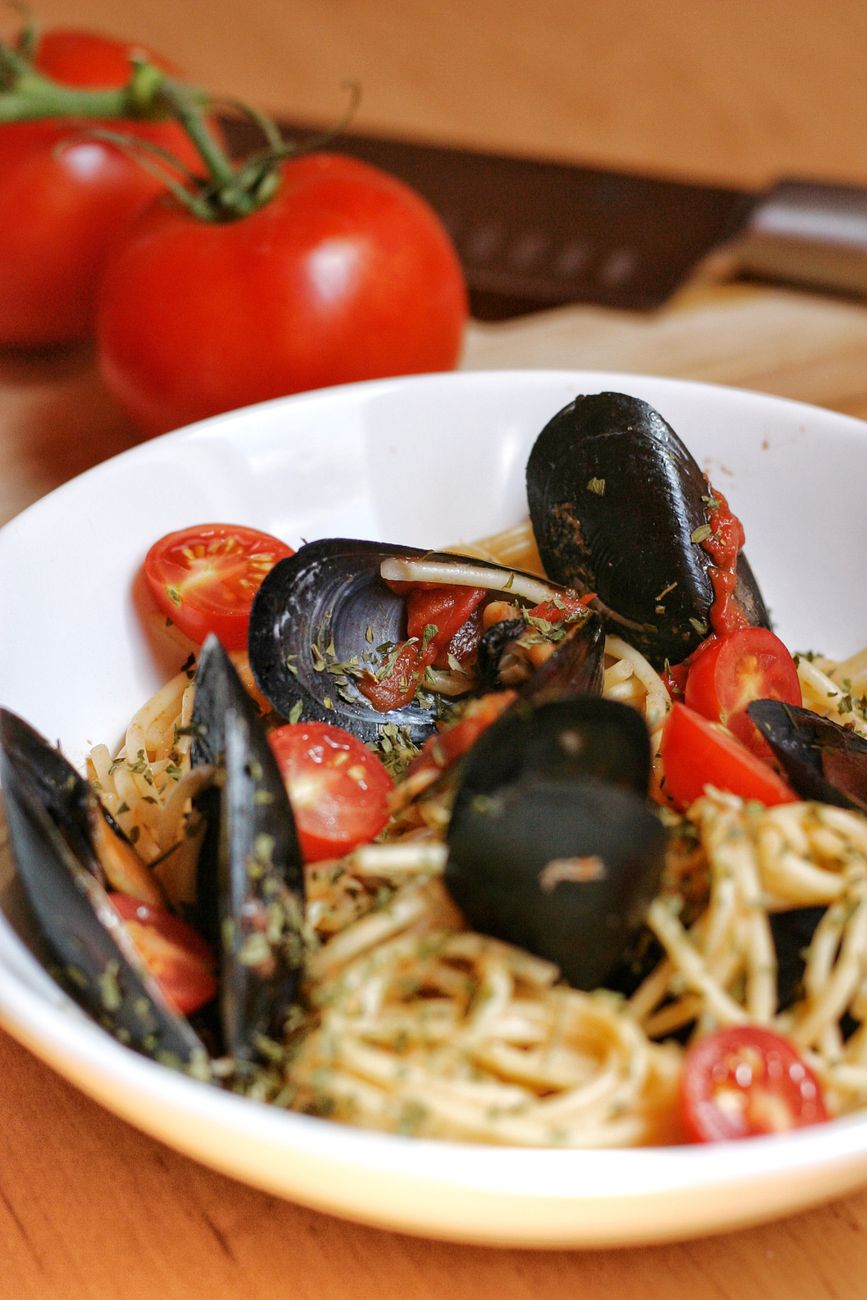
Jun 10, 2026Spaghetti all'Arrabbiata with Mussels
Fresh mussels tossed with spicy arrabbiata sauce and spaghetti for a fiery Roman-style seafood pasta that balances briny sweetness with cayenne heat. 35 min · 0 saves.

italian · medium
Mar 25, 2026Calabrian Chili Vodka Rigatoni
Creamy rigatoni with tomato depth, Calabrian chile fruitiness, and enough heat to keep it from tasting too plush. 35 min · 477 saves.
italian · hot
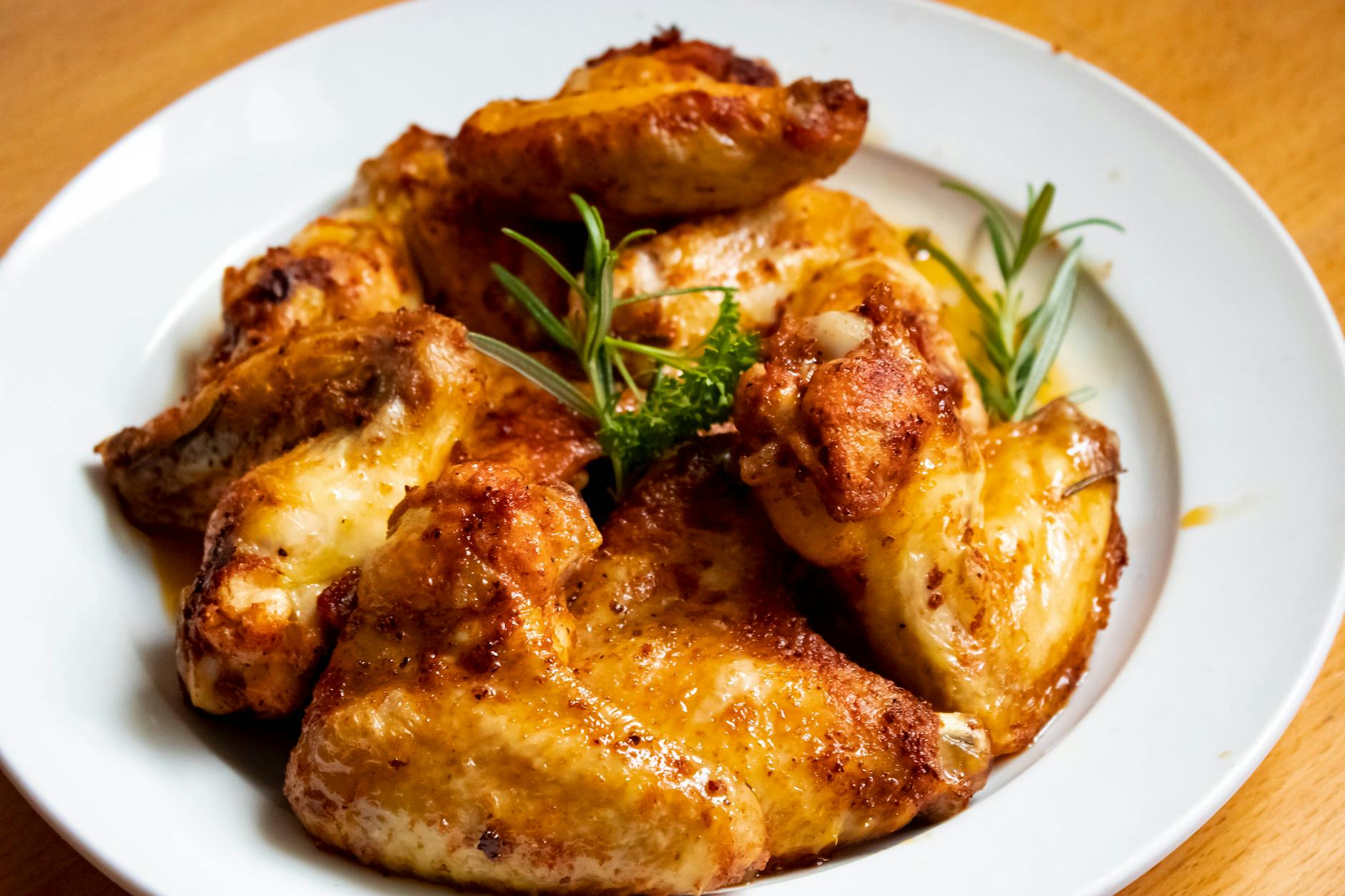
May 15, 2026Calabrian Chile Wings with Spicy Honey Glaze
Chicken wings tossed in a fiery Calabrian chile paste and finished with hot honey for the kind of heat that builds beautifully with each bite. 60 min · 0 saves.
Bottle picks
Related hot sauce reviews.
Explore sauces with related ingredients, flavors, and heat levels.
Fly By Jing Sichuan Gold Review
A citrusy, tingly sauce with real peppercorn presence and enough versatility to move beyond dumplings.
Best for dumplings
Best for: Eggs and breakfast tacos
Skip if: Skip if you want a thick, smoky wing sauce more than a bright finishing bottle.
Read review
Mike's Hot Honey Review
Sweet heat done right: sticky, quick, and versatile enough to become a finishing move instead of a novelty.
Best for gifting
Best for: Pizza and fried chicken
Skip if: Skip if you want a classic vinegar-forward table sauce with almost no sweetness.
Read review
Heatonist Los Calientes Rojo Review
Heatonist Los Calientes Rojo: flavor notes, heat level, and suggested food pairings.
Best for tacos
Best for: Tacos and rice bowls
Skip if: Skip if you are chasing a novelty-level heat hit or a super-special-occasion bottle.
Read review
Go deeper
Background guides that build on this.
Keep reading
More on this subject.
If this post helped, these are the next pieces most likely to keep the thread going.

science
Jun 7, 2026Nduja and Calabrian Chile Oil: Texture and Cooking Uses
Learn about the texture and culinary uses of nduja and Calabrian chile oil, from spreading on bread to seasoning pasta.
science
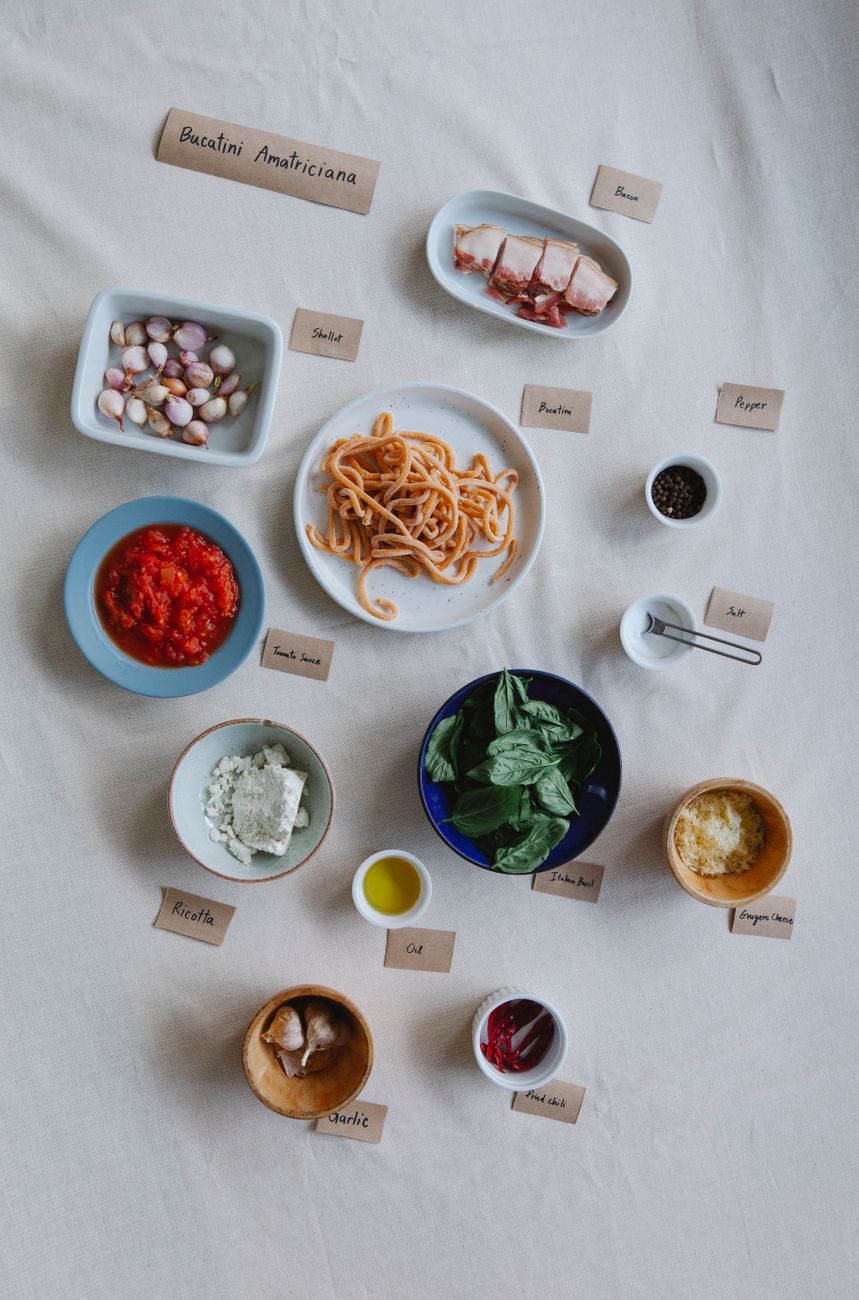
Jun 4, 2026Using Nduja and Calabrian Chiles in Pasta and Pizza
Stir nduja into a sauce or use Calabrian chiles on pasta and pizza, keeping garlic, tomato, cheese, and other flavors in balance.

science
May 20, 2026Nduja, Arrabbiata, and Aglio e Olio: Italian Chili Dishes
Nduja, arrabbiata, and aglio e olio offer different ways to pair chili with pasta, tomatoes, garlic, and olive oil.
Comments
Reader discussion is shared across recipes, reviews, and editorial pieces.
Comments are read-only while member sign-in is paused.