
culture
What Malaysian Spicy Dishes Are Drawing Cooks Right Now
Malaysian heat builds in layers—through chile pastes, aromatics, and the way coconut milk carries spice. These dishes work because you can taste as you go, adjusting heat without losing the flavor underneath.
Share this
Pass it around
Send this page to a friend, copy the link, or save it to a Pinterest board.

Save for later
Pin this page
Save the image with a link back to this recipe, review, or article.
Malaysian cooking doesn't announce itself with a single blast of heat. Instead, it moves through chile pastes, aromatics, and time. That layered approach is why these dishes work at the home table: you build toward the heat you want, and you can taste and adjust as you go.
The structure is consistent across regions: dried chilies ground into paste, coconut milk to carry and soften the heat, and garlic, ginger, and shallots underneath for depth. The result tastes complex rather than simply hot. That distinction matters if you're cooking for people with different spice tolerances at the same table.
Sambal: The Adjustable Base
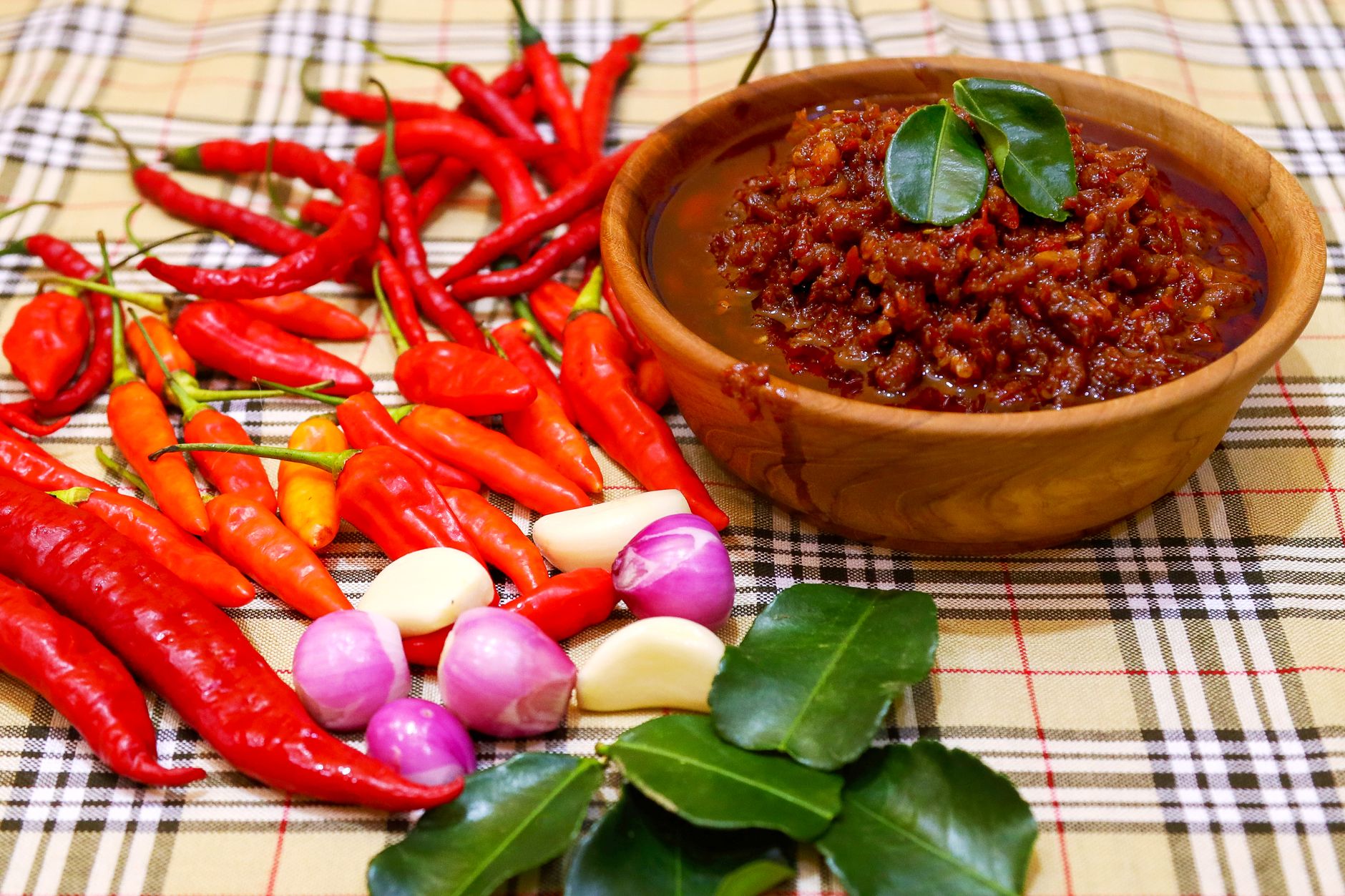
Sambal is a chile paste made from dried or fresh chilies, garlic, shallots, and sometimes shrimp paste or lime juice. The ratio of peppers to other ingredients determines both how much heat and what kind of flavor you get. More garlic and shallots lower the heat while deepening savory notes. Fewer aromatics leave the chile flavor sharper and more direct.
This adjustability happens at the paste stage, before you cook. You can reduce the number of chilies, add more aromatics, or balance everything with coconut milk later. That control appeals to home cooking, where a single dish needs to work for different palates.
A well-made sambal paste keeps for weeks in the refrigerator, which means you can make it ahead and fold it into weeknight cooking. Stir it into eggs, toss it with noodles, use it as a base for braises.
Three common approaches:
- Sambal oelek: Simple paste with minimal fermentation, used fresh or cooked into dishes like sambal eggs or sambal squid. The chile flavor stays bright.
- Sambal belacan: Shrimp paste versions that add umami depth, popular in fish dishes and worked into condiments. The funk of the shrimp paste pulls the heat into the background.
- Rendang: Coconut-based braise where sambal simmers slowly with meat or vegetables, reducing until the sauce coats everything. The long cook mellows the raw edges of the chile paste.
How Coconut Milk Changes Heat
Coconut milk does two practical things in spicy Malaysian cooking. The fat in the milk carries chile compounds deeper into other ingredients, so the heat distributes differently than in a dry chile dish. It also softens the sharp edges of raw chile heat without erasing the spice itself.
That's why rendang tastes different from a dry curry—the fat changes what you taste and how fast you taste it.
Home cooks experimenting with this learn that a braise built in stages cooks differently than one mixed all at once. If you add sambal paste first and let it cook in its own heat before introducing coconut milk, the paste's raw edges soften and deepen. Later additions of coconut milk build sauce without breaking down the chile compounds too much.
Coconut milk also makes spicy dishes more forgiving to adjust. If a sambal paste tastes too aggressive in the pan, stirring in more coconut milk (or even dairy cream if you're adapting the recipe) tames it without diluting the flavor entirely. That flexibility matters when you're cooking for a table with mixed spice preferences.
Laksa: Broth as Distribution
Laksa—whether the creamy coconut version or the sour tamarind-based asam laksa—represents another approach to managing how heat lands. The broth carries spices and sambal, but the volume of liquid means the chile compounds spread across the entire bowl rather than concentrating in a single bite.
You control the heat in laksa by adjusting how much sambal goes into the broth. A smaller amount of very strong paste tastes different than a larger amount of a milder paste, even if the final heat level is the same. The aromatics matter just as much: turmeric, galangal, and lemongrass in the broth add complexity that makes the spice taste intentional.
The noodle vehicle matters too. Thick rice noodles or egg noodles absorb broth evenly, so the heat distribution is consistent. That predictability helps when you're cooking for guests with different spice tolerances—they can adjust the heat in their own bowl without the flavors becoming one-dimensional.
Regional Heat Profiles
Malaysian spice varies by region in ways that matter for heat. Penang tends toward sharper, more assertive heat in dishes like asam laksa. Melaka leans into sweeter elements with sambal. Northern regions use more dried chilies; southern coastal areas often add seafood and tamarind.
This regional variation means you can find Malaysian spicy dishes at almost any heat preference. A mild Melaka-style rendang with few chilies and more shallot paste tastes nothing like a Penang laksa built around multiple chile varieties and shrimp paste.
Dried chilies are the main variable. Longer Kashmiri-type chilies add color and moderate heat. Bird's eye chilies bring a sharp, focused burn. Thai chilies land in between. Most traditional recipes layer multiple types, creating a heat that builds rather than peaks in a single moment.
Why These Dishes Work at Home
Malaysian spicy food rewards technique without requiring specialized equipment or rare ingredients. A mortar and pestle, or a food processor, makes sambal paste. Coconut milk is available everywhere. Dried chilies keep indefinitely.
The layered heat also suits how home cooks actually cook. You're not committing to a single spice level when you make sambal; you're building toward it in stages, tasting as you go. That process means you can adjust for your table, your mood, your guests.
There's also a practical appeal. Sambal and coconut-based braises freeze well. They taste better the next day as flavors meld. They work with inexpensive cuts of meat or humble vegetables. Malaysian spicy cooking doesn't demand premium ingredients or hard-to-find produce.
Cook with this idea
Recipes to try next.
Put these ingredients and techniques to use in your next meal.

other · hot
Oct 8, 2026Sambal Udang Petai
Stir-fried prawns with stink beans and fiery sambal, built on shallots, garlic and bird's eye chillis. A weeknight dinner that delivers serious heat without lengthy prep. 18 min · 0 saves.
other · hot
Sep 7, 2026Adana Kebab with Charred Chilli and Sumac
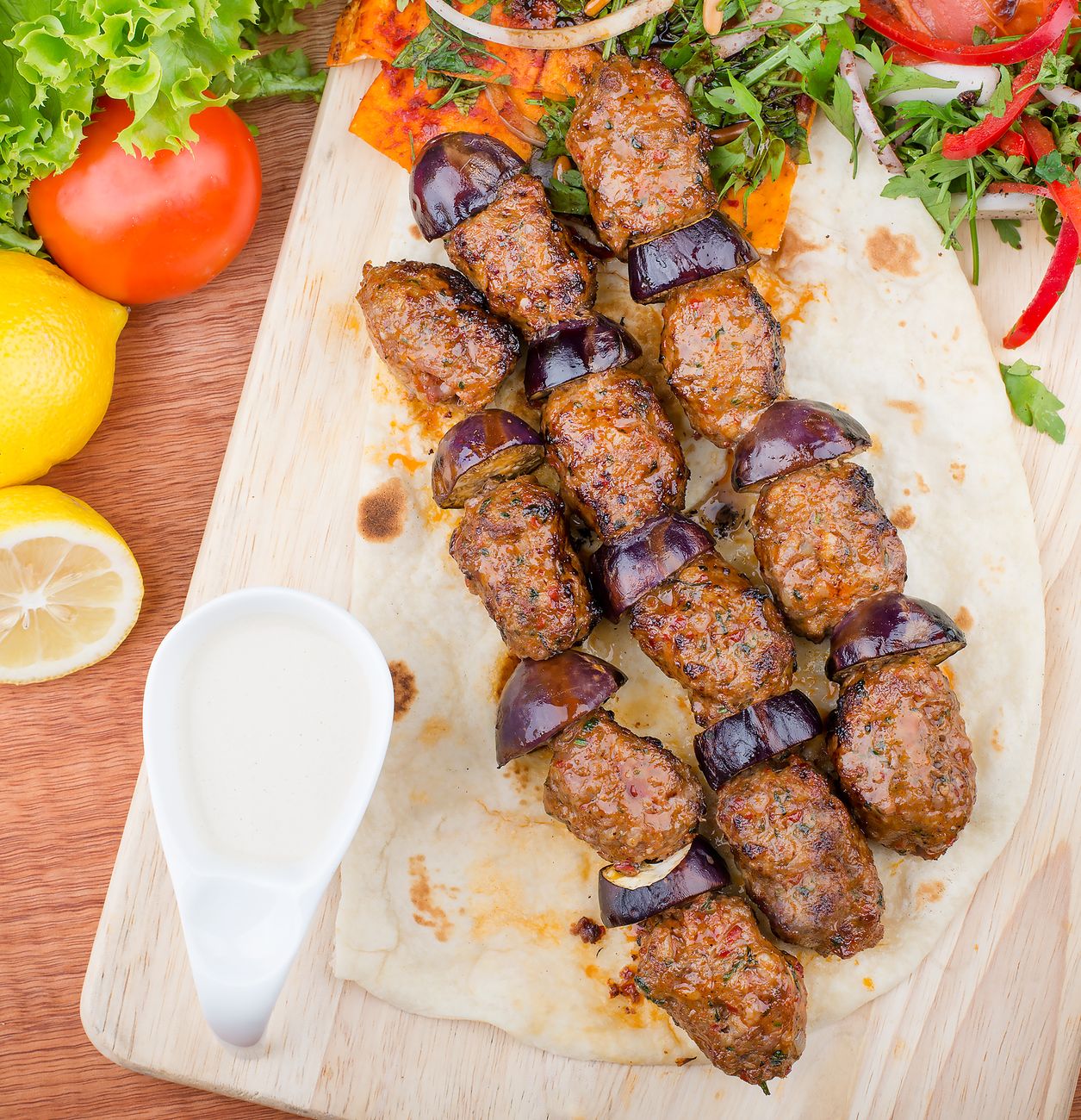
Ground lamb pressed onto flat metal skewers and grilled hard over flame until blackened and crackling on the outside, tender and juicy within. This Turkish street classic gets its serious kick from fresh red chilli ground into the meat and dried Aleppo chilli that brings warmth and fruity depth. The grill is non-negotiable—charcoal or gas flame gives you the char and smoke that makes this dish sing. 32 min · 0 saves.

other · hot
Jun 8, 2026Moqueca de Camarão with Malagueta Fire
Brazilian coconut shrimp stew spiked with fresh malagueta and habanero peppers for serious heat 35 min · 0 saves.
Bottle picks
Related hot sauce reviews.
Explore sauces with related ingredients, flavors, and heat levels.
Yellowbird Habanero Hot Sauce Review
A bright, carrot-forward bottle with enough heat to stay lively and enough sweetness to stay versatile.
Best for tacos
Best for: Tacos and rice bowls
Skip if: Skip if you want a classic vinegar-forward table sauce with almost no sweetness.
Read review
Queen Majesty Scotch Bonnet and Ginger Review
A bright, elegant sauce that leans on fruit, ginger, and Scotch bonnet lift instead of brute force.
Best for seafood
Best for: Seafood and fish tacos
Skip if: Skip if you want a thick, smoky wing sauce more than a bright finishing bottle.
Read review
Fly By Jing Sichuan Gold Review
A citrusy, tingly sauce with real peppercorn presence and enough versatility to move beyond dumplings.
Best for dumplings
Best for: Eggs and breakfast tacos
Skip if: Skip if you want a thick, smoky wing sauce more than a bright finishing bottle.
Read review
Go deeper
Background guides that build on this.
Keep reading
More on this subject.
If this post helped, these are the next pieces most likely to keep the thread going.

culture
Oct 6, 2026What Makes Malaysian Spicy Food So Craveable Right Now
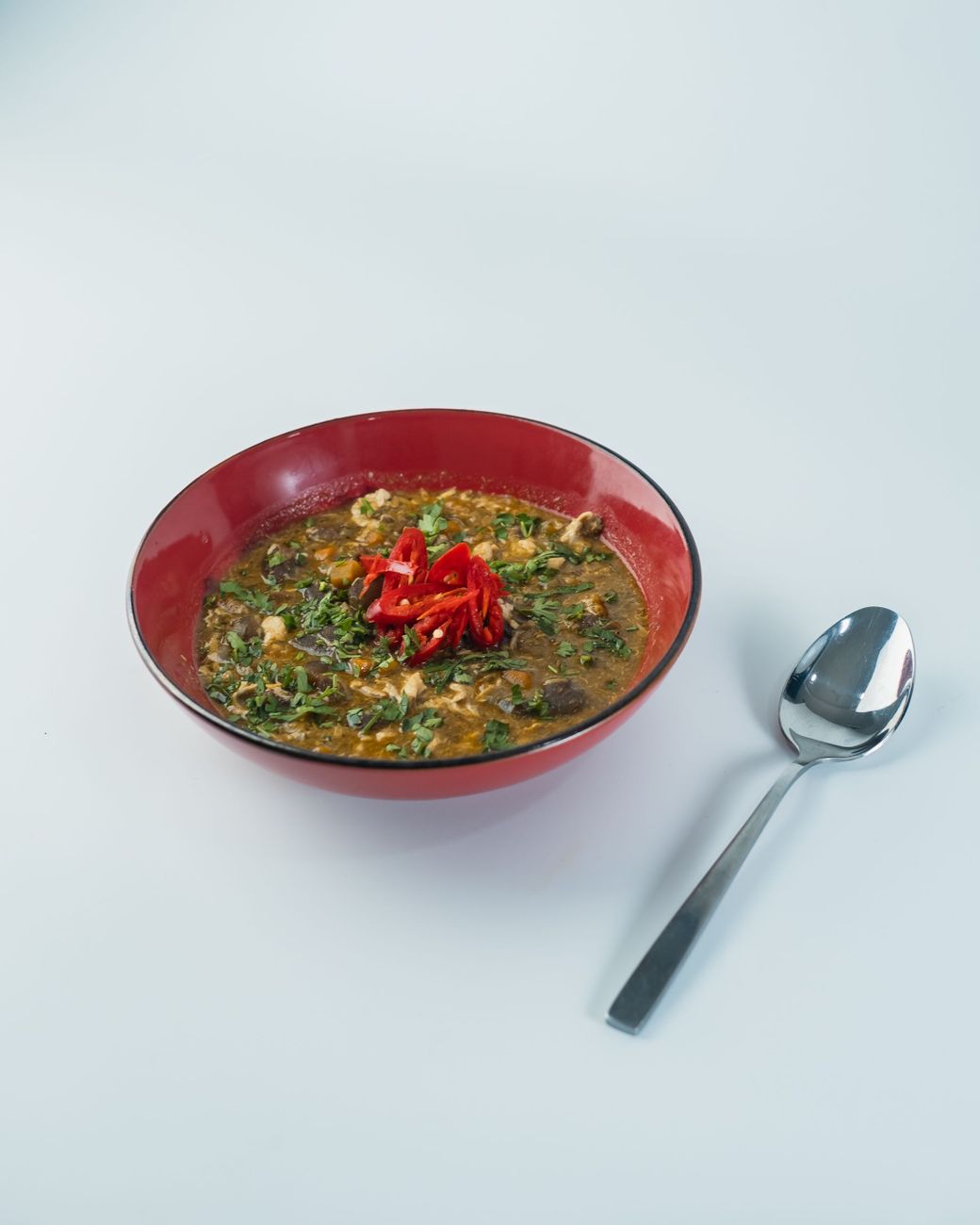
Malaysian spicy cooking balances heat with coconut, tamarind, and layered spices. Laksa, sambal, and rendang solve the problem of making chili taste good—not just hot. Learn the techniques that make these dishes work and how to cook them at home.
culture
Jun 10, 2026The Heat Revolution: Why Nigerian Spicy Food Is Having Its Moment
From warming pepper soups to scotch bonnet-loaded jollof, Nigerian cooks have mastered the art of building heat that actually enhances flavor—and the rest of us are finally catching on.

culture
Jun 4, 2026Beyond Kebab: Turkish Dishes That Pack Serious Heat
Turkish cuisine's real spice story lives in the regional dishes that most people never encounter—smoky Urfa preparations, chile-built Antep specialties, and the precision heat of true Adana kebab. These aren't the mild kebabs you know, but centuries-old techniques for building serious, sophisticated fire.
Comments
Reader discussion is shared across recipes, reviews, and editorial pieces.
Comments are read-only while member sign-in is paused.