
culture
Andhra, Kerala, and Chettinad: Three Approaches to Spice
Compare chili-forward Andhra dishes, coconut-rich Kerala preparations, and the toasted spice blends used in Chettinad cooking.

Share this
Pass it around
Send this page to a friend, copy the link, or save it to a Pinterest board.

Save for later
Pin this page
Save the image with a link back to this recipe, review, or article.
Andhra, Kerala, and Chettinad: Three Approaches to Spice
India's spicy food landscape runs so much deeper than the vindaloo most of us grew up ordering. While butter chicken deserves its place at the table, regional styles from across India handle chile heat in very different ways than a typical curry-house menu suggests.
These aren't just cranked-up versions of familiar dishes. They represent different approaches to how chile heat works in a meal, from the pepper-forward cooking of Andhra Pradesh to the aromatic, coconut-tempered spice of Kerala. Each offers a different heat experience: immediate intensity, a slow build, or complex layering.
Andhra-Style: When Chile Becomes the Star Ingredient
Andhra Pradesh doesn't mess around with its relationship to heat. This southeastern Indian state treats dried red chiles and fresh green chiles as foundational ingredients—think of them like onions or garlic, not just a dash of something fiery. In dishes like Andhra chicken curry or mutton pepper fry, chile flavor comes through as distinctly as any other major component.
Andhra cooks balance different types of chile heat by combining the earthy burn of Kashmiri red chiles with the sharper bite of guntur chiles, creating layers instead of a single-note fire. In gongura mutton, tangy sorrel leaves add an acidic counterpoint to the chile heat, while the slow-cooked mutton carries both flavors without either one dominating.
Andhra egg curry is a good example of how the heat develops across a dish: it opens with familiar tomato and onion flavors, then builds through multiple chile varieties, and finishes with a background warmth from black pepper rather than a single burst of heat.
To try this style at home, use a variety of chiles rather than a single type. Stock both mild and hot dried chiles—Kashmiri for color and moderate heat, cayenne or pequin for more intensity—and combine them instead of relying on one all-purpose chile powder.
Kerala Spice: Coconut-Tempered Fire
Kerala's spicy dishes take a different approach than Andhra's. Instead of foregrounding pure chile heat, Kerala cooking builds dishes where coconut moderates the heat without muting it. Fresh grated coconut, coconut milk, and coconut oil all play this role in different dishes.
Fish curry made Kerala-style illustrates this balance. The dish builds heat through green chiles, black pepper, and often red chile powder, but the coconut milk adds richness that keeps the heat from overwhelming the palate. The chile heat stays present without overpowering the delicate fish or the curry's tamarind tang.
Kerala's spice combinations work differently too. Garam masala takes a backseat to more targeted pairings: black pepper with green cardamom, or coriander with fennel and chile. These add warmth and complexity alongside the direct chile heat, so dishes taste aromatic and spicy rather than just hot.
The coconut element helps Kerala dishes suit mixed heat preferences at the table: those who prefer gentler spice can focus on the creamy, aromatic elements, while those who want more heat still get noticeable chile flavor. Kerala beef fry, when made well, offers both in the same dish.
Three ingredients make Kerala-style spicing work at home:
- Fresh curry leaves: Essential for the aromatic base—dried leaves won't give the same flavor
- Proper coconut milk: Full-fat canned, not the watery carton stuff
- Fresh green chiles: Serrano or Thai chiles deliver more heat; jalapeños are milder and will change the character of the dish
Chettinad Heat: The Art of the Spice Bloom
Chettinad cuisine from Tamil Nadu operates on yet another heat principle: controlled intensity through spice technique. Chettinad dishes often feature a roster of whole spices—black pepper, cloves, cardamom, cinnamon, fennel—that get dry roasted before grinding. This creates complex heat that builds gradually and pairs with specific ingredients rather than overwhelming the dish.
Chettinad chicken illustrates this approach. The dish uses both black pepper and red chiles, but the heat comes through as warmth and depth rather than immediate impact. The roasted spice blend creates layers—you might catch the fennel first, then the chile heat, then the black pepper tingle—that work with the chicken rather than covering it up.
The technique matters as much as the ingredients here. Chettinad cooking calls for patient spice blooming: heating whole spices until they release their oils, then grinding them fresh. This step changes how the heat comes across—instead of sharp chile burn, you get a complex warmth that complements rather than competes with the main ingredient.
Chettinad dishes also show how different proteins handle spice. Chettinad fish curry tastes noticeably different from the chicken version, partly because the spice blend is adjusted to suit delicate fish versus sturdier chicken. The heat level may be similar, but the overall dish changes.
This style rewards home cooks willing to toast and grind their own spices, even occasionally. Pre-ground blends can approximate Chettinad flavors, but they don't replicate the aromatic complexity that comes from fresh-grinding properly roasted whole spices.
Adjusting Heat to Taste
Each of these regional styles offers a framework for adjusting heat without losing what makes the dish distinctive. In Kerala fish curry, you can reduce the number of green chiles while keeping the coconut milk, curry leaves, and tamarind that define the dish. In Andhra dishes, you can lean more on Kashmiri chiles for color and mild heat, adding guntur or cayenne only to taste. Chettinad recipes allow similar adjustment through the ratio of black pepper to red chile in the spice blend.
These three styles show that Indian spicy cooking covers more ground than a single hot-or-mild scale—Andhra's direct chile flavor, Kerala's coconut-balanced heat, and Chettinad's roasted spice layering each handle heat differently, giving cooks several starting points depending on the flavor profile they want.
Peppers featured in this post
Cook with this idea
Recipes to try next.
Put these ingredients and techniques to use in your next meal.
indian · medium
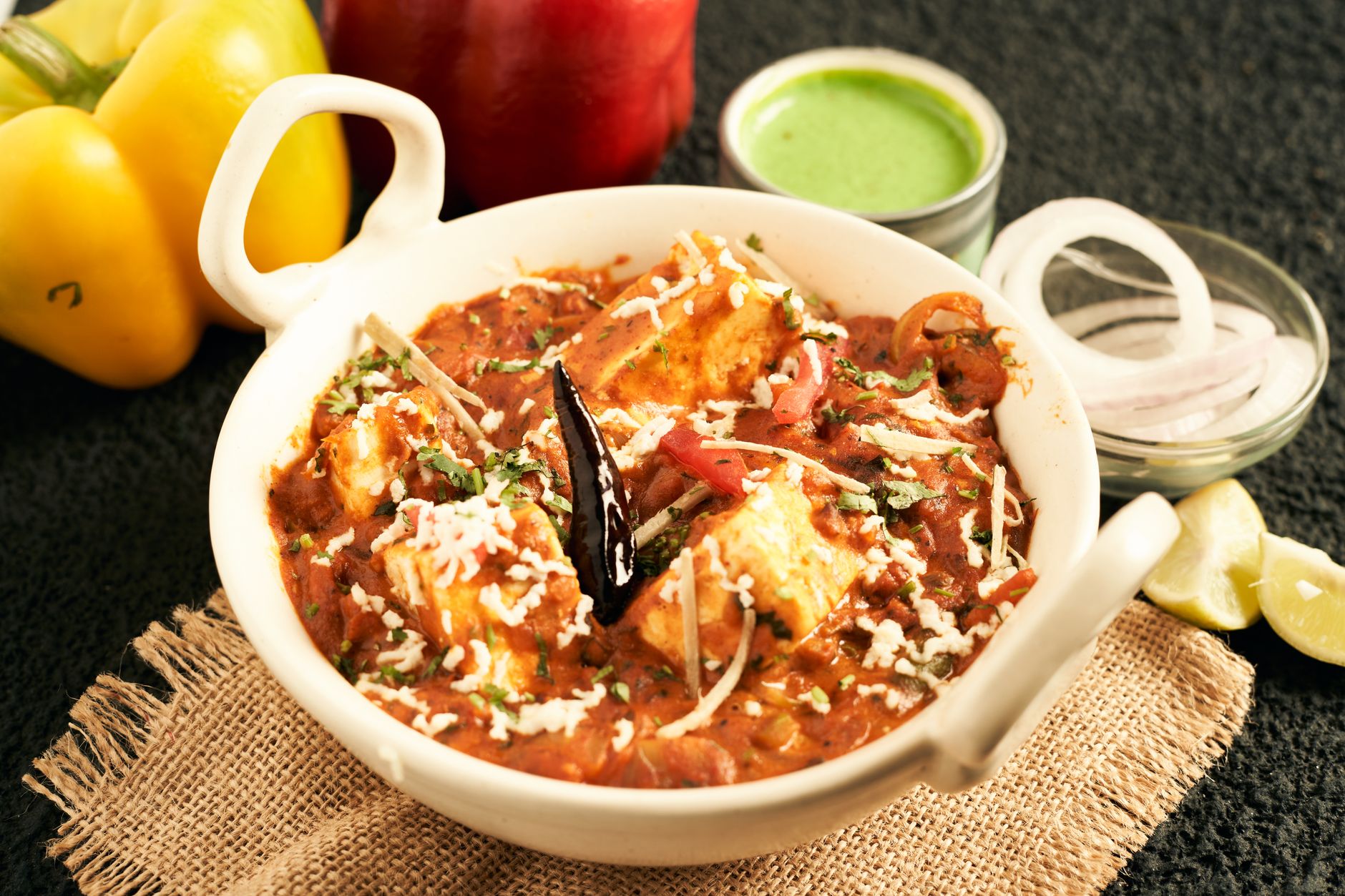
Apr 29, 2026Kadai Paneer with Green Chilies and Bell Peppers
Tender cubes of paneer nestle in a fragrant tomato-based sauce alongside slit green chilies and colorful bell peppers, all cooked in the traditional kadai style that brings out deep, warming flavors. 45 min · 0 saves.
indian · medium
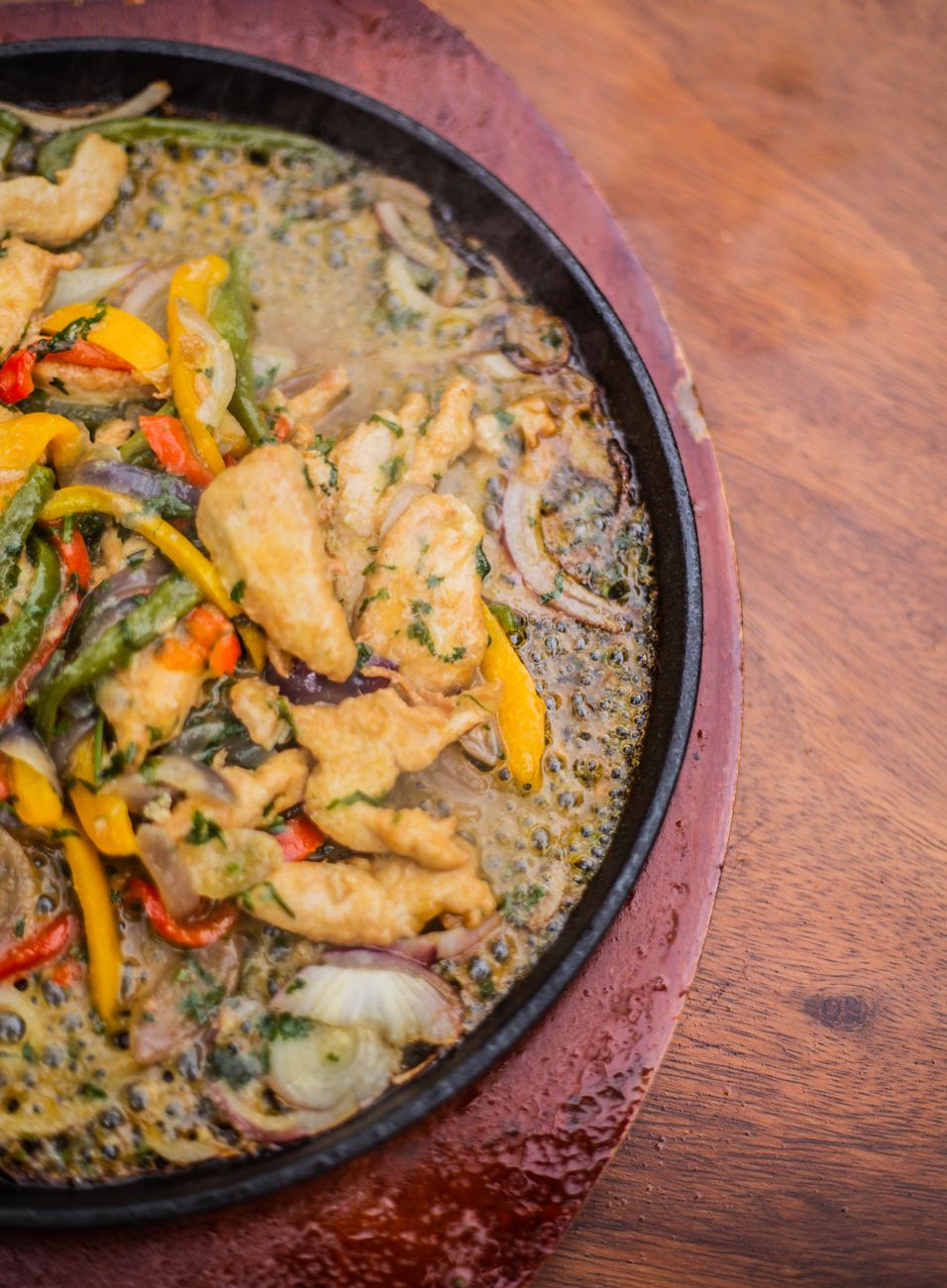
Apr 7, 2026Kadhai Chicken with Kashmiri Chilies
A smoky, aromatic chicken curry cooked in a traditional kadhai (wok) with bell peppers, onions, and dried Kashmiri chilies that deliver beautiful color and moderate heat. 45 min · 0 saves.
indian · hot
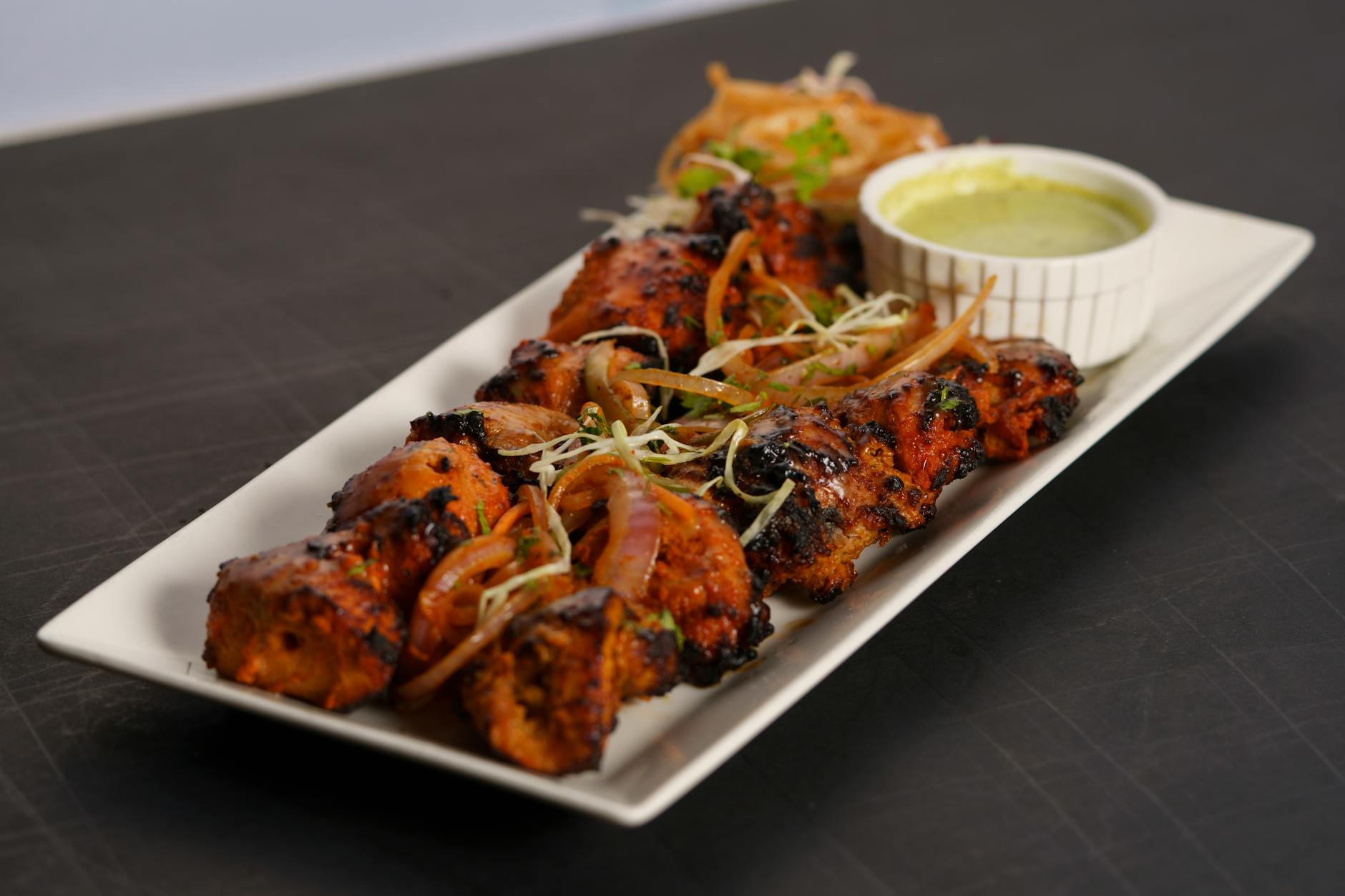
Jun 15, 2026Charred Habanero Chicken Tikka with Smoked Tomato Chutney
Tender chicken thighs get the full heat treatment in this fiery take on tikka—marinated in habanero-spiked yogurt, then charred until caramelized and served with a smoky grilled tomato chutney that doubles down on the fire. 55 min · 0 saves.
Bottle picks
Related hot sauce reviews.
Explore sauces with related ingredients, flavors, and heat levels.
Heatonist Los Calientes Rojo Review
Heatonist Los Calientes Rojo: flavor notes, heat level, and suggested food pairings.
Best for tacos
Best for: Tacos and rice bowls
Skip if: Skip if you are chasing a novelty-level heat hit or a super-special-occasion bottle.
Read review
Queen Majesty Scotch Bonnet and Ginger Review
A bright, elegant sauce that leans on fruit, ginger, and Scotch bonnet lift instead of brute force.
Best for seafood
Best for: Seafood and fish tacos
Skip if: Skip if you want a thick, smoky wing sauce more than a bright finishing bottle.
Read review
Fly By Jing Sichuan Gold Review
A citrusy, tingly sauce with real peppercorn presence and enough versatility to move beyond dumplings.
Best for dumplings
Best for: Eggs and breakfast tacos
Skip if: Skip if you want a thick, smoky wing sauce more than a bright finishing bottle.
Read review
Go deeper
Background guides that build on this.
Keep reading
More on this subject.
If this post helped, these are the next pieces most likely to keep the thread going.

culture
Apr 22, 2026Three Spicy Indian Styles That Hit Different Right Now
From Goan heat to Tamil fire, discover why certain regional Indian spicy dishes are having a moment and what makes each tradition worth bringing to your own table.

culture
Jun 15, 2026Four Middle Eastern Heat Styles That Should Be on Your Radar Right Now
From harissa's patient burn to zhug's bright herb-fire, these Middle Eastern heat styles teach us that the best spicy food builds complexity alongside warmth—and they'll change how your family thinks about heat.
culture
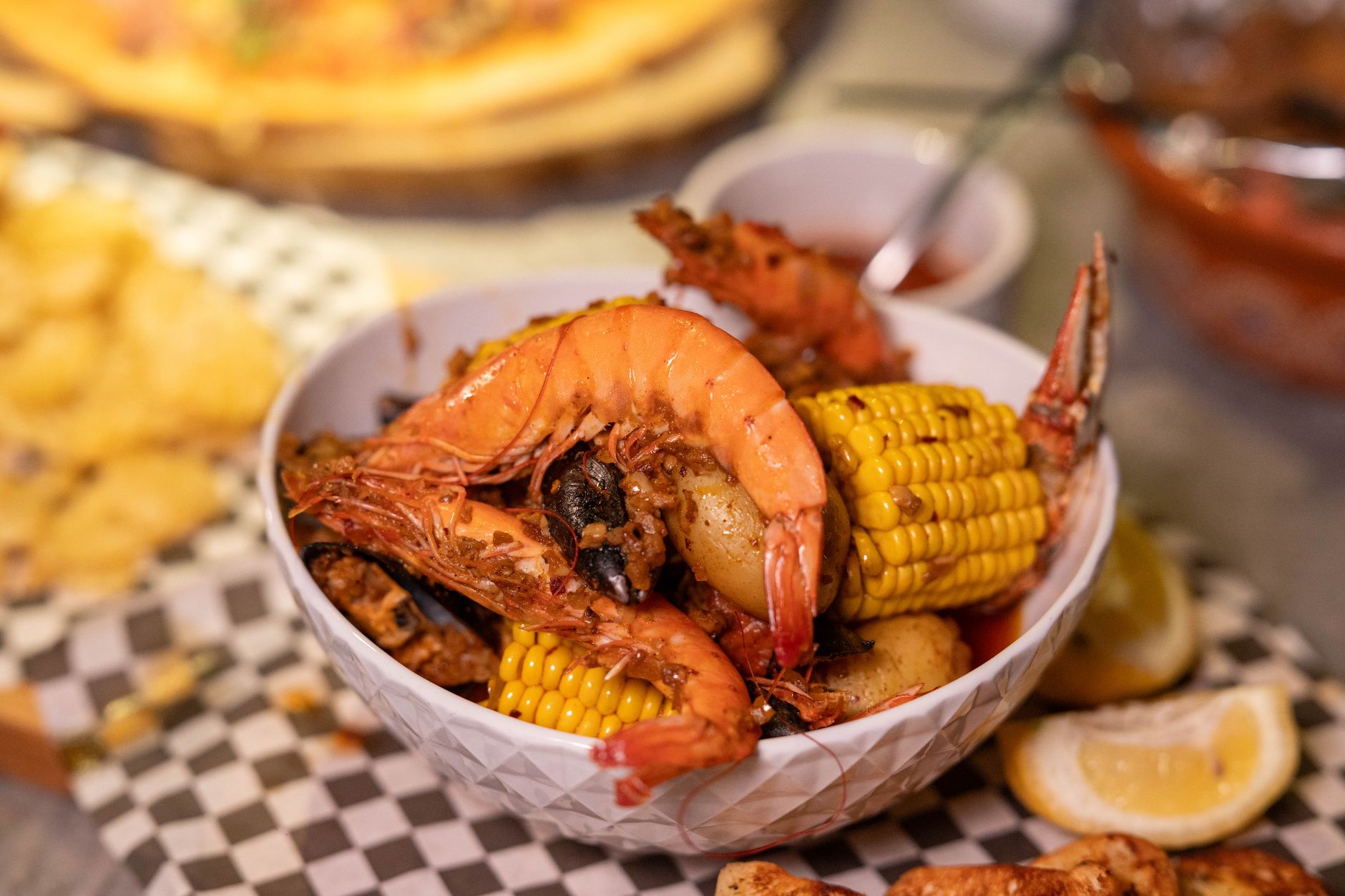
Jun 13, 2026Boudin, Crawfish Boils, and Cajun-Inspired Dishes
Boudin, crawfish boils, and Cajun-inspired dishes offer different textures and seasoning choices, from rice sausage to spiced seafood.
Comments
Reader discussion is shared across recipes, reviews, and editorial pieces.
Comments are read-only while member sign-in is paused.