
culture
Three Spicy Indian Styles That Hit Different Right Now
From Goan heat to Tamil fire, discover why certain regional Indian spicy dishes are having a moment and what makes each tradition worth bringing to your own table.

Share this
Pass it around
Send this page to a friend, copy the link, or save it to a Pinterest board.

Save for later
Pin this page
Save the image with a link back to this recipe, review, or article.
Three Spicy Indian Styles That Hit Different Right Now
Indian food in America has been painting with the same palette for decades—you know the lineup of chicken tikka masala, tandoori, maybe some vindaloo when you're feeling brave. But something's shifting in kitchens across the country. Regional Indian cooking is finally breaking through, bringing with it a whole spectrum of heat that makes the standard restaurant playbook look pretty limited.
I'm talking about cooking traditions that treat chilies like the complex ingredient they actually are—not just heat bombs, but flavor builders that have been refined over centuries. These dishes aren't trying to prove anything to you. They're just incredibly good, with the kind of spice that makes you lean in for another bite instead of reaching for your water glass.
Goan Heat: When Portuguese Met Indian Fire
Goan cooking tells you a story with every bite, and it's a story where heat plays a supporting role to some seriously compelling flavors. When Portuguese traders brought chilies to this coastal state in the 16th century, local cooks did what good cooks always do—they made something better.
The magic happens with Goan red chilies, particularly the kashmiri variety that's all about deep, smoky warmth rather than raw fire. In dishes like chicken cafreal or pork sorpotel, these chilies dance with coconut, palm vinegar, and tamarind to create heat that builds thoughtfully and never bullies the other flavors sharing the plate.
What makes Goan spicy food so appealing right now is its restraint. Take cafreal marinade: green chilies, cilantro, mint, ginger, and garlic come together in a paste that greets you with bright, herbal notes first. The heat arrives as a gentle warm-up act, supporting those aromatics instead of drowning them out.
The vindaloo served in Goan homes would probably surprise you if you're used to the molten red curry that shows up in most Indian restaurants. Real vindaloo builds its foundation on palm vinegar and a careful orchestra of whole spices—complexity first, fire second. The heat comes from dried red chilies that get soaked and ground into paste, a technique that coaxes out flavor compounds you'll never find in straight chili powder.
Tamil Nadu's Pepper-Forward Cooking
Tamil cuisine doesn't apologize for its intensity, but it earns every degree of heat through sheer sophistication. This southern Indian state has been perfecting pepper-based cooking for over a thousand years, creating some of the most layered spicy dishes you'll ever encounter.
Here's where it gets interesting: black pepper is the foundation. Long before New World chilies showed up, Tamil cooks built their heat around piper nigrum, and they never saw a reason to abandon that approach. Modern Tamil spicy dishes layer bird's eye chilies and dried red chilies on top of that peppery base, creating waves of heat that hit different parts of your palate like a well-orchestrated conversation.
Chettinad cuisine, developed by Tamil Nadu's merchant community, represents the peak of this philosophy. A proper Chettinad chicken curry might call for 15-20 dried red chilies, each variety chosen for specific flavor notes, plus black peppercorns roasted until fragrant, green chilies for fresh bite, and curry leaves fried until their oils bloom into the air.
The technique here matters as much as the shopping list. Tamil cooks dry-roast their spices before grinding them into masala pastes—a step that awakens oils and compounds you simply can't access any other way. The heat becomes woven into the fabric of flavor instead of sitting on top like an afterthought.
What's drawing people to Tamil cooking is its refusal to compromise. There's no dumbing down for nervous palates, but there's incredible thoughtfulness in how that heat gets built and deployed.
Rajasthani Desert Heat: Chilies That Preserve and Protect
Rajasthani cuisine grew up in one of India's most unforgiving landscapes, and its approach to heat reflects that harsh beauty. In the desert state of Rajasthan, spicy food serves a purpose beyond pleasure—chilies help preserve food under brutal sun, and they trigger the kind of sweat that actually cools you down.
The star ingredient is mathania red chilies, grown specifically in Rajasthan's Jodhpur district. These beauties deliver moderate heat wrapped in a distinctive smoky-sweet flavor that borders on fruity. Unlike the sharp slap of cayenne or the tropical aggression of Thai chilies, mathania chilies offer warmth that builds steadily and lingers without overstaying its welcome.
Laal maas, Rajasthan's celebrated red meat curry, shows off this approach beautifully. The dish uses mathania chilies both whole and ground into paste, creating different intensities of the same flavor—like hearing a melody played in different octaves. Yogurt and garlic provide cooling counterpoints, while whole spices like cloves and cardamom add aromatic depth.
Rajasthani cooks have also mastered the art of tempering—heating oil or ghee and blooming whole spices and chilies before building the rest of the dish. This technique, called tadka, ensures every drop of cooking fat carries spice compounds throughout the finished dish.
The desert's influence shows up in other ways too. Many Rajasthani dishes use minimal water, concentrating flavors into thick, intense gravies where nothing can hide. Ker sangri, made from desert beans and berries, gets its kick from green chilies and red chili powder, but the heat melds completely with the tangy, almost pickle-like character of the preserved vegetables.
Why These Styles Matter Now
What makes these regional approaches so compelling is their specificity—each tradition developed its heat signature in response to local ingredients, climate, and generations of refined taste. There's nothing accidental about the way Goan cooks balance chilies with coconut milk, or how Tamil kitchens layer different types of heat in a single dish.
For those of us cooking at home, these styles offer a way out of the boring binary between bland and brutal that dominates so much American spicy food. You don't have to choose between playing it safe and punishment eating. These traditions show you how to build heat that amplifies other flavors instead of erasing them.
The techniques work even when you can't track down every specialty ingredient. Dry-roasting spices before grinding them improves whatever chilies you can find. Balancing heat with acid—lime, tamarind, vinegar—and fat—coconut milk, yogurt, ghee—creates more interesting spicy food regardless of your starting materials.
Most importantly, these styles remind you that spicy food should be about pleasure, not proving anything. The goal is dishes that make you want another forkful, not ones that send you searching for relief.
Peppers featured in this post
Cook with this idea
Recipes to try next.
Put these ingredients and techniques to use in your next meal.
indian · hot
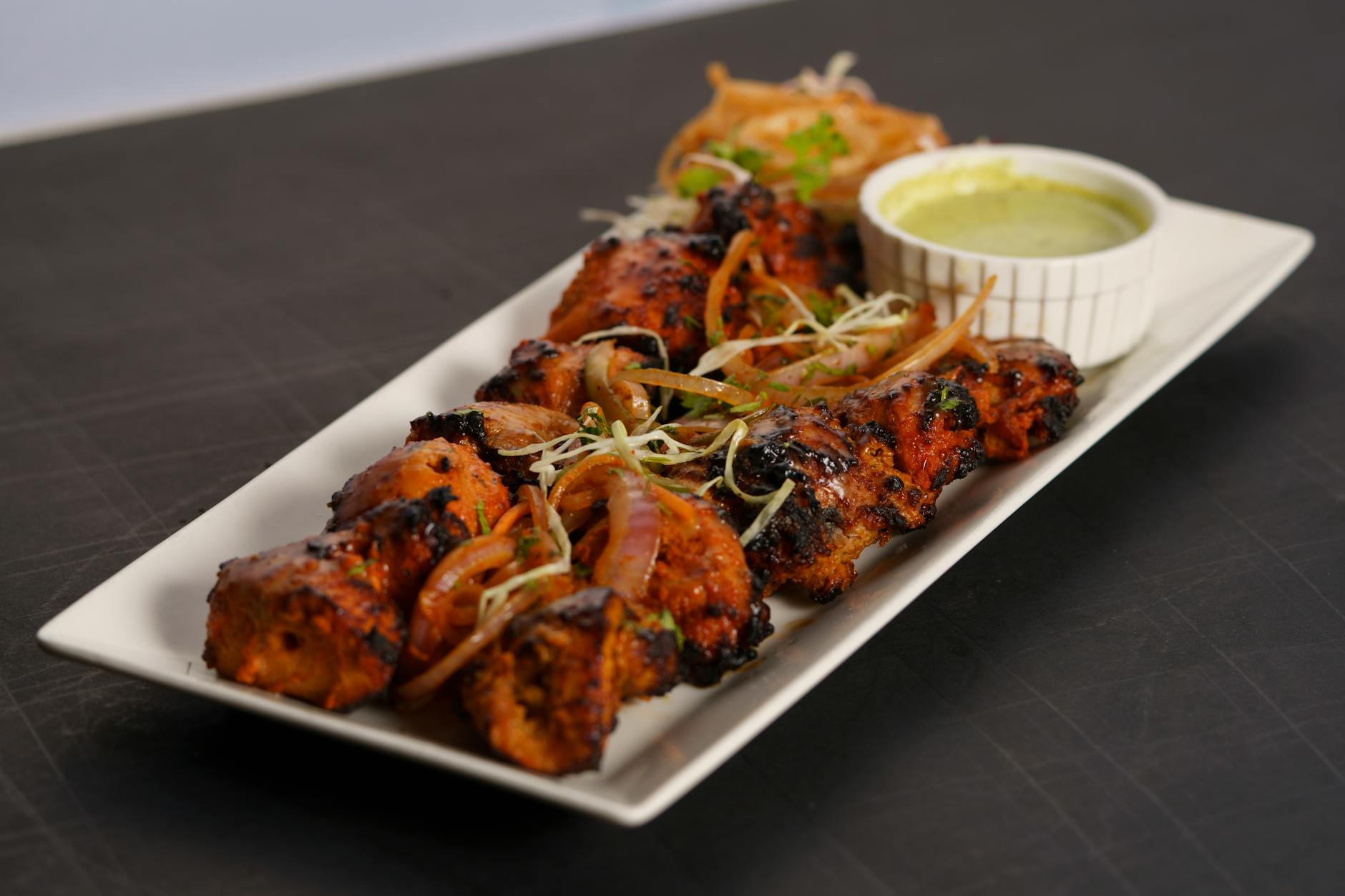
Jun 15, 2026Charred Habanero Chicken Tikka with Smoked Tomato Chutney
Tender chicken thighs get the full heat treatment in this fiery take on tikka—marinated in habanero-spiked yogurt, then charred until caramelized and served with a smoky grilled tomato chutney that doubles down on the fire. 55 min · 0 saves.
indian · hot
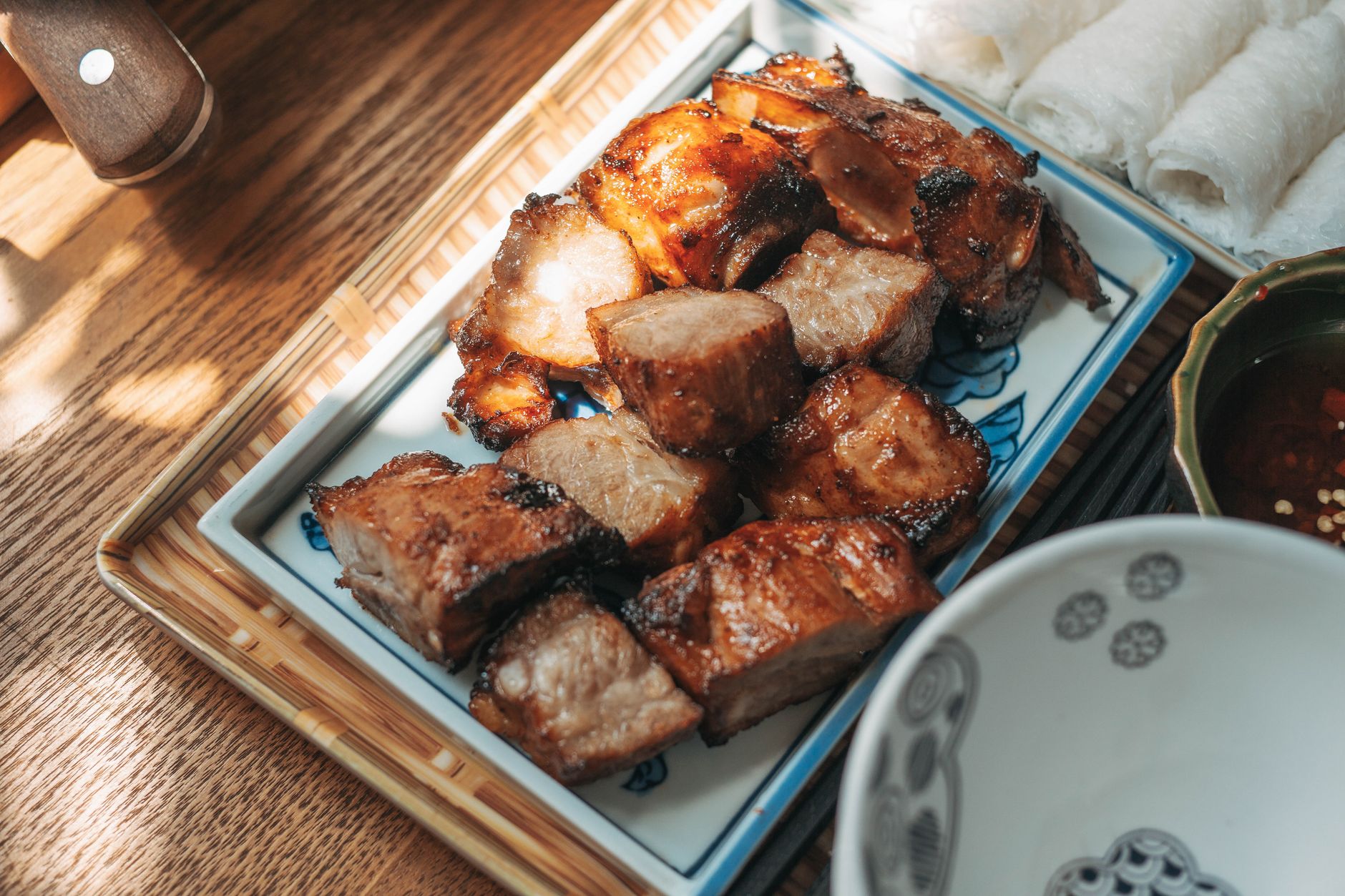
Apr 14, 2026Vindaloo with Fresh Habaneros and Tamarind
A proper Goan vindaloo that brings together fresh habaneros with traditional vinegar and tamarind for waves of heat that deepen with every spoonful. 120 min · 0 saves.

indian · inferno
Oct 7, 2026Mirchi ka Salan with Ghost Pepper and Charred Tomato
Whole ghost peppers in a deep, roasted peanut and sesame sauce with charred tomato depth. Built for cooks who know what they're after: this is extreme heat, not a mild dish dialed up. The peppers stay intact, the sauce is nutty and tangy, and the payoff is sustained, serious capsaicin. 60 min · 0 saves.
Bottle picks
Related hot sauce reviews.
Explore sauces with related ingredients, flavors, and heat levels.
Yellowbird Habanero Hot Sauce Review
A bright, carrot-forward bottle with enough heat to stay lively and enough sweetness to stay versatile.
Best for tacos
Best for: Tacos and rice bowls
Skip if: Skip if you want a classic vinegar-forward table sauce with almost no sweetness.
Read review
Queen Majesty Scotch Bonnet and Ginger Review
A bright, elegant sauce that leans on fruit, ginger, and Scotch bonnet lift instead of brute force.
Best for seafood
Best for: Seafood and fish tacos
Skip if: Skip if you want a thick, smoky wing sauce more than a bright finishing bottle.
Read review
Hot Ones Lineup Collection Review
A curated shelf-builder for tasting nights, gifts, and anyone who wants to compare heat styles side by side.
Best for gifting
Best for: Sauce subscription
Skip if: Skip if you need one exact everyday bottle instead of a discovery-style gift.
Read review
Go deeper
Background guides that build on this.
Keep reading
More on this subject.
If this post helped, these are the next pieces most likely to keep the thread going.

culture
Apr 16, 2026Andhra, Kerala, and Chettinad: Three Approaches to Spice
Compare chili-forward Andhra dishes, coconut-rich Kerala preparations, and the toasted spice blends used in Chettinad cooking.
culture
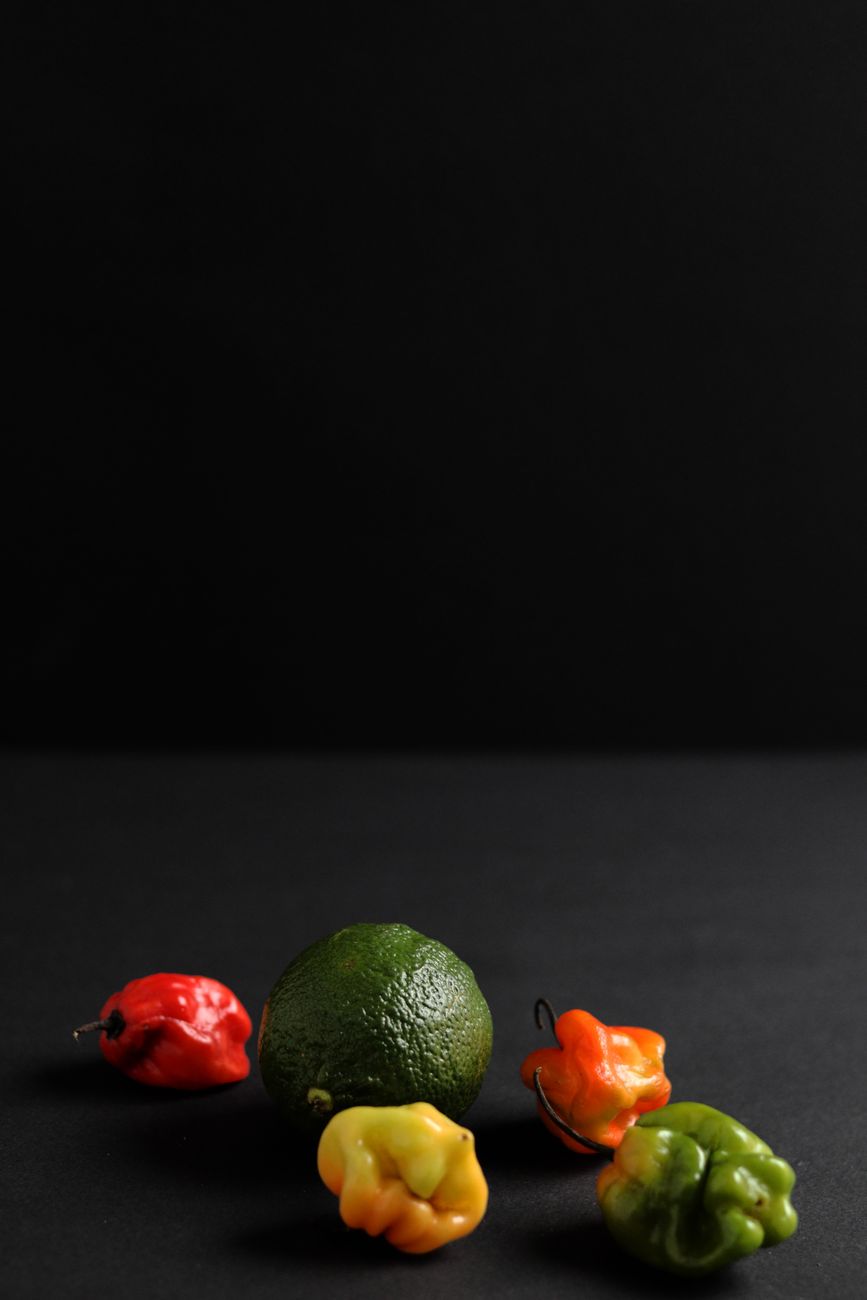
Oct 18, 2026Spicy Jamaican Dishes That Define Heat and Flavor Right Now
Jamaican cooking builds heat intentionally, not as theater. Scotch bonnets anchor the tradition—fruity, complex peppers that shape everything from jerk seasoning to table sauces. Learn how to choose them, use them, and understand why this approach to spice has stayed central to the cuisine.
culture
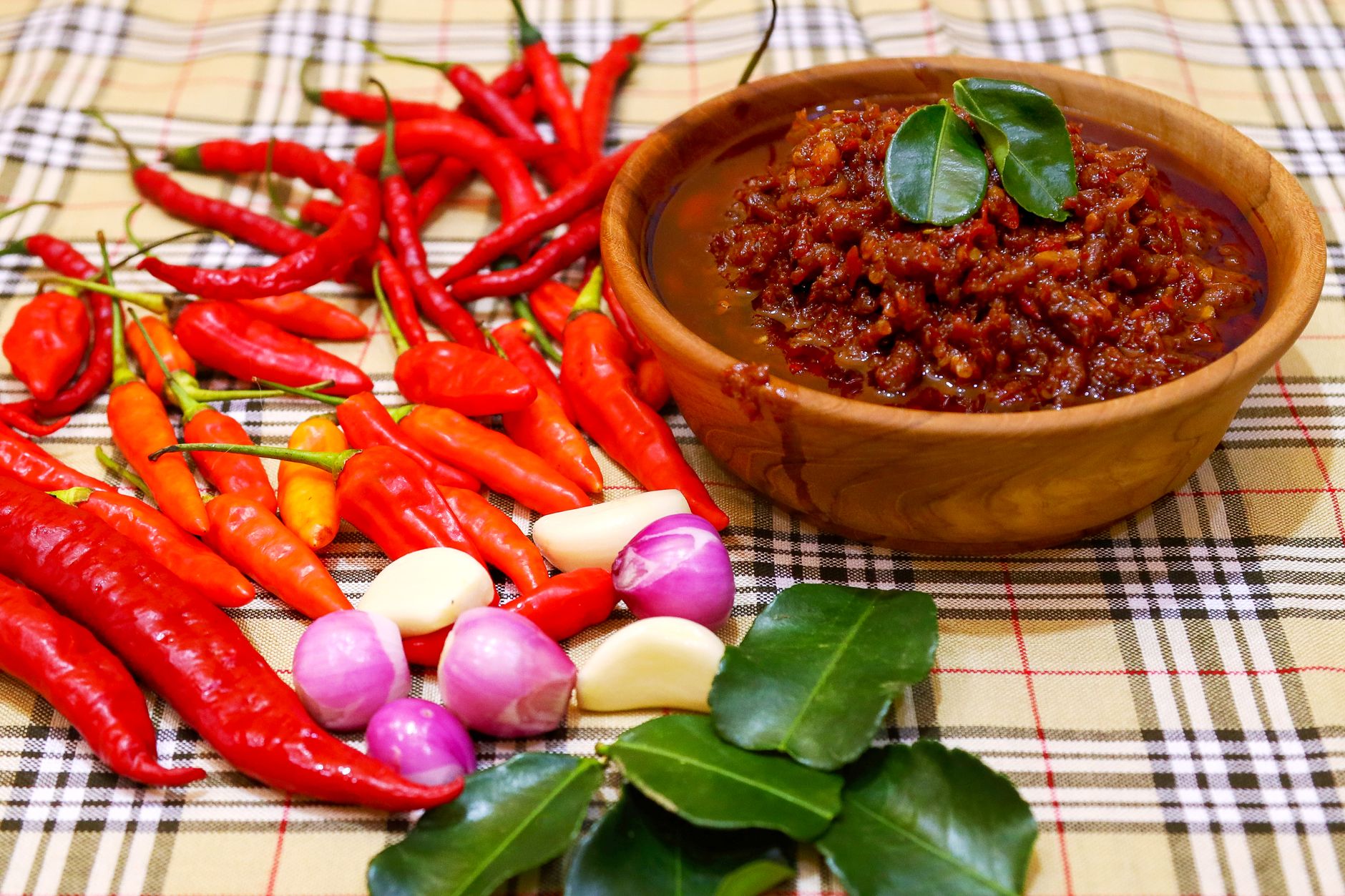
Oct 12, 2026What Malaysian Spicy Dishes Are Drawing Cooks Right Now
Malaysian heat builds in layers—through chile pastes, aromatics, and the way coconut milk carries spice. These dishes work because you can taste as you go, adjusting heat without losing the flavor underneath.
Comments
Reader discussion is shared across recipes, reviews, and editorial pieces.
Comments are read-only while member sign-in is paused.