science
Nigerian Spice Blends for Suya, Jollof Rice, and Pepper Soup
Peppers, peanuts, aromatics, and fermented seasonings play different roles in suya, jollof rice, and Nigerian pepper soup.
Share this
Pass it around
Send this page to a friend, copy the link, or save it to a Pinterest board.

Save for later
Pin this page
Save the image with a link back to this recipe, review, or article.
The Layers of Heat in Nigerian Spice Blends
Nigerian cooks build heat in layers rather than relying on a single type of chile. Walk into a kitchen where suya spice is being ground or pepper soup is simmering, and the aromas signal how many ingredients are doing work beyond just heat.
How Fermentation Adds Depth
Fermented ingredients add another layer of flavor to Nigerian spice blends. Fermented locust beans (iru), pepper pastes, and palm wine all develop savory, umami-rich flavors during fermentation, the same category of flavor found in aged parmesan or well-made soy sauce.
This combination of savory depth and varied heat sources is a big part of what makes a well-made pepper soup satisfying to keep eating even as the chile heat builds.
The Role of Aromatics
Aromatics do real work in Nigerian spice blends beyond adding scent. Fresh ginger, garlic, curry leaves, and thyme each contribute distinct flavors that shape how a dish tastes alongside the heat.
- Fresh ginger and garlic add sharpness alongside the pepper
- Bay leaves and thyme contribute cooling, herbal notes that offset the heat
- Curry leaves add bright, citrusy notes that lighten heavy stews
- Scent leaves (efirin) bring basil-like aromatics common in Nigerian soups and stews
These aromatics are part of why pepper soup reads as comforting despite its heat: the warm, familiar spicing balances the sharper pepper notes.
Balancing Heat Across Different Tolerances
Jollof rice combines rice with a seasoned tomato base. The rice starches absorb some of the pepper oils, while the tomato base adds acidity that cuts through the heat. Together these elements make the dish approachable across a range of spice preferences, even when the pepper content is substantial.
If you're adjusting these dishes at home, start with less chile than the recipe calls for and add more toward the end of cooking, tasting as you go. Fresh chilies added late keep more of their bite; chilies simmered longer mellow out.
A Dish Meant for Sharing
Nigerian spicy dishes are often built around sharing. Pepper soup, in particular, is traditionally served family-style, with everyone eating from the same pot. That communal format is part of the dish's character: the shared meal and the practical experience of managing heat together are as much a part of the tradition as the spice blend itself.
Cook with this idea
Recipes to try next.
Put these ingredients and techniques to use in your next meal.

other · hot
Oct 8, 2026Sambal Udang Petai
Stir-fried prawns with stink beans and fiery sambal, built on shallots, garlic and bird's eye chillis. A weeknight dinner that delivers serious heat without lengthy prep. 18 min · 0 saves.
other · hot
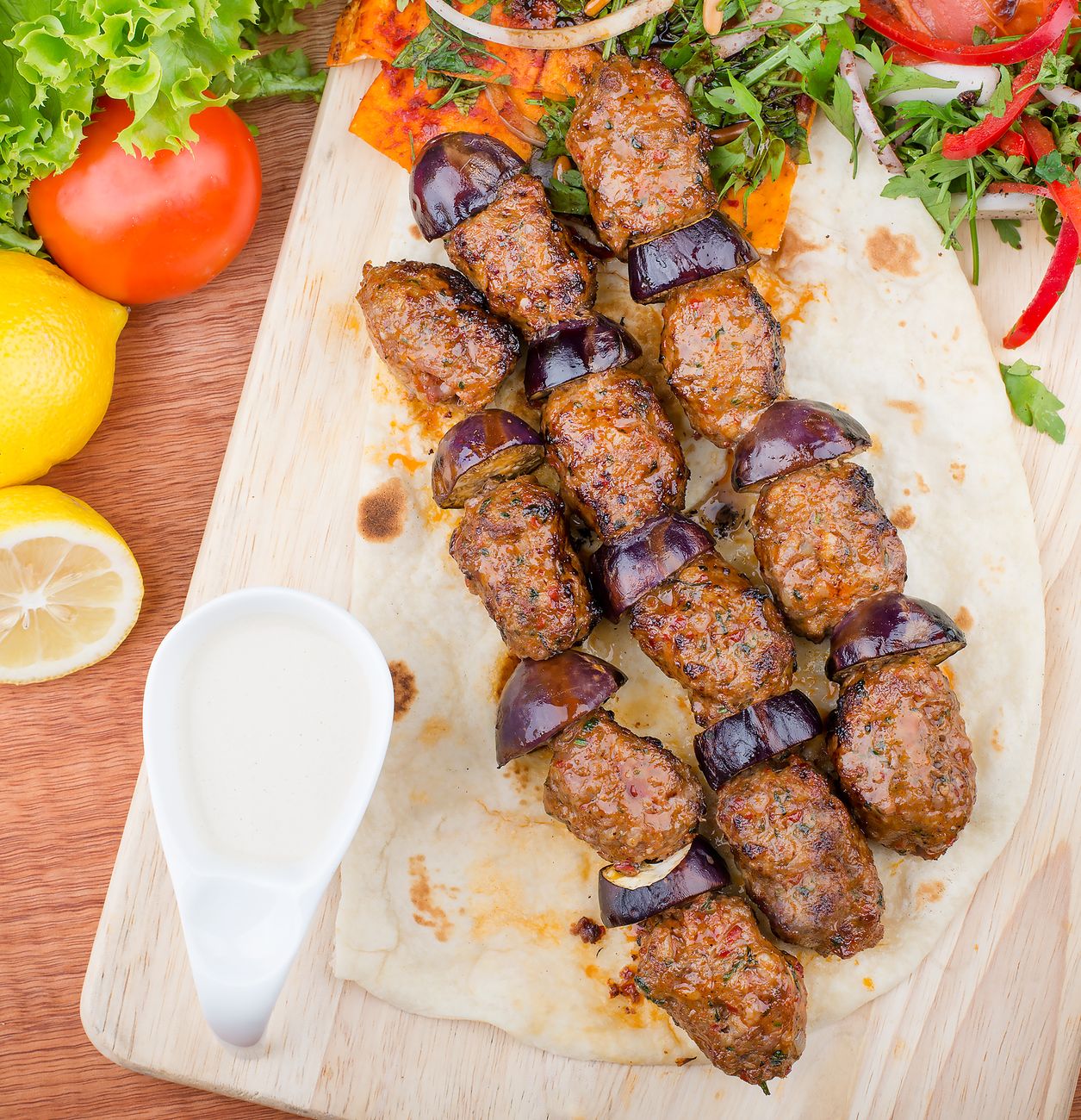
Sep 7, 2026Adana Kebab with Charred Chilli and Sumac
Ground lamb pressed onto flat metal skewers and grilled hard over flame until blackened and crackling on the outside, tender and juicy within. This Turkish street classic gets its serious kick from fresh red chilli ground into the meat and dried Aleppo chilli that brings warmth and fruity depth. The grill is non-negotiable—charcoal or gas flame gives you the char and smoke that makes this dish sing. 32 min · 0 saves.

other · hot
Jun 8, 2026Moqueca de Camarão with Malagueta Fire
Brazilian coconut shrimp stew spiked with fresh malagueta and habanero peppers for serious heat 35 min · 0 saves.
Bottle picks
Related hot sauce reviews.
Explore sauces with related ingredients, flavors, and heat levels.
Fly By Jing Sichuan Gold Review
A citrusy, tingly sauce with real peppercorn presence and enough versatility to move beyond dumplings.
Best for dumplings
Best for: Eggs and breakfast tacos
Skip if: Skip if you want a thick, smoky wing sauce more than a bright finishing bottle.
Read review
Heatonist Los Calientes Rojo Review
Heatonist Los Calientes Rojo: flavor notes, heat level, and suggested food pairings.
Best for tacos
Best for: Tacos and rice bowls
Skip if: Skip if you are chasing a novelty-level heat hit or a super-special-occasion bottle.
Read review
Yellowbird Habanero Hot Sauce Review
A bright, carrot-forward bottle with enough heat to stay lively and enough sweetness to stay versatile.
Best for tacos
Best for: Tacos and rice bowls
Skip if: Skip if you want a classic vinegar-forward table sauce with almost no sweetness.
Read review
Go deeper
Background guides that build on this.
Keep reading
More on this subject.
If this post helped, these are the next pieces most likely to keep the thread going.

science
Jun 14, 2026Filipino Cooking with Chili, Vinegar, and Coconut Milk
Explore the use of chili, vinegar, coconut milk, and fermented ingredients in Filipino dishes such as Bicol express and laing.
science
May 25, 2026Scotch Bonnets, Palm Oil, and Fermented Seasonings in Nigerian Cooking
Learn how scotch bonnets, palm oil, and fermented seasonings are used in Nigerian dishes, with practical ideas for adjusting the heat.
science
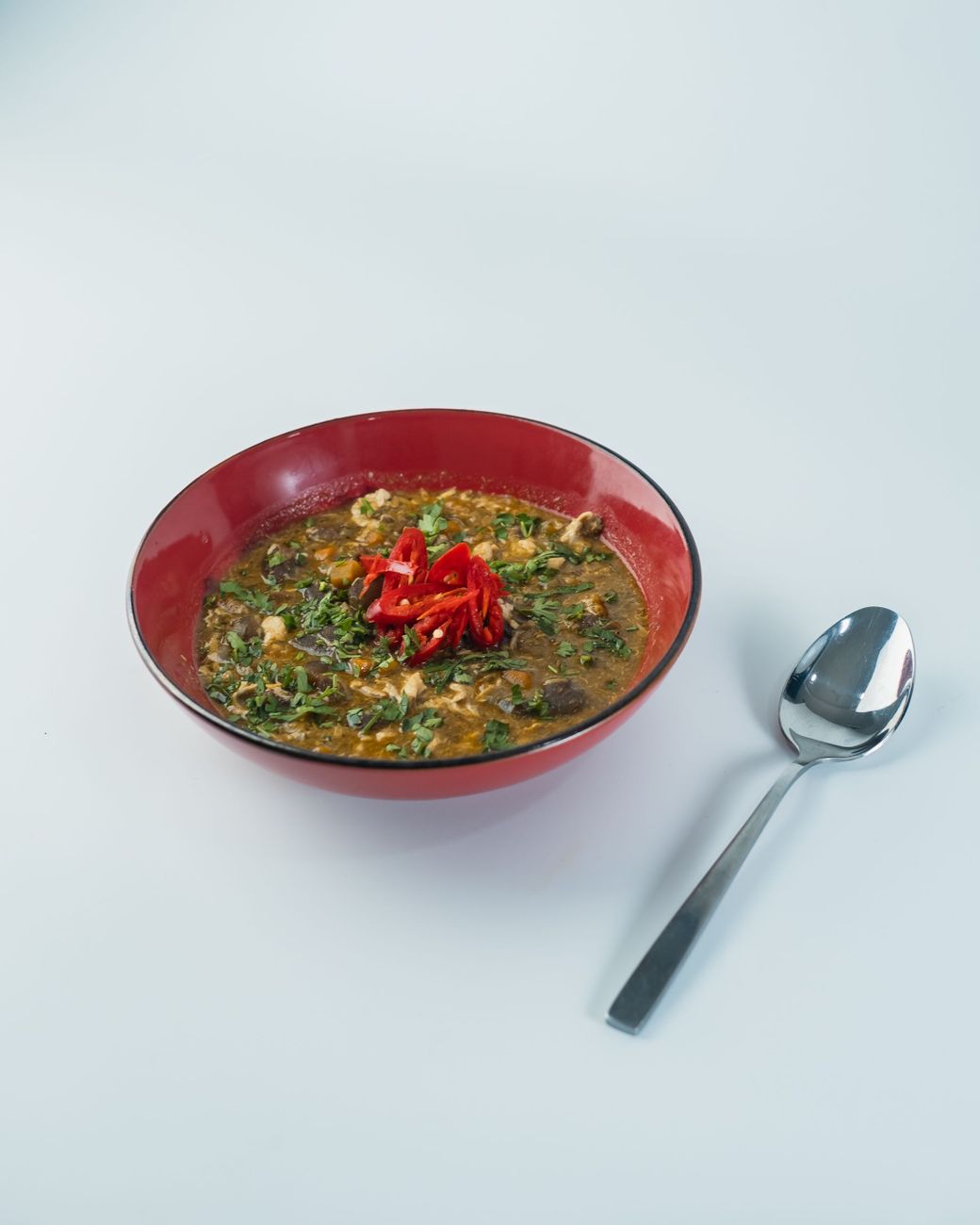
May 21, 2026Nigerian Pepper Soup: Peppers, Broth, and Aromatics
Look inside a pot of Nigerian pepper soup: its peppers, clear broth, and aromatic seasonings, plus ways to adjust the seasoning.
Comments
Reader discussion is shared across recipes, reviews, and editorial pieces.
Comments are read-only while member sign-in is paused.