
science
Scotch Bonnet Sauce, Jerk Marinade, and Curry Goat
Compare scotch bonnet sauce, a jerk marinade, and curry goat, with a focus on aromatics, char, and slow cooking rather than maximum heat.
Share this
Pass it around
Send this page to a friend, copy the link, or save it to a Pinterest board.

Save for later
Pin this page
Save the image with a link back to this recipe, review, or article.
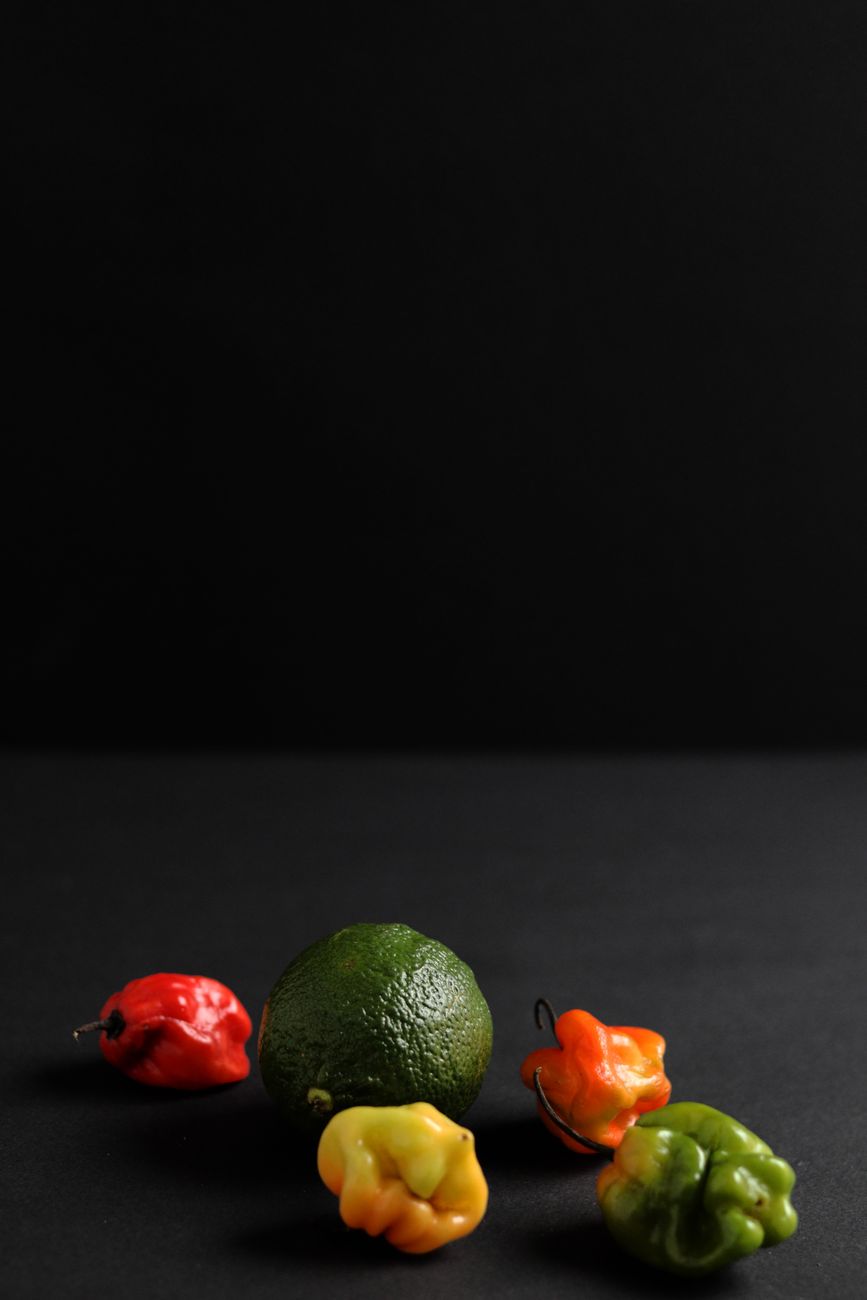
Scotch Bonnet and Aromatics
Scotch bonnets are often paired with other seasonings in Jamaican cooking. They're paired with allspice, thyme, and garlic, and that combination matters: the herbal, slightly cooling notes from thyme and the warm, clove-like depth of allspice balance the pepper's heat instead of just adding more of it. The result is a sauce or dish where the fruitiness of the pepper and the aromatics are as noticeable as the burn.
Because ripeness and preparation vary, a good scotch bonnet sauce can taste slightly different from batch to batch—sometimes more fruit-forward, sometimes sharper with heat—depending on how the peppers were handled.
The Jerk Marinade Build
Soy sauce and browning sauce add umami depth, giving the marinade a savory backbone that stands up to the char from grilling or roasting.
The cooking method matters here too. High heat chars the surface sugars in the marinade while the interior stays moist, so you get a contrast between a charred, slightly bitter exterior and a sweeter, more heavily marinated interior. That contrast in texture and flavor is a big part of what makes jerk chicken or pork distinct from other grilled or smoked meats.
Slow-Cooked Curry Goat
Curry blends vary. In curry goat, the curry powder, peppers, and other seasonings build flavor together. Cinnamon and allspice don't cancel out the heat—they add a different kind of warmth, so the dish reads as spiced and comforting even as the scotch bonnet keeps the heat present.
Slow braising is what pulls the dish together. Hours of low, steady cooking break down tough goat meat into a tender, gelatin-rich texture, while giving the spice blend time to fully penetrate the meat rather than sitting on the surface. The finished dish typically delivers:
- A rich, fatty mouthfeel from rendered collagen
- Heat that builds gradually rather than hitting all at once
- Deep savory flavor from long-cooked meat and aromatic vegetables
- Warming spice notes from cinnamon and allspice
- A fragrant aroma from allspice and thyme released during the long cook
Cooking at Home
What makes these three approaches useful for a mixed table is that none of them rely on heat alone. Scotch bonnet sauce brings fruitiness and aromatics alongside the burn. Jerk marinade layers sweet, salty, smoky, and spicy elements. Curry goat combines warming spice with a rich, slow-cooked texture. That means someone with lower spice tolerance can still taste sweetness, umami, or warm spice notes, while someone who wants more heat gets it too.
This balance—rather than heat for its own sake—is a big part of why these dishes hold up to repeated cooking and eating. Each one gives you more than a single sensation to focus on, which is worth keeping in mind whether you're adjusting a recipe's scotch bonnet count up or down or deciding how long to let a curry goat braise.
Peppers featured in this post
Cook with this idea
Recipes to try next.
Put these ingredients and techniques to use in your next meal.

jamaican · hot
Oct 19, 2026Scotch Bonnet Butter Noodles with Charred Scallions and Plantain
Jamaican-style egg noodles tossed with Queen Majesty Scotch Bonnet and Ginger sauce, browned butter, and crispy fried plantains. The sauce brings bright ginger and citrus heat without overwhelming the noodles, while crispy plantain adds textural contrast. 45 min · 0 saves.
jamaican · hot
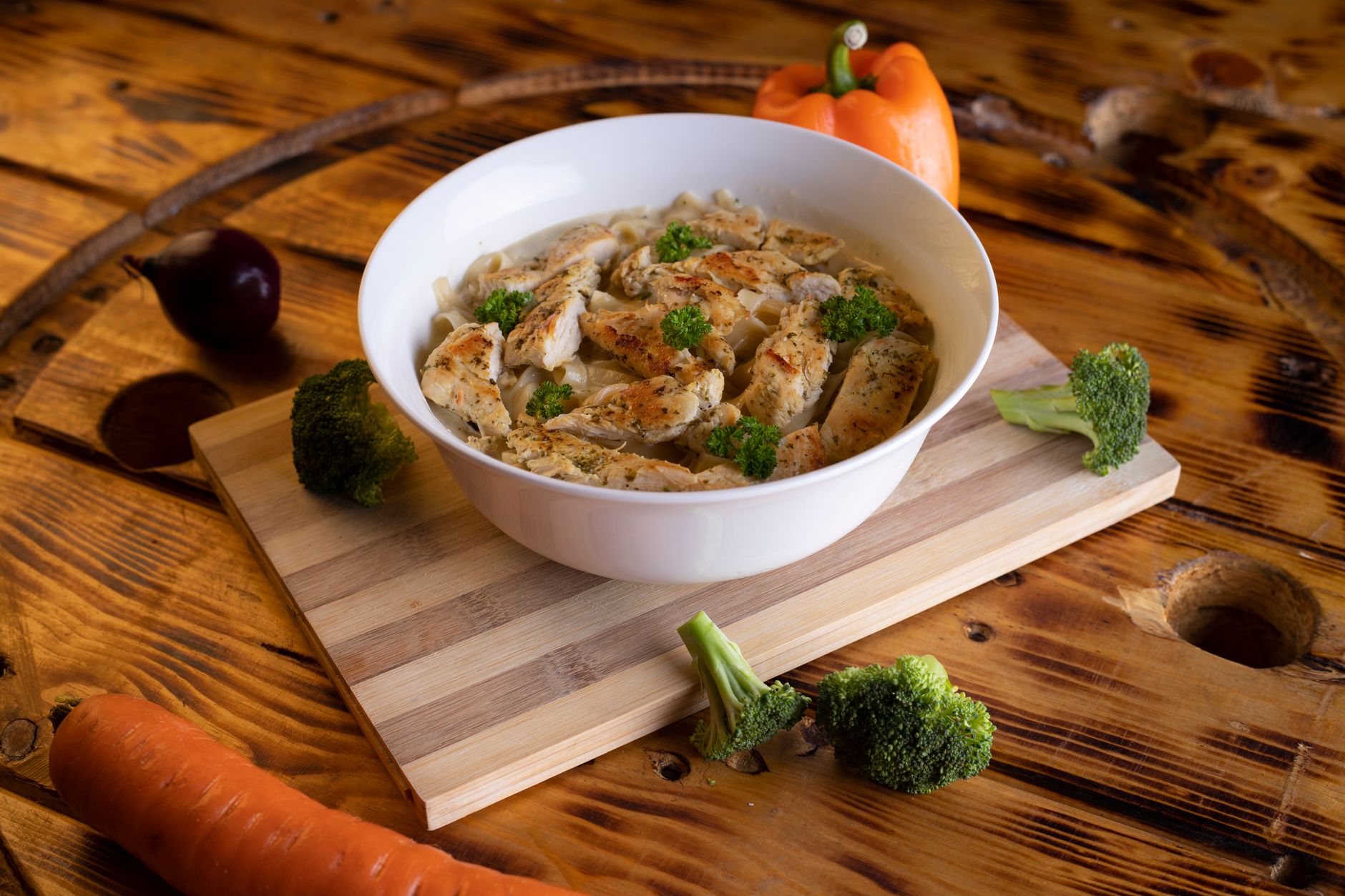
Jun 5, 2026Scotch Bonnet Rasta Pasta with Jerk Chicken
Silky coconut pasta dancing with colorful bell peppers and perfectly seasoned jerk chicken, warmed by whole scotch bonnet peppers that bring authentic Jamaican fire to your dinner table. 45 min · 0 saves.

jamaican · hot
May 29, 2026Jamaican Curry Goat with Scotch Bonnet Heat
A rich, aromatic curry goat that builds serious heat with scotch bonnet peppers, coconut milk, and traditional Jamaican spices—the kind that makes you sweat happily with every spoonful. 145 min · 0 saves.
Bottle picks
Related hot sauce reviews.
Explore sauces with related ingredients, flavors, and heat levels.
Queen Majesty Scotch Bonnet and Ginger Review
A bright, elegant sauce that leans on fruit, ginger, and Scotch bonnet lift instead of brute force.
Best for seafood
Best for: Seafood and fish tacos
Skip if: Skip if you want a thick, smoky wing sauce more than a bright finishing bottle.
Read review
Yellowbird Habanero Hot Sauce Review
A bright, carrot-forward bottle with enough heat to stay lively and enough sweetness to stay versatile.
Best for tacos
Best for: Tacos and rice bowls
Skip if: Skip if you want a classic vinegar-forward table sauce with almost no sweetness.
Read review
Fly By Jing Sichuan Gold Review
A citrusy, tingly sauce with real peppercorn presence and enough versatility to move beyond dumplings.
Best for dumplings
Best for: Eggs and breakfast tacos
Skip if: Skip if you want a thick, smoky wing sauce more than a bright finishing bottle.
Read review
Go deeper
Background guides that build on this.
Keep reading
More on this subject.
If this post helped, these are the next pieces most likely to keep the thread going.
science
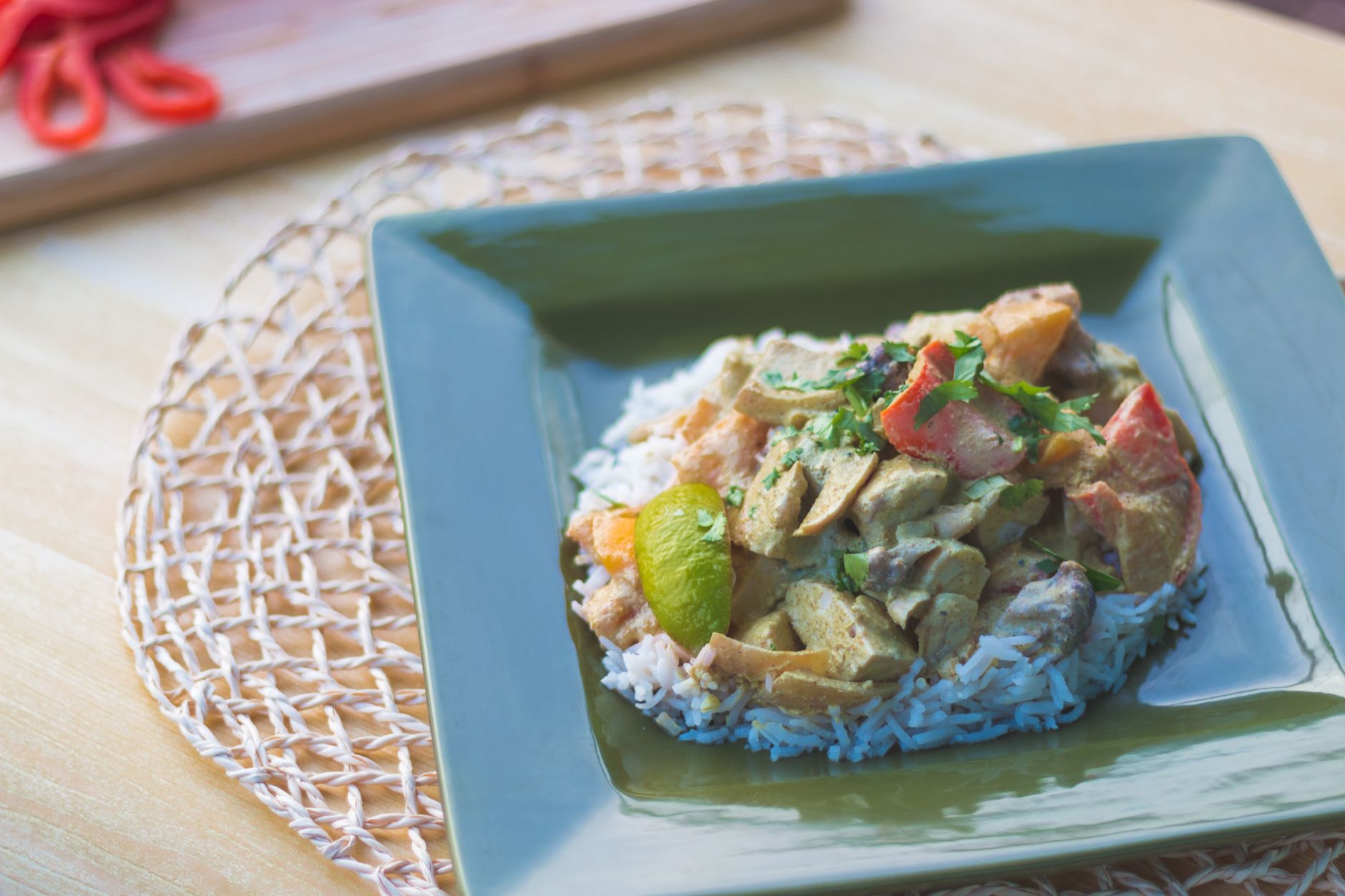
Jun 10, 2026Jamaican Jerk, Curry, and Pepper Shrimp
Jerk, curry, and pepper shrimp use different combinations of scotch bonnet, spice, smoke, and aromatics in Jamaican cooking.
science
Apr 10, 2026Scotch Bonnet and Allspice in Jamaican Cooking
Scotch bonnet peppers, allspice, thyme, and slow cooking shape the seasoning in jerk, curry goat, and brown stew fish.
science
Oct 10, 2026Why Chili Oil and Numbing Heat Drive the Spiciest Chinese Dishes Right Now
Two kinds of heat drive the spicy Chinese dishes worth craving: the numbing tingle of Sichuan peppercorn and the slow burn of infused chili oil. Learn how they work together, which dried chilies matter, and how to build layered heat that enhances flavor instead of flattening it.
Comments
Reader discussion is shared across recipes, reviews, and editorial pieces.
Comments are read-only while member sign-in is paused.