
science
Greek Peppers, Pickles, and Spicy Mezze
Explore Greek peppers, spicy feta spreads, pickled vegetables, and mezze, with attention to texture and seasoning choices.

Share this
Pass it around
Send this page to a friend, copy the link, or save it to a Pinterest board.

Save for later
Pin this page
Save the image with a link back to this recipe, review, or article.
The Pepper That Changed Greek Cooking Forever
Florina peppers bring a sweet, smoky character alongside their heat, and that combination has made this Northern Greek variety the backbone of the country's spiciest preparations. Compared to sharper peppers like jalapeños or the higher heat of habaneros, Florina peppers are mild, with sweetness that comes through before much warmth registers.
Florina peppers are grown in Macedonia, in northern Greece, where hot summers and cool nights suit sweet pepper varieties. They're mild by pepper standards, with more emphasis on sweetness and smokiness than intense heat.
Greek cooks have built dishes around this balance. Spicy tirokafteri, a whipped feta and pepper spread found on many mezze tables, relies on Florina peppers for heat that doesn't overwhelm the cheese's sharp tang. The peppers are fire-roasted first, which caramelizes their sugars and adds smoky notes alongside the feta's tang.
Fermentation Meets Fire: How Greek Cooks Layer Heat
Contemporary Greek spicy cooking often focuses less on turning up the heat and more on layering fermented flavors with peppers. This combination works for people who want intense heat and those who prefer milder spice, since the fermented ingredients add their own flavor alongside the pepper.
Spicy avgotaracho spreads follow this principle. Traditional bottarga is mixed with hot pepper paste, olive oil, and sometimes a touch of fermented lemon juice. The fish roe's brininess plays against the pepper heat, while the fermented ingredients add sourness that complements both.
Spicy versions of melitzanosalata follow a similar fermentation-plus-heat approach. The eggplant is charred over open flame until the skin blackens and the flesh turns silky and smoky. Mixed with hot peppers, garlic, and olive oil, then left to sit so the flavors meld, the spread combines smokiness from the charred eggplant with heat from the peppers.
The New Greek Heat: Beyond Traditional Boundaries
Contemporary Greek cooking has started borrowing peppers and techniques from beyond the country's borders, generally emphasizing balance and gradual heat rather than intensity alone. Calabrian chilies show up in Greek-style preparations, their fruity heat combined with olive oil and lemon. Urfa biber, a Turkish pepper with smoky heat and relatively mild spice, appears in modern versions of traditional dishes.
What makes these additions work is how Greek cooks approach them. Rather than simply dumping hot peppers into existing recipes, the best contemporary Greek spicy dishes rethink the entire flavor structure:
- Heat as foundation, not afterthought: The pepper choice drives the dish's development rather than getting tacked on at the end
- Fat as flavor carrier: Generous olive oil adds richness and helps distribute the pepper's flavor evenly through a dish
- Acid for balance: Lemon, vinegar, or fermented elements cut through the heat while enhancing the peppers' natural flavors
- Time for integration: Most Greek spicy preparations improve after sitting, allowing flavors to meld together
Spicy Greek-style grilled octopus follows this approach. The octopus is marinated in olive oil infused with hot peppers, lemon juice, and herbs, then grilled over high heat. The char adds smokiness, while the olive oil carries the pepper heat onto the octopus. Served with a drizzle of the marinade and a squeeze of fresh lemon, the dish balances heat with the octopus's natural sweetness.
How Greek Cooks Balance Heat With Other Flavors
Greek cooking pairs peppers with fat (olive oil), acid (lemon, vinegar), and umami (cheese, olives, anchovies). These elements are foundational to Greek cuisine generally, and in spicy dishes they keep the heat from being the only thing you taste.
Olive oil carries the pepper's flavor throughout a dish rather than leaving it concentrated in one bite. The acids commonly used in Greek cooking, like lemon and vinegar, brighten the heat rather than dulling it. Umami ingredients, whether aged cheese, cured fish, or fermented vegetables, add savory depth alongside the heat.
A well-made tirokafteri invites more bread to scoop it up, since the cheese, olive oil, and peppers each contribute something different to the flavor, unlike a straight hot sauce that offers heat with less variation.
Greek spicy dishes generally aim for balance rather than maximum heat. Whether you're used to ghost peppers or find black pepper spicy enough, Greek-style preparations use fat, acid, and umami alongside peppers rather than relying on heat alone.
Cook with this idea
Recipes to try next.
Put these ingredients and techniques to use in your next meal.
other · medium
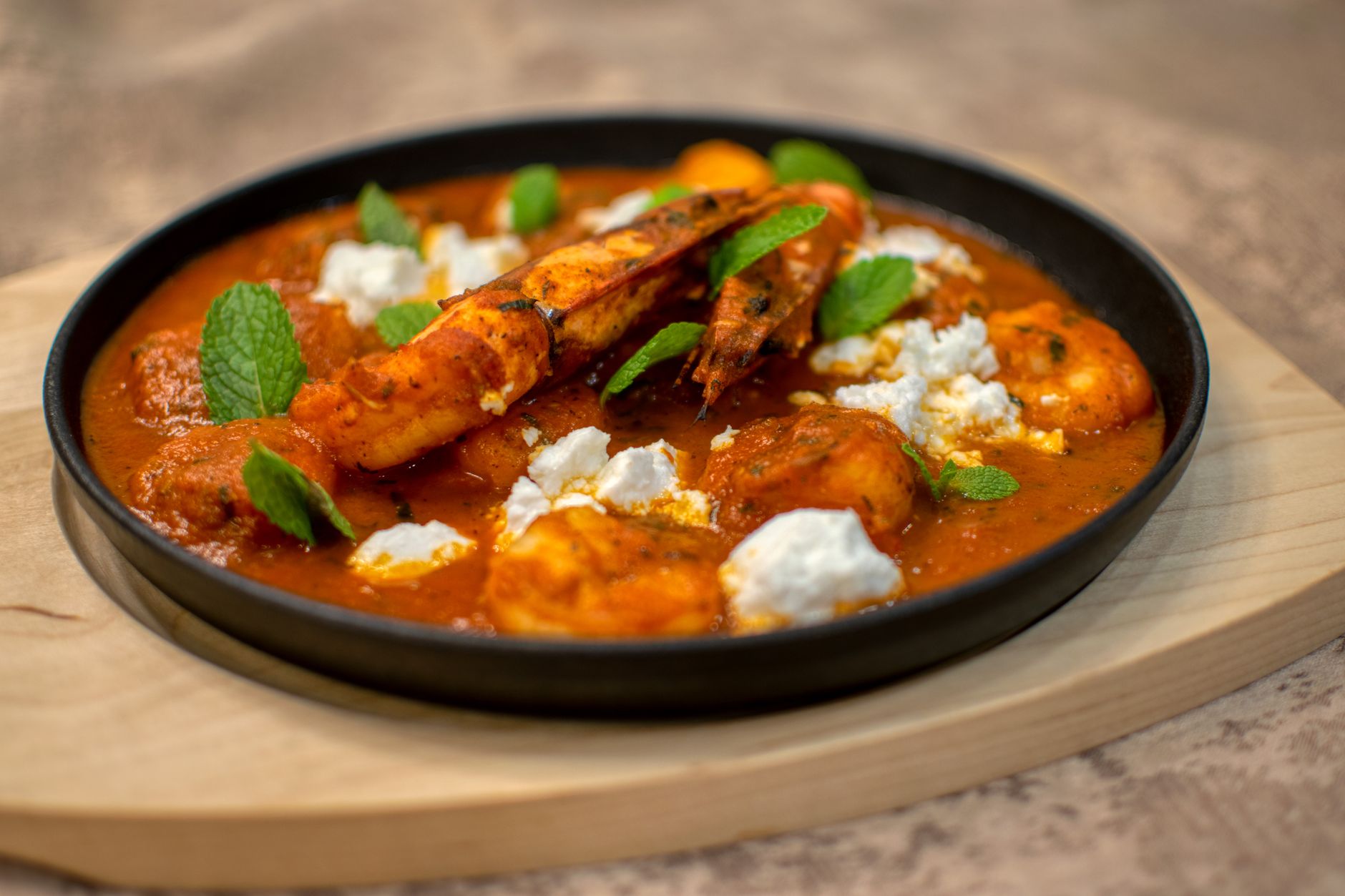
Oct 19, 2026Shrimp Saganaki with Chilli and Feta
Pan-seared shrimp finished with a warm tomato sauce, crumbled feta, and dried chilli heat—a Greek seafood dish that cooks in one skillet. 25 min · 0 saves.

other · medium
Oct 11, 2026Rendang Daging (Malaysian Beef Rendang)
A slow-braised beef stew where fresh red chillies, garlic, ginger and galangal break down into a paste, then simmer in coconut milk until the liquid reduces to a glossy, spiced glaze clinging to each piece of meat. The beef becomes tender enough to break with a spoon, and the heat builds gradually from the chillies and warm spices—cardamom, cloves, cinnamon—rather than arriving sharp and alone. 115 min · 0 saves.

other · medium
Oct 9, 2026Moqueca de Camarão com Pimenta
A Brazilian seafood stew where shrimp braise gently in coconut milk with red peppers, garlic, coriander, and fresh malagueta chillies. The heat builds slowly from the whole peppers simmered in the sauce, so you taste the shrimp's sweetness and the garlic's depth before any burn catches up. 40 min · 0 saves.
Bottle picks
Related hot sauce reviews.
Explore sauces with related ingredients, flavors, and heat levels.
Fly By Jing Sichuan Gold Review
A citrusy, tingly sauce with real peppercorn presence and enough versatility to move beyond dumplings.
Best for dumplings
Best for: Eggs and breakfast tacos
Skip if: Skip if you want a thick, smoky wing sauce more than a bright finishing bottle.
Read review
Heatonist Los Calientes Rojo Review
Heatonist Los Calientes Rojo: flavor notes, heat level, and suggested food pairings.
Best for tacos
Best for: Tacos and rice bowls
Skip if: Skip if you are chasing a novelty-level heat hit or a super-special-occasion bottle.
Read review
Yellowbird Habanero Hot Sauce Review
A bright, carrot-forward bottle with enough heat to stay lively and enough sweetness to stay versatile.
Best for tacos
Best for: Tacos and rice bowls
Skip if: Skip if you want a classic vinegar-forward table sauce with almost no sweetness.
Read review
Go deeper
Background guides that build on this.
Keep reading
More on this subject.
If this post helped, these are the next pieces most likely to keep the thread going.
science
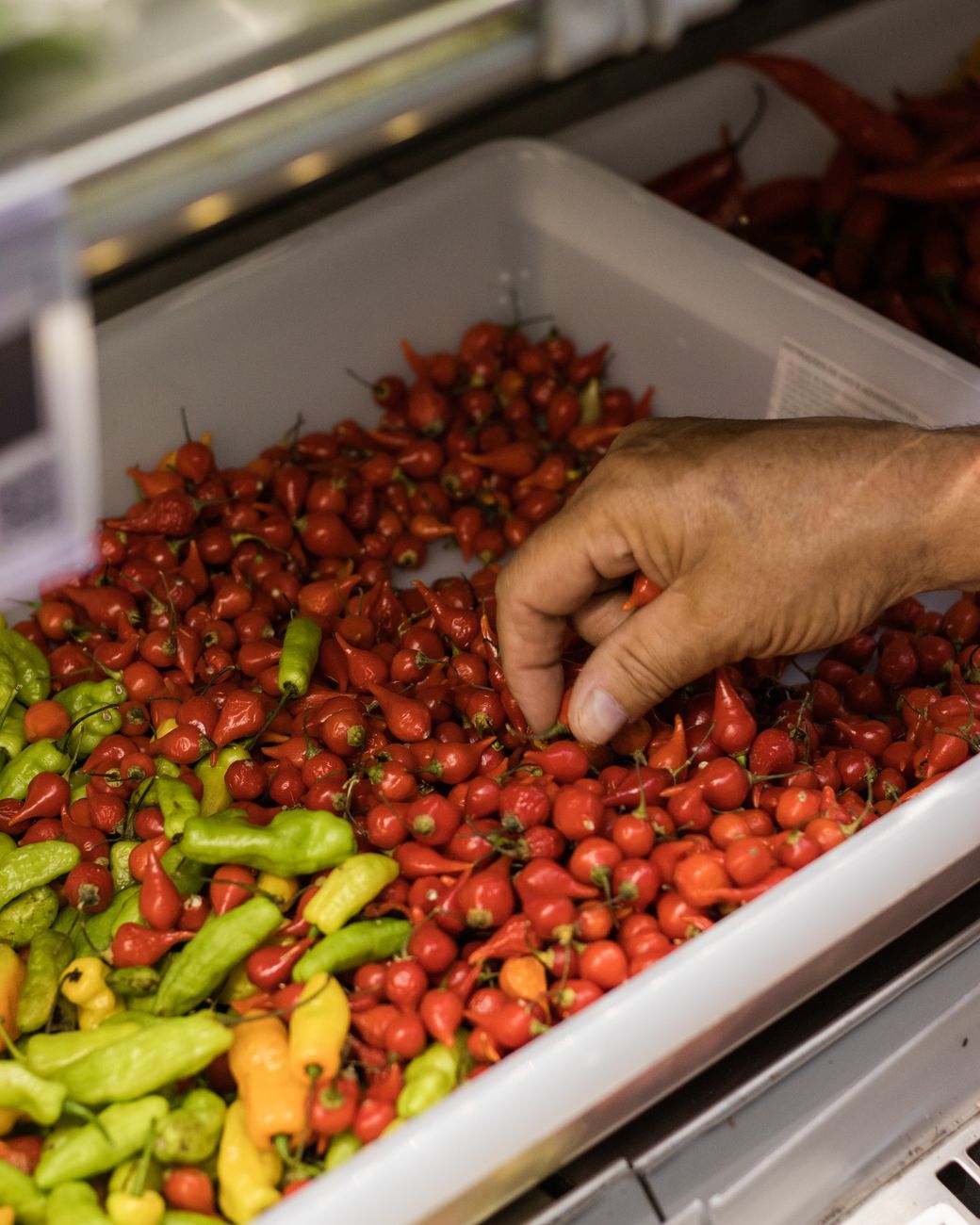
Sep 7, 2026Why Spicy Brazilian Cooking Is Having a Moment—And What You Should Actually Cook
Brazilian heat culture goes way beyond malagueta peppers—and it's finally getting the attention it deserves. We're breaking down the regional spicy dishes actually worth cooking right now, from Bahian dendê-fired seafood to São Paulo's fermented pimenta biquinho renaissance, plus why this approach to building heat (layered, craveable, never punishing) is exactly what home cooks are hungry for.
science
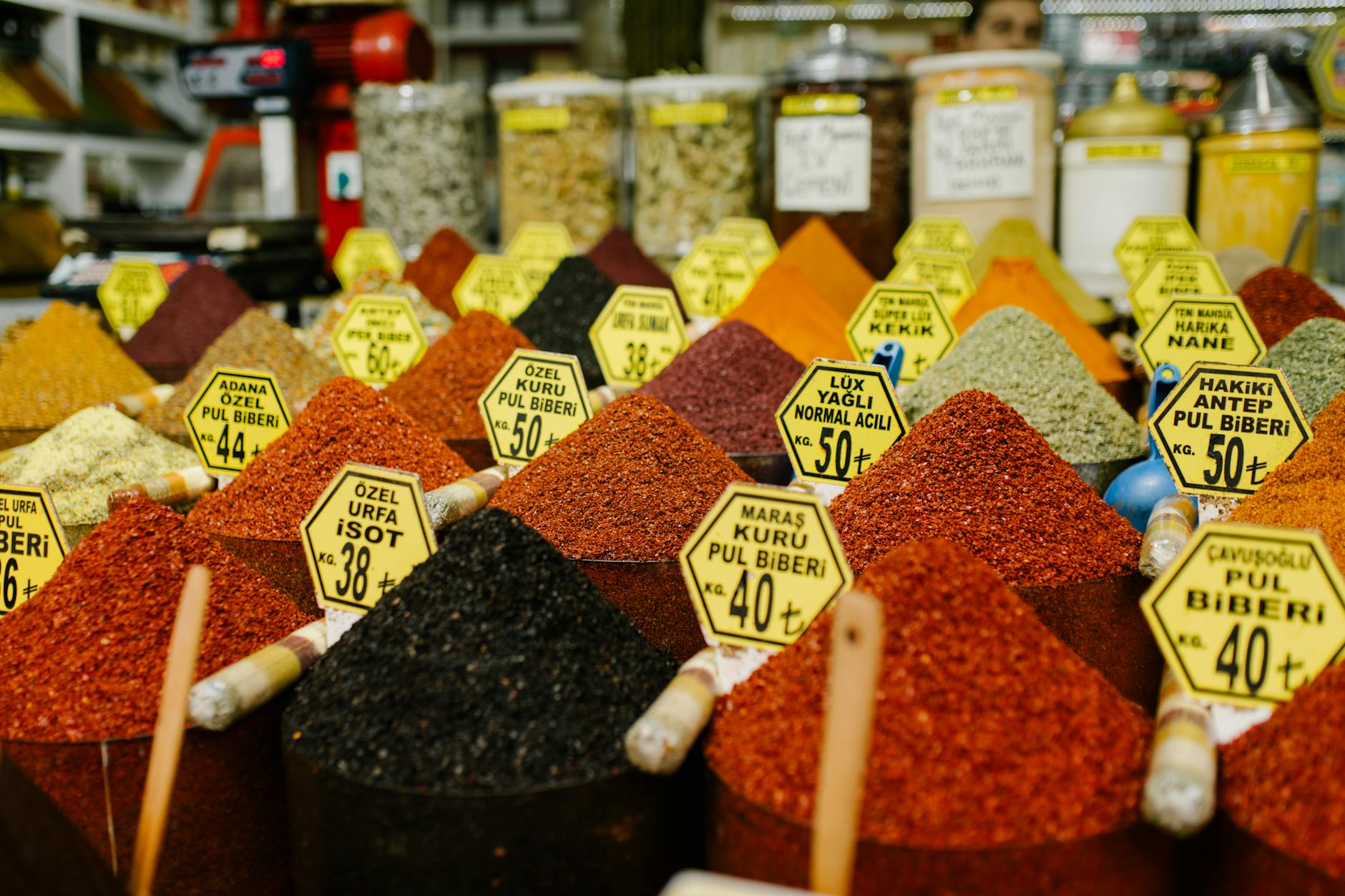
Jun 12, 2026Urfa Biber: How Turkish Dried Peppers Are Prepared and Used
A guide to Urfa biber and Turkish dried-pepper preparation, with ideas for seasoning dishes without relying on a single measure of heat.
science
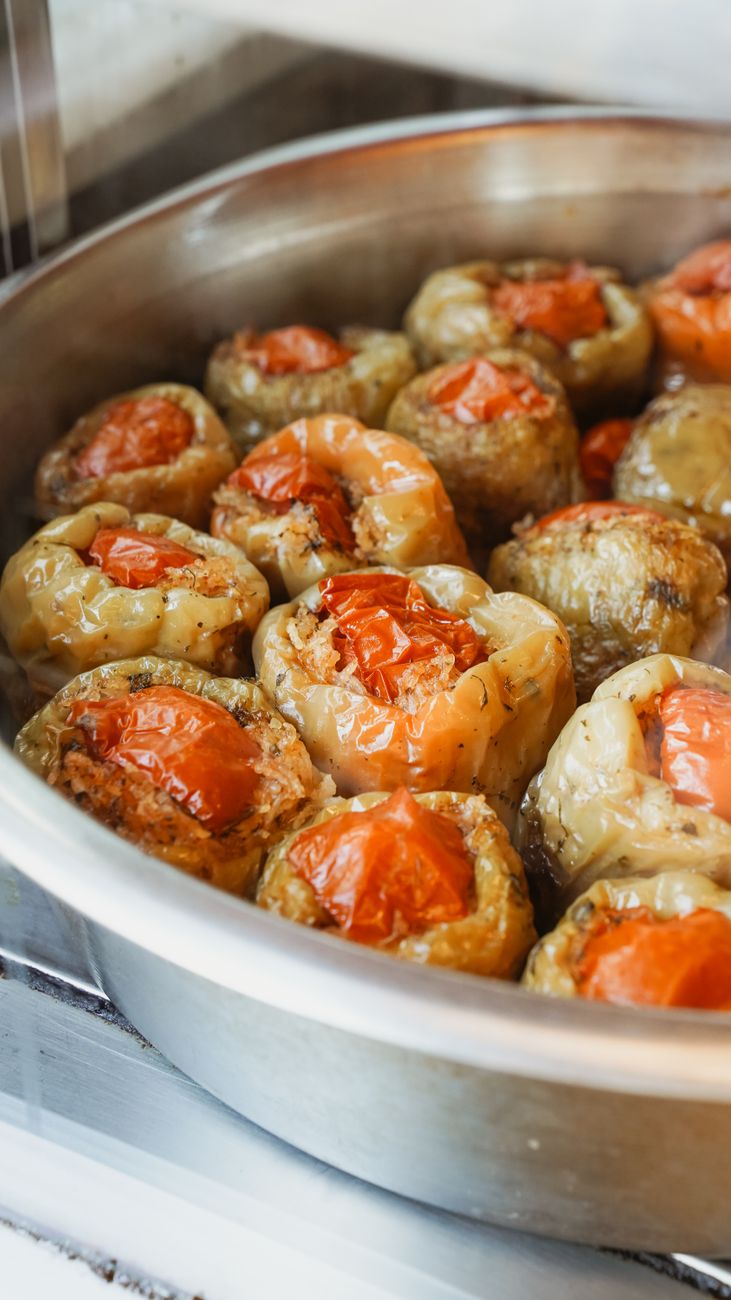
Jun 1, 2026Greek Spiced Dishes: Gemista, Horiatiki, and Table Seasonings
Gemista, horiatiki, and pepper-seasoned Greek dishes offer different ways to combine vegetables, cheese, herbs, and acidity.
Comments
Reader discussion is shared across recipes, reviews, and editorial pieces.
Comments are read-only while member sign-in is paused.