
science
Tempering, Wet-Grinding, and Combining Fresh and Dried Chiles
Tempering whole spices, grinding fresh pastes, and combining fresh and dried chiles each change how a dish is seasoned.

Share this
Pass it around
Send this page to a friend, copy the link, or save it to a Pinterest board.

Save for later
Pin this page
Save the image with a link back to this recipe, review, or article.
Tempering, Wet-Grinding, and Combining Fresh and Dried Chiles
Indian dishes like rasam and Chettinad curry have a habit of making you think about the next bowl before you've finished the first. That pull comes down to how the spices are handled, not just what's in the pot.
Three techniques show up again and again in the Indian dishes people keep making: tempering whole spices in hot oil, grinding fresh spice pastes instead of using pre-ground ones, and combining fresh and dried chiles in the same dish. Understanding how each one works can change how you cook Indian food at home.
How the Ingredients Work Together
If you've never made proper tadka (or thalippu, if you're cooking South Indian), you're missing one of the most important techniques in Indian cooking. This isn't about warming spices—it's about transforming them.
When mustard seeds hit hot oil, they turn from a sharp, bitter raw seed into something nutty and mellow, cracking and popping as they cook. Cumin seeds darken and turn fragrant as they sizzle. Dried chiles bloom into something richer and more complex than they are whole.
But timing is everything here. Wait for those mustard seeds to actually pop—you'll hear them crackling like tiny firecrackers. Let cumin seeds get properly dark without crossing into bitter territory. Dried chiles should puff slightly and smell toasted, never acrid.
Pour sizzling tadka over a pot of rasam and watch that tamarind-tomato base change immediately—thin and sour becomes rounder, with warmth that builds on your tongue instead of hitting all at once.
South Indian sambar takes this further with double tempering—one for the base, another poured over the finished dish. This layers different aromatic notes into the dish so each spoonful can taste slightly different depending on where the tempered spices land.
Fresh Spice Pastes: What Wet-Grinding Adds
Once you've tasted proper Chettinad cooking, with its wet-ground spice pastes made fresh on stone, you'll understand why pre-ground spices feel like a compromise. Tamil Nadu cooks have been grinding whole spices with coconut, ginger, garlic, and fresh chiles for good reason—it captures flavors that fade within weeks of commercial processing.
Fresh-ground black pepper gives a sharp, tingling heat that's different from chile heat. Cardamom pods release floral oils that smell almost eucalyptus-like when properly ground. Coriander seeds contribute bright, citrusy notes that store-bought powder can't match once it's been sitting on a shelf.
Wet grinding also blends the spice oils directly into the coconut or onion base, so the paste coats rice, meat, or vegetables more evenly than a dry spice mix would.
Chettinad pepper chicken shows you exactly how this works. The fresh-ground paste typically brings together black peppercorns for sharp heat, dried red chiles for warmth, fennel seeds for sweet complexity, fresh ginger and garlic for bite, and coconut for richness. Ground together fresh, they create heat that changes as you chew—coconut richness first, then building pepper heat, then lingering chile warmth.
Fresh and Dried Chiles: Layering Two Kinds of Heat
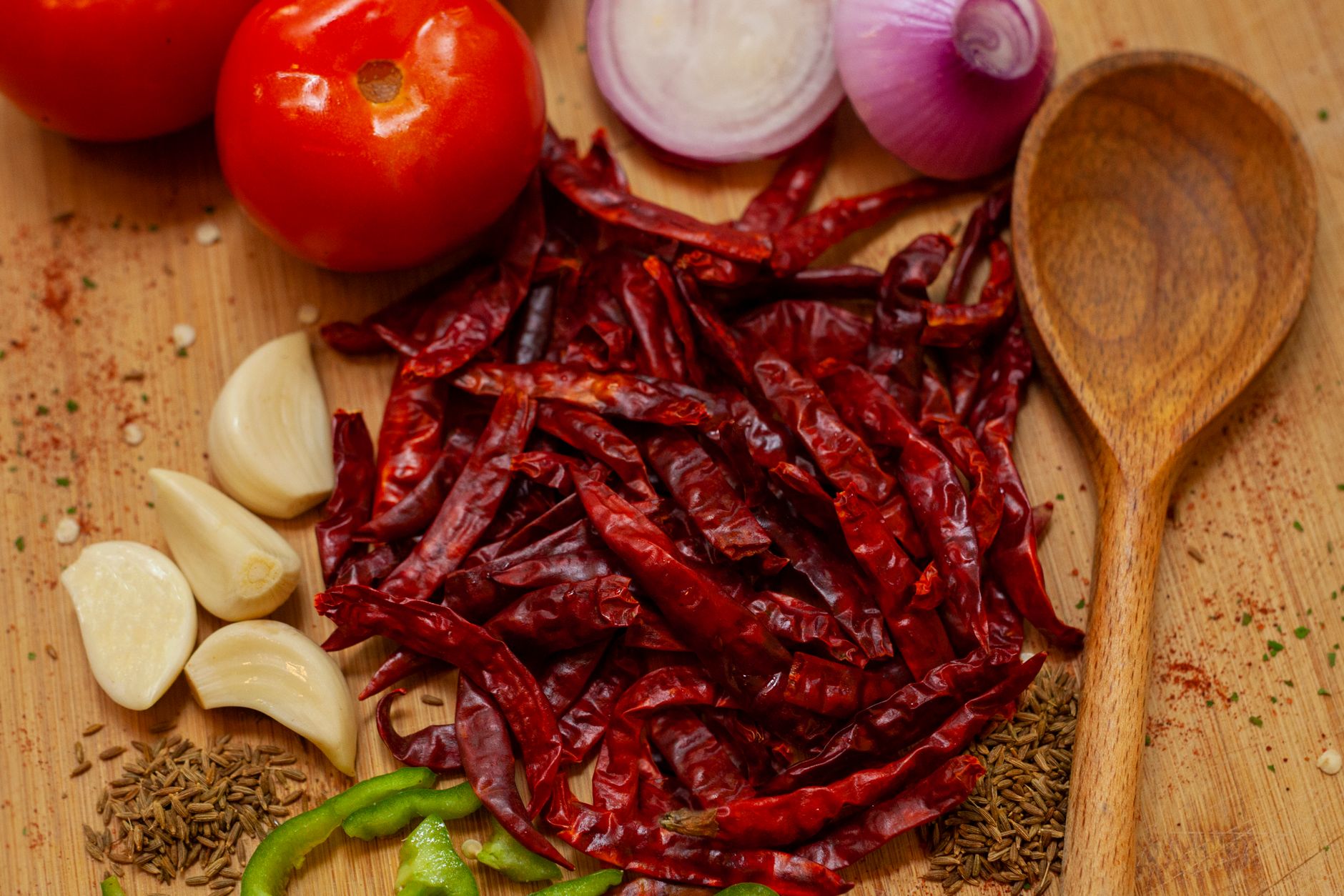
Many Indian recipes call for both fresh green chiles and dried red chiles in the same dish. That's not indecision—it's a way of layering two different kinds of heat.
Fresh green chiles bring bright, grassy heat that fades quickly. Dried red chiles offer concentrated, smoky warmth that builds more slowly and lingers. Using both gives a dish two distinct kinds of heat instead of one flat level.
The fresh chiles register first, with a quick, sharp hit. The dried chiles carry through the rest of the bite with a slower-building warmth that plain rice helps balance.
Andhra's gongura mutton illustrates this. Fresh green chiles get sautéed early, infusing the oil with bright heat. Dried red chiles get toasted and ground for deeper warmth. The tart gongura leaves amplify both types of heat differently. Every bite cycles between sharp brightness and smoky depth.
Even subtle dishes like Hyderabadi biryani use this principle. Fresh green chiles fried with onions for the rice layer, dried red chile powder for the meat. When everything steams together, you get complexity instead of just intensity—heat that makes you curious about the next bite rather than desperate for water.
Bringing the Techniques Together
These three techniques work by layering different types of heat and aromatics at different points in the cooking process, then balancing everything with fat, acid, and other aromatics that carry the flavor through the dish. Combined, they're why certain Indian dishes taste different from bite to bite rather than delivering the same flavor throughout.
What You Actually Need
Your pantry needs whole spices, multiple types of chiles, and either a decent spice grinder or mortar and pestle. Your technique needs patience for proper tempering and attention to how different spices respond to heat.
These aren't advanced techniques—they're foundational ones that Indian home cooks use every day. You just need to understand why they work.
Cook with this idea
Recipes to try next.
Put these ingredients and techniques to use in your next meal.
indian · medium
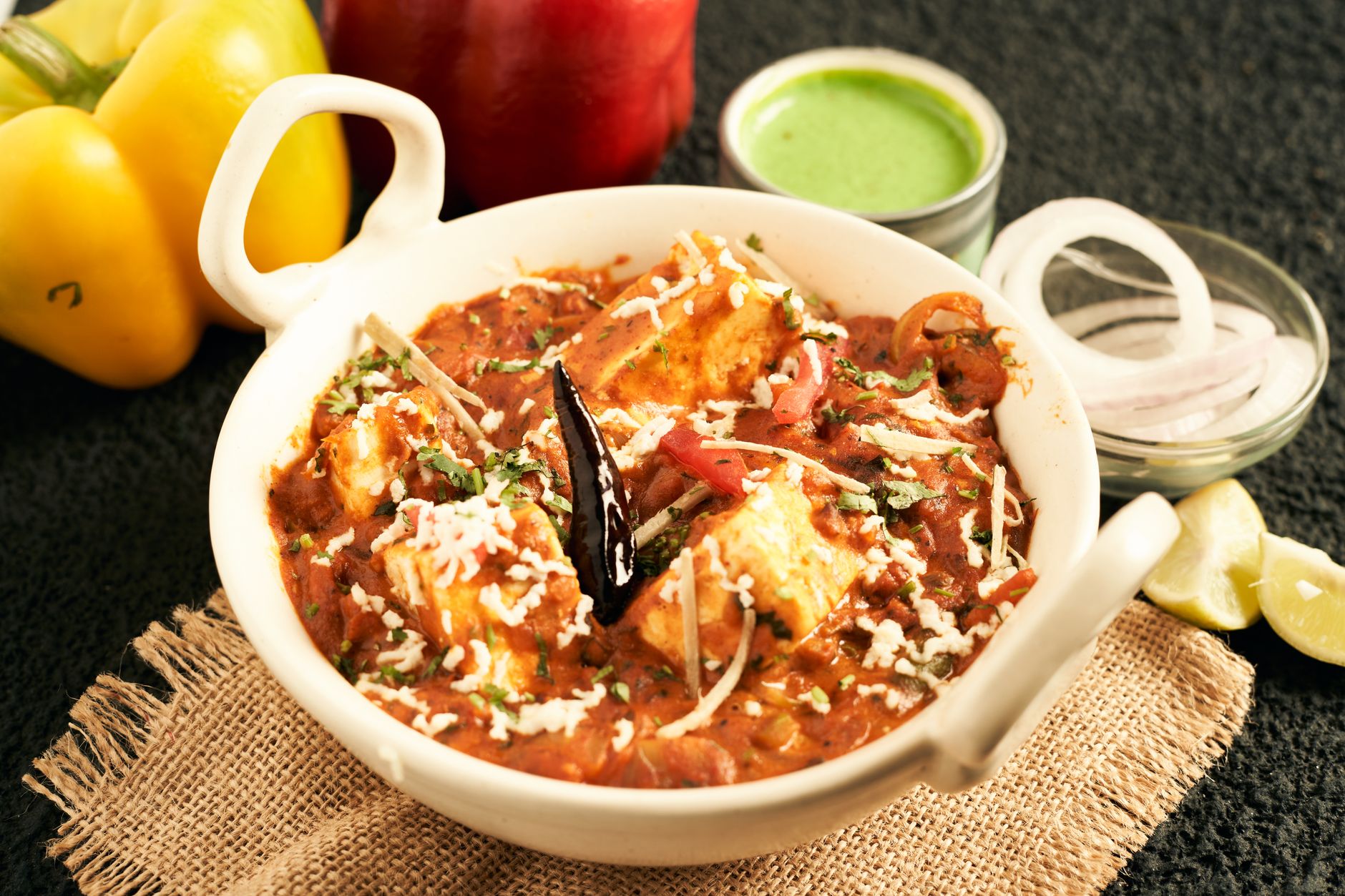
Apr 29, 2026Kadai Paneer with Green Chilies and Bell Peppers
Tender cubes of paneer nestle in a fragrant tomato-based sauce alongside slit green chilies and colorful bell peppers, all cooked in the traditional kadai style that brings out deep, warming flavors. 45 min · 0 saves.
indian · medium
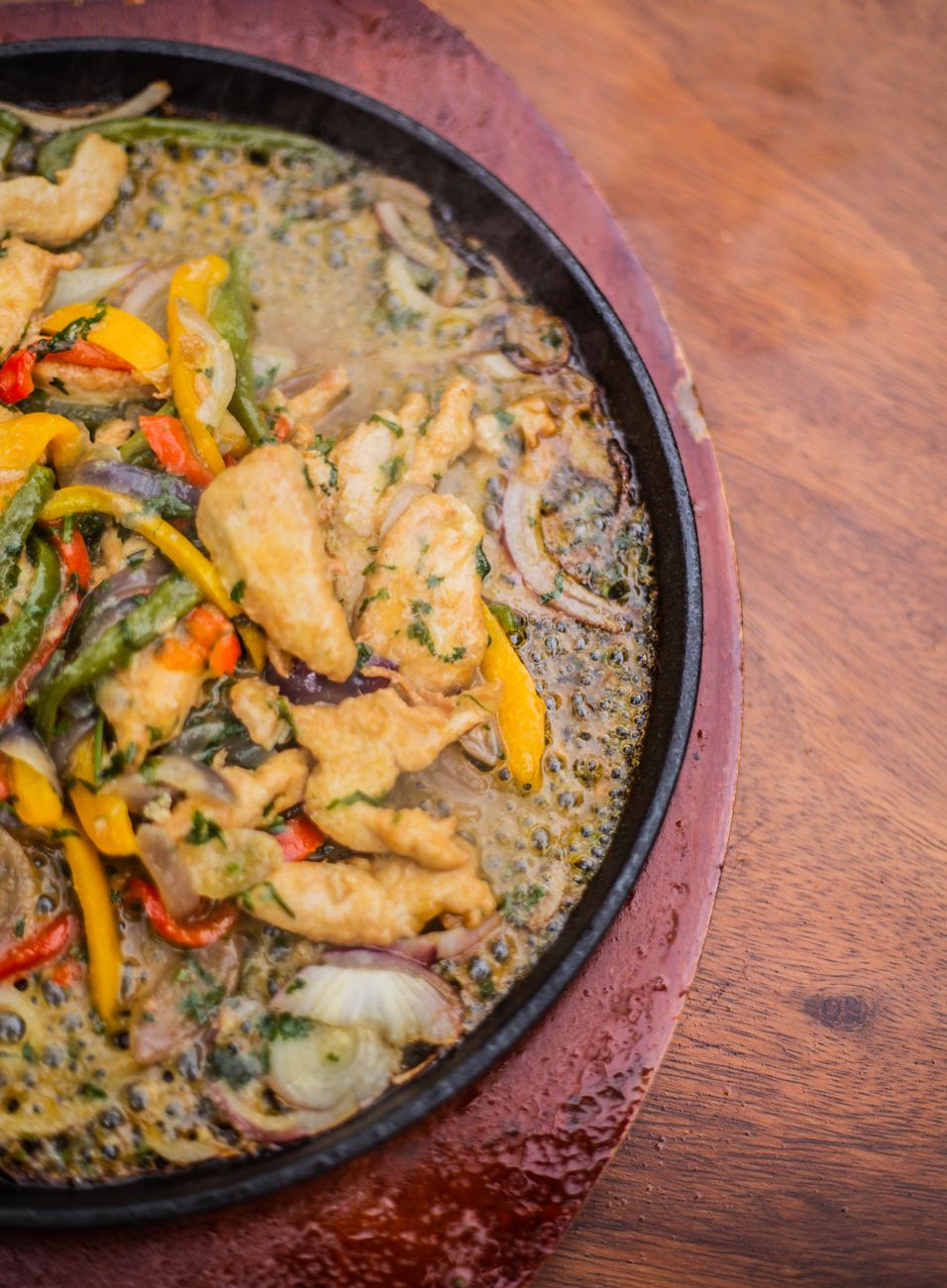
Apr 7, 2026Kadhai Chicken with Kashmiri Chilies
A smoky, aromatic chicken curry cooked in a traditional kadhai (wok) with bell peppers, onions, and dried Kashmiri chilies that deliver beautiful color and moderate heat. 45 min · 0 saves.
indian · hot
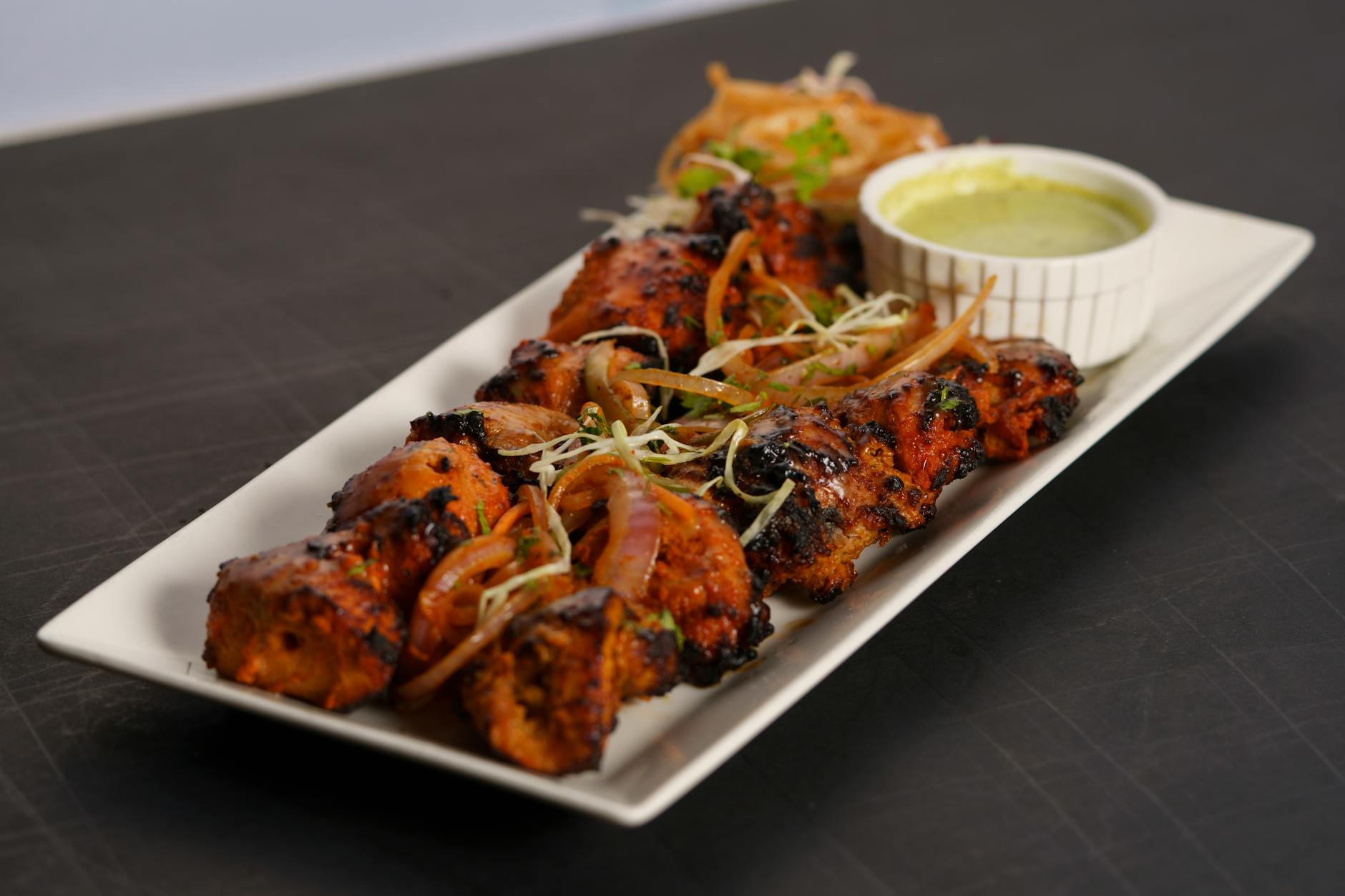
Jun 15, 2026Charred Habanero Chicken Tikka with Smoked Tomato Chutney
Tender chicken thighs get the full heat treatment in this fiery take on tikka—marinated in habanero-spiked yogurt, then charred until caramelized and served with a smoky grilled tomato chutney that doubles down on the fire. 55 min · 0 saves.
Bottle picks
Related hot sauce reviews.
Explore sauces with related ingredients, flavors, and heat levels.
Fly By Jing Sichuan Gold Review
A citrusy, tingly sauce with real peppercorn presence and enough versatility to move beyond dumplings.
Best for dumplings
Best for: Eggs and breakfast tacos
Skip if: Skip if you want a thick, smoky wing sauce more than a bright finishing bottle.
Read review
Mike's Hot Honey Review
Sweet heat done right: sticky, quick, and versatile enough to become a finishing move instead of a novelty.
Best for gifting
Best for: Pizza and fried chicken
Skip if: Skip if you want a classic vinegar-forward table sauce with almost no sweetness.
Read review
Heatonist Los Calientes Rojo Review
Heatonist Los Calientes Rojo: flavor notes, heat level, and suggested food pairings.
Best for tacos
Best for: Tacos and rice bowls
Skip if: Skip if you are chasing a novelty-level heat hit or a super-special-occasion bottle.
Read review
Go deeper
Background guides that build on this.
Keep reading
More on this subject.
If this post helped, these are the next pieces most likely to keep the thread going.
science
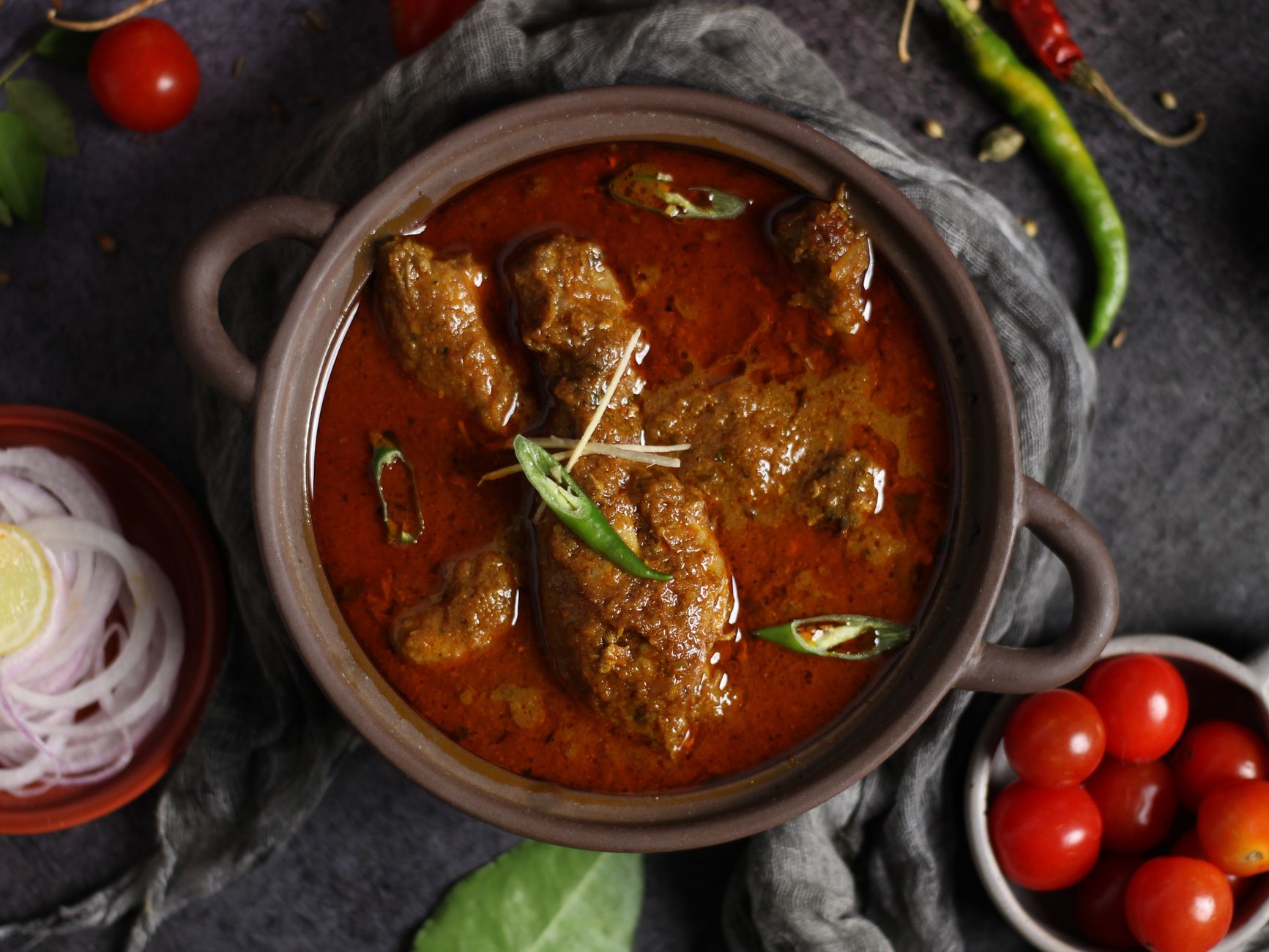
May 3, 2026Vindaloo, Ghost Pepper Curries, and Rasam
Compare vinegar-seasoned vindaloo, ghost pepper curries, and pepper-forward rasam, with care taken to distinguish sourness from heat.
science
Apr 30, 2026Podi, Laal Maas, and Ghost Pepper: Regional Indian Heat
Explore the dried spices in podi, the chili sauce in laal maas, and the cautious use of ghost peppers in regional cooking.

science
Oct 11, 2026Why American Spicy Food is Getting Bolder: Heat, Acid, and Umami Over Fire
American spicy cooking has shifted from pure heat toward layered flavor—fermented sauces, smoked peppers, and acid working together. These techniques make heat feel less aggressive and more useful at the table.
Comments
Reader discussion is shared across recipes, reviews, and editorial pieces.
Comments are read-only while member sign-in is paused.