
culture
Three Jamaican Spicy Dishes That Have Us Coming Back for More
From slow-braised curry goat to vinegar-bright escovitch fish, these three Jamaican dishes prove that the island's smartest cooks have always known how to make scotch bonnets sing without screaming.
Share this
Pass it around
Send this page to a friend, copy the link, or save it to a Pinterest board.

Save for later
Pin this page
Save the image with a link back to this recipe, review, or article.
Three Jamaican Spicy Dishes That Have Us Coming Back for More
Jamaican cooks figured out long ago what many spice-obsessed kitchens still haven't: heat without flavor is just showing off. Sure, jerk chicken gets the tourist attention, but dig deeper into Jamaica's home cooking and you'll find dishes that use scotch bonnets the way they deserve—as complex flavor builders, not just fire starters.
Three dishes prove this point beautifully: curry goat, escovitch fish, and brown stew chicken. Each one takes a completely different approach to coaxing those fruity, floral notes from scotch bonnets while keeping the heat where it belongs—as part of the conversation, not dominating it.
These aren't Instagram challenge foods designed to make you suffer. They're the kind of dishes that Jamaican grandmothers have been perfecting for generations, understanding that the best spicy food makes you reach for seconds, not a glass of milk.
Curry Goat: Sunday Dinner Heat Done Right
Curry goat earned its place as celebration food for good reason. This isn't weeknight cooking—it's the dish that shows up for weddings, holidays, and those Sunday dinners where three generations crowd around the same table.
The magic starts the night before, when chunks of goat meat get buried in a marinade of curry powder, scotch bonnets, garlic, and ginger. But here's where Jamaican technique shines: that curry powder gets toasted first until it releases those earthy, warm oils that make all the difference between flat spicing and the kind that builds in waves.
The scotch bonnet strategy here is pure wisdom. Instead of mincing those peppers into oblivion, they go in whole or in large pieces during the slow braise. This lets them infuse the coconut milk sauce with steady, building heat while giving the cook total control. Fish out the pepper pieces before serving, and you've got warmth that won't scare anyone. Leave them in for the heat lovers to discover.
What keeps you coming back is how those tough pieces of goat transform during the long, gentle cooking. The meat becomes tender enough to fall apart, soaking up that scotch bonnet-laced sauce, while the coconut milk provides just enough richness to cool the fire. Served over rice and peas, it's the kind of balanced heat that makes perfect sense—warm enough to wake up your palate, rich enough to satisfy, complex enough to keep you interested bite after bite.
Most versions land somewhere between medium and hot, but smart Jamaican cooks adjust based on who's eating. The goal is bringing people together, not sending half the table running for bread.
Escovitch Fish: When Acid Meets Fire
Escovitch fish might be Jamaica's cleverest heat trick. It starts simple enough—whole fish seasoned with scotch bonnet-spiked salt, then fried until the skin turns golden and crispy. But then comes the genius part.
The escovitch sauce is where the real work happens. Hot vinegar gets loaded with sliced scotch bonnets, onions, carrots, and bell peppers, then poured over that still-warm fried fish. The acid hits the proteins immediately, while those vegetables stay crisp and the scotch bonnets release their oils into the sharp vinegar base.
This creates heat that works completely differently from curry goat's creamy comfort. The vinegar doesn't just balance the scotch bonnet fire—it amplifies those fruity, almost floral notes that make scotch bonnets special. Each forkful gives you sharp, bright heat, cooling crunch from the pickled vegetables, and rich fish that's been drinking up that spicy marinade.
Here's the beautiful part: escovitch fish gets better with time. Many Jamaican families make it a day ahead for parties, knowing the flavors will deepen and marry while the acid keeps everything fresh. It's one of the few spicy dishes that actually improves sitting at room temperature for hours.
The heat level swings wildly depending on the cook's hand with scotch bonnets. Conservative versions might use one or two whole peppers for aromatic warmth. Aggressive preparations feature multiple sliced scotch bonnets that will absolutely get your attention.
Brown Stew Chicken: The Perfect Introduction
Brown stew chicken might be the smartest spicy dish in Jamaica's arsenal because it wins over everyone—the heat seekers and the heat shy alike. It gets its name from the technique: chicken pieces seasoned with scotch bonnet-laced seasoning salt, then fried until deeply golden before braising in a rich, complex sauce.
The scotch bonnet integration here shows real finesse. Instead of relying on raw pepper shock, brown stew chicken builds heat in layers—scotch bonnet powder in the seasoning blend, fresh pieces added during braising, and aromatic vegetables that play up those fruity pepper notes rather than fighting them.
This creates what most people consider the most approachable heat among Jamaica's signature spicy dishes. The browning develops deep, caramelized flavors that give the scotch bonnet fire something substantial to lean against, while the braising liquid—often enriched with soy sauce, ketchup, and aromatics—provides cooling balance.
Brown stew chicken proves why Jamaican cooks rarely let heat stand alone. Everything supports everything else: the browned chicken brings savory depth, the vegetables add sweetness and texture, and the scotch bonnets contribute that distinctive fruity heat that somehow makes you want to keep eating despite the fire building in your mouth.
The spice level typically stays mild to medium, making it perfect for mixed crowds while delivering enough scotch bonnet character to keep serious heat lovers happy. It's the kind of dish that brings families together rather than dividing them into heat tolerance camps.
Why This Matters Beyond Jamaica
These three dishes showcase something our heat-obsessed food culture could learn from: scotch bonnets used as seasoning, not weapons. Each employs different techniques—coconut milk richness, acidic brightness, caramelized depth—to create complex heat experiences that reward coming back for more.
While everyone's chasing the next extreme heat challenge or novelty pepper, Jamaican home cooks have been quietly perfecting something more valuable: heat that enhances rather than overwhelms, spicing that starts conversations instead of ending them, techniques refined over generations to create the kind of satisfying warmth that keeps people lingering at the table.
That's the real lesson here. The best spicy food doesn't need to prove how tough you are—it just needs to make you want another bite.
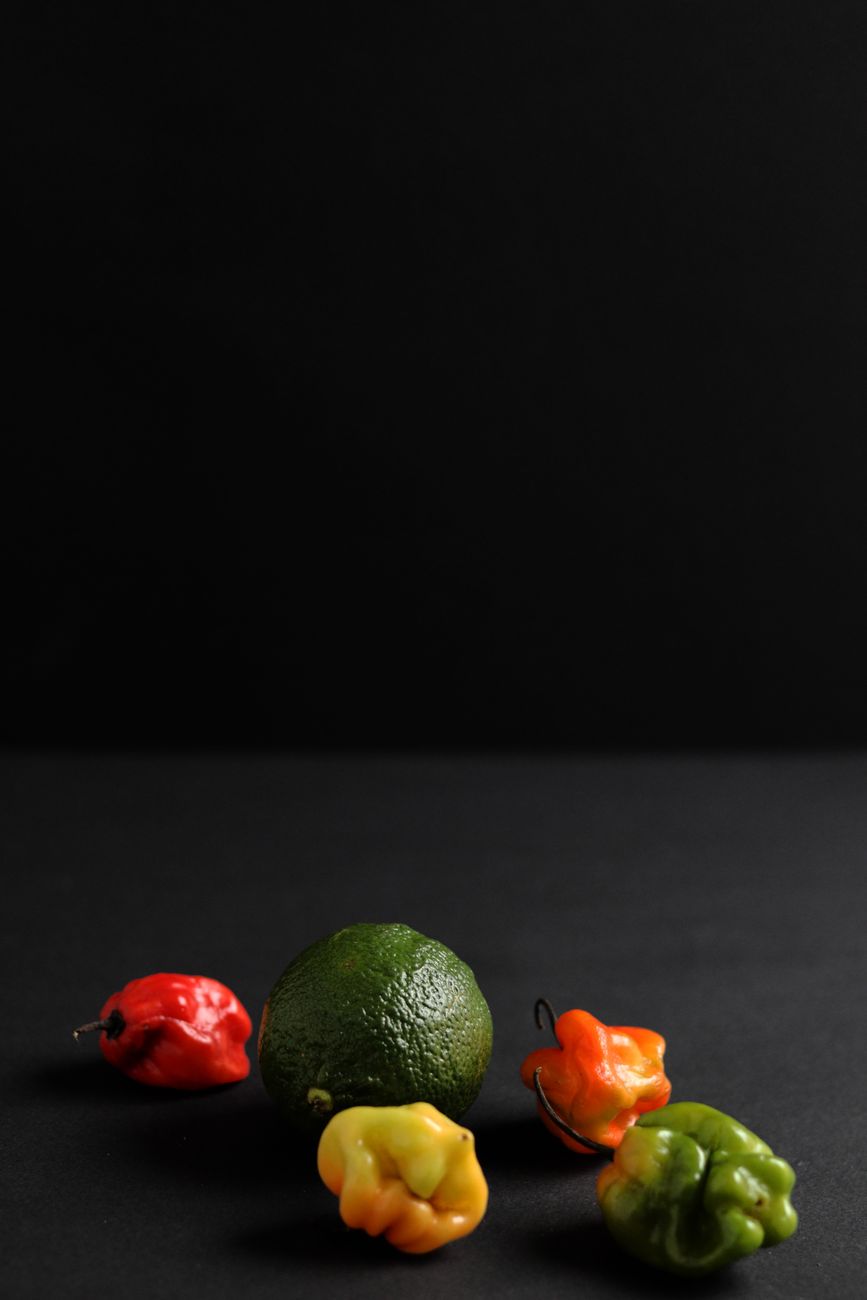
Peppers featured in this post
Cook with this idea
Recipes to try next.
Put these ingredients and techniques to use in your next meal.
jamaican · medium
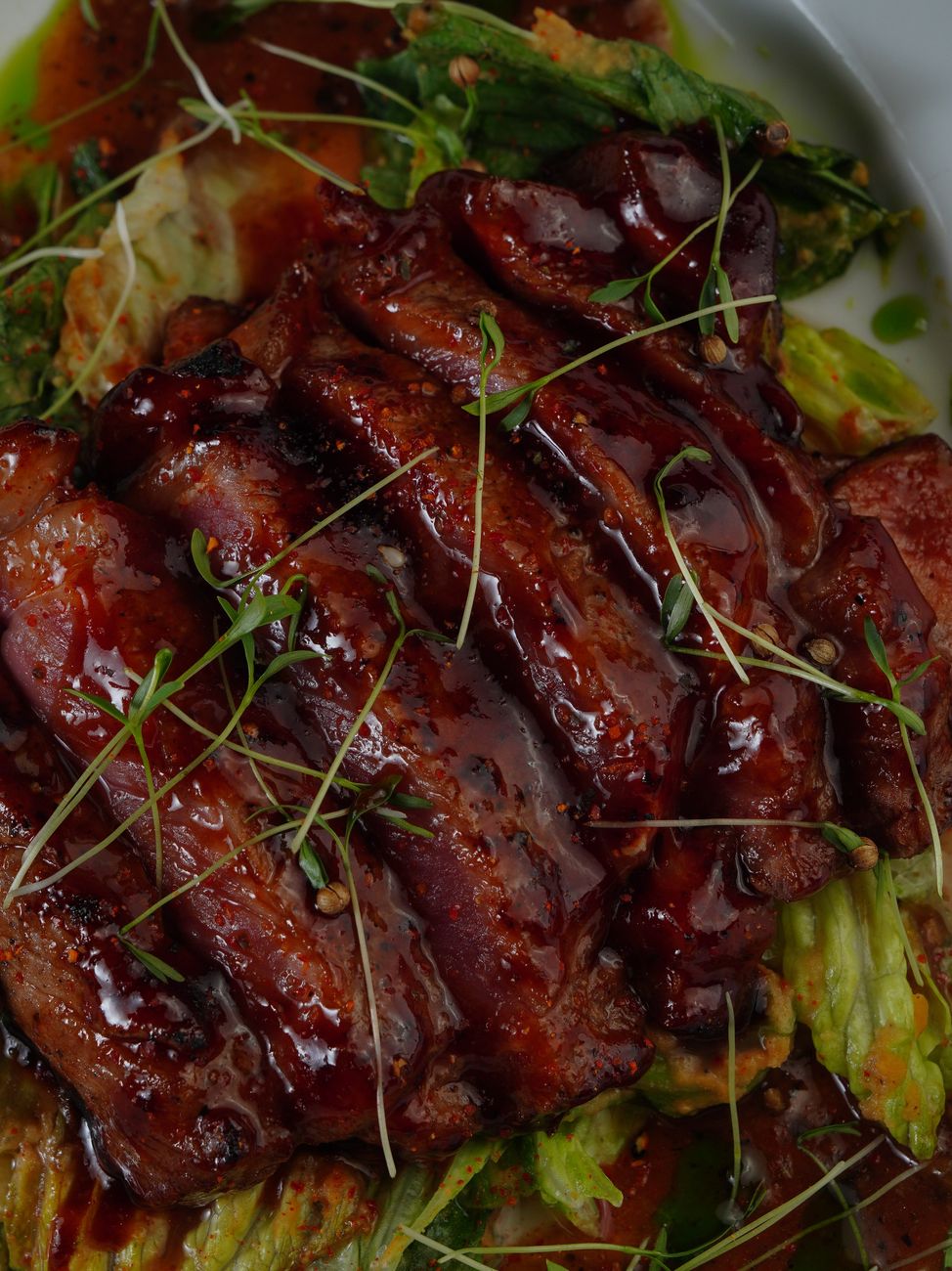
Apr 26, 2026Grilled Jerk Pork Shoulder with Roasted Scotch Bonnet Glaze
Tender pork shoulder gets the full jerk treatment with aromatic spices, slow grilling, and a glossy scotch bonnet glaze that brings authentic Jamaican heat without overwhelming anyone at your table. 200 min · 0 saves.

jamaican · medium
Apr 14, 2026Jamaican Curry Chicken with Scotch Bonnet
Tender chicken thighs simmered in fragrant curry spices with scotch bonnet warmth, coconut milk, and hearty potatoes for a soul-warming Caribbean feast. 65 min · 0 saves.

jamaican · medium
Apr 14, 2026Jamaican Jerk Chicken with Scotch Bonnet Glaze
Grilled chicken thighs with a scotch bonnet glaze for fruity heat and a browned exterior. 65 min · 0 saves.
Bottle picks
Related hot sauce reviews.
Explore sauces with related ingredients, flavors, and heat levels.
Queen Majesty Scotch Bonnet and Ginger Review
A bright, elegant sauce that leans on fruit, ginger, and Scotch bonnet lift instead of brute force.
Best for seafood
Best for: Seafood and fish tacos
Skip if: Skip if you want a thick, smoky wing sauce more than a bright finishing bottle.
Read review
Fly By Jing Sichuan Gold Review
A citrusy, tingly sauce with real peppercorn presence and enough versatility to move beyond dumplings.
Best for dumplings
Best for: Eggs and breakfast tacos
Skip if: Skip if you want a thick, smoky wing sauce more than a bright finishing bottle.
Read review
Mike's Hot Honey Review
Sweet heat done right: sticky, quick, and versatile enough to become a finishing move instead of a novelty.
Best for gifting
Best for: Pizza and fried chicken
Skip if: Skip if you want a classic vinegar-forward table sauce with almost no sweetness.
Read review
Go deeper
Background guides that build on this.
Keep reading
More on this subject.
If this post helped, these are the next pieces most likely to keep the thread going.
culture
Apr 23, 2026Jamaica's Heat Revolution: Three Spicy Styles Reshaping Caribbean Tables
Three brilliant ways Jamaican cooks are reimagining their pepper-forward traditions—from jerk-spiced vegetables to scotch bonnet curry comfort foods—that actually make sense for your kitchen.
culture
Oct 18, 2026Spicy Jamaican Dishes That Define Heat and Flavor Right Now
Jamaican cooking builds heat intentionally, not as theater. Scotch bonnets anchor the tradition—fruity, complex peppers that shape everything from jerk seasoning to table sauces. Learn how to choose them, use them, and understand why this approach to spice has stayed central to the cuisine.

culture
May 4, 2026Five Jamaican Spicy Dishes That Hit Different Right Now
From curry goat that builds heat slowly to jerk shrimp that packs concentrated fire, these five Jamaican dishes show why scotch bonnet peppers create the kind of heat you actually crave.
Comments
Reader discussion is shared across recipes, reviews, and editorial pieces.
Comments are read-only while member sign-in is paused.