
culture
Jamaica's Heat Revolution: Three Spicy Styles Reshaping Caribbean Tables
Three brilliant ways Jamaican cooks are reimagining their pepper-forward traditions—from jerk-spiced vegetables to scotch bonnet curry comfort foods—that actually make sense for your kitchen.
Share this
Pass it around
Send this page to a friend, copy the link, or save it to a Pinterest board.

Save for later
Pin this page
Save the image with a link back to this recipe, review, or article.
Jamaica's Heat Revolution: Three Spicy Styles Reshaping Caribbean Tables
Jamaican kitchens have always understood heat, but something beautiful is happening with how the island's cooks are wielding their scotch bonnets these days. The soul of the cooking remains unchanged—that perfect dance between fire and flavor that makes you reach for another bite even as you're fanning your mouth. But the applications? They're getting wonderfully creative in ways that make this incredible cuisine more welcoming to mixed tables while staying true to what makes it sing.
I'm not talking about watered-down fusion or tourist-friendly versions. These are the real innovations happening in Jamaican homes and diaspora kitchens, where cooks who grew up with these flavors are asking smart questions: What if jerk seasoning met mac and cheese? What happens when we curry shrimp instead of goat? How do we share these amazing tastes with friends who can't handle volcanic heat?
The answers are reshaping Caribbean tables in the most delicious ways.
The New Jerk: Finally, It's Not Just About the Grill
Here's what took me too long to understand about jerk: it's a technique, not a rigid recipe. Once that clicks, the whole world opens up.
Sure, traditionalists might raise eyebrows at jerk cauliflower or jerk mac and cheese, but taste them and the logic becomes crystal clear. That gorgeous blend of scotch bonnet heat, warm allspice, bright thyme, and sharp garlic doesn't need chicken or pork to shine. It just needs someone who understands how to adjust the ratios.
Jerk cauliflower works because you dial back the heat and bump up the brown sugar to play against the vegetable's natural edge. Jerk salmon gets an extra squeeze of lime and half the cooking time. The principles stay the same; the wisdom lies in the adaptation.
And jerk mac and cheese? Don't sleep on this one. The pasta becomes this perfect canvas for spiced oil, while those golden, seasoned breadcrumbs on top add textural magic. It holds its own as a main dish but also plays beautifully alongside simply grilled meats when you want to keep the protein straightforward.
The real gift here is flexibility for mixed groups. Build your jerk base, then add scotch bonnets to taste—start with one pepper for six people and work up from there. Everyone gets those incredible warm, bright flavors, and the heat lovers can always reach for extra pepper sauce.
Curry Culture: Where Comfort Meets Fire
Jamaican curry deserves more love. It's its own magnificent thing—not Indian curry's cousin, but a distinct voice that speaks fluent scotch bonnet with notes of coconut and bright island herbs.
The old-school approach centered on slow-braised goat or chicken, those deep, soul-warming curries that simmer for hours. But watch what happens when you apply that same spice wisdom to quick-cooking proteins, and suddenly weeknight dinners get very interesting.
Curry shrimp changed my mind about fast Caribbean cooking. The shrimp need maybe five minutes in that fragrant coconut broth spiked with scotch bonnets, thyme, and ginger. The curry sauce stays bright and lively instead of developing those deep, molten flavors you get from long braising. Both approaches have their place, but this quicker version fits real life better.
The technique travels beautifully:
- Sweet potatoes and carrots stand up gorgeously to curry roasting
- White fish makes an elegant curry stew in fifteen minutes
- Lentils drink up those spices while adding serious substance
- Even plain rice becomes something special when cooked in seasoned broth
Here's the smart move Jamaican cooks use: they keep scotch bonnets whole or in big pieces, then fish them out before serving. You get all that fruity heat infusing the dish without leaving pepper landmines for unsuspecting diners. Pierce the peppers if you want more fire, leave them intact for gentler heat.
Pepper-Forward Sides: The Supporting Cast Steals the Show
Sometimes the most elegant move is putting the heat in supporting roles rather than making everything a fire-breathing contest.
Escovitch vegetables get this exactly right. Those quick-pickled carrots, onions, and peppers bring cooling crunch with gradually building heat from the scotch bonnet-spiked vinegar. Served alongside grilled fish or roasted chicken, they brighten the whole plate while letting diners control their own adventure with spice.
Fresh pepper relishes have completely won me over. Skip the shelf-stable stuff and make small batches that disappear within the week. Minced scotch bonnets with diced mango, red onion, and lime juice keeps beautifully in the fridge and transforms everything it touches—scrambled eggs, grilled vegetables, plain rice, you name it.
Even festival bread is getting the pepper treatment these days. Those slightly sweet fried dumplings with minced scotch bonnets worked right into the dough create gentle, even heat that plays so well with spicier main dishes. It's heat that enhances rather than competes.
Making It Sing in Your Kitchen
The reason these approaches work isn't just technique—it's respect for the ingredient. Scotch bonnets bring genuine complexity alongside their fire, that fruity depth you can't get from generic hot peppers. But they demand balance: something sweet like brown sugar or mango, something bright like lime or vinegar, something rich like coconut milk.
Timing matters enormously. Early additions develop mellow background heat. Late additions bring sharp fire. Whole peppers infuse gently. Minced ones distribute evenly. Seeds and membranes pack the most punch, so removing them gives you scotch bonnet character without the nuclear option.
Start conservative. These peppers are serious business—significantly hotter than jalapeños with heat that builds as you eat. You can always add more fire, but you can't take it back.
What I love most about this evolution in Jamaican cooking is how it honors both the tradition and the table. These aren't compromised versions of the real thing—they're expansions of it, smart adaptations that keep the soul intact while making room for more people to experience these incredible flavors. That generosity, that willingness to share the good stuff while keeping it authentic? That's the real revolution happening in Caribbean kitchens.
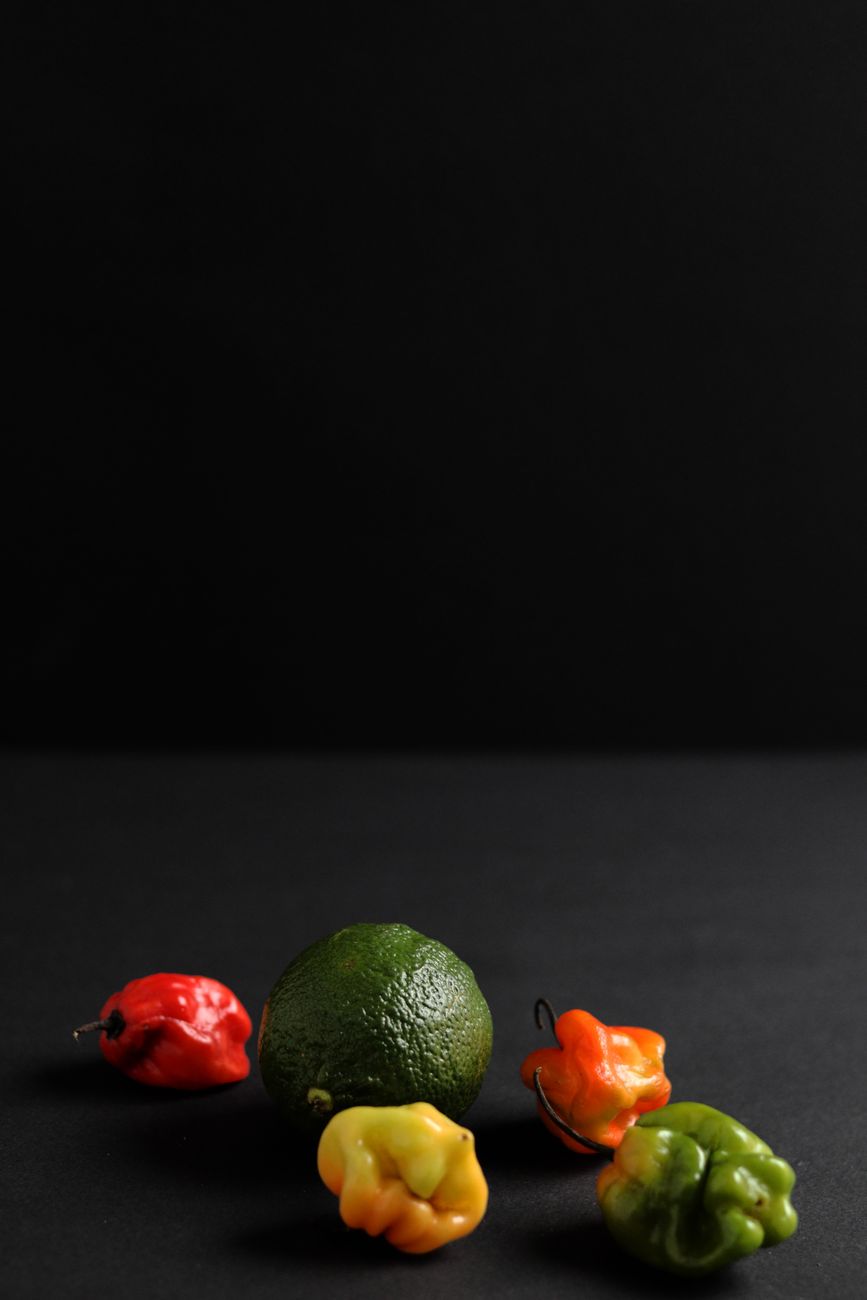
Peppers featured in this post
Cook with this idea
Recipes to try next.
Put these ingredients and techniques to use in your next meal.
jamaican · medium
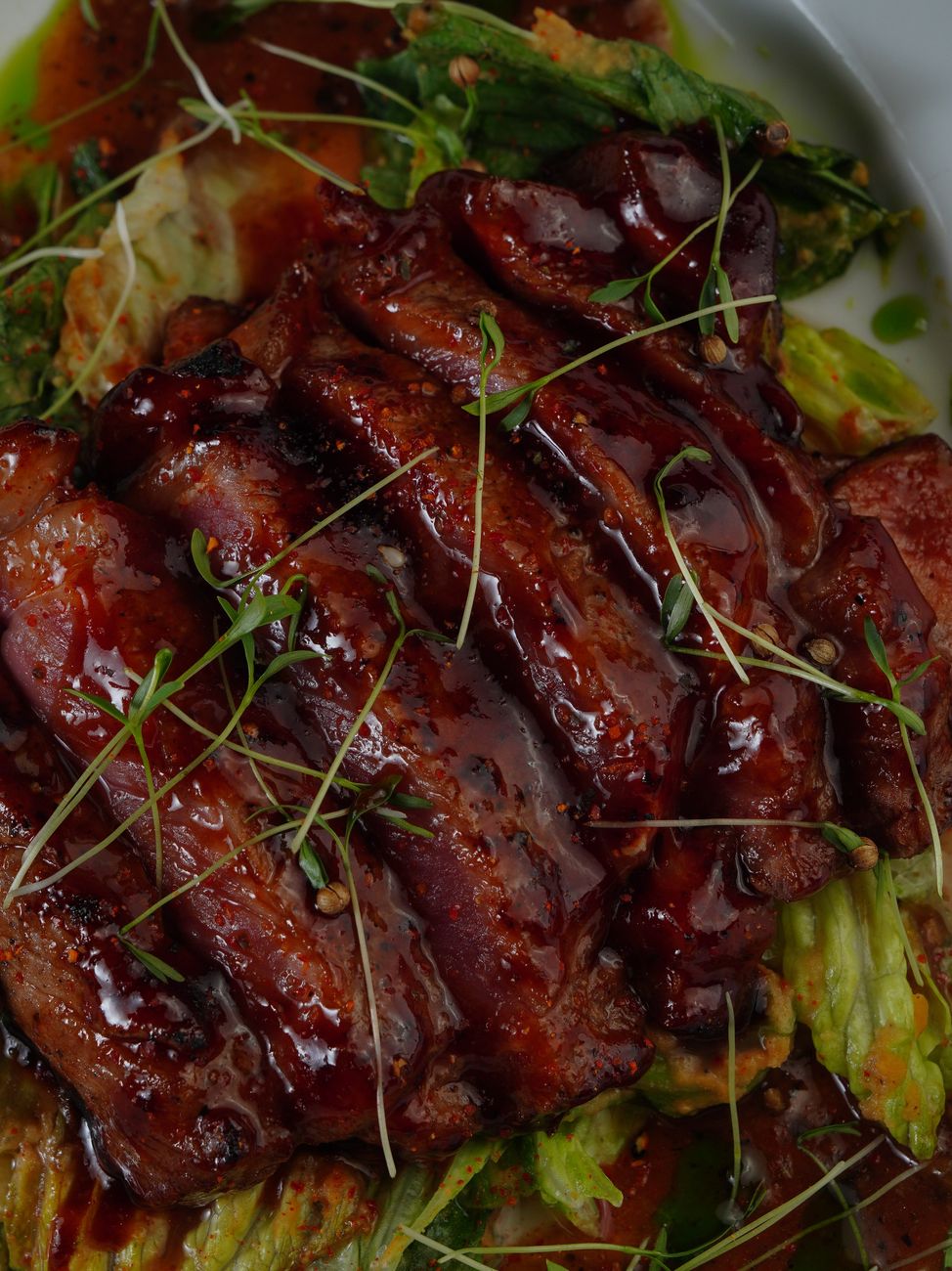
Apr 26, 2026Grilled Jerk Pork Shoulder with Roasted Scotch Bonnet Glaze
Tender pork shoulder gets the full jerk treatment with aromatic spices, slow grilling, and a glossy scotch bonnet glaze that brings authentic Jamaican heat without overwhelming anyone at your table. 200 min · 0 saves.

jamaican · medium
Apr 14, 2026Jamaican Curry Chicken with Scotch Bonnet
Tender chicken thighs simmered in fragrant curry spices with scotch bonnet warmth, coconut milk, and hearty potatoes for a soul-warming Caribbean feast. 65 min · 0 saves.

jamaican · medium
Apr 14, 2026Jamaican Jerk Chicken with Scotch Bonnet Glaze
Grilled chicken thighs with a scotch bonnet glaze for fruity heat and a browned exterior. 65 min · 0 saves.
Bottle picks
Related hot sauce reviews.
Explore sauces with related ingredients, flavors, and heat levels.
Queen Majesty Scotch Bonnet and Ginger Review
A bright, elegant sauce that leans on fruit, ginger, and Scotch bonnet lift instead of brute force.
Best for seafood
Best for: Seafood and fish tacos
Skip if: Skip if you want a thick, smoky wing sauce more than a bright finishing bottle.
Read review
Fly By Jing Sichuan Gold Review
A citrusy, tingly sauce with real peppercorn presence and enough versatility to move beyond dumplings.
Best for dumplings
Best for: Eggs and breakfast tacos
Skip if: Skip if you want a thick, smoky wing sauce more than a bright finishing bottle.
Read review
Mike's Hot Honey Review
Sweet heat done right: sticky, quick, and versatile enough to become a finishing move instead of a novelty.
Best for gifting
Best for: Pizza and fried chicken
Skip if: Skip if you want a classic vinegar-forward table sauce with almost no sweetness.
Read review
Go deeper
Background guides that build on this.
Keep reading
More on this subject.
If this post helped, these are the next pieces most likely to keep the thread going.
culture
Apr 11, 2026Three Jamaican Spicy Dishes That Have Us Coming Back for More
From slow-braised curry goat to vinegar-bright escovitch fish, these three Jamaican dishes prove that the island's smartest cooks have always known how to make scotch bonnets sing without screaming.
culture
Oct 18, 2026Spicy Jamaican Dishes That Define Heat and Flavor Right Now
Jamaican cooking builds heat intentionally, not as theater. Scotch bonnets anchor the tradition—fruity, complex peppers that shape everything from jerk seasoning to table sauces. Learn how to choose them, use them, and understand why this approach to spice has stayed central to the cuisine.

culture
May 4, 2026Five Jamaican Spicy Dishes That Hit Different Right Now
From curry goat that builds heat slowly to jerk shrimp that packs concentrated fire, these five Jamaican dishes show why scotch bonnet peppers create the kind of heat you actually crave.
Comments
Reader discussion is shared across recipes, reviews, and editorial pieces.
Comments are read-only while member sign-in is paused.