culture
Jamaica's Hottest Dish Styles That Have Everyone Talking
The Jamaican dishes everyone's making right now understand something we've forgotten: real heat should tell a story, not just set your mouth on fire. From jerk everything to curry goat that'll make you rethink comfort food.
Share this
Pass it around
Send this page to a friend, copy the link, or save it to a Pinterest board.

Save for later
Pin this page
Save the image with a link back to this recipe, review, or article.
These aren't the watered-down "Caribbean fusion" dishes you might expect—we're talking about the real deal, the kind of food that makes you understand why scotch bonnet peppers are worth seeking out at three different grocery stores.
What strikes me most about Jamaica's approach to heat is how it never feels like a dare. Every fiery dish serves a purpose beyond proving your tolerance for capsaicin. The heat builds flavor, creates balance, and—this is crucial—actually makes you want to take another bite.
Jerk Everything (And I Mean Everything)
Forget everything you think you know about jerk chicken being the only game in town. The spice blend that made jerk famous—that perfect marriage of scotch bonnets, allspice berries, thyme, and garlic—transforms just about anything you throw at it.
I'm completely sold on jerk cauliflower steaks. Skeptical? I was too, until I realized that cauliflower's dense texture actually holds up to the aggressive marinade better than some meats. Those charred edges that develop over high heat? Pure magic. The scotch bonnet heat works its way deep into every crevice, creating this incredible layered warmth that unfolds as you eat.
Jerk salmon deserves its own moment of appreciation. There's something about how the fish's natural oils play with scotch bonnet heat that just works. The traditional sweet spices—cinnamon, nutmeg—add this unexpected depth without masking what makes good salmon special in the first place.
Even jerk Brussels sprouts have won me over, and I'm not easily swayed on Brussels sprouts. The slight bitterness of the vegetable creates this perfect tension against the sweet heat of scotch bonnets. Roast them until the outer leaves get crispy and the centers turn tender—it's vegetable cookery at its most persuasive.
Curry Goat Gets the Respect It Deserves
Curry goat used to intimidate people, relegated to "authentic" Caribbean restaurants where you had to know what to order. Now it's showing up in home kitchens, and rightfully so. This is comfort food that happens to pack serious heat, the kind of dish that makes you want to cancel evening plans so you can properly savor every spoonful.
The secret lives in how scotch bonnets behave during long, slow cooking. Start with properly browned meat—goat if you can find it, lamb if you can't—and build those deep, caramelized flavors before adding any liquid. This creates a foundation rich enough to support real heat without overwhelming your palate.
I prefer adding scotch bonnets whole or very finely minced, depending on how brave I'm feeling that day. The long braising time mellows the heat while concentrating all those fruity, complex pepper flavors. Coconut milk tempers the intensity, while fresh ginger, garlic, and thyme create the kind of aromatic complexity that makes you lean in closer to the pot.
Take your time with the braising, and you'll get something that warms you from the inside out instead of just setting your tongue on fire.
Escovitch Fish That Actually Refreshes
This is where Jamaican cooking shows off its sophistication. Escovitch fish uses vinegar and vegetables to create heat that somehow manages to be both intense and refreshing—a neat trick that more cuisines should borrow.
The technique is deceptively simple: fry whole fish until the skin crisps beautifully, then top with a hot vinegar-based sauce loaded with julienned vegetables and sliced scotch bonnets. But that contrast between crispy fish and sharp, spicy pickle? That's where the magic happens.
Getting the escovitch sauce right requires a delicate hand. Too much vinegar and you'll mask the scotch bonnet's complexity with harsh acidity. Too little, and those peppers will dominate everything else on the plate. The sweet onions, carrots, and bell peppers aren't just colorful additions—they provide cooling relief that lets you actually enjoy the heat instead of enduring it.
I'm particular about using fresh scotch bonnets here. Fresh peppers contribute these lovely floral notes and clean heat that make the whole dish sing. Older or dried peppers can turn the sauce bitter and one-dimensional, and believe me, you'll taste the difference immediately.
Why Scotch Bonnets Change Everything
These dishes work because scotch bonnets bring more than just heat to the party. They contribute fruity complexity that plays beautifully with tropical ingredients. The heat builds gradually and fades cleanly—no harsh chemical burn that lingers uncomfortably. Fresh scotch bonnets release these incredible floral compounds that make your kitchen smell like something special is happening.
Most importantly, they're versatile enough to work in quick marinades and long braises alike, which explains why they show up in so many different Jamaican preparations.
Making This Work in Your Kitchen
The beauty of these dishes is how easily they adapt to different heat preferences. With jerk preparations, start with half a scotch bonnet and build up—you can always add more next time, but you can't take it back once it's in the marinade.
For curry goat, I like adding whole peppers that I can fish out before serving if the heat gets too intense. Minced peppers distribute more evenly but commit you to whatever heat level you've chosen.
Escovitch fish gives diners the most control—those scotch bonnet slices can be avoided by anyone who's reached their limit, while the vinegar base helps distribute heat more predictably than oil-based sauces.
What I love about these Jamaican styles is how they prove that serious heat and serious flavor aren't mutually exclusive. These aren't dishes that dare you to finish them—they're dishes that make you want to lick the plate clean, even as they challenge your spice tolerance. That's the difference between heat with purpose and heat for its own sake, and it's why Jamaican cooking continues to win over home cooks who thought they didn't like spicy food.
The best versions respect both the peppers and the people eating them, creating food that satisfies without crossing into endurance eating territory. That balance explains why these particular dishes have found their way onto tables far from the Caribbean—they're simply too good to ignore.
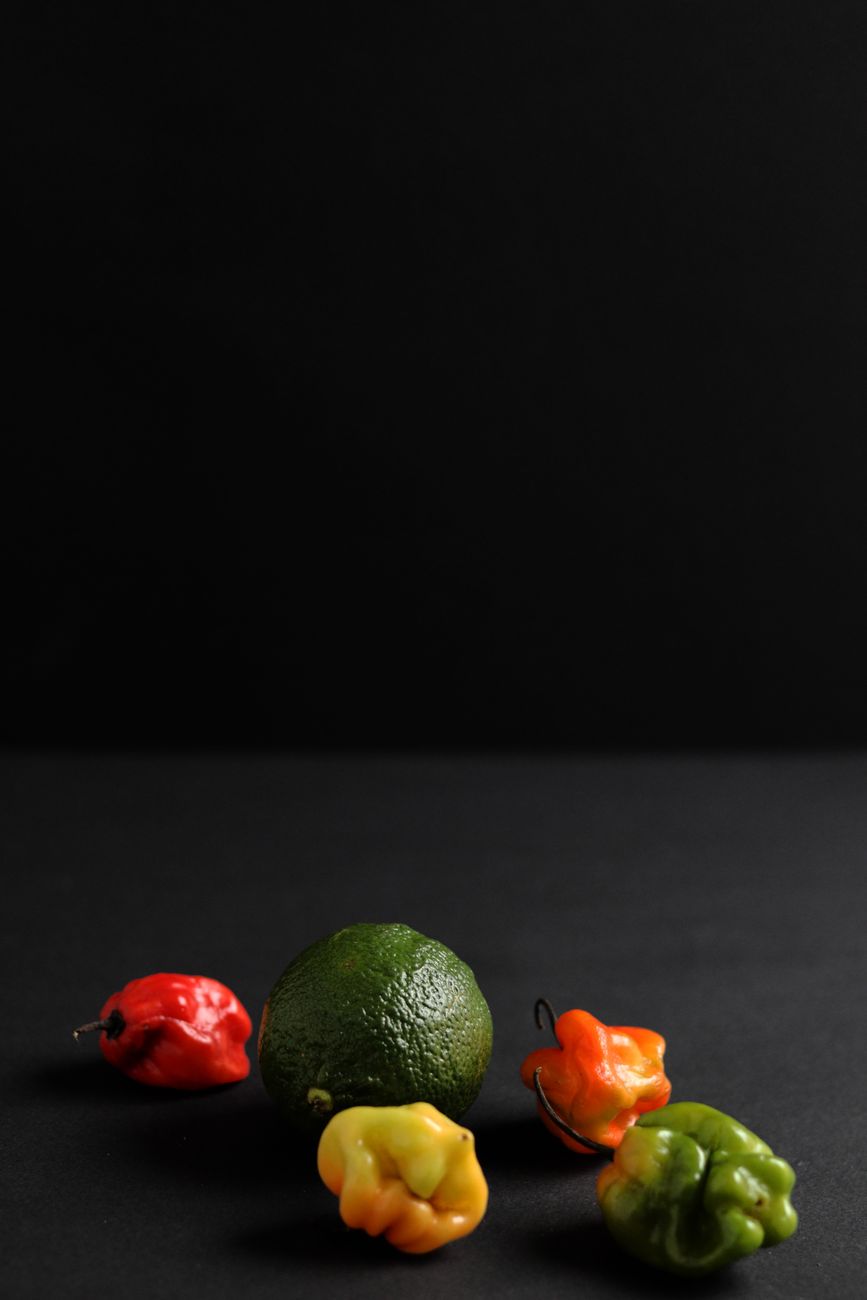
Peppers featured in this post
Cook with this idea
Recipes to try next.
Put these ingredients and techniques to use in your next meal.

jamaican · hot
Oct 19, 2026Scotch Bonnet Butter Noodles with Charred Scallions and Plantain
Jamaican-style egg noodles tossed with Queen Majesty Scotch Bonnet and Ginger sauce, browned butter, and crispy fried plantains. The sauce brings bright ginger and citrus heat without overwhelming the noodles, while crispy plantain adds textural contrast. 45 min · 0 saves.
jamaican · hot
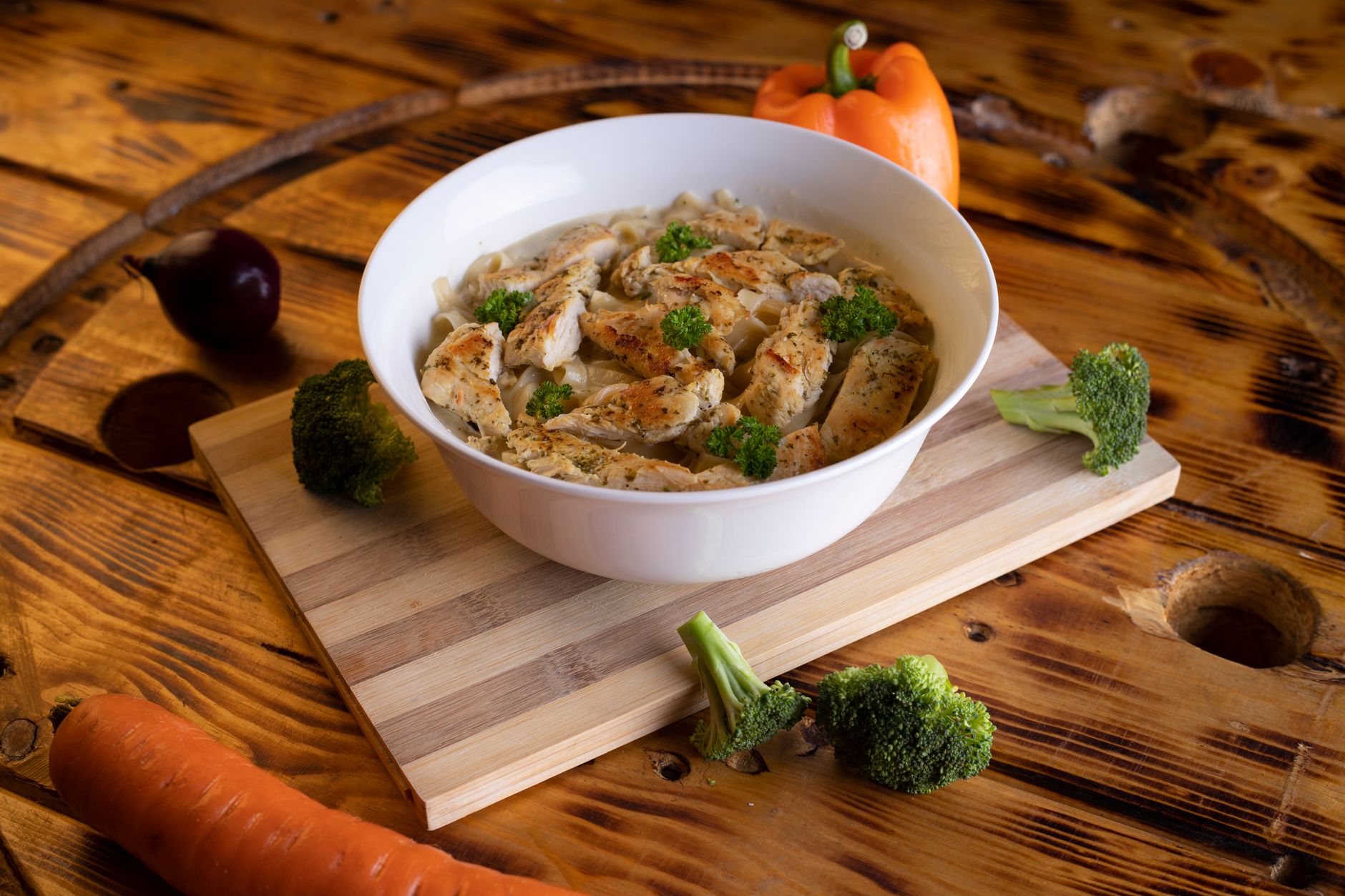
Jun 5, 2026Scotch Bonnet Rasta Pasta with Jerk Chicken
Silky coconut pasta dancing with colorful bell peppers and perfectly seasoned jerk chicken, warmed by whole scotch bonnet peppers that bring authentic Jamaican fire to your dinner table. 45 min · 0 saves.

jamaican · hot
May 29, 2026Jamaican Curry Goat with Scotch Bonnet Heat
A rich, aromatic curry goat that builds serious heat with scotch bonnet peppers, coconut milk, and traditional Jamaican spices—the kind that makes you sweat happily with every spoonful. 145 min · 0 saves.
Bottle picks
Related hot sauce reviews.
Explore sauces with related ingredients, flavors, and heat levels.
Queen Majesty Scotch Bonnet and Ginger Review
A bright, elegant sauce that leans on fruit, ginger, and Scotch bonnet lift instead of brute force.
Best for seafood
Best for: Seafood and fish tacos
Skip if: Skip if you want a thick, smoky wing sauce more than a bright finishing bottle.
Read review
Yellowbird Habanero Hot Sauce Review
A bright, carrot-forward bottle with enough heat to stay lively and enough sweetness to stay versatile.
Best for tacos
Best for: Tacos and rice bowls
Skip if: Skip if you want a classic vinegar-forward table sauce with almost no sweetness.
Read review
Fuego Box Monthly Subscription Review
A reliable discovery box for people who want more than supermarket sauces without going full novelty heat gimmick.
Best for gifting
Best for: Sauce subscription
Skip if: Skip if you need one exact everyday bottle instead of a discovery-style gift.
Read review
Go deeper
Background guides that build on this.
Keep reading
More on this subject.
If this post helped, these are the next pieces most likely to keep the thread going.
culture
Oct 18, 2026Spicy Jamaican Dishes That Define Heat and Flavor Right Now
Jamaican cooking builds heat intentionally, not as theater. Scotch bonnets anchor the tradition—fruity, complex peppers that shape everything from jerk seasoning to table sauces. Learn how to choose them, use them, and understand why this approach to spice has stayed central to the cuisine.

culture
May 4, 2026Five Jamaican Spicy Dishes That Hit Different Right Now
From curry goat that builds heat slowly to jerk shrimp that packs concentrated fire, these five Jamaican dishes show why scotch bonnet peppers create the kind of heat you actually crave.
culture
Apr 23, 2026Jamaica's Heat Revolution: Three Spicy Styles Reshaping Caribbean Tables
Three brilliant ways Jamaican cooks are reimagining their pepper-forward traditions—from jerk-spiced vegetables to scotch bonnet curry comfort foods—that actually make sense for your kitchen.
Comments
Reader discussion is shared across recipes, reviews, and editorial pieces.
Comments are read-only while member sign-in is paused.