
culture
Bicolano, Ilocano, and Mindanao-Inspired Spicy Cooking
Explore spicy dishes associated with Bicol, Ilocos, and Mindanao, including the roles of coconut milk, vinegar, and regional seasonings.
Share this
Pass it around
Send this page to a friend, copy the link, or save it to a Pinterest board.

Save for later
Pin this page
Save the image with a link back to this recipe, review, or article.
Bicolano, Ilocano, and Mindanao-Inspired Spicy Cooking
Filipino spicy cooking doesn't rely on raw chili heat alone. Regional traditions build spice around coconut milk, vinegar, or complex spice pastes, and each approach changes how the heat comes across in a dish.
Here are three regional styles, each with a different way of handling chili heat.
Bicolano Style: When Coconut Milk Becomes Your Best Friend
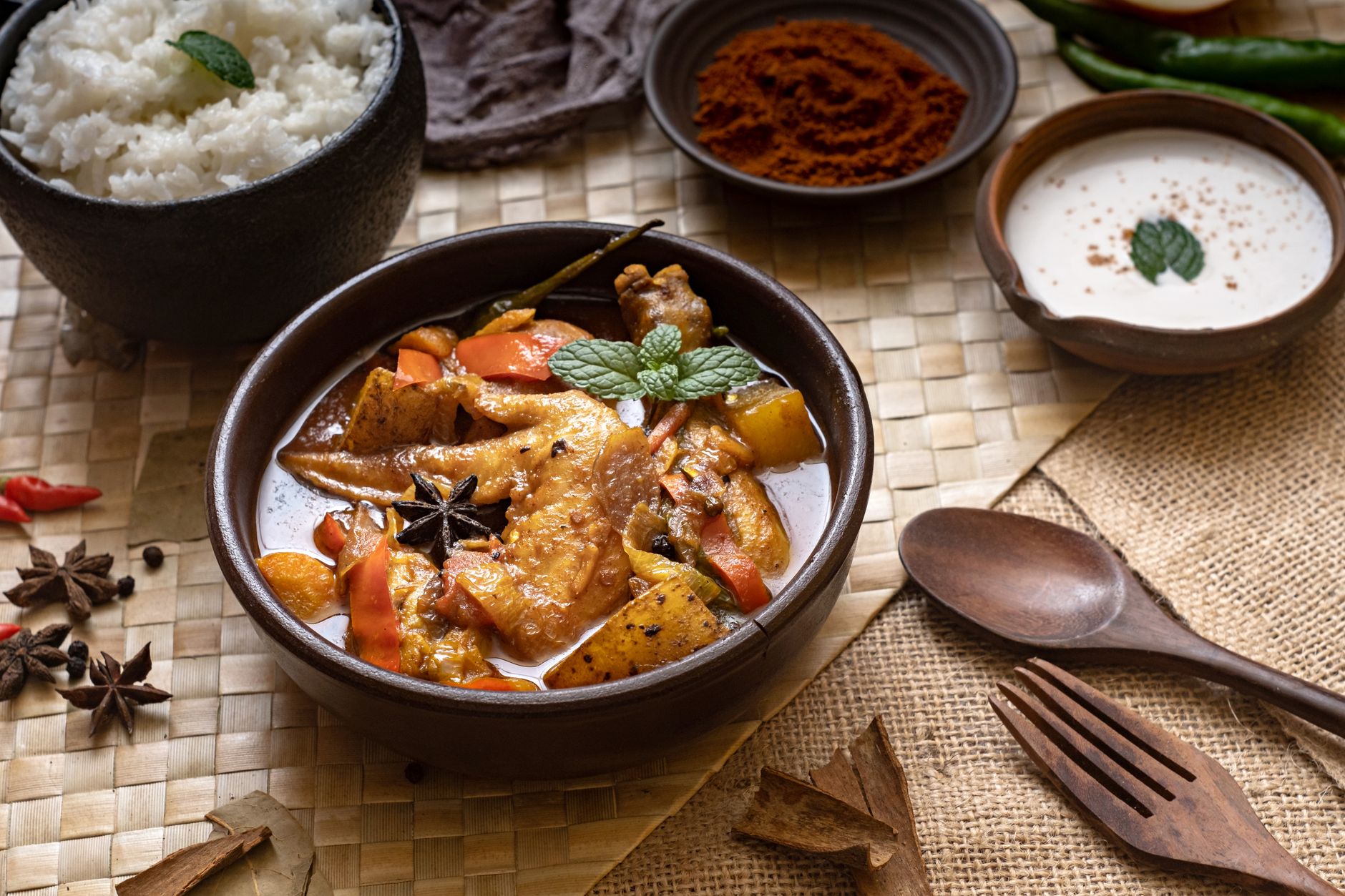
Bicol cooks build many dishes around coconut milk and siling labuyo chilies. The fat in coconut milk carries and mellows the chilies' heat, so it comes across as rounder and less sharp than chili eaten on its own.
Everyone knows Bicol Express, but dishes like laing, where taro leaves cook in coconut milk studded with chilies, or pinangat na isda, where fish gets the same treatment, show the same principle. These dishes carry real heat, but the coconut milk softens the edge.
Because chili oils dissolve into coconut fat, simmering chilies directly in coconut milk spreads their heat through the whole dish rather than concentrating it in a few bites.
This style also suits a table with mixed spice tolerances. Someone who wants less heat can eat mostly the rich coconut base, while someone who wants more can seek out the chilies themselves, all from the same pot.
Ilocano Heat: The Bright Sting That Wakes Everything Up
Northern Luzon cooks take a different approach, pairing chilies with sharp vinegar and fermented flavors. The result reads as brighter and more immediate than the slow build of a coconut milk dish.
Pinakbet shows this style in its most everyday form. The vegetables are cooked with shrimp paste, chilies, and often a splash of vinegar. Dinuguan and pakbet Ilocano use the same acid-and-chili pairing in richer, heavier dishes.
The vinegar changes how the heat is experienced: instead of building slowly, the acidity registers first and the chili warmth follows. This combination works well with vegetables and delicate proteins, since the acid sharpens freshness rather than masking it, letting cooks use a generous amount of chili without overwhelming the other flavors.
Mindanao Influence: When Spice Becomes a Symphony
The southern Philippines draws on Muslim culinary traditions that treat chili heat as one part of a larger spice blend rather than the main feature.
Rendang-style dishes and specialties like beef kulma show this approach. Fresh chilies contribute immediate heat, dried chilies add smokiness, and chili powders bring background warmth, all alongside galangal, turmeric, and lemongrass. The result is heat that shifts across the dish rather than staying constant.
The spice pastes are cooked slowly so the ingredients meld while still keeping some individual character. One bite might lead with bright fresh chili, the next with the deeper, earthier notes from dried peppers.
This layered approach means the perceived heat can vary from bite to bite. It's a more complex style of spice, but still built for everyday family cooking rather than special presentation.
Common Threads
All three approaches treat heat as one part of the dish rather than the point of the dish. Coconut milk in Bicolano cooking, vinegar in Ilocano dishes, and layered spice blends from Mindanao all shape how the chili heat is delivered.
Each style is also adjustable at home. A Bicol Express can be made milder or hotter by changing the coconut-to-chili ratio. Ilocano dishes respond to adjusting the vinegar-to-chili balance. Mindanao-style spice pastes can be built gentler or more assertive while keeping their layered character.
These are everyday dishes rather than heat challenges: the kind of spicy food regularly cooked for family meals, where the chili is meant to work with the rest of the dish rather than dominate it.
Cook with this idea
Recipes to try next.
Put these ingredients and techniques to use in your next meal.
other · medium
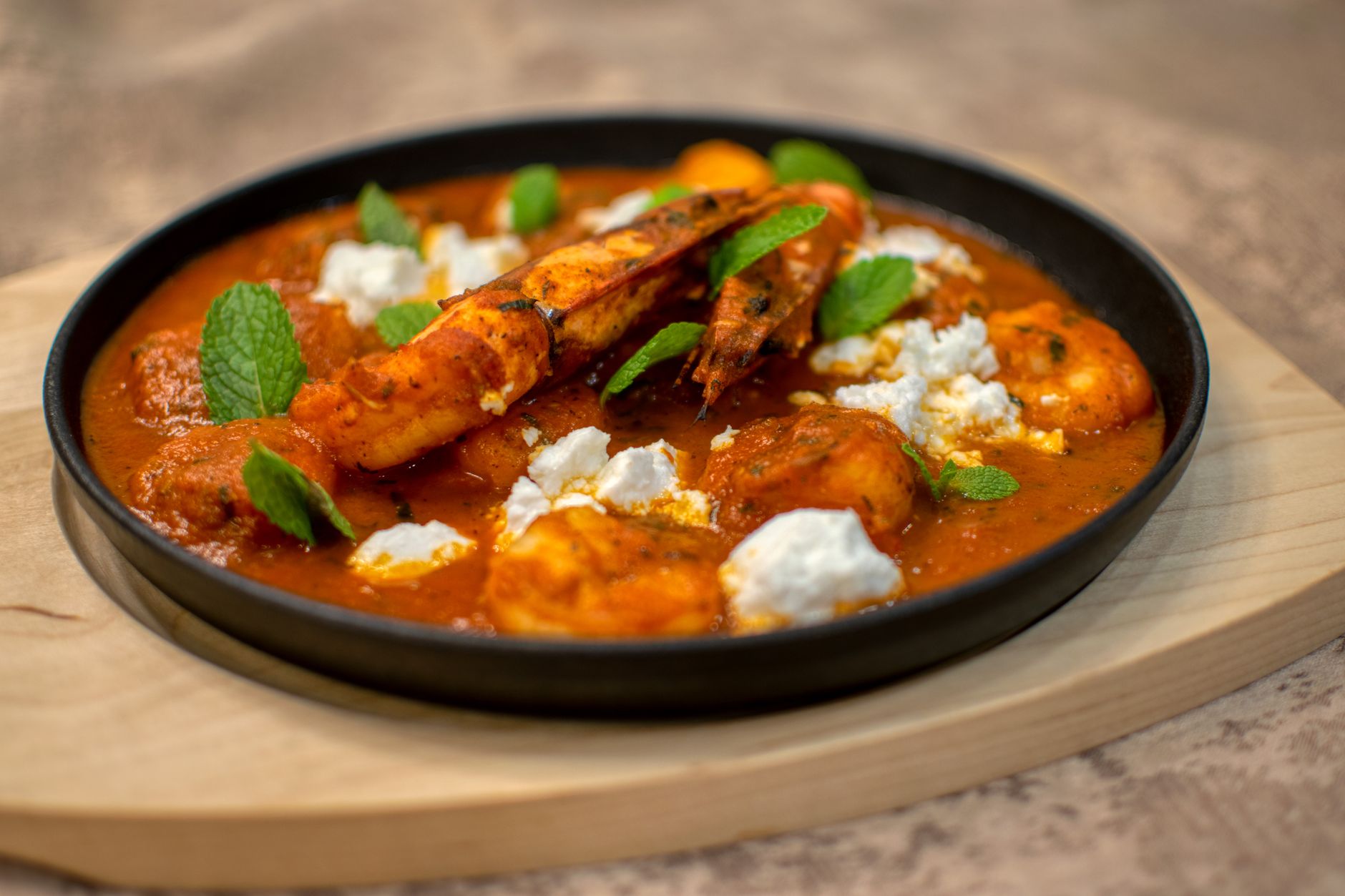
Oct 19, 2026Shrimp Saganaki with Chilli and Feta
Pan-seared shrimp finished with a warm tomato sauce, crumbled feta, and dried chilli heat—a Greek seafood dish that cooks in one skillet. 25 min · 0 saves.

other · medium
Oct 11, 2026Rendang Daging (Malaysian Beef Rendang)
A slow-braised beef stew where fresh red chillies, garlic, ginger and galangal break down into a paste, then simmer in coconut milk until the liquid reduces to a glossy, spiced glaze clinging to each piece of meat. The beef becomes tender enough to break with a spoon, and the heat builds gradually from the chillies and warm spices—cardamom, cloves, cinnamon—rather than arriving sharp and alone. 115 min · 0 saves.

other · medium
Oct 9, 2026Moqueca de Camarão com Pimenta
A Brazilian seafood stew where shrimp braise gently in coconut milk with red peppers, garlic, coriander, and fresh malagueta chillies. The heat builds slowly from the whole peppers simmered in the sauce, so you taste the shrimp's sweetness and the garlic's depth before any burn catches up. 40 min · 0 saves.
Bottle picks
Related hot sauce reviews.
Explore sauces with related ingredients, flavors, and heat levels.
Heatonist Los Calientes Rojo Review
Heatonist Los Calientes Rojo: flavor notes, heat level, and suggested food pairings.
Best for tacos
Best for: Tacos and rice bowls
Skip if: Skip if you are chasing a novelty-level heat hit or a super-special-occasion bottle.
Read review
Yellowbird Habanero Hot Sauce Review
A bright, carrot-forward bottle with enough heat to stay lively and enough sweetness to stay versatile.
Best for tacos
Best for: Tacos and rice bowls
Skip if: Skip if you want a classic vinegar-forward table sauce with almost no sweetness.
Read review
Mike's Hot Honey Review
Sweet heat done right: sticky, quick, and versatile enough to become a finishing move instead of a novelty.
Best for gifting
Best for: Pizza and fried chicken
Skip if: Skip if you want a classic vinegar-forward table sauce with almost no sweetness.
Read review
Go deeper
Background guides that build on this.
Keep reading
More on this subject.
If this post helped, these are the next pieces most likely to keep the thread going.
culture
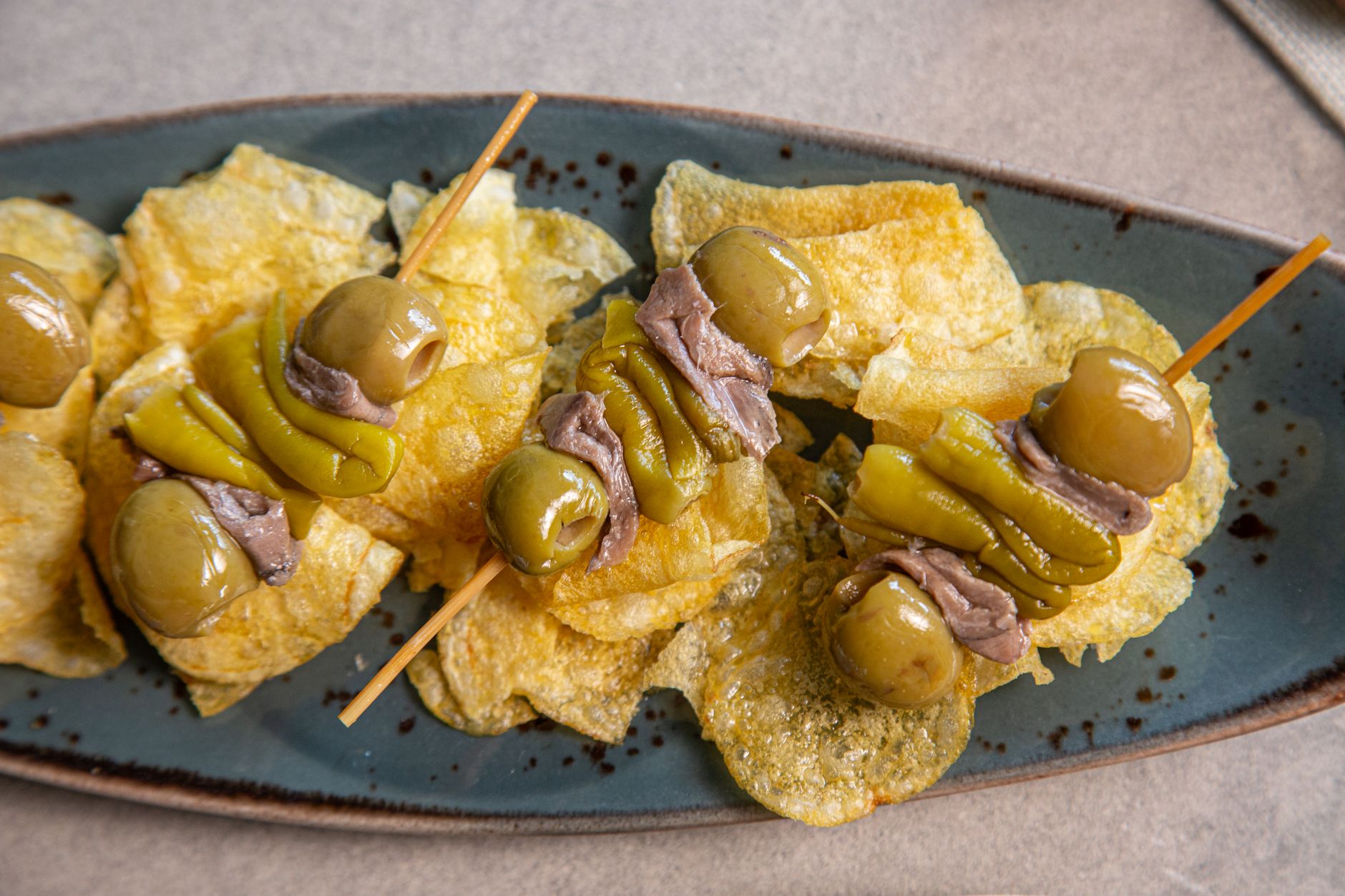
Oct 20, 2026Why Spicy Greek Dishes Are Having a Moment
Greek cooking has always built heat into its foundations. Florina peppers, Aleppo chilies, and fresh green varieties have shaped regional cooking for centuries—and now diners are discovering what Greek tables have always known.

culture
Jun 11, 2026Greek Fire: The Spicy Side of Hellenic Cooking That's Finally Getting Its Due
Greek cooking has always packed more heat than the world gives it credit for. From pepper-rich island specialties to chili-spiked mainland classics, these are the fiery dishes that deserve a spot at your table.
culture
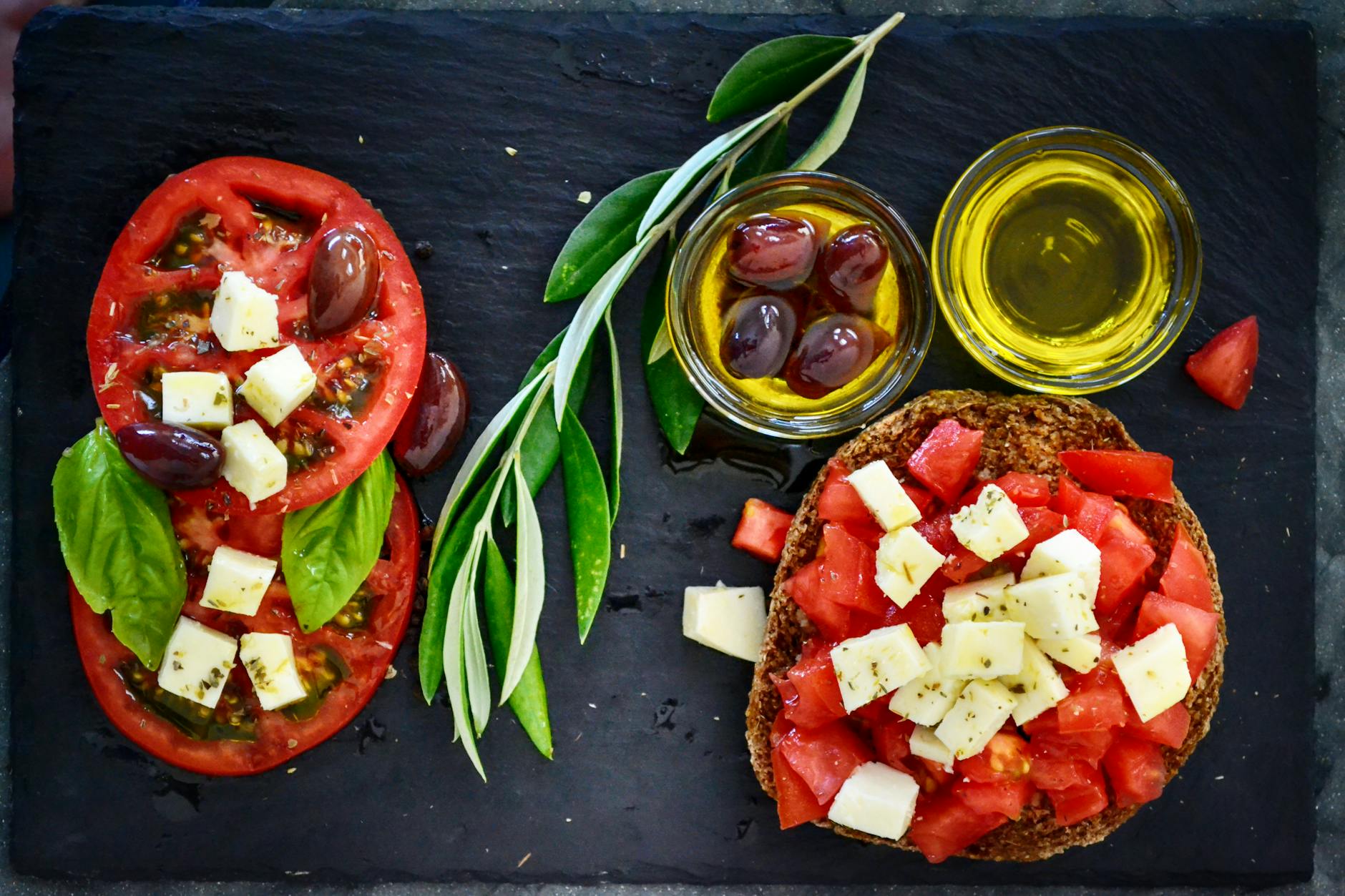
Jun 6, 2026Greek Heat: Three Spicy Regional Styles That Deserve Your Attention
From northern Greece's soul-warming paprika braises to island pepper preparations that pack both heat and tang, discover the spicy side of Greek cuisine that goes far beyond those ubiquitous red pepper flakes.
Comments
Reader discussion is shared across recipes, reviews, and editorial pieces.
Comments are read-only while member sign-in is paused.