
culture
The Spicy Vietnamese Dishes Taking Over American Tables Right Now
Vietnamese cooks have always known something about heat that the rest of us are just catching on to—it's not about the burn, it's about the balance. These three dishes show exactly why Vietnamese spice is having such a moment right now.

Share this
Pass it around
Send this page to a friend, copy the link, or save it to a Pinterest board.

Save for later
Pin this page
Save the image with a link back to this recipe, review, or article.
Here's what I love about Vietnamese heat: it never picks fights it can't win. Instead of just lighting your mouth on fire, Vietnamese cooks build these gorgeous, layered experiences where chile warmth mingles with bright herbs, tangy pickles, and soul-warming broths. It's heat with a purpose, and right now, three particular Vietnamese dishes are showing American diners exactly what we've been missing.
Bún Bò Huế: The Bowl That Changes Everything
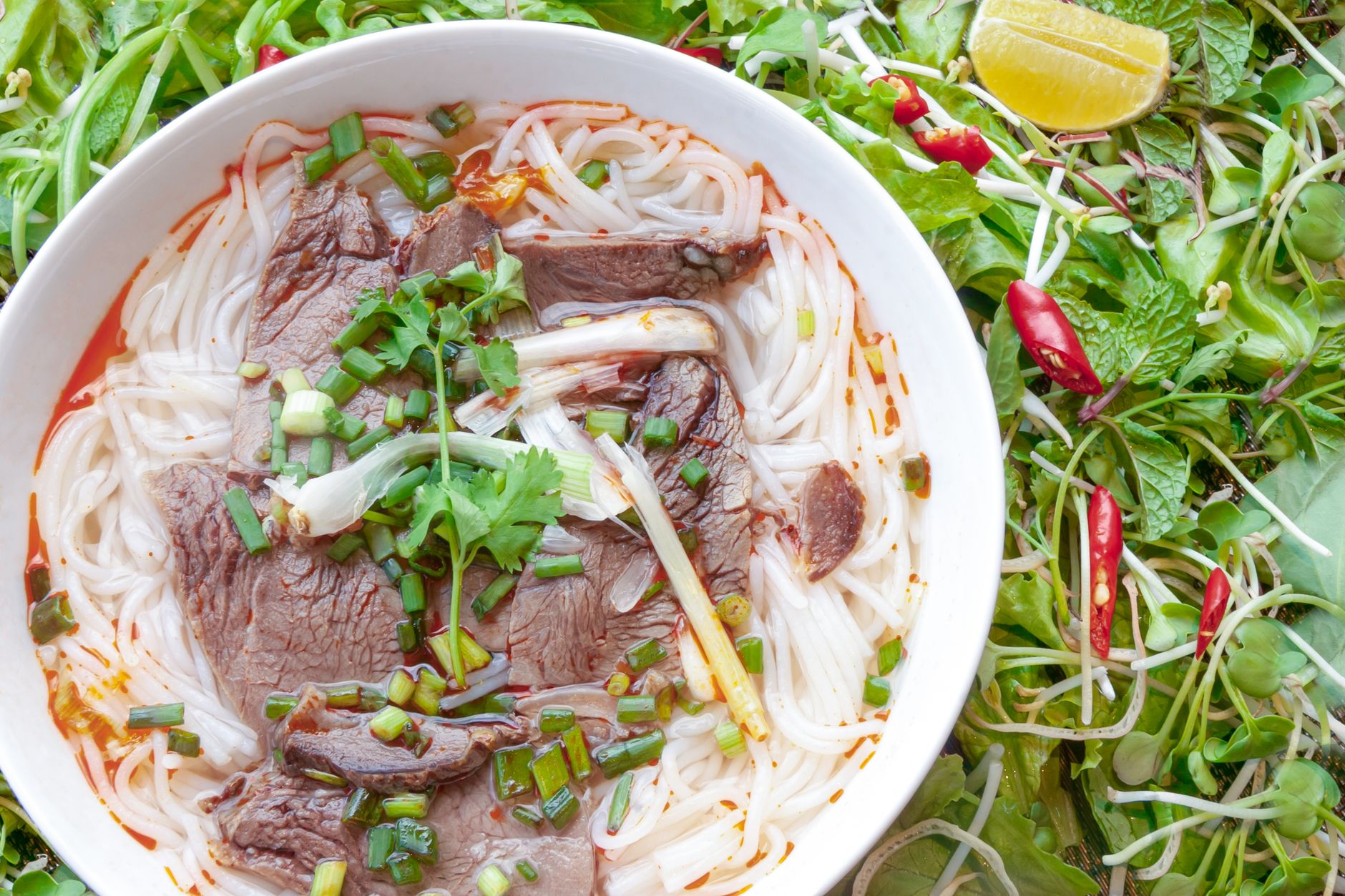
If you've only ever known pho, bún bò Huế is going to be a revelation. This central Vietnamese soup from the old imperial city of Huế doesn't whisper—it announces itself with a deep orange-red chile oil that stains the broth and promises serious business ahead.
The magic happens in that chile oil. Good Vietnamese cooks fry dried chiles until they're fragrant and darkly aromatic, then strain out the solids to leave behind this incredible oil that carries both heat and flavor. Add lemongrass, fermented shrimp paste for that essential funk, and a rich bone broth built from beef and pork, and you've got something that warms you from your core outward.
What gets me every time is the texture play. Those thick rice vermicelli noodles give you something substantial to work with, while slices of beef shank and pork knuckle provide different chews and flavors as the heat builds. The herb plate—banana blossom, cabbage, mint, cilantro, lime—becomes your personal heat control center. Need to cool things down? Pile on the herbs. Ready for more fire? Go straight broth, no chaser.
The restaurants doing this right make their chile oil in serious batches, often using those specific Huế-style dried chiles along with annatto seeds for that gorgeous color and shallots for sweetness. It's not something you can fake with Sriracha—this oil carries generations of technique in every spoonful.
Bánh Mì Gets Its Fire On
For too long, Americans thought bánh mì meant "that nice sandwich with the mild jalapeño slices." But a new wave of Vietnamese-American cooks is setting the record straight, and they're bringing serious heat to the party.
The smartest approach I'm seeing involves traditional Vietnamese chile pastes worked right into the sandwich's DNA. Tương ớt—that fermented soybean and chile sauce—creates heat that's both fiery and deeply savory. Some places are folding fresh bird's eye chiles or serranos directly into their pâtés and spreads. The heat becomes part of the sandwich's architecture, not just an afterthought.
Here's what these cooks understand about spicy bánh mì: every element has to step up to support that heat level. The pickled vegetables need more acid to brighten and lift the chiles. The herbs and cucumber provide crucial cooling moments. The rich pâté or mayo distributes that fire evenly so you're not getting random heat bombs. Even the bread matters—that crispy crust gives your palate something to focus on between waves of spice.
The best spicy bánh mì feel like complete recalibrations, not just regular sandwiches with hot sauce dumped on top. When it's done right, you get this perfect progression: the initial chile hit, the cooling herbs, the rich fat, the bright acid, all working together instead of fighting for attention.
Fresh Rolls Join the Fire Party
Nobody expected gỏi cuốn to get the spicy treatment, but here we are, and I'm not complaining. The challenge with adding heat to fresh spring rolls is obvious—how do you fire up something so delicate without destroying what makes it special?
The answer, it turns out, is in the sauce. Traditional nước chấm—that perfect balance of fish sauce, lime juice, sugar, and chiles—becomes the heat delivery system. The restaurants really committing to this offer multiple heat levels, from the gentle traditional version up to face-melting variations that incorporate habaneros or Thai bird chiles. Your choice, your adventure.
Some cooks are getting creative with chile oil inside the rolls themselves, brushing a thin layer onto the rice paper before adding the other ingredients. It creates this heat that builds with each bite while keeping all those fresh, clean flavors intact. Plus, the oil helps hold everything together—solving two problems at once.
I'm also seeing spicy protein preparations worked into the rolls: grilled shrimp or pork belly marinated in chile paste that creates little heat pockets throughout each bite. The trick is choosing chiles that add flavor complexity, not just random fire. When it works, you get these amazing moments where the heat hits, then gets cooled by the herbs, then builds again with the next bite.
Why This Moment Makes Sense
These Vietnamese spicy dishes are having their moment because they solve a problem many of us didn't even realize we had: they give us heat that actually enhances the eating experience instead of dominating it. Every single one incorporates built-in cooling elements—those fresh herbs, the pickled vegetables, the rich broths—so you're getting a complete experience, not just an endurance test.
There's also something more sophisticated happening with Vietnamese chile heat. Those fermented chile pastes and aromatic oils create layers that unfold as you eat. It's not just capsaicin burn—it's flavor development that happens to include serious fire.
The timing feels perfect too. We've spent the last decade learning to appreciate heat beyond just dumping hot sauce on everything. Vietnamese spicy cooking offers this beautiful next step: heat that comes with cultural context and real culinary purpose.
I love how these dishes work for groups with different heat tolerances. The herb plates, the cooling garnishes, the customizable spice levels—everyone gets to participate while choosing their own level of adventure.
For home cooks, this style of spicy cooking is surprisingly forgiving. The techniques aren't overly complex, and because Vietnamese cuisine is so focused on balance and fresh ingredients, even your mistakes tend to be delicious. When heat comes wrapped in this much flavor complexity, you'd have to work pretty hard to create something inedible.
That's the real genius of Vietnamese spicy food: it makes heat approachable, even generous. It invites you in instead of daring you to survive.
Peppers featured in this post
Cook with this idea
Recipes to try next.
Put these ingredients and techniques to use in your next meal.

vietnamese · medium
Apr 20, 2026Vietnamese Lemongrass Pork Banh Mi Burgers
Ground pork patties infused with lemongrass and fish sauce, topped with pickled vegetables and sriracha mayo on crusty rolls 45 min · 0 saves.

vietnamese · medium
Apr 15, 2026Vietnamese Lemongrass Chicken with Chilies (Gà Nướng Sả Ớt)
Juicy chicken thighs marinated in fragrant lemongrass and fish sauce, then grilled with fresh chilies for that perfect Vietnamese balance of aromatic and spicy that builds beautifully with each bite. 45 min · 0 saves.

vietnamese · hot
May 11, 2026Vietnamese Lemongrass Wings with Scotch Bonnet Glaze
Crispy chicken wings marinated in lemongrass and fish sauce, then glazed with a fiery scotch bonnet caramel that brings serious heat with Vietnamese soul. 55 min · 0 saves.
Bottle picks
Related hot sauce reviews.
Explore sauces with related ingredients, flavors, and heat levels.
Fly By Jing Sichuan Gold Review
A citrusy, tingly sauce with real peppercorn presence and enough versatility to move beyond dumplings.
Best for dumplings
Best for: Eggs and breakfast tacos
Skip if: Skip if you want a thick, smoky wing sauce more than a bright finishing bottle.
Read review
Mike's Hot Honey Review
Sweet heat done right: sticky, quick, and versatile enough to become a finishing move instead of a novelty.
Best for gifting
Best for: Pizza and fried chicken
Skip if: Skip if you want a classic vinegar-forward table sauce with almost no sweetness.
Read review
Heatonist Los Calientes Rojo Review
Heatonist Los Calientes Rojo: flavor notes, heat level, and suggested food pairings.
Best for tacos
Best for: Tacos and rice bowls
Skip if: Skip if you are chasing a novelty-level heat hit or a super-special-occasion bottle.
Read review
Go deeper
Background guides that build on this.
Keep reading
More on this subject.
If this post helped, these are the next pieces most likely to keep the thread going.
culture
Apr 28, 2026Beyond Pho: Vietnam's Bold Heat Is Having Its Moment
Vietnamese cuisine serves up incredible spicy dishes that deserve your attention far beyond the familiar comfort of pho. From the fiery specialties of Hue to chile-loaded stir-fries that'll make you sweat, these heat-forward dishes are finally getting the love they deserve from adventurous eaters.

culture
Apr 11, 2026Vietnamese Noodle Dishes: Broths, Herbs, and Chili Dressings
Compare Vietnamese noodle soups and salads, from lemongrass-scented bún bò Huế to herb-filled bowls with chili dressing.
culture
Jun 14, 2026The Fiery Side of Vietnamese Comfort: Spicy Dishes That Define a New Generation
There's a whole world of Vietnamese cooking that goes way beyond pho—dishes that'll warm you from the inside out. From the imperial heat of bún bò Huế to the communal fire of spicy hot pot, these are the comfort foods that Vietnamese families have been passing down for generations.
Comments
Reader discussion is shared across recipes, reviews, and editorial pieces.
Comments are read-only while member sign-in is paused.