
culture
The Fiery Thai Dishes Taking Over American Kitchens Right Now
The spicy Thai dishes making their way into American home kitchens tell a different story than the pad thai we all know. These are the regional specialties, fermented condiments, and chili-forward dishes that showcase what real Thai heat culture looks like when you dig deeper.
Share this
Pass it around
Send this page to a friend, copy the link, or save it to a Pinterest board.

Save for later
Pin this page
Save the image with a link back to this recipe, review, or article.
The Fiery Thai Dishes Taking Over American Kitchens Right Now
Something wonderful is happening in American kitchens, and it involves a lot more chilies than you might expect. The Thai dishes gaining real traction among home cooks right now aren't the usual suspects—we're talking about regional papaya salads that'll make your eyes water, curry pastes that require actual commitment, and condiments so intensely flavored they transform everything they touch.
This isn't about chasing heat for its own sake. What's exciting is watching cooks discover Thai heat culture's real sophistication—how different chilies layer together, how fermentation amplifies spice, how the right balance makes you crave more burn, not less. These dishes don't just happen to be spicy; they're architectural feats built around chili as a primary ingredient.
Somtam That Actually Means Business
If you think you know papaya salad, the versions gaining momentum in home kitchens might surprise you. We're well past the gentle introduction most Thai restaurants serve Americans.
Somtam Lao brings fermented fish sauce (padaek) into the mix, and that changes everything. The funkiness creates this earthy foundation that makes the chili heat feel more complex, more grown-up somehow. You're not just getting burned—you're getting this whole umami conversation happening alongside the fire.
But somtam poo plara? That's where things get serious. The fermented crab adds such intense savory depth that it actually makes you perceive more heat while simultaneously making you want to keep eating despite the burn. Most versions call for 6 to 10 small Thai chilies per serving, and yes, you need them all.
Real pounding releases essential oils from those chilies in a way that chopping never will. You get this integrated heat that flows through every bite instead of those jarring pockets of fire that make you yelp.
Jungle Curry's Beautiful Brutality
Jungle curry (gaeng pa) might be the most honest curry in the Thai repertoire. No coconut milk to soften the blow, no creamy richness to hide behind. Just you, water or thin stock, and an absolutely ridiculous amount of chilies having a direct conversation.
The curry paste alone should give you pause—15 to 20 dried chilies per batch, plus fresh ones for good measure. You're building heat in layers here: dried prik chee fah for fruity moderate heat, those tiny prik kee noo for sharp intensity that hits immediately. The galangal and lemongrass are there, sure, but make no mistake about who's running this show.
What makes jungle curry perfect for home cooking is its beautiful flexibility. Whatever vegetables are looking at you from the crisper drawer, whatever protein needs using up—green beans, Thai eggplant, chicken, fish—they all work. The curry paste and fish sauce create this intensely flavored foundation that supports but never overwhelms the chili-forward personality.
The technique that makes the difference: fry that paste in a dry pan first. Let those chili oils bloom and develop that slightly bitter edge that separates jungle curry from its milder cousins. The heat you get is sustained, building, the kind that makes you understand why this dish has survived generations.
Nam Prik: The Chili Condiment Revelation
If you really want to understand Thai heat culture, nam prik is your graduate course. These concentrated chili sauces anchor Thai meals in a way that bottled hot sauce never could, and American cooks are finally catching on to why.
The beauty is in the specificity. Nam prik pao brings roasted chilies together with shallots and garlic for smoky sweetness. Nam prik kapi combines bird's eye chilies with fermented shrimp paste—usually in a 3:2:1 ratio—creating these waves of flavor that build and recede instead of just burning.
Nam prik ong from northern Thailand might be my personal favorite discovery: minced pork, tomatoes, dried chilies, and complex spicing that creates this rich, meaty sauce with serious heat threading through every spoonful.
The serving style matters as much as the sauce itself. You want fresh vegetables, steamed vegetables, maybe some grilled fish for dipping. Those raw cucumbers and cabbage aren't just cooling relief—they're delivering different textures that highlight different aspects of the chili paste. It's interactive eating at its best.
Regional Curry Pastes Worth the Effort
Store-bought Thai curry pastes have gotten much better, but making regional varieties yourself reveals heat dimensions that jars simply can't capture.
Southern Thai pastes don't mess around. Gaeng som paste typically includes 10 to 15 dried chilies plus fresh ones, creating this aggressively spicy base before you even add the tamarind and fish that define the finished dish. That heat isn't showing off—it's doing the work of balancing intense sourness and cutting through rich seafood.
Northern gaeng hang lay paste takes a completely different approach, building heat more slowly with dried chilies alongside warm spices like cinnamon and star anise. The burn lasts longer but feels more integrated, especially when you're using it with rich pork belly where the fat helps distribute all those chili oils.
The real revelation comes when you start mixing different dried chilies in one paste. Prik chee fah for moderate heat and fruit notes, prik haeng for pure intensity, prik kaleang for that deep red color—each contributes something different to the final heat profile. Toast them properly until fragrant but not burned, and you get flavors that enhance rather than compete with the chili heat.
Making Thai Heat Work at Home
Successful Thai spicy cooking means understanding how different elements interact with those chilies. Palm sugar isn't just adding sweetness—it's helping chili oils bind with other liquids and smoothing harsh edges without reducing intensity. Fish sauce actually amplifies heat perception while adding complexity. Lime juice brightens everything and gives your palate brief relief from capsaicin buildup.
Your mortar and pestle really isn't optional here. A proper granite mortar lets you pound rather than chop, which releases more capsaicin while creating better texture integration. Food processors work for large batches, but the results taste sharper, less harmonious.
Start with whole dried chilies when you can, controlling heat by removing seeds and membranes rather than using fewer chilies overall. You maintain flavor complexity while managing intensity. Most Thai dishes benefit from chili variety—mixing fresh and dried, large and small, sweet and hot creates that layered heat that makes Thai spicy food so compelling.
These dishes represent something special: Thai heat culture at its most sophisticated, most purposeful. They're complex and demanding, but deeply satisfying for anyone ready to move beyond basic spicy food into something that rewards real attention.
Peppers featured in this post
Cook with this idea
Recipes to try next.
Put these ingredients and techniques to use in your next meal.
thai · hot
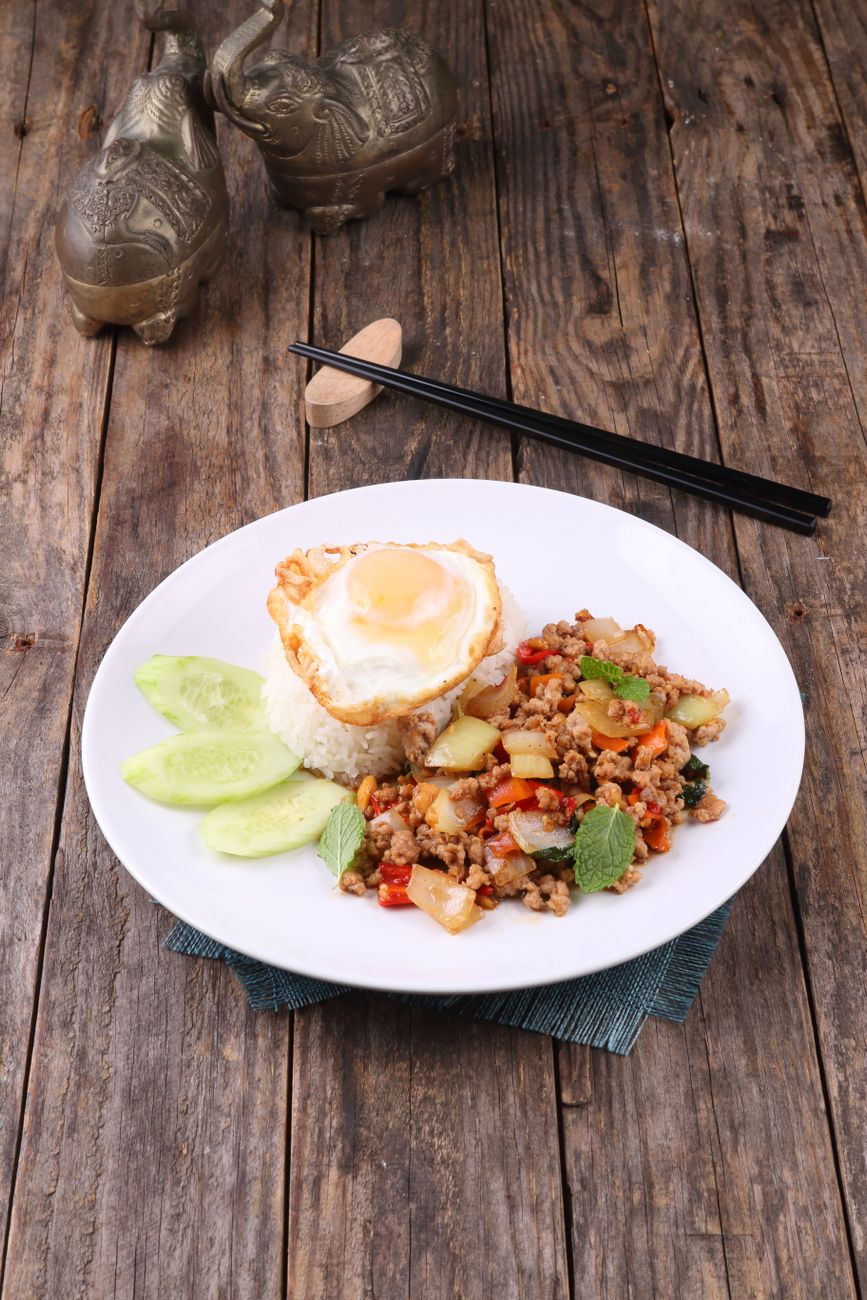
May 17, 2026Thai Chili-Garlic Stir-Fried Ground Pork (Pad Kra Pao)
Intensely aromatic ground pork stir-fried with bird's eye chilies, garlic, and holy basil in a savory-sweet sauce that brings serious heat. 18 min · 0 saves.
thai · hot
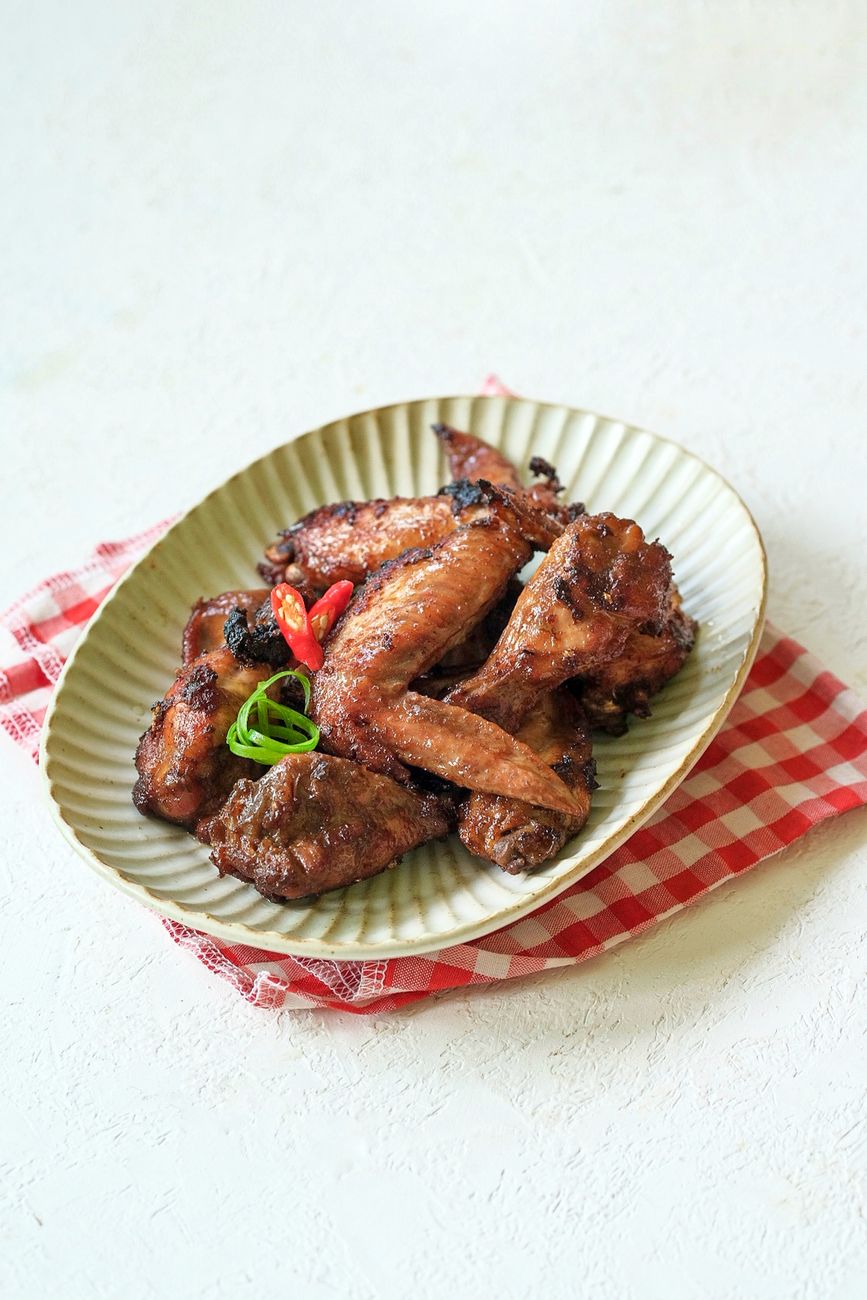
May 5, 2026Thai Hot Wings with Nam Prik Pao Glaze
Crispy chicken wings meet the complex fire of nam prik pao—Thai chili jam—in a glaze that delivers layers of smoky heat, tangy tamarind, and caramelized palm sugar. 65 min · 0 saves.

thai · hot
Mar 21, 2026Green Curry Coconut Meatballs
Tender meatballs simmered in green curry coconut sauce with basil, lime, and a slow-building chili finish. 45 min · 289 saves.
Bottle picks
Related hot sauce reviews.
Explore sauces with related ingredients, flavors, and heat levels.
Yellowbird Habanero Hot Sauce Review
A bright, carrot-forward bottle with enough heat to stay lively and enough sweetness to stay versatile.
Best for tacos
Best for: Tacos and rice bowls
Skip if: Skip if you want a classic vinegar-forward table sauce with almost no sweetness.
Read review
Queen Majesty Scotch Bonnet and Ginger Review
A bright, elegant sauce that leans on fruit, ginger, and Scotch bonnet lift instead of brute force.
Best for seafood
Best for: Seafood and fish tacos
Skip if: Skip if you want a thick, smoky wing sauce more than a bright finishing bottle.
Read review
Hot Ones Lineup Collection Review
A curated shelf-builder for tasting nights, gifts, and anyone who wants to compare heat styles side by side.
Best for gifting
Best for: Sauce subscription
Skip if: Skip if you need one exact everyday bottle instead of a discovery-style gift.
Read review
Go deeper
Background guides that build on this.
Keep reading
More on this subject.
If this post helped, these are the next pieces most likely to keep the thread going.

culture
May 31, 2026Why Thai Larb, Jungle Curry, and Boat Noodles Are Having Their Spicy Moment
Three bold Thai dishes are winning over spice lovers everywhere, each one showcasing a completely different way to build and balance serious heat. Here's why larb, jungle curry, and boat noodles deserve a spot at your table.

culture
Apr 29, 2026Beyond Pad Thai: The Thai Spicy Dishes That Actually Define Heat Culture
Skip the tourist-friendly pad thai and dive into the dishes that actually make Thai locals sweat—som tam that'll clear your sinuses, sour curry that makes green curry seem timid, and meat salads that redefine what heat should taste like.

culture
Apr 21, 2026Som Tam, Larb, and Gaeng Som: A Thai Food Guide
A guide to som tam, larb, and gaeng som, with a focus on the chilies, herbs, and sour ingredients in each preparation.
Comments
Reader discussion is shared across recipes, reviews, and editorial pieces.
Comments are read-only while member sign-in is paused.