
culture
Beyond Pad Thai: The Thai Spicy Dishes That Actually Define Heat Culture
Skip the tourist-friendly pad thai and dive into the dishes that actually make Thai locals sweat—som tam that'll clear your sinuses, sour curry that makes green curry seem timid, and meat salads that redefine what heat should taste like.

Share this
Pass it around
Send this page to a friend, copy the link, or save it to a Pinterest board.

Save for later
Pin this page
Save the image with a link back to this recipe, review, or article.
The Heat Your Thai Friends Actually Crave
Look, I love that you can get decent pad thai almost anywhere now. But if you really want to understand Thai heat culture, you need to venture past the dishes designed for nervous tourists. The food that Thais actually seek out when they want serious spice lives in a completely different realm—where bird's eye chilies aren't just pretty garnish and where the burn builds layers of flavor instead of just making you suffer.
It's about creating this incredible interplay between different types of fire—some that hits immediately, some that sneaks up on you, some that makes you reach for more rice even as your lips tingle.
Som Tam: Your Real Introduction to Thai Fire
Green papaya salad looks so innocent when the vendor hands it over in that plastic bag. Don't be fooled. Som tam is where Thai cooks show off everything they know about balancing heat with flavor, and it's absolutely addictive once you get the hang of it.
The magic happens in that wooden mortar, where fresh bird's eye chilies get pounded directly into the salad. This isn't some sauce you can scrape off—the heat becomes part of every strand of papaya. But here's why it works: that immediate burn gets softened by lime juice, balanced by palm sugar, and given real depth through fish sauce. Your mouth burns, sure, but it also waters from the acid, and that combination keeps you diving back in.
The regional differences tell you everything about how Thais think about heat. Som tam Thai plays it relatively safe with a handful of chilies and adds peanuts for richness. Som tam Isan—from the northeast where they don't mess around—doubles the bird's eye chilies and throws in fermented fish sauce and crab paste for this funky, aggressive flavor that'll make you question your heat tolerance. Som tam Lao pushes even further with padaek, this incredibly pungent fermented fish sauce that adds both fire and funk.
Here's your insider move: when ordering som tam, the vendor will ask how many chilies you want. They're being literal. Two chilies gives you a gentle tingle, five brings noticeable heat, and eight or more puts you in serious territory where you'll definitely need that sticky rice.
Gaeng Som: The Curry That Humbles Green Curry
Everyone thinks green curry is Thailand's spiciest, but gaeng som—sour curry—delivers heat in ways that'll completely reframe your understanding of what "spicy" means. This isn't just hot; it's architecturally complex in how it burns.
The foundation starts with dried chilies pounded into the curry paste, creating this deep, smoky heat that's completely different from fresh chili fire. Then comes the tamarind, and this is where it gets interesting—instead of cooling things down, the sourness actually amplifies the spice. Your mouth waters, which just spreads the heat around more effectively. It's diabolical and brilliant.
The vegetables—green beans, bamboo shoots, green papaya—provide textural relief but zero cooling. This curry wants you to experience every layer of its heat. The sourness keeps drawing you back even when you're desperately reaching for water.
Regional versions get wild with this concept. Southern Thai gaeng som loads up on even more chilies and often includes pineapple for additional acid that makes the heat sing. Central Thai versions might dial back slightly but add fish sauce for extra salinity that somehow makes everything burn more intensely. Northern variations sometimes throw in fermented bamboo shoots for this funky flavor that competes with the fire for your attention.
Larb: Northeastern Thailand's Heat Masterpiece
Larb represents the purest expression of Isan heat culture, and it's completely unforgiving. This minced meat salad (calling it "salad" feels almost insulting) combines pork, beef, or duck with herbs, lime juice, fish sauce, and enough fresh chilies to make your eyes stream.
In larb, chilies are combined with mint, cilantro, toasted rice powder, and meat.
The bird's eye chilies here are almost exclusively the star, but preparation makes all the difference. Some versions pound the chilies into paste for even heat distribution—every bite burns consistently. Others leave larger pieces, creating these surprise hot spots that catch you off guard. Both approaches create completely different experiences from the same ingredients.
Your accompaniments become crucial survival tools. Sticky rice provides starchy relief. Fresh vegetables like cucumber and cabbage offer cooling crunch. But here's the thing—these aren't meant to kill the heat. They reset your palate so you can appreciate it all over again. It's a beautiful, masochistic cycle.
Thai cooks understand that different chilies create different types of heat, and they layer them like a composer arranges instruments.
Fresh bird's eye chilies deliver immediate, bright fire that hits hard and fades relatively quickly. Dried chilies in curry pastes create this deeper, more persistent warmth that builds over time. Chili oil adds richness alongside burn. White peppercorns contribute something completely different—more numbing and aromatic than burning.
These dishes also get that sustainable heat needs balance. The lime juice in som tam and larb doesn't just add sourness—it makes your mouth water, which actually helps you handle more spice. The herbs and vegetables provide textural variety that keeps your palate engaged rather than just overwhelmed.
Most importantly, nobody ever sacrifices flavor complexity for heat intensity. Every element needs to contribute something beyond just making your mouth burn. That's why you crave these dishes instead of just remembering them—you want to eat them again not because you survived some heat challenge, but because that particular combination of fire, flavor, and satisfaction is genuinely delicious.
That philosophy explains why these dishes have staying power while gimmicky super-hot preparations fade away. Real heat culture isn't about proving anything to anyone. It's about creating food that makes you crave that specific combination of fire and flavor that only comes from chilies used with real intention and skill.
Cook with this idea
Recipes to try next.
Put these ingredients and techniques to use in your next meal.
thai · hot
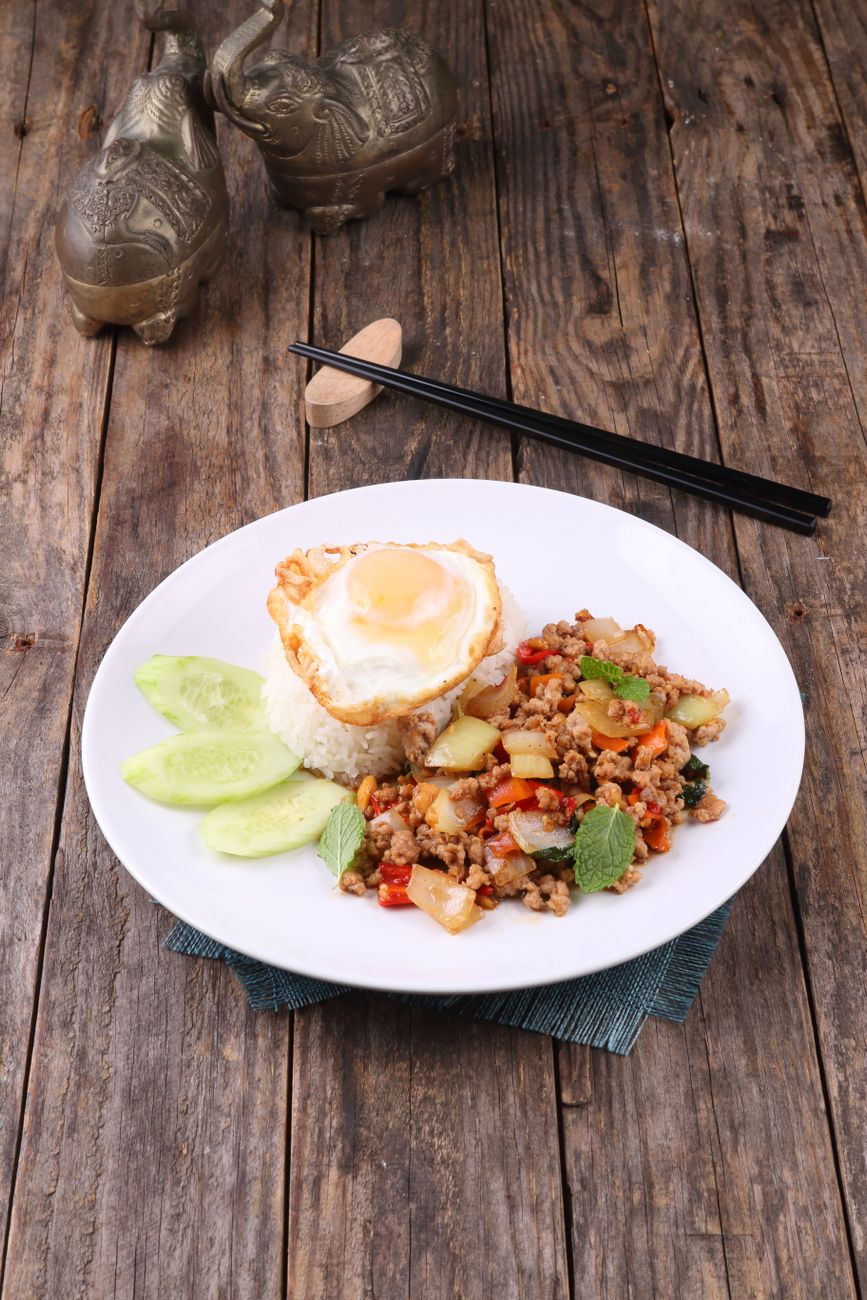
May 17, 2026Thai Chili-Garlic Stir-Fried Ground Pork (Pad Kra Pao)
Intensely aromatic ground pork stir-fried with bird's eye chilies, garlic, and holy basil in a savory-sweet sauce that brings serious heat. 18 min · 0 saves.
thai · hot
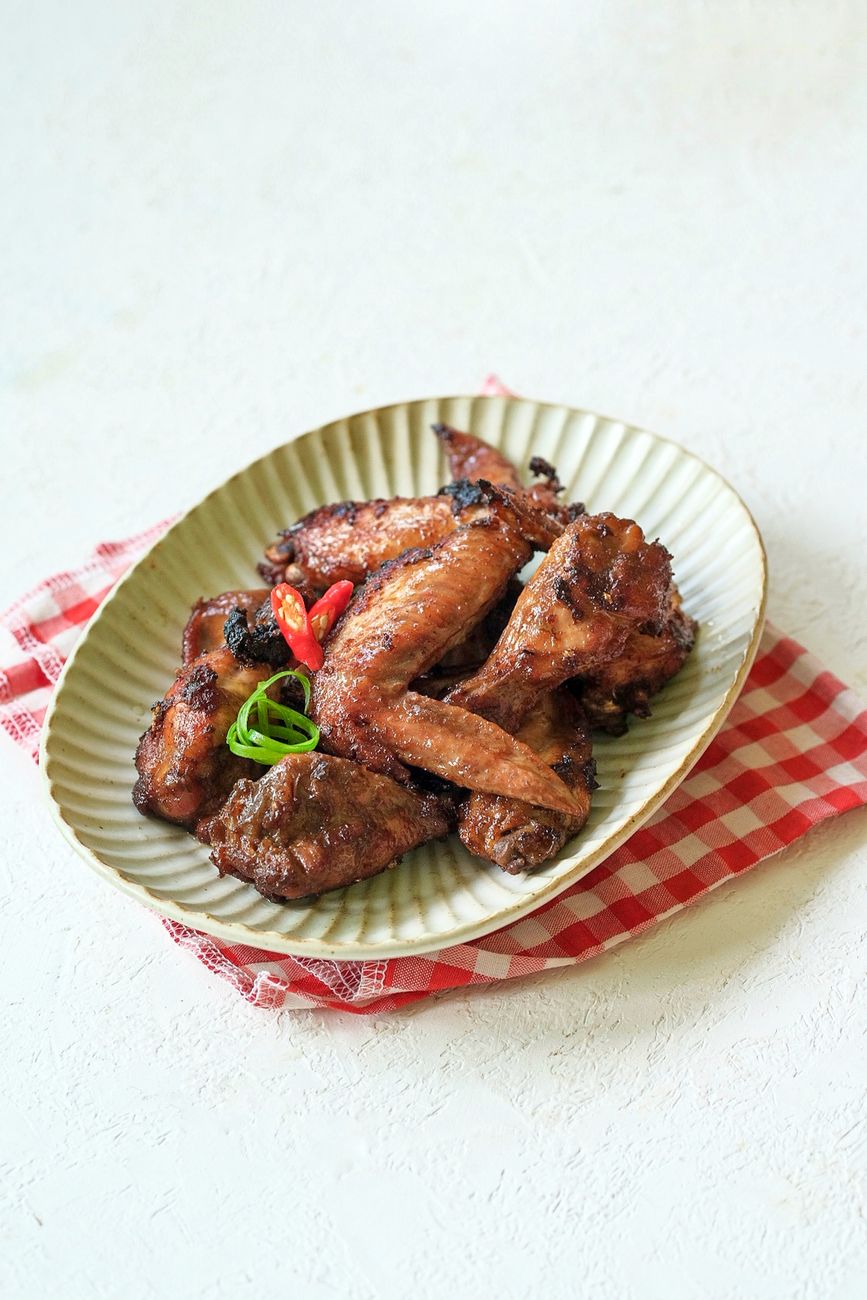
May 5, 2026Thai Hot Wings with Nam Prik Pao Glaze
Crispy chicken wings meet the complex fire of nam prik pao—Thai chili jam—in a glaze that delivers layers of smoky heat, tangy tamarind, and caramelized palm sugar. 65 min · 0 saves.

thai · hot
Mar 21, 2026Green Curry Coconut Meatballs
Tender meatballs simmered in green curry coconut sauce with basil, lime, and a slow-building chili finish. 45 min · 289 saves.
Bottle picks
Related hot sauce reviews.
Explore sauces with related ingredients, flavors, and heat levels.
Yellowbird Habanero Hot Sauce Review
A bright, carrot-forward bottle with enough heat to stay lively and enough sweetness to stay versatile.
Best for tacos
Best for: Tacos and rice bowls
Skip if: Skip if you want a classic vinegar-forward table sauce with almost no sweetness.
Read review
Queen Majesty Scotch Bonnet and Ginger Review
A bright, elegant sauce that leans on fruit, ginger, and Scotch bonnet lift instead of brute force.
Best for seafood
Best for: Seafood and fish tacos
Skip if: Skip if you want a thick, smoky wing sauce more than a bright finishing bottle.
Read review
Fly By Jing Sichuan Gold Review
A citrusy, tingly sauce with real peppercorn presence and enough versatility to move beyond dumplings.
Best for dumplings
Best for: Eggs and breakfast tacos
Skip if: Skip if you want a thick, smoky wing sauce more than a bright finishing bottle.
Read review
Go deeper
Background guides that build on this.
Keep reading
More on this subject.
If this post helped, these are the next pieces most likely to keep the thread going.
culture
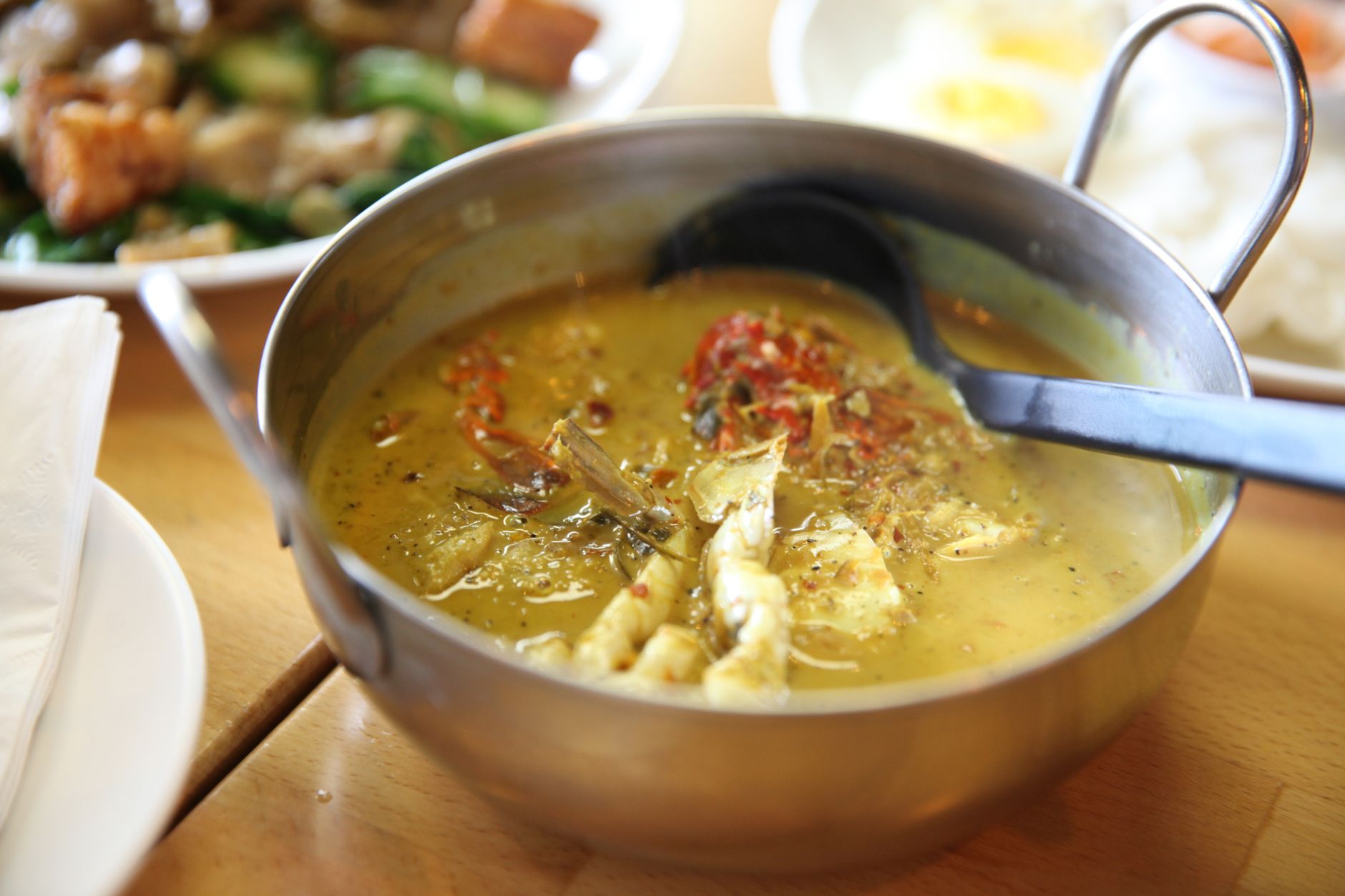
Jun 5, 2026The Fiery Thai Dishes Taking Over American Kitchens Right Now
The spicy Thai dishes making their way into American home kitchens tell a different story than the pad thai we all know. These are the regional specialties, fermented condiments, and chili-forward dishes that showcase what real Thai heat culture looks like when you dig deeper.

culture
May 31, 2026Why Thai Larb, Jungle Curry, and Boat Noodles Are Having Their Spicy Moment
Three bold Thai dishes are winning over spice lovers everywhere, each one showcasing a completely different way to build and balance serious heat. Here's why larb, jungle curry, and boat noodles deserve a spot at your table.

culture
Apr 21, 2026Som Tam, Larb, and Gaeng Som: A Thai Food Guide
A guide to som tam, larb, and gaeng som, with a focus on the chilies, herbs, and sour ingredients in each preparation.
Comments
Reader discussion is shared across recipes, reviews, and editorial pieces.
Comments are read-only while member sign-in is paused.