
culture
Why Thai Larb, Jungle Curry, and Boat Noodles Are Having Their Spicy Moment
Three bold Thai dishes are winning over spice lovers everywhere, each one showcasing a completely different way to build and balance serious heat. Here's why larb, jungle curry, and boat noodles deserve a spot at your table.

Share this
Pass it around
Send this page to a friend, copy the link, or save it to a Pinterest board.

Save for later
Pin this page
Save the image with a link back to this recipe, review, or article.
Why Thai Larb, Jungle Curry, and Boat Noodles Are Having Their Spicy Moment
Sure, we all love pad thai, but let's talk about the Thai dishes that don't mess around. While those familiar favorites were busy winning over cautious palates, larb, jungle curry, and boat noodles were quietly building devoted followings among people who want their Thai food to pack some real punch.
These aren't dishes that apologize for their intensity or offer you a "mild" option. They're unapologetically bold, each one showing off a different side of how Thai cooks think about heat. And honestly? That's exactly why they're having such a moment right now.
What I love about this trio is how they prove that great spicy food isn't just about making your mouth burn—it's about using heat as one note in a much more complex song.
Larb: The Herb-Forward Heat That Builds
Don't let larb fool you with its simple appearance. Yes, it looks like a straightforward meat salad with herbs, but that first bite reveals something much more sophisticated happening.
The heat here comes mainly from fresh bird's eye chilies—those tiny green or red bullets that deliver a clean, bright burn. But here's the brilliant part: all those fresh herbs aren't just garnish. The mint and cilantro create actual cooling moments that let you appreciate the chili heat instead of just enduring it.
Then there's the toasted rice powder, which might be my favorite secret weapon in Thai cooking. It adds this nutty, almost earthy layer that somehow makes all that fresh fire feel grounded rather than scattered. Combined with the salty funk of fish sauce and the bright acidity of lime juice, you get heat that actually enhances every other flavor on the plate.
I've noticed that people who initially approach larb cautiously often become completely obsessed with it. There's something addictive about that interplay between cooling herbs and warming chilies—your palate never quite settles, which keeps you reaching for another bite.
Regional variations make this even more interesting. Lao-style larb tends to go heavier on the herbs and sometimes uses raw meat, while northern Thai versions might include blood for extra richness. Some preparations swap in dried chilies for a smokier kind of warmth. But that core principle—fresh heat dancing with cooling herbs—remains constant.
Jungle Curry: When "No Coconut" Means Maximum Fire
If you've only had Thai curries with coconut milk, jungle curry will be a revelation. And possibly a challenge. This is what happens when Thai cooks decide that coconut milk is just getting in the way of what they're really trying to accomplish.
Without that creamy buffer, every single element in the curry paste hits you directly. We're talking about a paste made from dried chilies, galangal, lemongrass, kaffir lime zest, and shrimp paste in proportions that would seem aggressive in any other context. The dried chilies provide this deep, building heat, while fresh chilies add those bright top notes that keep things from getting muddy.
But here's what keeps jungle curry from being just a test of your heat tolerance: the vegetables become your allies. Thai eggplant, bamboo shoots, green beans—they're not just surviving in this intense environment, they're actually helping to distribute and moderate all that fire. Each piece of vegetable becomes a little heat-delivery system, giving you the intensity in more manageable doses.
The broth itself, built on stock rather than coconut milk, has this clarity that lets you actually taste each component instead of everything melding into creamy uniformity. You can pick out the smoky depth of dried chilies, the citrusy bite of lime leaves, the funky richness of shrimp paste. It's heat with tremendous precision.
Boat Noodles: Dark, Rich Heat That Warms from Within
Boat noodles represent a completely different philosophy about spice. Where larb gives you bright, herbal heat and jungle curry delivers concentrated fire, boat noodles are all about warmth that builds slowly and spreads through your whole body.
The heat here isn't just about chilies—though there are plenty of those. It's about white pepper, which creates this warming sensation in the back of your throat and up through your sinuses. Combined with chilies in oil and fresh bird's eye chilies on the side, you get these multiple layers of warmth happening all at once.
That dark, rich broth can handle serious spice because it's got the body to support it. The darkness comes from dark soy sauce and sometimes blood, creating this deeply savory base where heat becomes comforting rather than aggressive. It's the difference between a quick burn and a warming embrace.
What I really appreciate about boat noodles is how they put you in control. Most places serve them with a full condiment tray: fish sauce with chilies for salty heat, sugar for balance, dried chili flakes for extra fire, fresh chilies for brightness, white pepper for that warming spice. You can customize your heat level, but more importantly, you can explore how different types of heat interact with that rich broth.
Why These Dishes Work Now
I think these particular Thai dishes are having their moment because people are getting more sophisticated about spicy food. There's less interest in heat just for bragging rights and more curiosity about how different cultures use spice to create specific experiences.
Larb appeals to people who want intensity but also freshness—it's spicy food that actually feels clean and energizing. Jungle curry satisfies anyone seeking that authentic, no-compromises experience. Boat noodles offer comforting heat that builds rather than attacks.
Each of these dishes also delivers incredible complexity alongside the heat. You're not sacrificing flavor for fire—you're getting sophisticated spice work that treats heat as one instrument in a much larger orchestra.
That's what makes them so craveable, and why they're finding devoted fans far from their Thai origins. They prove that the best spicy food doesn't just burn—it tells a story.
Cook with this idea
Recipes to try next.
Put these ingredients and techniques to use in your next meal.
thai · hot
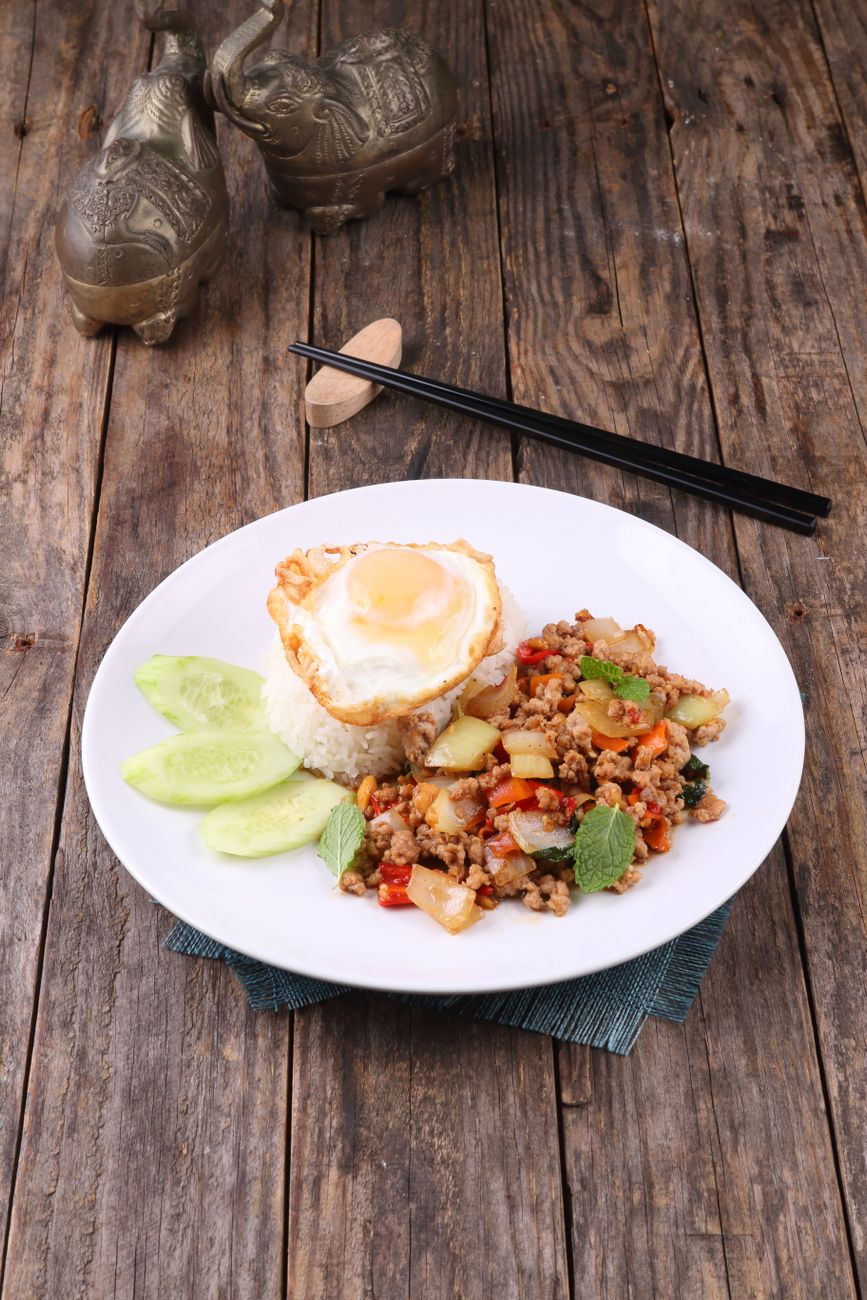
May 17, 2026Thai Chili-Garlic Stir-Fried Ground Pork (Pad Kra Pao)
Intensely aromatic ground pork stir-fried with bird's eye chilies, garlic, and holy basil in a savory-sweet sauce that brings serious heat. 18 min · 0 saves.
thai · hot
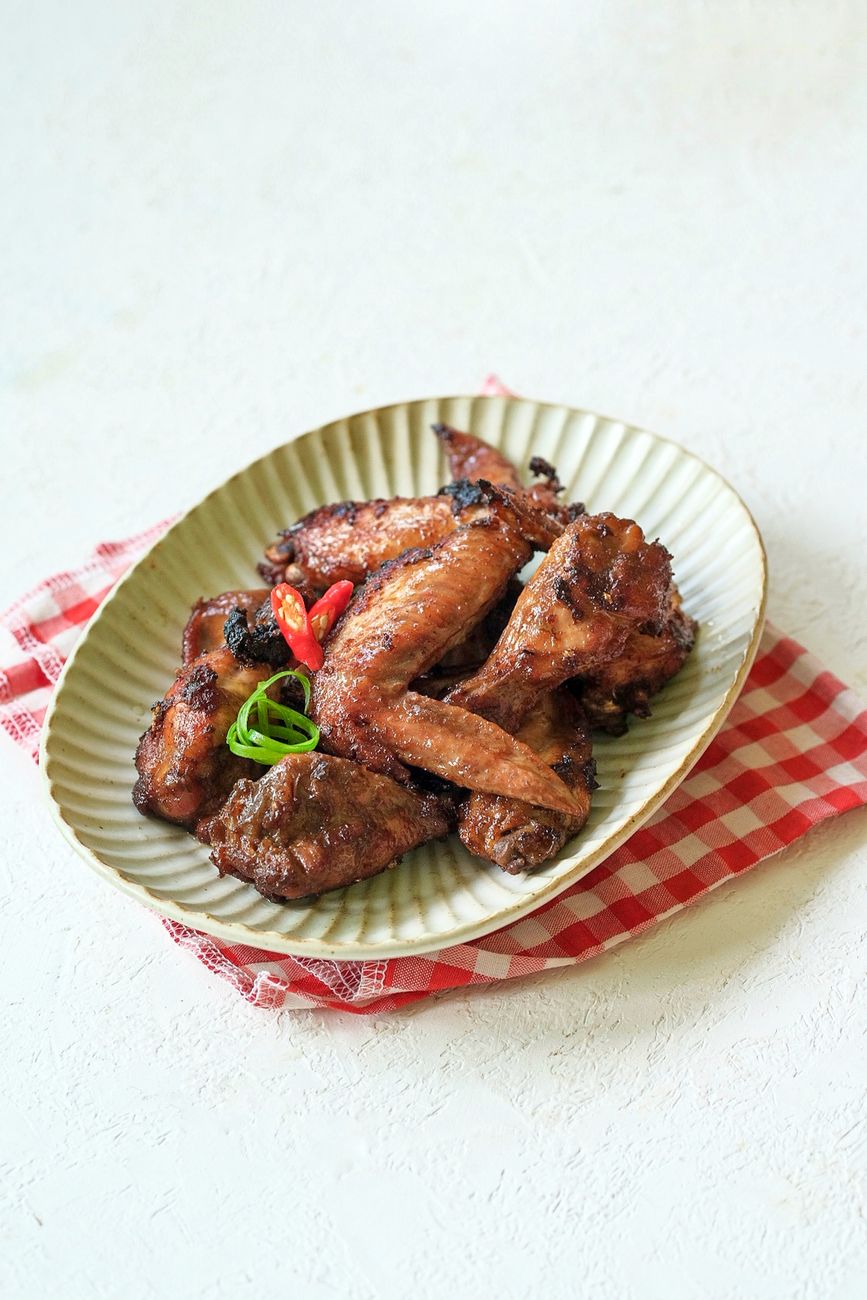
May 5, 2026Thai Hot Wings with Nam Prik Pao Glaze
Crispy chicken wings meet the complex fire of nam prik pao—Thai chili jam—in a glaze that delivers layers of smoky heat, tangy tamarind, and caramelized palm sugar. 65 min · 0 saves.

thai · hot
Mar 21, 2026Green Curry Coconut Meatballs
Tender meatballs simmered in green curry coconut sauce with basil, lime, and a slow-building chili finish. 45 min · 289 saves.
Bottle picks
Related hot sauce reviews.
Explore sauces with related ingredients, flavors, and heat levels.
Yellowbird Habanero Hot Sauce Review
A bright, carrot-forward bottle with enough heat to stay lively and enough sweetness to stay versatile.
Best for tacos
Best for: Tacos and rice bowls
Skip if: Skip if you want a classic vinegar-forward table sauce with almost no sweetness.
Read review
Queen Majesty Scotch Bonnet and Ginger Review
A bright, elegant sauce that leans on fruit, ginger, and Scotch bonnet lift instead of brute force.
Best for seafood
Best for: Seafood and fish tacos
Skip if: Skip if you want a thick, smoky wing sauce more than a bright finishing bottle.
Read review
Fuego Box Monthly Subscription Review
A reliable discovery box for people who want more than supermarket sauces without going full novelty heat gimmick.
Best for gifting
Best for: Sauce subscription
Skip if: Skip if you need one exact everyday bottle instead of a discovery-style gift.
Read review
Go deeper
Background guides that build on this.
Keep reading
More on this subject.
If this post helped, these are the next pieces most likely to keep the thread going.
culture
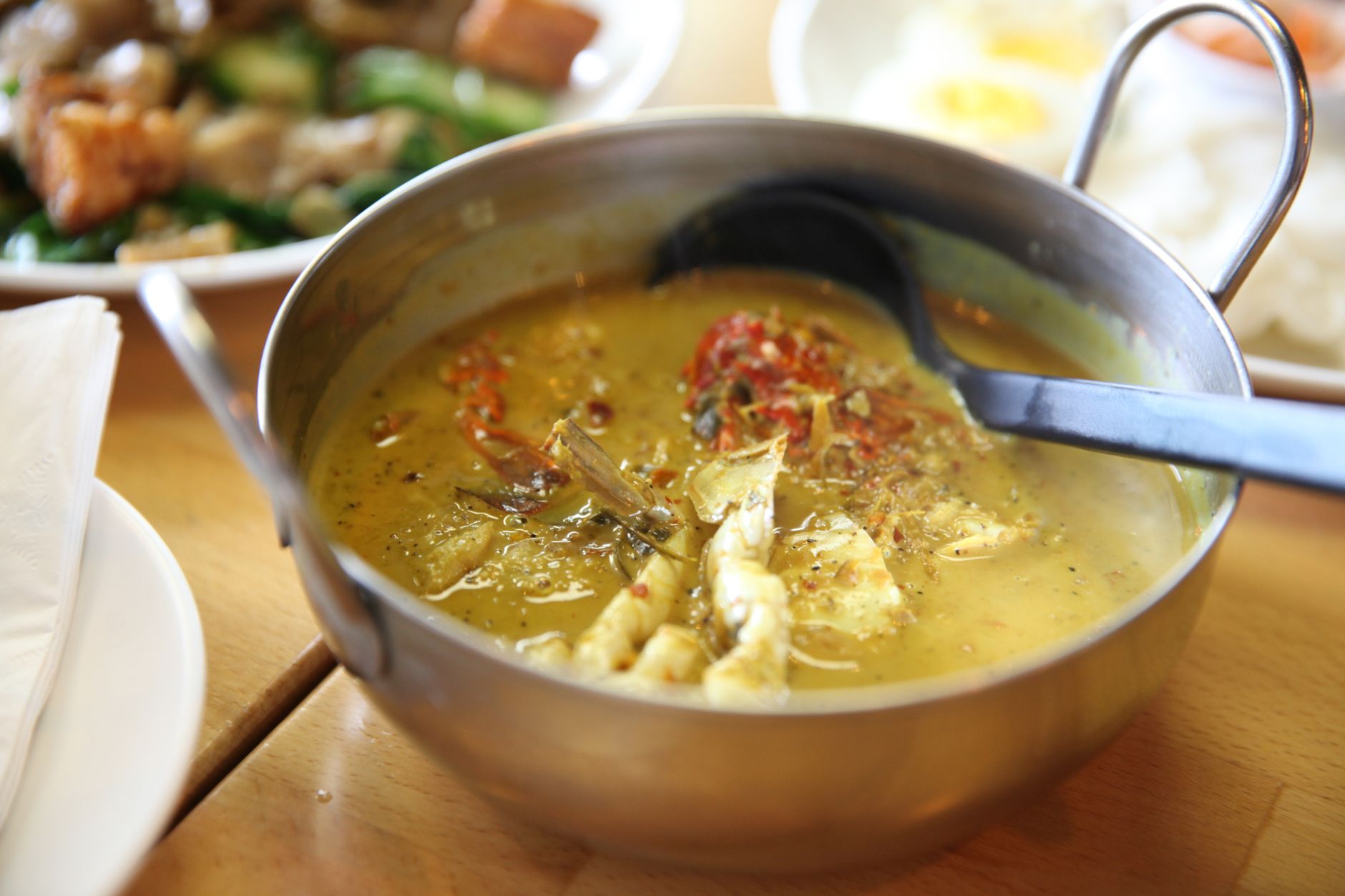
Jun 5, 2026The Fiery Thai Dishes Taking Over American Kitchens Right Now
The spicy Thai dishes making their way into American home kitchens tell a different story than the pad thai we all know. These are the regional specialties, fermented condiments, and chili-forward dishes that showcase what real Thai heat culture looks like when you dig deeper.

culture
Apr 29, 2026Beyond Pad Thai: The Thai Spicy Dishes That Actually Define Heat Culture
Skip the tourist-friendly pad thai and dive into the dishes that actually make Thai locals sweat—som tam that'll clear your sinuses, sour curry that makes green curry seem timid, and meat salads that redefine what heat should taste like.

culture
Apr 21, 2026Som Tam, Larb, and Gaeng Som: A Thai Food Guide
A guide to som tam, larb, and gaeng som, with a focus on the chilies, herbs, and sour ingredients in each preparation.
Comments
Reader discussion is shared across recipes, reviews, and editorial pieces.
Comments are read-only while member sign-in is paused.